
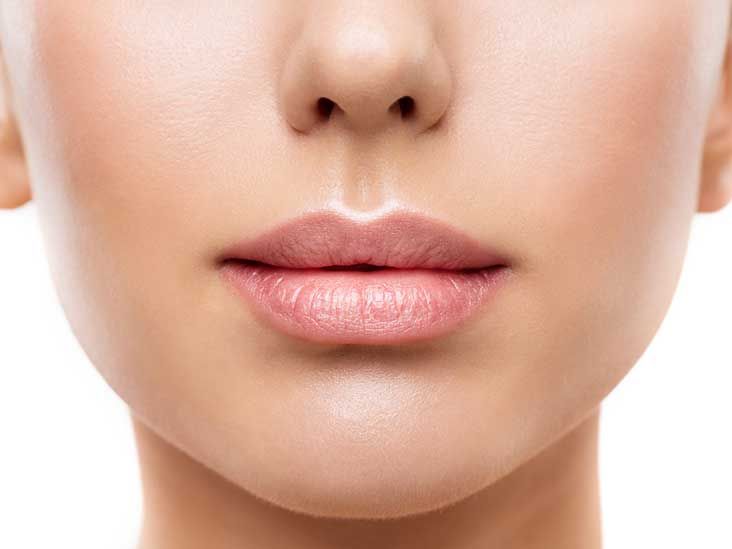
Botox lips sound like something invented by a beauty editor after three iced coffees and a magnifying mirror. But the idea is real, popular, and surprisingly subtle when done correctly. Instead of adding volume the way lip filler does, Botox can relax tiny muscles around the mouth to create a smoother, softer, slightly more lifted-looking lip area. Think of it less as “inflating the lips” and more as convincing a very busy muscle to take a tiny vacation.
For people curious about a Botox lip flip, lip wrinkle treatment, gummy smile correction, or smoother lines around the mouth, it helps to understand what Botox can and cannot do. It can make the upper lip appear a bit more visible. It can soften certain expression lines. It may improve the look of fine vertical lip lines in selected patients. But it cannot replace lost volume, reshape the lips dramatically, or give the pillowy look associated with hyaluronic acid filler.
The best results usually come from realistic expectations, conservative dosing, and an experienced injector who understands how much the mouth does every day. Your lips help you smile, speak, sip, whistle, kiss, chew, pronounce “p,” and make suspicious faces when the restaurant says the guacamole is “market price.” In other words, this is not an area for guesswork.
What Is Botox for Lips?
Botox is the best-known brand name for a form of botulinum toxin type A, a neuromodulator used to temporarily relax targeted muscles. Other neuromodulator brands include Dysport, Xeomin, Jeuveau, and Daxxify. In cosmetic care, these products are often used to soften dynamic wrinkles, which are lines formed by repeated facial movement.
When people say “Botox lips,” they are usually talking about one of several treatments around the mouth:
- Lip flip: Small injections near the upper lip relax the orbicularis oris muscle, allowing the upper lip to roll slightly outward.
- Lip lines treatment: Tiny amounts may be used to soften fine vertical wrinkles above the lip, sometimes called smoker’s lines or lipstick lines.
- Gummy smile treatment: Botox may be placed near the muscles that lift the upper lip too high when smiling.
- Mouth-corner support: In selected cases, neuromodulator may help relax muscles that pull the mouth corners downward.
It is important to note that Botox does not add physical volume. If the lips are naturally thin or have lost volume with age, dermal filler may be the better match. Botox changes muscle behavior; filler changes structure. They are cousins in the cosmetic world, not twins.
How a Botox Lip Flip Works
The Botox lip flip is the treatment most people mean when searching for Botox lips. During a lip flip, a qualified injector places very small amounts of botulinum toxin near the upper lip, commonly along the border of the upper lip and sometimes near the corners of the mouth. The goal is to relax part of the muscle that curls the lip inward.
Once that muscle relaxes, the upper lip may roll outward slightly. This can make more of the pink part of the lip visible, especially when smiling. The result is usually subtle. A lip flip will not turn a thin upper lip into a dramatic red-carpet pout, but it may help the lip look less tucked under.
Who Might Like a Lip Flip?
A Botox lip flip may appeal to someone who:
- Feels their upper lip disappears when they smile
- Wants a very subtle lip enhancement
- Does not want filler volume
- Has mild asymmetry related to muscle movement
- Wants to test a small cosmetic change before considering filler
However, a lip flip is not ideal for everyone. If someone wants clearly fuller lips, more defined borders, or correction of age-related volume loss, filler may be more effective. If someone already has trouble with speech, swallowing, oral muscle control, or certain neuromuscular conditions, they should discuss this carefully with a healthcare professional before considering treatment.
Botox for Lip Wrinkles
Fine lines around the mouth can appear for many reasons: repeated pursing, sun exposure, natural collagen loss, genetics, smoking history, and normal facial movement. These vertical lines are often most noticeable when applying lipstick, especially when lipstick decides to take a scenic route into every tiny crease.
Botox may help soften dynamic lip lines caused by muscle contraction. It does this by reducing the strength of the repeated puckering movement that contributes to the lines. But it works best when lines are mild and movement-related. Deep etched lines, sun-damaged texture, and volume loss often need a different plan, such as resurfacing lasers, microneedling, chemical peels, skin care, or dermal filler.
Botox vs. Filler for Lip Lines
Botox and filler can both be used around the mouth, but they solve different problems. Botox relaxes movement. Filler replaces or adds volume. For lip lines, Botox may reduce the repetitive muscle motion that deepens wrinkles, while filler may support the skin from underneath. Some treatment plans use both, but the safest and most natural-looking results come from careful dosing and conservative technique.
Too much Botox around the mouth can create annoying side effects, such as difficulty pronouncing certain words, sipping from a straw, or controlling the lip while eating. This is why experienced injectors often use tiny amounts in this area. Around the lips, “more” is not a flex. It is often a fast ticket to soup-related regret.
Botox for a Gummy Smile
A gummy smile happens when a larger amount of gum tissue shows above the upper teeth during smiling. For some people, this is related to overactive upper-lip elevator muscles. In carefully selected cases, Botox can relax those muscles so the upper lip does not rise as dramatically.
This treatment is different from a lip flip, although both involve the upper lip area. A gummy smile treatment focuses more on the muscles that lift the upper lip, while a lip flip focuses on the muscle around the lip border. The right injection points depend on anatomy, smile pattern, and the reason the gums show. In some cases, orthodontics, dental treatment, gum contouring, or surgery may be more appropriate than Botox.
What to Expect During the Procedure
A Botox lip appointment is usually quick. The injector reviews medical history, discusses goals, examines facial movement, and marks the treatment area if needed. The injections themselves often take only a few minutes. Most people describe the sensation as a small pinch or sting.
Because the lip area is sensitive, mild discomfort is normal. Some practices use ice or topical numbing, although many lip flip treatments are so quick that numbing is optional. Afterward, there may be small bumps, redness, tenderness, or mild bruising at injection points. These usually improve quickly.
When Do Results Show?
Botox does not work instantly. Some people notice early changes in a few days, but full results usually develop over one to two weeks. This delayed timeline surprises first-timers who expect to leave the office with a new lip shape before reaching the parking lot. Botox is effective, but it is not a magic wand with Wi-Fi speed.
How Long Does Botox Last in the Lips?
Results around the mouth may last about two to three months for many lip flip patients, sometimes shorter or longer depending on dose, metabolism, muscle strength, and how much the area moves. Traditional Botox treatments in other facial areas often last around three to four months, but the mouth is highly active, so lip-area results may fade sooner.
Maintenance treatments can be scheduled if the result is successful, but it is wise to wait until the first treatment fully settles before adding more. Over-treating the mouth can interfere with normal function.
Botox Lips vs. Lip Filler
The biggest confusion in lip enhancement is the difference between Botox and filler. They are both injectables, yes, but that is like saying a bicycle and a blender are both “machines.” True, but please do not ride the blender.
Botox Lip Flip
A Botox lip flip relaxes muscle movement to reveal slightly more of the upper lip. It is usually subtle, temporary, and best for people who already have enough lip tissue but want the upper lip to look a little more visible.
Lip Filler
Lip filler, usually made with hyaluronic acid, adds volume, shape, hydration, and definition. It can enhance the border, improve symmetry, increase fullness, and address age-related volume loss. Filler results are more visible than a lip flip and typically last longer, depending on the product used and individual factors.
Can You Combine Botox and Filler?
Yes, some people combine both treatments. Botox may help reduce muscle pull, while filler adds structure. But combination treatment should be customized. The goal should be balanced movement and proportion, not a lip area that looks like it is trying to enter the room five seconds before the rest of the face.
Possible Side Effects and Risks
When performed by a licensed, trained medical professional, Botox is generally considered safe for appropriate candidates. Still, side effects can happen. Common temporary effects may include redness, swelling, bruising, tenderness, numbness, or headache. Around the lips, functional side effects matter because small changes in muscle strength can affect daily activities.
Possible lip-area side effects include:
- Uneven smile
- Temporary difficulty drinking from a straw
- Difficulty pronouncing certain sounds
- Drooling or reduced lip control
- Asymmetry
- Over-relaxation of the upper lip
- Temporary changes in kissing, whistling, or sipping
Rare but serious risks can occur if botulinum toxin spreads beyond the intended area. Warning symptoms may include trouble breathing, trouble swallowing, muscle weakness, vision changes, or severe allergic symptoms. Anyone experiencing concerning symptoms after treatment should seek medical care promptly.
Who Should Avoid Botox Around the Lips?
Botox may not be appropriate for people who are pregnant or breastfeeding, have certain neuromuscular disorders, have an active infection at the injection site, have a known allergy to botulinum toxin ingredients, or have a history of serious reactions to similar products. People taking certain medications should also discuss risks with a medical professional.
Age matters too. Cosmetic Botox is generally discussed for adults. Younger readers should not feel pressured to pursue injectable treatments for normal facial movement, natural lip shape, or social media trends. A face is not a software update; it does not need constant patching to be valid.
How to Choose a Qualified Injector
The lips are a high-movement, high-visibility area. Choosing the right provider is one of the most important parts of the process. Look for a licensed medical professional with specific experience in facial injectables and lip anatomy. Board-certified dermatologists, plastic surgeons, facial plastic surgeons, and properly trained medical injectors are common options.
Before treatment, ask:
- How often do you perform Botox lip flips or perioral Botox?
- Am I a good candidate, or would filler or another treatment work better?
- How many units do you typically use for my anatomy?
- What side effects should I expect?
- What should I do if I dislike the result?
- Are you using an FDA-approved neuromodulator from a legitimate source?
A trustworthy injector will not rush the consultation, promise impossible results, or push treatment on someone who is not a good candidate. Be cautious with bargain deals, nonmedical settings, counterfeit products, or “Botox parties” where safety and follow-up care may be questionable.
Aftercare: What to Do After Botox Lips
Aftercare instructions vary by provider, but common guidance includes avoiding rubbing or massaging the treated area right after treatment, staying upright for several hours, and skipping strenuous exercise for the rest of the day. Some providers recommend avoiding alcohol or blood-thinning medications before treatment when medically safe, because these may increase bruising risk.
Do not poke, press, or test the area repeatedly. The temptation is real. The bathroom mirror will call your name. Resist. Let the product settle, and give the result time to appear gradually.
How Much Does Botox for Lips Cost?
Cost varies widely based on location, provider experience, product used, and number of units. A lip flip often uses fewer units than larger Botox areas such as the forehead or jaw, so it may cost less than full facial wrinkle treatment. However, the cheapest option is not always the safest option. With injectables, the bill is not just for the product; it is for training, anatomy knowledge, sterile technique, judgment, and the ability to manage complications.
Natural-Looking Results: The Real Goal
The best Botox lip results are often the ones people cannot immediately identify. Friends may say, “You look rested,” or “Your smile looks great,” rather than “Ah yes, I see your orbicularis oris has been strategically relaxed.” Natural results come from subtle dosing, careful placement, and a plan that respects the rest of the face.
A good injector considers tooth show, gum show, lip length, philtrum shape, smile pattern, existing volume, skin quality, and facial proportions. The treatment should fit the person, not a trend. The same lip flip that looks lovely on one face may look underwhelming or awkward on another.
Common Myths About Botox Lips
Myth 1: Botox Makes Lips Bigger
Botox does not add volume. It can make the upper lip look slightly more visible by relaxing muscle movement, but it does not physically enlarge the lips.
Myth 2: A Lip Flip Replaces Filler
A lip flip and filler are different tools. A lip flip is best for subtle enhancement. Filler is better for visible fullness, shape, and structure.
Myth 3: More Botox Means Better Lips
More Botox around the mouth can create functional problems. Conservative treatment is usually safer and more elegant.
Myth 4: Botox Results Are Permanent
Botox is temporary. Lip-area results often fade within a few months as muscle activity gradually returns.
Experience-Based Insights: What People Often Notice Before and After Botox Lips
Many first-time Botox lip patients describe the experience as easier than expected but more mentally dramatic than the actual procedure. The injection part may take only minutes, yet the waiting period can feel oddly suspenseful. Day one often looks nearly the same. Day two may still look the same. By day four or five, some people begin noticing that the upper lip feels slightly different when smiling or speaking. By the two-week mark, the final effect is usually easier to judge.
One common experience is that the visual change is smaller than expected. This can be good or disappointing depending on the person’s goal. Someone wanting a tiny improvement may love the subtlety. Someone expecting filler-like volume may wonder whether anything happened at all. That is why consultation language matters. “A little more upper lip show” is realistic. “Instant plush volume” is filler territory.
Another common observation is temporary awkwardness with lip control. Some people feel perfectly normal. Others notice that drinking from a straw feels strange, pronouncing certain sounds takes effort, or applying lipstick feels different. These effects are usually temporary, but they can be annoying. For people whose work depends heavily on speaking, singing, playing wind instruments, broadcasting, teaching, or performing, timing the appointment carefully is smart.
People who like their lip flip often mention that it improves photos more than mirrors. The upper lip may appear less hidden when smiling, which can make the mouth look more balanced in pictures. The result may be especially appreciated by those whose upper lip curls inward during a big smile. It is not a transformation so much as a small adjustmentlike tailoring a shirt rather than buying a whole new wardrobe.
People who dislike the treatment often say they were not prepared for how functional the lips are. A tiny change in muscle activity can feel bigger than it looks. Even when the face looks fine, the sensation of reduced control can be frustrating. The good news is that Botox wears off gradually. The less fun news is that it cannot be instantly dissolved like hyaluronic acid filler. If the result is uncomfortable, patience and follow-up with the provider are usually part of the plan.
Another real-world lesson is that injector style matters. A conservative injector may start with a very small dose, especially for a first lip flip. This may produce a modest result, but it reduces the chance of over-relaxation. A more aggressive approach may create a more noticeable flip but also a higher risk of speech, sipping, or smile issues. For the lip area, many experienced patients prefer “start low and adjust later” over “go big and hope soup behaves.”
Patients also report that Botox lips can change how they think about other treatments. Some try a lip flip and realize they actually want filler. Others try it and discover they prefer their natural lips with only skin care and sunscreen. Some combine tiny-dose Botox with light filler for a soft, balanced effect. The best path depends on anatomy, goals, budget, tolerance for maintenance, and willingness to accept temporary side effects.
The most satisfying experiences usually have three things in common: a clear consultation, realistic expectations, and a provider who says “no” when needed. A good medical professional will explain limitations, review risks, and recommend alternatives if Botox is not the right match. That kind of honesty is not a buzzkill; it is the difference between a confident decision and a beauty experiment starring your mouth as the unwilling intern.
Conclusion
Botox lips can be a helpful option for subtle lip enhancement, softening movement-related wrinkles, or improving the appearance of a gummy smile in the right candidate. The key word is subtle. Botox does not add volume like filler, and it should not be treated as a one-size-fits-all shortcut to fuller lips. Around the mouth, small doses and skilled placement matter because the lips are constantly working.
If you are considering a Botox lip flip or Botox for lip wrinkles, focus less on chasing a trend and more on choosing a qualified provider, understanding the limits, and protecting normal function. A beautiful result should still let you smile, speak, sip, and live comfortably. After all, the best cosmetic treatment is not the one that announces itself. It is the one that quietly makes you feel more like yourselfwith fewer tiny negotiations at the lipstick aisle.












