
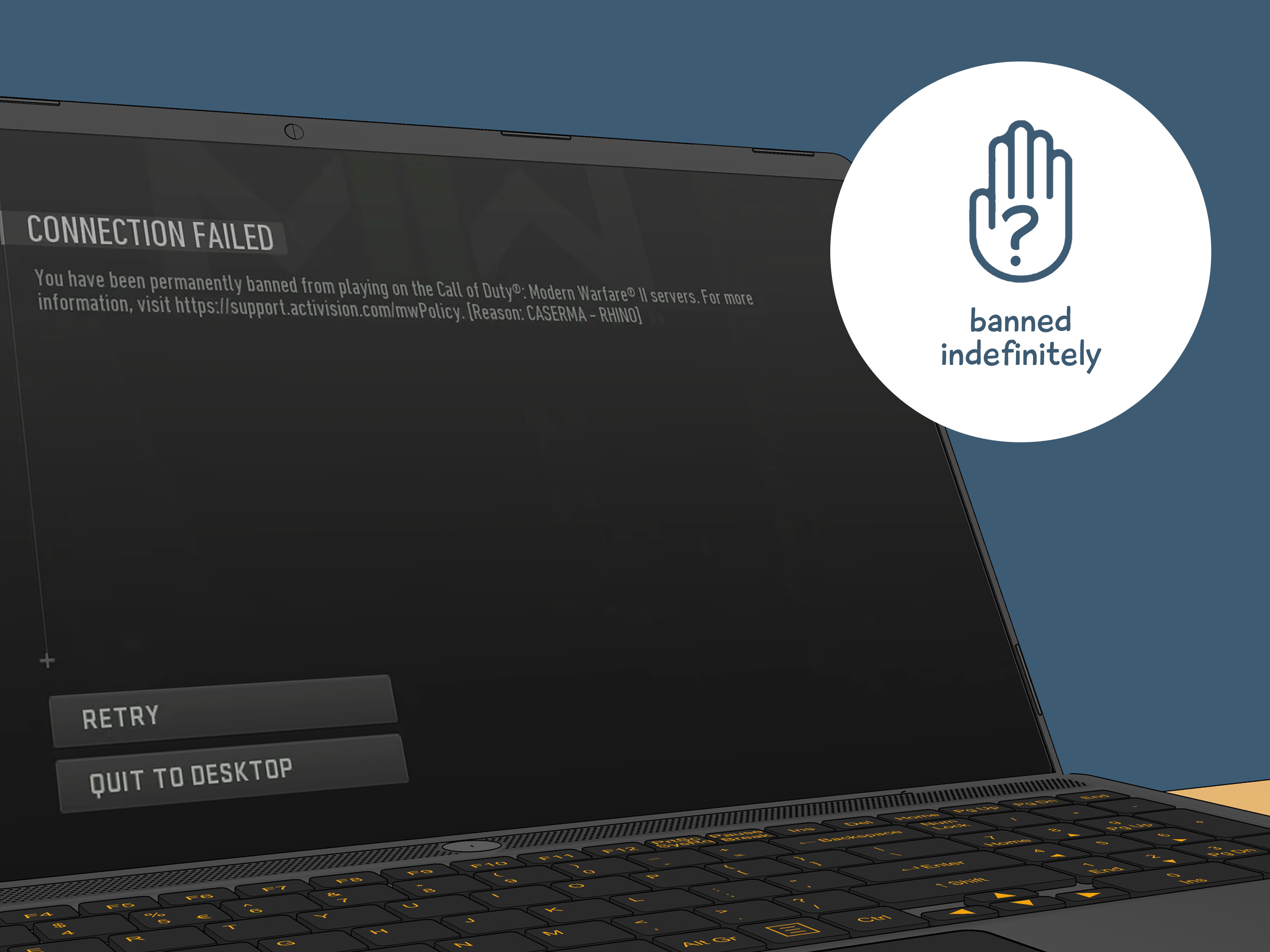
Getting banned from an Activision game can feel like being kicked out of the party right before the pizza arrives. One minute you are dropping into Call of Duty, grinding camo challenges, or trying to survive a sweaty lobby. The next minute, your account is restricted, permanently banned, temporarily suspended, or stuck in limited matchmaking. Not exactly the heroic ending you planned.
The good news is that Activision does provide a formal ban appeal process. The not-so-fun news is that not every penalty can be appealed, and not every appeal is successful. If you want the best chance of fixing a mistake, you need to understand how Activision enforcement works, what kinds of bans can be appealed, what to write in your appeal, and how to avoid future penalties.
This guide explains how to appeal a ban from Activision, what to do if your account was hacked, why limited matchmaking is different from a permanent ban, and the smart habits that help keep your account clean. No magic “unban trick,” no shady third-party services, no keyboard-smashing rage emails. Just practical, policy-based advice that gives you the strongest possible path forward.
What Is an Activision Ban?
An Activision ban is an enforcement action placed on an account after Activision’s security team determines that the account violated its rules, security policies, terms of use, or game-specific code of conduct. These penalties can affect games such as Call of Duty: Warzone, Modern Warfare, Black Ops, and other Activision titles connected to your Activision account.
Activision uses a mix of account reviews, player reports, security monitoring, anti-cheat detection, and systems such as RICOCHET Anti-Cheat to identify suspicious behavior. The goal is to protect fair play. In plain English: Activision does not want cheaters turning public matches into a circus with wallhacks, aimbots, boosting lobbies, or “my cousin installed it” excuses.
Common Types of Activision Penalties
Not all penalties are the same. Understanding the difference matters because it affects whether you can appeal.
- Permanent ban: A long-term or irreversible account penalty that may remove access to online play or specific game services.
- Temporary ban: A time-limited suspension that expires after a set period. Activision generally does not allow appeals for temporary bans.
- Limited matchmaking: Often called a “shadow ban” by players, this places an account into restricted matchmaking while it is reviewed. Activision states that accounts in limited matchmaking are not eligible for appeal.
- Communication enforcement: A mute, text-chat restriction, voice-chat restriction, or other penalty related to toxic communication.
- Stat reset or progression penalty: A penalty that may remove illegitimate progress, unlocks, rank, or rewards.
Can You Appeal an Activision Ban?
Yes, but only in specific situations. Activision’s official ban appeal process is mainly for account penalties that the player believes were applied in error. However, the company makes several important points clear: temporary bans cannot be appealed, limited matchmaking cannot be appealed, and permanent bans are usually only overturned if Activision determines that the violation happened because the account was compromised.
That last sentence is the part many players miss. Activision generally holds the account holder responsible for what happens on the account. If your friend, sibling, roommate, or mysterious “definitely not me” visitor used cheats on your account, Activision may still treat the account as responsible. That is why account security is not just a nice bonus. It is your digital seatbelt.
How to Appeal a Ban from Activision
If you believe your Activision account was banned unfairly, follow the official process carefully. A rushed, emotional appeal is less useful than a clear explanation with relevant details.
Step 1: Check Your Enforcement Status
Start by logging in to your Activision account and checking your ban or enforcement status through Activision’s official support area. This helps you confirm whether the penalty is permanent, temporary, or related to limited matchmaking. Do not rely only on rumors from social media or a random comment that says, “Bro, just wait three days.” Check the account status directly.
Step 2: Confirm Whether the Ban Is Appealable
If the account is permanently banned, you may be able to submit an appeal. If it is temporarily banned or in limited matchmaking, Activision generally does not allow an appeal. This is frustrating, but it is better to know before wasting time writing a 900-word courtroom drama titled The People v. My K/D Ratio.
Step 3: Secure Your Account Before Appealing
If there is any chance your account was hacked, secure it immediately. Change your Activision password, change passwords for linked platform accounts, review linked accounts, and enable two-factor authentication. If your account shows strange linked accounts, unknown logins, missing COD Points, or activity you do not recognize, mention that clearly in your appeal.
Step 4: Submit the Appeal Through Activision Support
Use Activision’s official ban appeal form. Do not send appeals through random emails, social media replies, Discord messages, or third-party “unban agents.” Activision says multiple submissions or appeals sent through other channels may not receive responses. One clear appeal through the proper form is better than ten angry messages scattered across the internet like confetti.
Step 5: Explain the Situation Clearly
Your appeal should be calm, specific, and honest. Include your Activision ID, platform, game title, approximate date you noticed the ban, and why you believe the enforcement was incorrect. If your account was compromised, explain what happened and what steps you took to secure it.
A strong appeal might say something like:
“I am appealing a permanent ban on my Activision account. I believe the account may have been compromised because I noticed an unfamiliar linked account and login activity I did not recognize. I have changed my password, secured my email, enabled two-factor authentication, and reviewed my linked accounts. I did not authorize any cheating software, boosting, or account sharing. Please review the account activity around the time of the enforcement.”
That is much better than:
“Unban me now. I did nothing. Your system is broken. My lawyer is a Prestige Master.”
Step 6: Wait for the Investigation Result
Activision does not usually provide detailed information about detection methods or internal security reviews. This is normal for anti-cheat systems because revealing too much detail would help cheat developers adapt. After the investigation is complete, Activision provides the status of the appeal.
What Not to Do After an Activision Ban
After a ban, emotions run hot. That is understandable. But certain reactions can make things worse.
- Do not spam appeals. Multiple submissions will not make the process faster and may be ignored.
- Do not buy “unban services.” Many are scams, and some may steal your account information.
- Do not create ban-evasion accounts. Trying to bypass enforcement may violate platform and publisher rules.
- Do not lie in your appeal. If your account history contradicts your claim, your appeal becomes weaker.
- Do not harass support staff. Angry messages do not improve your odds. They just make you look like a final boss in bad manners.
Why Activision Bans Players
Most Activision bans are related to behavior that damages fair play, account integrity, or community safety. The most obvious reason is cheating, but the list is broader than many players realize.
Cheating Software and Unauthorized Tools
Aimbots, wallhacks, radar hacks, triggerbots, scripts, unlock tools, modified clients, and unauthorized software can lead to severe penalties. Even software that claims to be “undetected” is risky. Cheat sellers are not known for their commitment to customer service, ethics, or reality.
Boosting and Reverse Boosting
Boosting means manipulating matches, accounts, or gameplay to gain unfair progress, rank, rewards, or stats. Reverse boosting means intentionally lowering performance or matchmaking status to get easier lobbies. Activision treats these behaviors as unfair manipulation, not clever strategy.
Teaming and Match Manipulation
Working with opponents in modes where you are supposed to compete, feeding kills, manipulating ranked matches, or exploiting lobbies can lead to enforcement. If the behavior damages competitive integrity, it is risky.
Offensive Communication
Voice chat and text chat are also monitored and reported. Hate speech, harassment, threats, slurs, and abusive communication can trigger restrictions or bans. Trash talk is part of gaming culture, but there is a difference between competitive banter and acting like a broken smoke alarm with a headset.
Account Sharing and Selling
Sharing, selling, buying, or trading accounts can create security and enforcement problems. If someone else uses your account and violates the rules, you may still be responsible. The safest policy is simple: do not share your login.
How to Avoid Activision Bans
The best ban appeal is the one you never need to write. Avoiding bans comes down to fair play, clean account habits, secure login practices, and common sense.
1. Never Install Cheats, Unlock Tools, or Mod Menus
This sounds obvious, but many bans begin with a player trusting a sketchy download. “Free camo unlocker,” “safe wallhack,” “private tool,” and “anti-ban included” are all bright red warning signs. If a tool changes gameplay, reveals hidden information, automates actions, manipulates unlocks, or interferes with the game client, stay away.
2. Be Careful With Background Software
Most normal software is not a problem, but players should avoid running suspicious injectors, macro tools, memory editors, debuggers, or programs designed to modify games. If you use legitimate overlays, recording tools, mouse software, or keyboard utilities, keep them updated and avoid questionable scripts.
3. Do Not Pay for Boosting
Paying someone to raise your rank, unlock rewards, complete challenges, or manipulate matches can put your account at risk. Even if the booster promises “safe service,” you are handing your account to someone whose business model is violating rules efficiently. That is not a security plan; that is a horror movie with a login screen.
4. Secure Your Activision Account
Use a unique password that you do not use anywhere else. Enable two-factor authentication. Keep your email account secure. Review linked Xbox, PlayStation, Battle.net, Steam, or other platform accounts. If you see anything unfamiliar, act quickly.
5. Keep Your Platform Accounts Clean
Your Activision account may connect to multiple platforms. A compromised platform account can create problems for the whole profile. Use strong passwords and two-factor authentication on every connected account, not just Activision.
6. Avoid Toxic Communication
You do not need to type a motivational quote after every death, but you should avoid harassment, discriminatory language, threats, and abusive voice chat. If you are tilted, mute your mic, take a break, drink water, and remember that yelling at strangers rarely improves recoil control.
7. Leave Suspicious Lobbies
If you land in a lobby that appears modded, manipulated, or filled with obvious cheating, leave. Do not stick around to farm weird XP, impossible unlocks, or suspicious rewards. “I just stayed for the loot” is not a strong defense if the activity looks illegitimate.
8. Report Cheaters Instead of Joining Them
When you encounter cheaters, use the in-game reporting tools. Do not team with them, follow them around, or ask where they bought their software. Reporting helps enforcement systems, while participating can put your account in the blast zone.
What If Your Activision Account Was Hacked?
If your account was hacked and then banned, you should treat the situation as both a security issue and an enforcement issue. Start by recovering access, changing your password, securing your email, enabling two-factor authentication, and reviewing linked accounts. Then submit the proper ban appeal and explain that the violation may have occurred during unauthorized access.
Be specific. Mention unfamiliar linked accounts, strange name changes, missing purchases, unknown match history, or emails about changes you did not make. The clearer your timeline, the easier it is for support to understand what happened.
Can Limited Matchmaking Be Appealed?
Activision says accounts in limited matchmaking are not eligible for appeal. Limited matchmaking usually means the account is under review. Players often call this a shadow ban, but the official term is more precise. During this period, matchmaking may feel slower, harder, or unusual.
The best response is to avoid suspicious software, keep your account secure, do not spam support, and wait for the review process. If the account is cleared, matchmaking should return to normal. If a permanent penalty follows, then the formal appeal route may become relevant.
How to Write a Better Activision Ban Appeal
A good appeal is not about sounding dramatic. It is about being useful. Support teams need information they can review, not emotional fireworks.
Include These Details
- Your Activision ID and platform
- The game affected
- The type of penalty shown
- The date you noticed the ban
- Whether your account may have been compromised
- Security steps you have taken
- A short, respectful explanation of why you believe the ban was incorrect
Keep the Tone Professional
Write like a person asking for a review, not like someone challenging the final boss of customer support. Avoid insults, threats, conspiracy theories, and giant walls of text. A clean appeal is easier to understand and more credible.
Real-World Experiences: Lessons Players Learn the Hard Way
Many Activision ban stories follow the same pattern: confusion first, panic second, internet research third, and then a painful realization that the rules are stricter than expected. Some players are genuinely surprised because they never installed an aimbot or wallhack. But enforcement can also involve boosting, suspicious account access, unauthorized unlock services, offensive communication, manipulated lobbies, or account sharing.
One common experience is the “I let someone else play” problem. A player lends an account to a friend who promises to grind a few levels. Later, the account is banned. The original owner insists they personally did nothing wrong, but Activision’s policy focuses on the account itself. If the violation happened on the account, the account can be penalized. The lesson is simple but brutal: your login is not a community bicycle.
Another common situation involves hacked accounts. A player stops playing for a few months, returns, and discovers unfamiliar linked accounts, strange classes, missing items, or a permanent ban. In that case, the best move is not to shout into social media. The better approach is to secure the account, gather details, and explain the unauthorized access clearly in the official appeal. The appeal should focus on facts: when you last had access, what changed, what linked accounts you did not recognize, and what security steps you took afterward.
Limited matchmaking also creates confusion. Players may think they are banned because matches take longer, lobbies feel strange, or they see repeated high-suspicion players. Since limited matchmaking is generally not appealable, the experience can feel like waiting outside the principal’s office without knowing what you did. The practical lesson is to stay calm, avoid suspicious tools, do not spam appeals, and wait for the review to finish.
Some players learn the hard way that “harmless” third-party tools are not always harmless. A macro that automates recoil control, a tool that unlocks cosmetics, or a service that manipulates lobbies can look like cheating to enforcement systems. Even if a seller says it is safe, that seller does not control Activision’s anti-cheat systems. If a tool gives an unfair advantage or modifies the game experience, it is not worth your account.
Communication penalties are another overlooked area. A player may avoid cheats completely but still get muted or restricted for abusive voice or text chat. Competitive games are intense, and everyone has had a bad match. But repeated insults, slurs, threats, and harassment can trigger reports and enforcement. The easiest fix is also the cheapest: mute, breathe, and do not turn a lost round into a permanent screenshot of poor judgment.
The biggest lesson from real player experiences is that prevention beats appeal. Keep your account locked down, do not share it, avoid boosting services, leave suspicious lobbies, use respectful communication, and never install tools that promise unfair advantages. If you do get banned and believe it was a mistake, use the official appeal process once, write clearly, and focus on verifiable facts.
Conclusion
Appealing an Activision ban is possible, but it is not a guaranteed reset button. Permanent bans may be reviewed through the official appeal system, while temporary bans and limited matchmaking are generally not eligible for appeal. The strongest appeal is calm, honest, specific, and supported by account-security details, especially if you believe your account was hacked.
To avoid bans, play clean, skip cheats and boosting, protect your login, enable two-factor authentication, avoid toxic communication, and never trust shady “unban” or unlock services. In the world of Activision enforcement, the safest strategy is boring in the best possible way: secure your account, follow the rules, and let your aimnot suspicious softwaredo the talking.
Note: This article is for informational publishing purposes and summarizes current Activision-related ban appeal and account safety practices. It does not guarantee that any specific appeal will be approved.












