
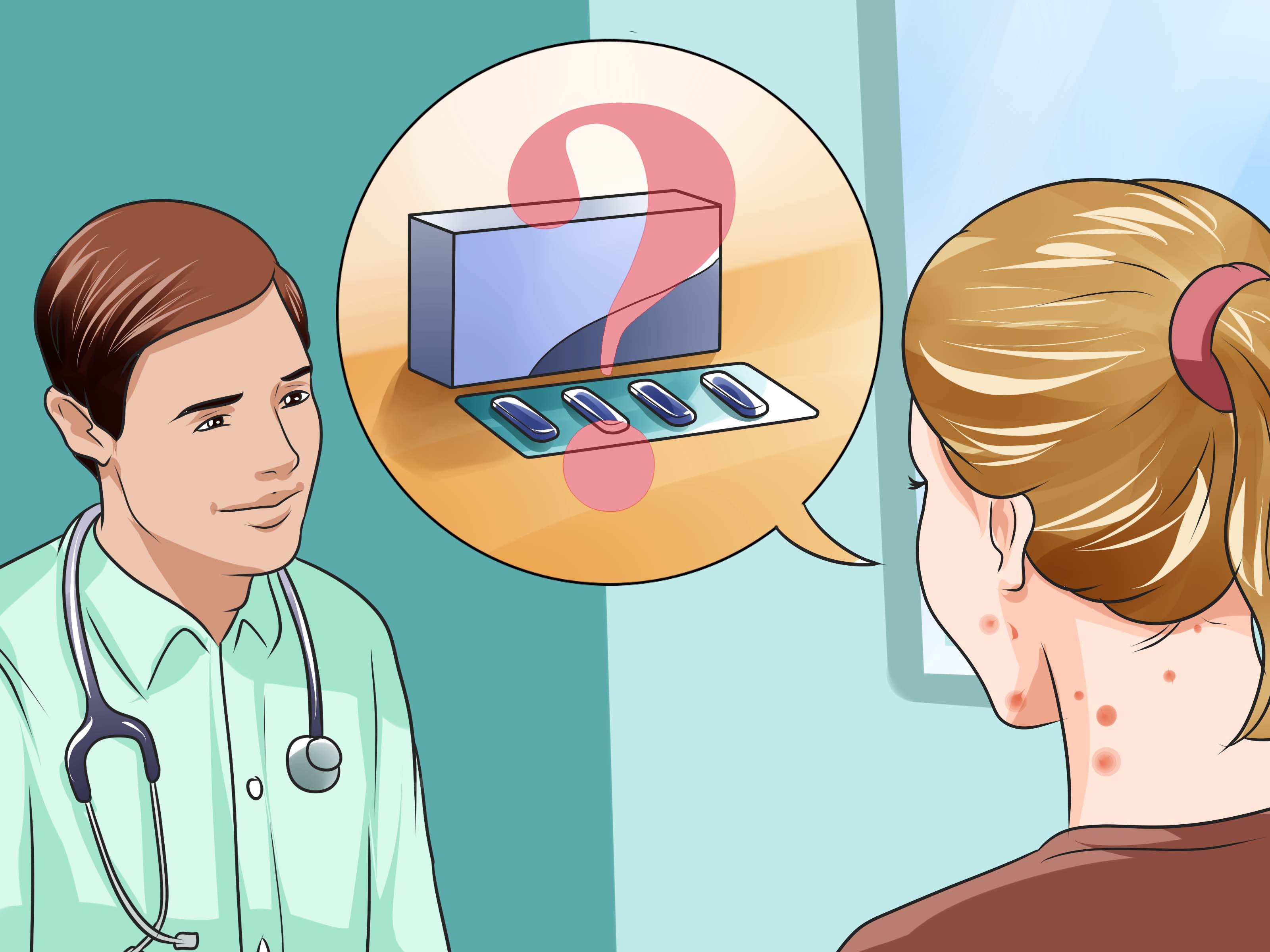
Chickenpox sounds almost cute, like a cartoon chicken wearing pajamas. In real life, though, chickenpox is no joke. Also called varicella, chickenpox is a highly contagious infection caused by the varicella-zoster virus. It often brings an itchy blister-like rash, fever, tiredness, and a strong desire to live inside a bathtub full of oatmeal. For many healthy children, it can be mild, but it can also cause serious complications, especially in babies, pregnant people, adults, and anyone with a weakened immune system.
The good news? Chickenpox is much more preventable today than it was decades ago. The varicella vaccine, smart exposure habits, good hygiene, and quick action after contact with an infected person can dramatically reduce the risk of getting sick or spreading it to others. This guide breaks down how to prevent chickenpox in six practical steps, using reliable U.S. health guidance and a people-friendly approach that does not require a medical dictionary, a lab coat, or a heroic amount of coffee.
What Is Chickenpox and Why Is It So Contagious?
Chickenpox spreads easily from person to person. The virus can travel through the air when an infected person coughs or sneezes, and it can also spread through direct contact with fluid from chickenpox blisters. One tricky part is timing: a person can spread chickenpox one to two days before the rash appears. In other words, chickenpox starts networking before anyone knows it has arrived.
People with chickenpox are usually contagious until all blisters have crusted over. In vaccinated people who develop milder “breakthrough chickenpox,” the rash may not form typical crusts, so they are generally considered contagious until no new spots appear for 24 hours. This is why prevention matters at home, in schools, in childcare settings, and anywhere people share close indoor space.
How to Prevent Chickenpox: 6 Steps
Step 1: Get the Chickenpox Vaccine on Schedule
The most effective way to prevent chickenpox is vaccination. In the United States, the chickenpox vaccine is commonly given as a two-dose series. Children usually receive the first dose at 12 to 15 months old and the second dose at 4 to 6 years old. People age 13 and older who have never had chickenpox and have never received the vaccine are generally advised to get two doses, typically at least 28 days apart.
The vaccine does two important jobs. First, it helps prevent chickenpox altogether. Second, if a vaccinated person still gets infected, the illness is usually milder, with fewer spots, lower fever, and a lower chance of severe complications. Think of the vaccine as a security guard at the front door. Sometimes a troublemaker still gets in, but it is far less likely to turn the house upside down.
Parents should keep a written or digital vaccine record, because schools, childcare centers, camps, and colleges may ask for proof of immunity. Adults should also check their records, especially if they work in healthcare, education, childcare, long-term care, or other settings where they may be around people at higher risk.
Step 2: Know Who Should Talk to a Doctor Before Vaccination
The chickenpox vaccine is safe and effective for most eligible people, but not everyone should receive it without medical guidance. Because it is a live attenuated vaccine, certain groups need special advice. People who are pregnant, severely immunocompromised, or allergic to a vaccine component should speak with a healthcare provider before vaccination. Anyone receiving treatments that affect the immune system should ask their doctor when or whether vaccination is appropriate.
This step is especially important for families planning a pregnancy, people receiving chemotherapy or immune-suppressing medications, transplant patients, and households with newborns or medically fragile family members. If someone cannot receive the vaccine, protection often depends on the people around them being immune. This is sometimes called community protection, but at home it simply means, “Let’s not invite the virus to dinner.”
If you are unsure whether you had chickenpox as a child, do not rely on family legends alone. “You had something itchy in 2009” is not exactly a medical record. A healthcare provider can review your history, check vaccine documentation, and decide whether a blood test or vaccination is needed.
Step 3: Avoid Close Contact With Anyone Who Has Chickenpox or Shingles
Chickenpox spreads most easily through close contact, so avoiding exposure is a major prevention strategy. If someone has chickenpox, they should stay home from school, daycare, work, sports, parties, and other public settings until they are no longer contagious. This usually means waiting until all blisters have crusted over, or, in vaccinated people with non-crusting spots, until no new lesions have appeared for 24 hours.
People who have shingles can also spread the varicella-zoster virus to someone who has never had chickenpox or the vaccine. The exposed person would develop chickenpox, not shingles. Shingles is generally less contagious than chickenpox, but the risk is real, especially if the rash is uncovered. Avoid touching shingles blisters, and keep rashes covered until they heal.
Extra caution is needed around newborns, pregnant people without evidence of immunity, and people with weakened immune systems. If someone in your household develops chickenpox, separate them from high-risk family members as much as possible. Give them their own towels, bedding, and personal items, and avoid sharing cups, utensils, and close face-to-face time. Yes, it may feel dramatic. No, the virus does not care about your family movie night.
Step 4: Act Quickly After Exposure
If you or your child has been exposed to chickenpox or shingles and you are not immune, contact a healthcare provider promptly. Timing matters. For eligible people, getting the chickenpox vaccine within three to five days after exposure may prevent illness or make it less severe. Even after five days, vaccination may still be recommended because it can protect against future exposure if the current contact does not lead to infection.
High-risk people who cannot receive the vaccine may need a different form of protection called varicella-zoster immune globulin, often known as VariZIG. This is typically considered for certain exposed people without evidence of immunity, including some immunocompromised patients, pregnant people, and specific newborn or premature infant situations. It should be given as soon as possible after exposure, so this is not the moment to wait and “see what happens” while the virus quietly makes plans.
After exposure, watch for symptoms for about three weeks. Chickenpox symptoms often appear around 10 to 21 days after contact, commonly around two weeks. Early signs may include fever, tiredness, headache, or loss of appetite before the rash appears. If symptoms develop, call ahead before visiting a clinic so the office can reduce the chance of exposing other patients.
Step 5: Use Everyday Hygiene to Reduce Spread
Good hygiene does not replace vaccination, but it does help reduce the spread of many infections, including chickenpox in shared spaces. Wash hands often with soap and water, especially after coughing, sneezing, touching the face, helping a sick child, or handling tissues and laundry. Alcohol-based hand sanitizer can help when soap and water are not available, though handwashing is best when hands are visibly dirty.
Clean frequently touched surfaces such as doorknobs, bathroom handles, faucet knobs, phones, remotes, light switches, and tablet screens. If a child is home sick, wash bedding, pajamas, and towels regularly. Keep fingernails short to reduce scratching and lower the risk of skin infection if chickenpox does occur.
Ventilation also helps. Open windows when practical, use fans safely, and avoid crowding people into small rooms when someone is ill. Respiratory viruses love stale indoor air the way teenagers love Wi-Fi. Fresh air will not magically erase risk, but it can help reduce the concentration of airborne germs indoors.
Step 6: Protect Schools, Daycare Centers, and Group Settings
Chickenpox prevention works best when families and communities cooperate. Schools and childcare centers should follow local health department rules for vaccination records, exclusion policies, and outbreak response. Parents should report confirmed or suspected chickenpox to the school nurse or daycare director, especially if the child attended while contagious.
During a chickenpox case or outbreak, unvaccinated children may be asked to stay home for a period of time depending on local health guidance. This can feel inconvenient, but it helps protect infants, pregnant staff members, immunocompromised students, and others who may face higher risks from infection.
Families can prepare by keeping vaccine records organized and having a backup plan for childcare if a child must stay home. Employers can help by allowing flexible sick leave when possible. A chickenpox prevention plan is not just a medical plan; it is also a calendar, transportation, and “who can watch the kids on Tuesday?” plan.
Who Is Most at Risk for Severe Chickenpox?
Chickenpox is often discussed as a childhood illness, but the risk is not the same for everyone. Babies too young to be vaccinated, adolescents, adults, pregnant people, and people with weakened immune systems are more likely to have severe disease or complications. Adults are at higher risk of pneumonia from chickenpox, while children may develop bacterial skin infections if blisters are scratched or become contaminated.
This is why prevention should not be treated as a casual checkbox. For a healthy child, chickenpox may mean a miserable week at home. For someone medically vulnerable, the same virus can be far more serious. Vaccination and exposure control protect more than the person receiving the shot; they help protect the entire circle of people around them.
Can You Get Chickenpox After Being Vaccinated?
Yes, but it is much less likely, and the illness is usually milder. This is called breakthrough chickenpox. A vaccinated person may have fewer blisters, mild or no fever, and a shorter illness. Sometimes the rash looks more like red spots than classic fluid-filled blisters, which can make it harder to recognize.
Because breakthrough chickenpox can still spread, a vaccinated person with suspicious symptoms should still stay home and contact a healthcare provider for advice. Do not assume that “mild” means “not contagious.” Chickenpox is very good at sneaking into calendars, classrooms, and family gatherings.
Common Chickenpox Prevention Mistakes
Mistake 1: Hosting or Attending “Chickenpox Parties”
Chickenpox parties are a bad idea. The goal of deliberately exposing children to chickenpox is to “get it over with,” but natural infection can be unpredictable. A child may develop complications, expose a vulnerable person, or spread the virus before anyone realizes what is happening. Vaccination is the safer and more controlled path to immunity.
Mistake 2: Assuming Natural Immunity Is Always Better
Natural infection can lead to immunity, but it comes with the cost of getting sick and risking complications. The vaccine is designed to train the immune system without causing full chickenpox disease. In other words, vaccination is like studying with flashcards; natural infection is like learning fire safety by setting the kitchen on fire.
Mistake 3: Forgetting the Second Dose
One dose gives protection, but two doses provide stronger and more reliable protection. Families often remember baby vaccines but lose track of the preschool or kindergarten booster. Add vaccine appointments to a calendar, ask for records at annual checkups, and review vaccine status before school registration or travel.
Mistake 4: Waiting Too Long After Exposure
If an unvaccinated or non-immune person is exposed, call a healthcare provider quickly. The best window for post-exposure vaccination is short, and high-risk people may need specialized protection. Waiting can reduce options.
Practical Home Checklist for Chickenpox Prevention
- Confirm that children have received both recommended varicella vaccine doses.
- Check adult immunity if there is no record of chickenpox disease or vaccination.
- Keep vaccine documentation in an easy-to-find place.
- Stay home when chickenpox is suspected or confirmed.
- Avoid contact between infected people and high-risk individuals.
- Call a healthcare provider quickly after exposure if immunity is uncertain.
- Wash hands often and clean shared surfaces during illness.
- Teach children not to scratch rashes and to cover coughs and sneezes.
Real-Life Experiences and Lessons About Preventing Chickenpox
One of the most useful lessons about chickenpox prevention is that families rarely think about it until someone at school sends home “the note.” You know the note: a polite message explaining that a child in class has chickenpox, followed by several paragraphs that make every parent suddenly remember they have a vaccine card somewhere. Maybe in a drawer. Maybe in a folder. Maybe in the same mysterious place where single socks go to retire.
A practical family experience often starts with record-checking. Parents may assume their child is fully vaccinated because they remember the first shot at the toddler visit. But the second dose, usually given around age 4 to 6, is just as important. Many families discover during school registration, summer camp forms, or an exposure notice that a booster was missed. The fix is usually simple: call the pediatrician, review the immunization record, and schedule the missing dose if recommended. Prevention becomes much easier when records are organized before there is an outbreak.
Another common experience is dealing with mixed-age households. A school-age child may be vaccinated, but there may also be a baby sibling who is too young for the vaccine, a pregnant relative, or a grandparent taking immune-suppressing medicine. In these homes, prevention is not just about one child; it is about the whole household. Families often create a “sick room” plan, keep separate towels, improve ventilation, and make sure high-risk relatives avoid close contact with anyone who may be contagious.
Teachers and childcare workers also learn quickly that chickenpox prevention depends on communication. A child with a mild rash may look well enough to attend class, but if chickenpox is possible, that child should be evaluated and kept away from others until cleared. This is not about panic; it is about protecting classmates, staff, and families. A short phone call can prevent a long outbreak.
Adults sometimes have their own surprise moment. Someone may say, “I never had chickenpox as a kid,” and then realize they work in a hospital, school, daycare, or busy office. Adults without evidence of immunity should ask a healthcare provider about vaccination. Chickenpox in adults can be more severe than in children, so checking immunity is not overthinking. It is basic adulting, like paying bills, changing air filters, and pretending to understand health insurance paperwork.
The best experience-based advice is simple: do not wait for chickenpox to appear before building your prevention plan. Keep vaccine records current, know who in the household is high-risk, teach kids hygiene habits, and act quickly after exposure. Chickenpox prevention is not glamorous, but neither is spending a week managing itchy spots, missed school, missed work, and a laundry mountain that looks personally offended. A little planning goes a long way.
Conclusion: Chickenpox Prevention Is a Team Sport
Preventing chickenpox starts with the varicella vaccine, but it does not end there. The best protection combines vaccination, fast action after exposure, careful isolation during illness, everyday hygiene, and smart communication with schools, childcare centers, workplaces, and healthcare providers.
Chickenpox may be common in memory, but it should not be treated as harmless. The infection can spread before the rash appears, move quickly through households, and cause serious complications in vulnerable people. Fortunately, modern prevention tools make a big difference. Stay current on vaccines, check immunity when needed, avoid exposure when possible, and call a healthcare provider promptly if chickenpox enters your orbit. The virus may be contagious, but good prevention habits can be even more powerful.
Note: This article is for general educational purposes and should not replace medical advice. For personal vaccine decisions, exposure concerns, pregnancy-related questions, or immune system conditions, consult a licensed healthcare provider.












