
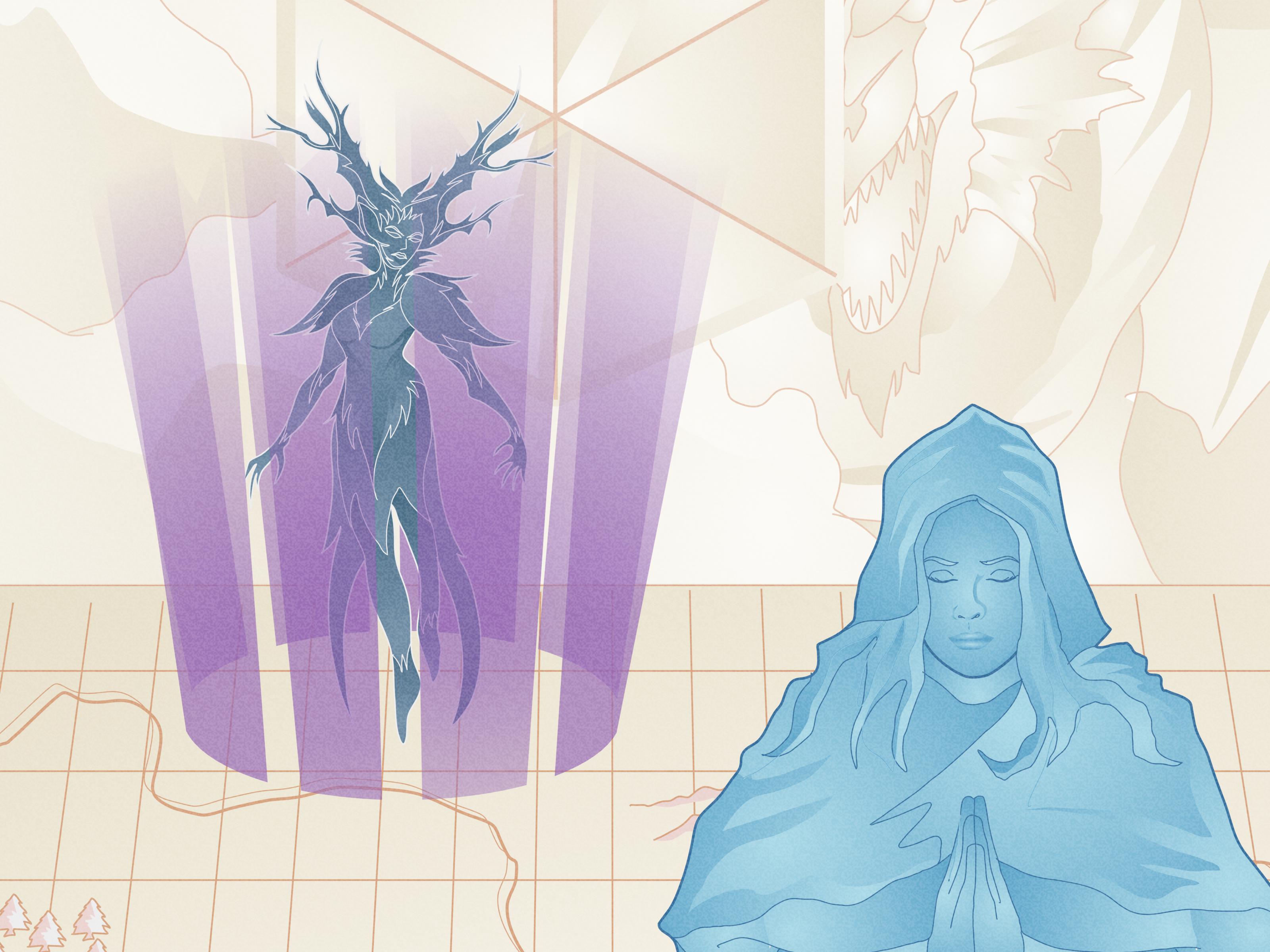
Few words make a Dungeons & Dragons battle map feel more tactical than “I move around behind it.” Suddenly, the fighter is grinning, the rogue is sharpening a dagger with suspicious enthusiasm, and the Dungeon Master is quietly wondering whether the goblin has enough hit points to survive the next six seconds. That, in a nutshell, is the appeal of flanking in D&D 5e: it rewards smart positioning and makes combat feel more like a team sport than a line of characters politely taking turns hitting a monster.
But flanking is also one of the most debated optional rules in 5th Edition. Some tables love it because it makes melee combat dynamic. Others avoid it because it can make advantage too easy to get, reducing the impact of class features, spells, and clever tactics. The truth sits somewhere in the middle, wearing a cloak and holding a ten-foot pole.
This guide explains how flanking works in D&D 5e, when to use it, why it matters, and how players and DMs can keep it fun without turning every fight into a conga line of doom.
What Is Flanking in D&D 5e?
Flanking is an optional combat rule used when two allies position themselves on opposite sides of an enemy. In the classic 5e version, when a creature and at least one ally are on opposite sides of a target, they may gain advantage on melee attack rolls against that target.
The key word is optional. Flanking is not a default rule every 5e table automatically uses. It appears as a tactical option for groups that play with miniatures, tokens, grids, or virtual tabletops. If your group plays mostly theater of the mind, flanking can still be used, but it requires more DM judgment because there is no exact map to show who is standing where.
How Flanking Works on a Grid
On a square grid, flanking usually happens when two allies are on directly opposite sides or opposite corners of the same enemy. Imagine an orc standing in the center square. If the fighter is directly north of the orc and the rogue is directly south, the orc is flanked. If the paladin is northeast and the barbarian is southwest, that can also count because they are on opposite sides diagonally.
For larger creatures, such as ogres, trolls, or dragons, the idea is the same: the attackers need to threaten the enemy from opposite sides of its space. The larger the creature, the more important positioning becomes. A huge monster might occupy a large area, so two characters standing vaguely “near it” may not be enough. They need to create real pressure from different directions.
Basic Flanking Requirements
Most tables use these requirements:
- The attackers must be allies or at least working together.
- Both attackers must be adjacent to the target or within melee reach.
- The attackers must be on opposite sides or opposite corners of the target.
- The target must be a creature, not an object.
- The attack usually must be a melee attack.
- The DM must allow the optional flanking rule in the campaign.
That last point is the one players forget most often. You cannot simply announce, “I flank, therefore I am awesome,” unless the DM has approved flanking for the table. D&D is cooperative storytelling, not a hostile rules negotiation with snacks.
What Benefit Does Flanking Give?
The common 5e flanking benefit is advantage on melee attack rolls against the flanked creature. Advantage means you roll two d20s and use the higher result. This is powerful because it greatly improves your chance to hit and increases your chance of rolling a natural 20.
For example, suppose a fighter needs to roll a 12 or higher to hit an armored hobgoblin. With a normal attack, the fighter has a 45% chance to hit. With advantage, the chance jumps significantly because the fighter gets two chances to roll well. That can make flanking feel amazing for players, especially when melee characters are trying to keep up with flashy spellcasters.
However, advantage does not stack. If you already have advantage from another source, flanking does not give “double advantage.” You still roll two d20s, not three, not four, and definitely not a suspicious handful of dice while saying, “Trust me, I read this online.”
Flanking and Disadvantage
Flanking becomes more interesting when disadvantage enters the scene. In 5e, advantage and disadvantage cancel each other out. If you are flanking an enemy but something gives you disadvantage, the roll becomes normal.
For example, a rogue and fighter flank a monster in magical darkness, but the rogue cannot see the target. The rogue may have advantage from flanking, but disadvantage from attacking an unseen target. Those cancel, so the rogue rolls normally unless another rule changes the situation.
This matters for ranged attacks too. A character making a ranged attack while an enemy is within 5 feet often has disadvantage. Flanking usually helps melee attackers, not archers standing in someone’s personal space trying to aim a longbow like it is a pool cue.
Why Players Use Flanking
Players enjoy flanking because it gives immediate rewards for battlefield movement. Instead of standing still and trading attacks, characters are encouraged to move, coordinate, and think about angles. This can make martial characters feel more tactical and give the party a reason to communicate.
1. It Helps Melee Characters Shine
Fighters, paladins, barbarians, monks, melee rangers, and rogues all benefit from better attack rolls. Flanking gives them a reason to engage directly and work together. A fighter can pin down a monster while the rogue slips behind it. A barbarian can pressure one side while the paladin threatens the other with a smite-ready grin.
2. It Encourages Teamwork
Good flanking requires coordination. One character must create the opening, and another must move into position. That simple tactical puzzle can make combat more exciting because players start planning together instead of acting like five separate solo heroes who happen to share a snack bowl.
3. It Makes Movement Matter
Without flanking, some players stop caring about exact positioning unless they are avoiding area spells or opportunity attacks. With flanking, every square can matter. Moving around a monster may create advantage, but it might also expose the character to danger. That risk-reward decision is where D&D combat becomes deliciously crunchy.
Important Flanking Tips for Players
Use Flanking to Help the Right Attacker
Not every character benefits equally from advantage. A rogue may value advantage because it can help trigger Sneak Attack when other conditions are not available. A paladin may love advantage because it increases the chance to land a big smite. A great weapon fighter may use it to offset penalties from certain high-damage attack options. Before you move, ask: who gains the most from this setup?
Do Not Chase Flanking Blindly
Flanking is useful, but it is not worth dying for. If moving into a flank means standing next to three enemies, leaving the healer unreachable, or stepping into obvious dragon-breath geometry, maybe do not do that. Advantage is nice. Being conscious is nicer.
Watch for Opportunity Attacks
Moving around an enemy can be dangerous if you leave its reach. In many cases, you can circle around a creature while staying within reach, but terrain, other creatures, and tight spaces can make that difficult. Use the Disengage action when needed, or coordinate with allies who can push, shove, restrain, or distract enemies.
Combine Flanking with Control
Flanking becomes stronger when paired with battlefield control. A grappled enemy has reduced movement options. A prone enemy is easier for nearby melee attackers to hit. A restrained enemy is in serious trouble. When the party controls where a monster can move, flanking becomes easier to maintain.
Important Flanking Tips for Dungeon Masters
Decide Before the Campaign Starts
The best time to decide whether flanking exists is before the first goblin regrets its career choices. Tell players clearly whether you use flanking, how it works, and whether you use the standard advantage version or a house rule. Clear expectations prevent mid-combat debates that drain energy faster than a wight at an all-you-can-eat soul buffet.
Remember That Monsters Can Flank Too
If players can flank, enemies can flank. Wolves, goblins, bandits, kobolds, and trained soldiers should absolutely use positioning when it makes sense. This keeps the rule fair and reminds players that tactical rules are not party-exclusive coupons.
Avoid Making Every Fight a Flanking Puzzle
If every encounter happens in a flat empty room, flanking becomes repetitive. Add terrain, furniture, narrow bridges, rubble, elevation, pillars, hazards, and objectives. A monster standing beside a lava crack is suddenly much harder to flank safely. A hallway full of skeletons limits movement. A ritual circle that must be interrupted forces players to choose between positioning and goals.
Consider a +2 Flanking Bonus Instead
Many DMs replace advantage with a smaller bonus, commonly +2 to melee attack rolls. This keeps flanking useful without making it stronger than major class features or spells. It also prevents advantage from becoming so common that abilities like Reckless Attack, Faerie Fire, Guiding Bolt, or the Help action feel less special.
Pros and Cons of Flanking in D&D 5e
Pros
Flanking makes positioning meaningful, rewards teamwork, and gives melee characters a practical tactical goal. It also makes combat feel more cinematic. Two heroes surrounding a monster is easy to imagine, easy to explain, and satisfying when it works.
Cons
The downside is that flanking can make advantage too easy to gain. If every melee character gets advantage every round, other advantage-granting features lose value. It can also create strange movement patterns where characters constantly run around enemies in a way that feels more like square dancing than deadly combat.
Flanking can also make encounters swingier. Players hit more often, monsters hit more often, and battles can become deadlier on both sides. That is exciting for some groups and frustrating for others.
Common Flanking Mistakes
Mistake 1: Thinking Flanking Is Automatic in 5e
It is not automatic. Always ask whether the table uses it.
Mistake 2: Letting Ranged Characters Flank Normally
Flanking is generally a melee positioning rule. A wizard standing behind an ogre with a crossbow should not automatically gain the same benefit as a fighter risking life and armor polish in melee.
Mistake 3: Forgetting Creature Size
Large and huge creatures occupy more space, so the exact opposite-side requirement matters. “Somewhere near the dragon’s ankle” is not always enough.
Mistake 4: Ignoring Enemy Intelligence
A mindless ooze may not react intelligently to being flanked. A veteran knight absolutely will. Smart enemies reposition, shove, retreat, call reinforcements, or punish isolated attackers.
Example: Flanking in Action
Imagine a party fighting a bugbear in a ruined watchtower. The fighter engages it from the front. On the rogue’s turn, she moves around a broken pillar and reaches the bugbear’s opposite side without leaving its reach. The DM confirms the party uses flanking. The rogue attacks with advantage and lands Sneak Attack damage. Great moment.
Next round, two goblins rush in and flank the fighter. Suddenly, the same rule benefits the monsters. The cleric must decide whether to heal the fighter, shove a goblin away, or cast a control spell. Now the fight is no longer just about damage. It is about space, risk, and teamwork. That is flanking at its best.
Should Your Table Use Flanking?
Use flanking if your group enjoys maps, miniatures, tactical movement, and slightly faster, more dangerous melee combat. Avoid it if your table prefers theater of the mind, simpler rules, or careful preservation of advantage as a special reward.
A good compromise is to test flanking for three sessions. Tell players it is experimental. Afterward, ask whether combat became more fun, faster, slower, easier, or more chaotic. If everyone enjoyed it, keep it. If it made every fight feel the same, adjust it or remove it.
of Table Experience: What Flanking Feels Like in Real Play
In actual D&D 5e sessions, flanking often changes player behavior immediately. The moment players know they can gain advantage through positioning, they begin looking at the battle map like tiny fantasy chess masters. The fighter stops asking only, “Can I hit it?” and starts asking, “Can I stand here so the rogue gets a better shot?” That is a good sign. It means the rule is creating teamwork.
The best flanking moments usually happen when there is a cost. For example, a monk can reach the far side of a troll, but doing so means spending ki, risking an opportunity attack, or moving away from the wizard who is currently shaped like a very fragile problem. When the choice matters, flanking feels heroic. When it is free every round, it becomes routine.
One common experience is that flanking makes rogues very happy, but not always for the reason people think. Rogues do not always need advantage to use Sneak Attack; having an ally near the target can be enough under normal Sneak Attack conditions. However, advantage still helps rogues land the hit, and missing with Sneak Attack feels like ordering a dragon steak and receiving a napkin. Flanking makes those big rogue turns more reliable.
Paladins also benefit heavily. A paladin with advantage is more likely to hit, more likely to crit, and more likely to turn a spell slot into a dramatic burst of radiant damage. This can be thrilling, but DMs should watch encounter balance. If a paladin and rogue are always flanking the boss, that boss may disappear faster than the DM’s carefully prepared villain monologue.
From the DM side, flanking works best when monsters respond naturally. Wolves should surround prey. Goblins should gang up when they have numbers. A disciplined guard captain should order soldiers to protect each other’s backs. A zombie, on the other hand, may simply lurch toward the closest living snack. Different enemy behaviors keep flanking from feeling mechanical.
Terrain is the secret ingredient. In an empty room, flanking can become predictable. In a cluttered tavern, narrow crypt, sinking ship, mushroom forest, or collapsing bridge, flanking becomes a real tactical decision. Players may want advantage, but they must decide whether it is worth climbing over tables, squeezing through allies, or standing next to the suspicious glowing rune labeled “definitely not safe.”
The most successful house rule many tables try is the +2 bonus instead of advantage. It rewards positioning without overwhelming the system. Players still care about flanking, but they also still care about spells, class abilities, the Help action, and conditions like prone or restrained. This version feels especially good for groups that want tactical depth without making advantage rain from the sky like confetti at a bard college graduation.
Ultimately, flanking is not good or bad by itself. It is a flavor dial. Turn it up if your table loves tactical combat. Turn it down if combat becomes too easy or repetitive. The goal is not to obey the grid like it is a sacred tablet. The goal is to create exciting battles where choices matter, teamwork shines, and every player gets a chance to say, “Wait, if I move here, do we have them surrounded?”
Conclusion
Flanking in D&D 5e is a simple optional rule with a big impact. It can make combat more tactical, reward teamwork, and give melee characters exciting ways to influence the battlefield. At the same time, it can make advantage too common if used without care. The best approach is to decide clearly, apply the rule fairly to both players and monsters, and adjust it if it starts flattening combat strategy.
For players, flanking is a tool, not a life philosophy. Use it when it helps the team, but do not chase advantage into obvious disaster. For DMs, flanking is a dial you can tune. Use standard advantage for heroic, fast-moving battles, or try a +2 bonus for a more balanced tactical feel. Either way, the magic of flanking is not just the math. It is the moment when two heroes lock eyes across a monster and silently agree: this poor creature is about to have a very bad round.













