
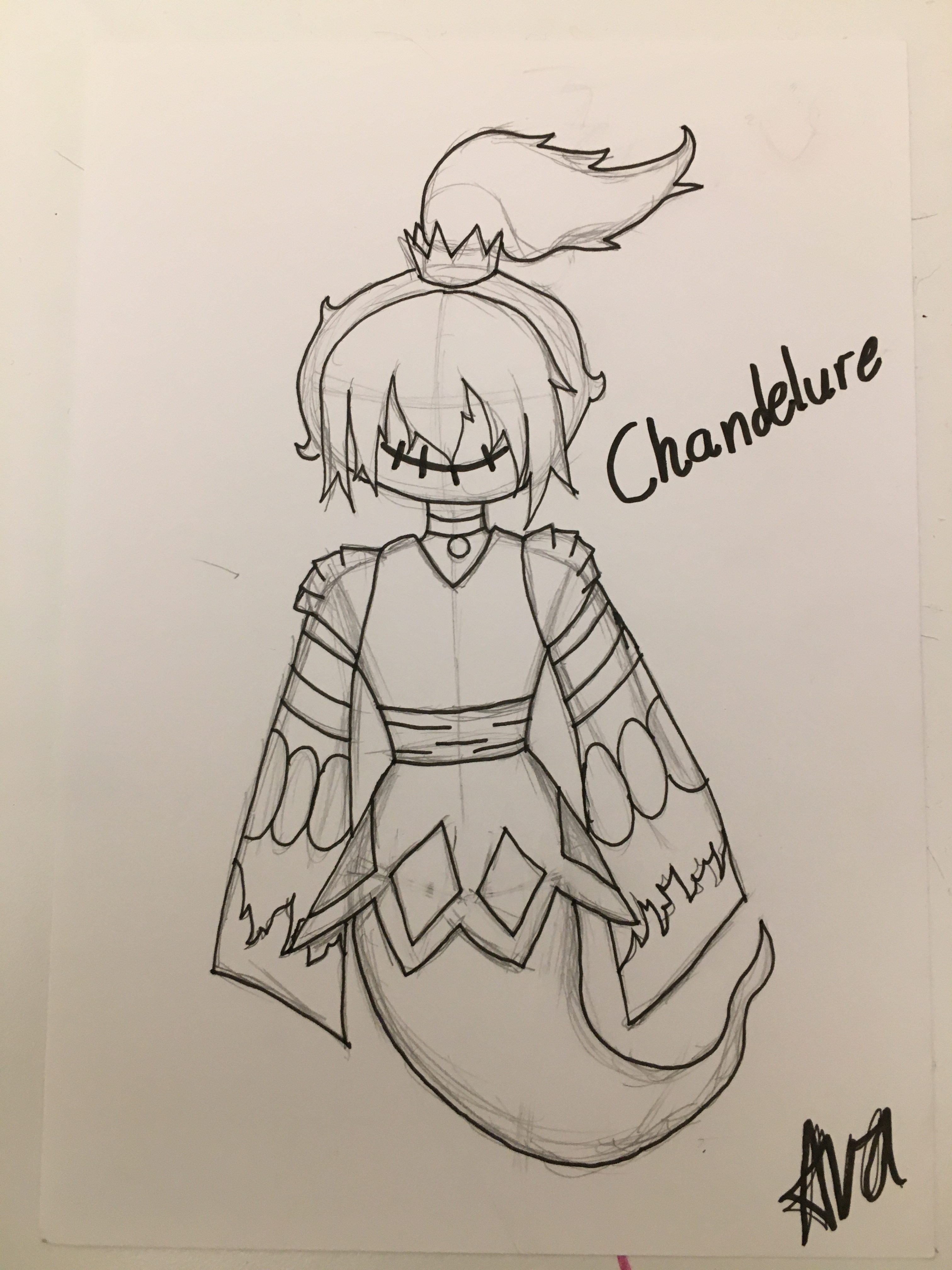
Some internet prompts are simple. Some are brilliant. And some quietly open a portal where Pikachu becomes a caffeine-powered college student, Snorlax turns into the world’s chillest sleep coach, and Gengar appears as that mischievous friend who “accidentally” starts drama in the group chat. “Hey Pandas Draw A Pokémon As A Human!” belongs proudly in that third category.
The idea is charming because it takes something millions of fans already lovePokémonand asks artists to translate it into a new visual language. Not as a costume. Not as a mascot suit. Not as a human wearing ears and calling it a day. The real challenge is deeper: What would this Pokémon’s personality, type, color palette, powers, and attitude look like if it walked into a coffee shop as a person?
That creative exercise is often called gijinka, a Japanese term commonly used in fan-art communities to describe humanized versions of non-human characters, creatures, objects, or ideas. In the Pokémon fandom, gijinka art has become a playground for character design, fashion illustration, storytelling, and pure chaos. Good chaos. The kind with colored pencils, digital brushes, dramatic capes, and at least one Eevee evolution looking like it has a better skincare routine than the rest of us.
Why Drawing Pokémon As Humans Is So Addictive
Pokémon already has the perfect ingredients for human redesigns. Each creature comes with a distinctive silhouette, elemental type, color scheme, behavior, abilities, and emotional vibe. That gives artists a rich starting point without boxing them in. Bulbasaur might become a calm gardener with a leaf-patterned jacket. Charizard could become a competitive biker with flame-orange hair and a leather coat that screams “I own three guitars and one emotional wall.” Jigglypuff? Obviously a pop singer who carries a glitter microphone and absolutely will draw on your face if you fall asleep during the chorus.
The fun comes from translation. Artists are not simply copying a Pokémon; they are interpreting it. A good humanized Pokémon design asks questions: Is this character elegant or goofy? Are they shy, loud, chaotic, noble, spooky, dramatic, or suspiciously fond of snacks? Would they wear armor, streetwear, cottagecore, gym clothes, formal robes, cyberpunk boots, or pajamas at 2 p.m.? The answer depends on the Pokémonand on the artist’s imagination.
What Makes A Great Humanized Pokémon Design?
A strong Pokémon-as-a-human illustration usually balances three elements: recognition, creativity, and personality. If the audience cannot tell which Pokémon inspired the design, the concept may feel too disconnected. But if the artist only copies the original shape onto a human body, the result can feel flat. The magic is in the middle.
1. Keep The Visual Clues
Color is the easiest clue. Pikachu’s yellow, black, and red details are instantly recognizable. Squirtle’s blue skin tone, shell shape, and water theme can become a blue hoodie, round backpack, goggles, or sporty swimwear. Gengar’s purple palette and wide grin can translate into a mischievous hoodie, shadowy makeup, sharp accessories, or a grin that says, “I know where the cookies went, but you cannot prove it.”
Shapes matter too. Pokémon designs often rely on iconic silhouettes: ears, tails, wings, horns, shells, claws, leaves, flames, clouds, fins, or tails. Humanized versions can keep these through hair shapes, hats, capes, jewelry, shoes, jackets, props, or posture. A Vaporeon gijinka might have flowing hair, translucent fabrics, pearl accents, and wave-like sleeves. A Lucario design could emphasize martial-arts clothing, sharp blue-and-black contrast, and a confident fighting stance.
2. Translate Type Into Style
Pokémon types are gold mines for character design. Fire types often inspire bold colors, dynamic poses, warm lighting, leather jackets, performance outfits, or rebellious energy. Water types can become swimmers, sailors, marine biologists, surfers, or quiet artists with ocean-toned clothing. Grass types naturally lean into gardeners, herbalists, forest rangers, cottagecore outfits, floral embroidery, or earthy textures.
Ghost types give artists permission to have a deliciously spooky time. Think layered black clothing, eerie smiles, smoky edges, Victorian details, glowing eyes, haunted accessories, or the facial expression of someone who has definitely hidden behind a door to scare a sibling. Electric types can become energetic athletes, DJs, techwear characters, bright street-fashion icons, or people who own too many charging cables and still borrow yours.
3. Make Personality The Star
The best humanized Pokémon designs are not only visually accurate; they feel alive. Snorlax as a human should not simply be large or sleepy. Maybe they are a relaxed bakery owner who naps between batches of cinnamon rolls. Psyduck could be an overworked intern holding three coffees and one headache. Meowth might become a flashy street magician who has never once paid full price for anything. Mimikyu could be a shy cosplayer who wants love but hides behind a handmade costume.
That personality layer is what makes people comment, share, and say, “Wait, this is perfect.” It turns fan art into character storytelling.
Examples: How Popular Pokémon Could Become Humans
Let’s imagine a few human redesigns, because this is the part where everyone silently starts ranking their favorite Pokémon and preparing a defense like they are in court.
Pikachu As A Human
Pikachu would likely be bright, energetic, friendly, and slightly dangerous around electronics. A human Pikachu could wear a yellow bomber jacket, black-striped joggers, red cheek makeup, and lightning-bolt earrings. The character might be a street dancer, delivery cyclist, esports streamer, or cheerful team captain. The key is movement: Pikachu should look like they are one energy drink away from challenging gravity.
Charizard As A Human
Charizard as a human almost designs itself: fiery hair, confident posture, dramatic coat, and the energy of someone who enters a room with their own theme music. A strong version might be a stunt performer, rock vocalist, competitive athlete, or motorcycle mechanic. The wings could become a long cape or jacket panels. The tail flame could become a glowing belt charm, hair streak, or torch-like prop.
Eevee As A Human
Eevee’s human form should reflect adaptability. This character could be a young artist, student, traveler, or stylist experimenting with different aesthetics. Their outfit might include soft brown layers, fluffy collar details, and accessories hinting at possible evolutionsblue beads for Vaporeon, a yellow pin for Jolteon, a red scarf for Flareon, and so on. Eevee as a person would absolutely have a closet full of “new me” outfits.
Gengar As A Human
Gengar would be the human equivalent of a prank played at midnight. Purple hair, shadowy streetwear, sharp grin, oversized hoodie, and maybe fingerless gloves would fit perfectly. Their job? Haunted-house actor, underground comedian, illusionist, or that friend who texts “come outside” with no explanation. The design should feel playful, spooky, and just a little suspicious.
Bulbasaur As A Human
Bulbasaur deserves a gentle design. Imagine a plant-loving kid with a green backpack shaped like a seed bulb, leaf-patterned overalls, gardening gloves, and a peaceful smile. Human Bulbasaur could be a young botanist, community garden volunteer, forest apprentice, or herbal tea enthusiast. The vibe is wholesome enough to heal your emotional damage and maybe water your houseplants.
Why Bored Panda-Style Art Prompts Work So Well
Community prompts like “Hey Pandas Draw A Pokémon As A Human!” work because they lower the barrier to creativity. Nobody needs to create an entire fantasy universe from scratch. The prompt gives a familiar starting point, but every artist still gets to make personal choices. One person may draw a realistic Blastoise as a retired naval captain. Another may draw Blastoise as a gym teacher with water cannons built into a backpack. Both are correct. Both are art. One may also be ready to supervise a middle-school dodgeball tournament.
These prompts also invite comparison in the best way. Seeing how different artists interpret the same Pokémon is like watching a creative remix battle. One artist may focus on fashion. Another may focus on anatomy. Another may lean into humor, horror, elegance, or anime-inspired drama. That variety keeps the idea fresh even when the subject is familiar.
Tips For Drawing Your Own Pokémon As A Human
If you want to join the fun, start with a Pokémon you genuinely like. Passion shows. If you pick a creature only because it is popular, the design may feel stiff. Choose one that makes your brain light up. Maybe it is your childhood favorite. Maybe it carried your team through a tough battle. Maybe it just looks like it would steal fries from your plate. Inspiration is inspiration.
Step 1: Study The Pokémon
Look at its colors, body shape, type, Pokédex-style personality, moves, habitat, and overall mood. Is it fast? Lazy? Elegant? Aggressive? Friendly? Mysterious? Tiny but full of unreasonable confidence? Write down five traits before drawing. Those traits will guide the human version.
Step 2: Choose A Human Role
Give the character a role. This makes design easier. A Machamp gijinka might be a wrestler, personal trainer, construction worker, or bodyguard. A Lapras gijinka might be a ferry captain, singer, ocean guide, or gentle teacher. A Rotom gijinka could be a tech repair genius who lives on instant noodles and has opinions about every appliance in the house.
Step 3: Build The Outfit Around The Concept
Fashion communicates character quickly. Use clothing shapes to echo the Pokémon’s body. A shell can become a backpack. Wings can become a cape. Fur can become a collar. Spikes can become studs. Flames can become gradients. Fins can become flowing fabric. The goal is not to attach Pokémon parts randomly; it is to make the human design feel intentional.
Step 4: Add One Clever Detail
One smart detail can make a design memorable. A human Psyduck carrying migraine medicine. A human Magikarp wearing floaties but secretly training hard. A human Ditto with a wardrobe full of other people’s outfits. A human Slowpoke holding a phone upside down. These small jokes or story clues make the artwork feel personal.
Fan Art, Respect, And Creative Credit
Fan art lives in a passionate but delicate space. Pokémon is an owned intellectual property, and artists should be thoughtful when sharing work inspired by it. That means crediting the franchise properly, avoiding false claims of official status, respecting other artists’ designs, and being careful about commercial use. Drawing for fun, practice, portfolio growth, or community sharing is a beloved part of fandom culture, but copying another artist’s humanized design and reposting it without credit is not “inspiration.” That is just theft wearing a fake mustache.
A good rule is simple: create your own interpretation, mention that it is fan art, credit influences when appropriate, and do not pretend the work is official Pokémon material. Respect keeps fan communities healthy. It also keeps comment sections from turning into courtroom dramas with profile pictures.
Why Humanized Pokémon Art Keeps Coming Back
Humanized Pokémon art has staying power because it combines nostalgia with reinvention. Fans already know the characters, but gijinka gives them a new emotional angle. It lets artists ask, “What if this creature had a job, a wardrobe, a bad habit, a favorite drink, and a reason to be late?” Suddenly, a familiar Pokémon becomes a character who could exist in a comic, animation, fashion spread, or role-playing story.
It also gives beginner artists a structured way to practice. Instead of staring at a blank page and wondering what to draw, they can use an existing creature as a design prompt. They practice color theory, shape language, costume design, posing, facial expressions, and storytellingall while drawing something fun. That is a pretty good deal. Cheaper than art school, though unfortunately it does not come with fewer eraser crumbs.
Experience Section: What It Feels Like To Draw A Pokémon As A Human
Drawing a Pokémon as a human is one of those creative experiences that looks easy until you actually sit down and try it. At first, you think, “I’ll just give Charmander orange hair and a hoodie.” Five minutes later, you are asking serious artistic questions like, “Would Charmander wear sneakers or boots?” and “Is the tail flame a scarf, a hair accessory, or a tiny emotional support campfire?” This is how the prompt gets you. It starts cute. Then suddenly you are building a full character biography for a lizard with a flame tail.
The first enjoyable part is choosing the Pokémon. This step can become wonderfully chaotic. Some artists choose iconic favorites like Pikachu, Charizard, or Eevee because everyone recognizes them. Others pick underappreciated Pokémon because they want to give them a glow-up. There is something deeply satisfying about taking a creature people usually overlook and turning it into a stylish human character with confidence, personality, and better boots than anyone expected.
The second part is solving the design puzzle. Every Pokémon has features that cannot be copied directly onto a human without looking strange. That is where creativity enters. A turtle shell might become a backpack, armor plate, or round jacket. A tail might become a belt, scarf, braid, or long coat. Horns might become a hairstyle, crown, helmet, or jewelry. The more you translate instead of copy, the stronger the design becomes.
Color is usually the easiest bridge between Pokémon and human. When viewers see yellow, black stripes, and red cheek accents, they immediately think of Pikachu. But relying only on color can be risky. The character still needs attitude. Human Pikachu should feel quick, friendly, and electric. Human Snorlax should feel relaxed and grounded. Human Mewtwo should feel intelligent, distant, and maybe like they would correct your grammar telepathically.
One of the best experiences is discovering that your design has a personality you did not plan. You may start drawing Squirtle as a swimmer and end up with a cheerful lifeguard who gives excellent advice. You may begin with Gardevoir as an elegant dancer and accidentally create a mysterious theater performer with tragic backstory energy. You may sketch Gengar as a prankster and realize halfway through that this person definitely owns a fog machine.
There is also a social joy to this prompt. Sharing the finished piece invites people to guess the Pokémon, compliment the details, or suggest another character. Sometimes the comments are funny. Someone will say, “This is exactly how I imagined Bulbasaur if he had a part-time job at a plant nursery,” and suddenly the whole design feels more alive. Community feedback can turn a simple drawing into a shared story.
The experience is especially useful for artists who want to improve character design. It teaches restraint. You cannot include every detail from the original Pokémon, or the human version becomes visually crowded. You have to choose what matters most: color, silhouette, personality, type, or theme. That decision-making skill is valuable for original characters too.
Most importantly, drawing a Pokémon as a human reminds artists that creativity does not always require inventing something completely new. Sometimes creativity means looking at something familiar from a new angle. It means asking, “What else could this be?” It means turning a pocket monster into a person with a style, a story, and possibly a very dramatic jacket. And honestly, the internet could always use more dramatic jackets.
Conclusion
“Hey Pandas Draw A Pokémon As A Human!” is more than a cute drawing challenge. It is a smart creative exercise that blends nostalgia, design thinking, humor, and storytelling. Pokémon gives artists a huge library of memorable creatures, while gijinka-style humanization gives them freedom to reinterpret colors, powers, types, and personalities in fresh ways.
Whether you are sketching Pikachu as a high-energy street dancer, Bulbasaur as a gentle gardener, Gengar as a chaotic prankster, or Snorlax as the patron saint of naps, the goal is the same: capture the spirit of the Pokémon, not just the surface details. That is what makes these artworks fun to draw, fun to share, and very dangerous to browse when you were supposed to be doing something productive.
Note: This article is written as original, publication-ready content inspired by real Pokémon fan-art culture, gijinka design practices, official Pokémon context, and community art prompt formats.














