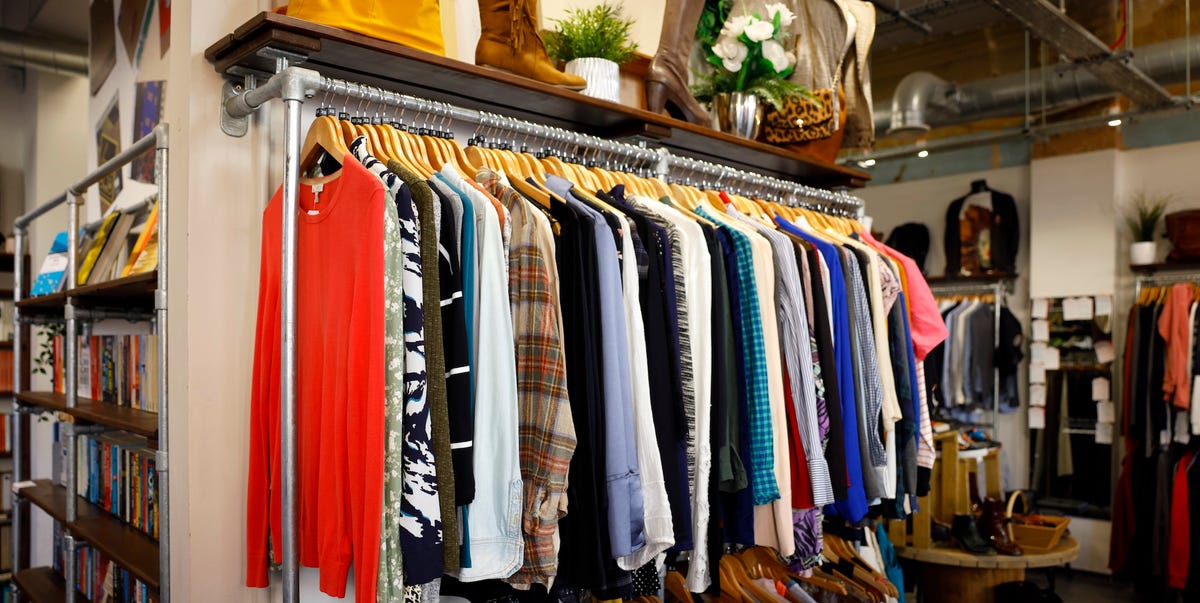
Secondhand shopping can feel like a treasure hunt with better lighting and fewer pirates. One minute you are browsing a rack of “maybe” blazers, and the next you are holding a vintage silk scarf that looks like it has lived a more glamorous life than you. Thrifting, consignment shopping, resale apps, estate sales, and clothing swaps can all be smart ways to build a wardrobe with personality, quality, and less waste.
But not every pre-loved item deserves a second chance in your closet. Some pieces are risky because of hygiene. Others lose their structure, support, or safety after use. And a few look like bargains until you realize the repair bill costs more than buying the item new. A personal stylist’s job is not just to make clothes look good; it is to help you spend wisely, dress comfortably, and avoid closet mistakes that quietly drain your budget.
Before we get into the no-buy list, let’s be clear: secondhand fashion is not “dirty” by default. Many used garments are perfectly wearable after proper cleaning. The trick is knowing which categories are worth inspecting and which ones should stay on the rack, no matter how charming the price tag looks. Below are nine things to never buy secondhand if you want your wardrobe to be stylish, sanitary, and actually useful.
Why Some Secondhand Clothing Is a Smart Buyand Some Isn’t
The best secondhand purchases usually have three things in common: they can be cleaned thoroughly, they still have structural integrity, and they do not depend on invisible safety features. Think wool coats, denim jackets, leather belts, cashmere sweaters in good condition, silk scarves, handbags, occasion dresses, and classic blazers that only need minor tailoring.
The worst secondhand buys tend to be the opposite. They sit close to intimate areas, absorb sweat and odor, carry uncertain wear history, or require expensive restoration. A $12 item is not a deal if it gives you blisters, smells like a basement with ambition, or needs $150 in alterations. A stylist looks past the thrill of the find and asks the practical questions: Can this be cleaned? Does it still support the body? Will it fit the client’s lifestyle? Is the cost of fixing it worth it?
9 Things to Never Buy Secondhand
1. Underwear, Briefs, and Intimate Bottoms
Underwear is the easiest item to skip secondhand. Even if a pair looks unworn, it is still an intimate garment that sits directly against the body. Elastic can stretch out, fabric can thin, and hygiene history is impossible to verify with confidence. A tag that says “new with tags” may sound reassuring, but unless it comes from a trusted retailer or sealed package, it is not worth the gamble.
From a style perspective, fresh underwear also affects how clothing fits. A stretched waistband can bunch under trousers, visible panty lines can disrupt a smooth silhouette, and worn fabric can feel uncomfortable throughout the day. Buy underwear new, ideally in breathable fabrics and cuts that work with your actual wardrobe. Your jeans, dresses, and sanity will thank you.
2. Bras and Shapewear That Have Lost Their Support
Bras and shapewear are not just fabric; they are tiny engineering projects with hooks, bands, seams, cups, elastic, and sometimes underwire. Once those elements lose tension, the garment stops doing its job. A secondhand bra may look fine on a hanger, but the band could be stretched, the cups warped, or the straps permanently tired from someone else’s daily routine.
Shapewear is another risky buy. Compression garments are designed to hold and smooth, but they degrade with wear, washing, heat, and body movement. When shapewear loses elasticity, it can roll, pinch, slide, or create awkward lines under clothing. That is not “snatched”; that is fabric filing a formal complaint.
If budget is the concern, look for new bras during department-store sales, brand outlet events, or multi-pack basics. A properly fitting new bra can change the way your entire wardrobe looks, especially button-down shirts, knits, blazers, and dresses.
3. Swimwear
Swimsuits are basically underwear that took a vacation. They sit close to the body, absorb sweat, sunscreen, pool chemicals, salt water, and sometimes sand that appears to have signed a long-term lease. Even when cleaned, a used swimsuit may have weakened elastic, faded fabric, or compromised stretch.
Fit is especially important with swimwear. A suit that has lost tension can sag when wet, ride up, gape at the bust, or become transparent in unfortunate lighting. Personal stylists often recommend buying swimwear new because support, coverage, and confidence matter more than saving a few dollars.
If you want the secondhand look without the hygiene concern, search for new-with-tags deadstock swimwear from reputable sellers, outlet stores, or end-of-season sales. You can still find interesting cuts and vintage-inspired prints without inheriting someone else’s chlorine memories.
4. Used Shoes With Heavy Wear
Shoes are one of the most tempting secondhand categories because high-quality footwear can be expensive. But heavily worn shoes are often shaped by the previous owner’s feet, walking pattern, and pressure points. That means the insole, sole, heel, and upper may already be molded in a way that does not support your body correctly.
This is especially true for sneakers, running shoes, work shoes, and everyday flats. Worn-out cushioning can lead to discomfort, poor alignment, blisters, or foot fatigue. With leather shoes, check for deep creasing, cracked soles, uneven heel wear, odor, dry rot, and peeling interiors. If the shoe bends too easily in the wrong places, it is probably past its prime.
There are exceptions. Gently worn designer heels, barely used boots, or quality leather loafers may be worth buying if the structure is intact and they can be cleaned or resoled. But if the shoes look like they have completed a cross-country emotional journey, leave them behind.
5. Athletic Wear That Smells or Has Lost Compression
Leggings, sports bras, compression shorts, cycling gear, and workout tops are built to handle sweat, movement, friction, and repeated washing. That also means they can wear out faster than regular clothing. Secondhand athletic wear may look sleek at first glance, but the fabric may be stretched, pilled, thinning, or holding onto odor.
The sniff test is not glamorous, but it is useful. Persistent odors in synthetic workout fabrics can be difficult to remove because oils and bacteria cling to performance fibers. If a garment already smells musty, sour, or heavily fragranced in the store, washing may not fully fix it. Heavy perfume can also be a red flag because it may be hiding a deeper odor issue.
Compression matters too. Leggings that no longer hold their shape can slide down, become sheer when stretched, or bag at the knees. A sports bra that has lost elasticity cannot provide dependable support. For workout basics, buying new is usually the smarter choiceespecially for high-impact activities.
6. Hats, Hair Accessories, and Items Worn Close to the Scalp
Hats, headbands, hair scarves, barrettes, and other hair accessories can be charming secondhand finds, but they sit close to the scalp and hair. That raises concerns about sweat, oil, product buildup, dandruff, and, in some cases, lice exposure. While not every used hat is a problem, many are difficult to sanitize thoroughly without damaging their shape.
Structured hats are particularly tricky. Baseball caps, felt hats, straw hats, and wool berets may not tolerate hot washing. Sweat stains along the inner band can be stubborn, and odor can linger. If the hat cannot be cleaned in a way that makes you feel comfortable wearing it, skip it.
If you love vintage hats, buy from reputable vintage dealers who clean and inspect their pieces, or choose styles with removable inner bands. For everyday caps, beanies, and hair accessories, new is usually inexpensive enough to justify the peace of mind.
7. Makeup, Skincare, Perfume, and Beauty Tools
Beauty products are not clothing, but they often live in the same resale universe: thrift counters, estate sales, online marketplaces, and “lightly used” listings. A personal stylist will usually advise clients to avoid secondhand makeup and skincare altogether. Once opened, products can be exposed to bacteria, air, fingers, applicators, and bathroom humidity.
Eye products deserve extra caution. Mascara, liquid liner, and cream shadows come into close contact with sensitive areas and have shorter safe-use windows than many other cosmetics. Used lip products, jar creams, makeup sponges, and brushes also carry hygiene concerns. Even perfume can degrade if stored in heat, sunlight, or poor conditions.
There is also no reliable way to confirm whether a product is expired, contaminated, diluted, counterfeit, or stored properly. A half-used luxury foundation is not a deal if it irritates your skin. Buy beauty products new from trusted retailers, and save your secondhand budget for a fantastic coat instead.
8. Clothing With Permanent Odors, Stains, or Pest Risk
A tiny loose button is easy. A mysterious stain shaped like a map of Ohio is another story. Clothing with deep stains, mildew smells, smoke odor, heavy body odor, or visible pest damage is rarely worth buying unless you are an experienced restorer. Some odors settle into fibers so deeply that regular laundering will not remove them. Others may require professional cleaning, ozone treatment, or repeated attempts with no guarantee.
When shopping secondhand, inspect seams, collars, underarms, cuffs, linings, and hems. Hold fabric up to the light to check for thinning. Look for moth holes in wool and cashmere. Smell leather carefully; mildew and smoke can be extremely difficult to remove. Check pockets, folds, and linings for signs of insects or residue.
A stylist’s rule is simple: do not buy a problem unless you already know exactly how to solve it. If the cleaning method is uncertain, the stain is old, or the odor makes you pause, the item is not a bargain. It is a chore wearing a cute label.
9. Pieces That Need Major Alterations
This is the mistake stylish shoppers make most often. A designer jacket is marked down to $25, but the shoulders are too wide, the sleeves are too long, the waist needs reshaping, and the lining is torn. Suddenly, your “deal” needs a tailor, a calendar reminder, and possibly a small business loan.
Minor alterations can be worth it. Hemming pants, shortening sleeves, taking in a simple waist, or replacing buttons can turn a secondhand item into a wardrobe hero. Major structural changes are different. Adjusting shoulders, resizing lined jackets, altering complicated pleats, reconstructing gowns, or changing the rise of pants can be expensive and sometimes impossible without ruining the garment’s proportions.
Before buying, ask yourself: Would I still want this if it were not a famous brand? Will I actually take it to the tailor this week? Is the alteration cost still cheaper than buying something that fits better? If the honest answer is no, step away from the rack. The label is not going to wear the outfit. You are.
What to Buy Secondhand Instead
The no-buy list may sound strict, but it does not mean secondhand shopping is off-limits. In fact, the best stylists often love resale because it offers better fabrics, unique silhouettes, and more personality than many fast-fashion racks. Focus on items that are durable, cleanable, and easy to inspect.
Great secondhand buys include wool coats, trench coats, denim jackets, blazers with good shoulder fit, leather belts, handbags, silk scarves, evening bags, statement jewelry, cashmere sweaters without holes, quality jeans, button-down shirts, occasion dresses, and classic skirts. Look for natural fibers, strong seams, intact linings, smooth zippers, and labels with clear care instructions.
Secondhand shopping works best when you shop with a plan. Know your measurements, bring a measuring tape, wear fitted base layers if you plan to try things on, and keep a wish list on your phone. When you know what your wardrobe actually needs, you are less likely to buy a “fun little find” that becomes a “why did I do this?” item three weeks later.
How to Inspect Secondhand Clothes Like a Stylist
Check the Fit First
Fit is more important than brand, trend, or discount. Shoulders, waist, rise, sleeve length, and overall proportion determine whether an item will look intentional or accidental. If the fit is wrong in a hard-to-alter area, keep looking.
Read the Care Label
A beautiful garment that requires expensive dry cleaning after every wear may not match your lifestyle. Care labels also tell you about fiber content, which helps you judge quality, breathability, and durability.
Inspect High-Wear Areas
Look at underarms, crotch seams, inner thighs, cuffs, collars, hems, pocket corners, and zipper areas. These spots reveal how much life the garment has left. If the fabric is thinning or seams are strained, the item may not survive regular wear.
Use the Cost-Per-Wear Test
A $15 dress worn once costs $15 per wear. A $90 blazer worn 60 times costs $1.50 per wear. The smartest secondhand purchase is not always the cheapest one; it is the one you will actually use.
Personal Experiences: What Styling Clients Learn the Hard Way
After years of helping people clean out closets, rebuild wardrobes, and recover from enthusiastic shopping decisions, one pattern shows up again and again: the most regretted secondhand purchases are rarely the weird ones. They are the “almost” ones. Almost the right size. Almost clean enough. Almost worth tailoring. Almost comfortable. Almost your style. Almost, unfortunately, is where closets go to get crowded.
One client once brought out a pair of secondhand designer heels she had purchased because they were “basically free.” They were gorgeous in the way museum furniture is gorgeous: nice to admire, not especially practical for human use. The previous owner had worn down the heel tips unevenly, the toe box had molded to a different foot shape, and the inner lining was peeling. My client had never worn them outside because they hurt within five minutes. The lesson was not that designer shoes are bad secondhand buys. The lesson was that shoes must serve your feet before they serve your fantasy life.
Another common closet confession involves athletic wear. People buy secondhand leggings because the brand is popular, then discover they slide down during a workout or turn sheer in daylight. A changing-room mirror is forgiving; a sunny sidewalk is not. Compression garments need tension, opacity, and recovery. If they do not bounce back, neither will your confidence when you are halfway through errands and tugging at the waistband like it owes you money.
Then there are the “project pieces.” These are the vintage coats with missing buttons, dresses with broken zippers, trousers that need hemming, blazers that need shoulder surgery, and silk blouses with stains that everyone insists will “probably come out.” Sometimes they do. Often they do not. A good stylist knows the difference between a simple fix and a fantasy repair. Replacing buttons is easy. Removing old underarm discoloration from silk is a battle scene. Rebuilding a lined jacket is not a casual errand; it is a commitment.
The best secondhand shoppers I have worked with are not the ones who buy the most. They are the ones who edit the hardest. They walk into a thrift store with curiosity but not desperation. They know their colors, their measurements, their lifestyle, and their laundry tolerance. They can admire a dramatic sequined jacket without pretending they have suddenly become a person who attends rooftop jazz parties every Thursday.
My favorite secondhand success story involved a client who wanted to look more polished at work without buying a full new wardrobe. We skipped the questionable shoes, stretched-out knits, and “maybe one day” dresses. Instead, we found two excellent blazers, a leather belt, a structured handbag, and a silk scarf. Every piece could be cleaned, inspected, and worn with items she already owned. The result looked expensive, but more importantly, it looked like her. That is the sweet spot: secondhand shopping should expand your style, not create a costume department in your closet.
So here is the practical experience-based rule: buy secondhand when the item has quality, cleanliness, structure, and a clear role in your wardrobe. Buy new when the item touches intimate areas, supports your body, protects your safety, or cannot be sanitized properly. A closet should be full of clothes you want to wearnot mysteries, chores, and suspicious smells with buttons.
Conclusion
Secondhand shopping is one of the best ways to find unique style, reduce waste, and stretch your wardrobe budget. But smart thrifting requires boundaries. Underwear, worn bras, swimwear, heavily used shoes, tired athletic wear, scalp-touching accessories, opened beauty products, stained or smelly clothing, and pieces that need major alterations are usually better bought newor skipped entirely.
The goal is not to scare you away from resale shopping. The goal is to help you shop with a stylist’s eye. When you choose pieces that are cleanable, wearable, well-constructed, and realistic for your life, secondhand fashion becomes less of a gamble and more of a strategy. The best bargain is not the item with the lowest price. It is the item you feel great wearing again and again.