
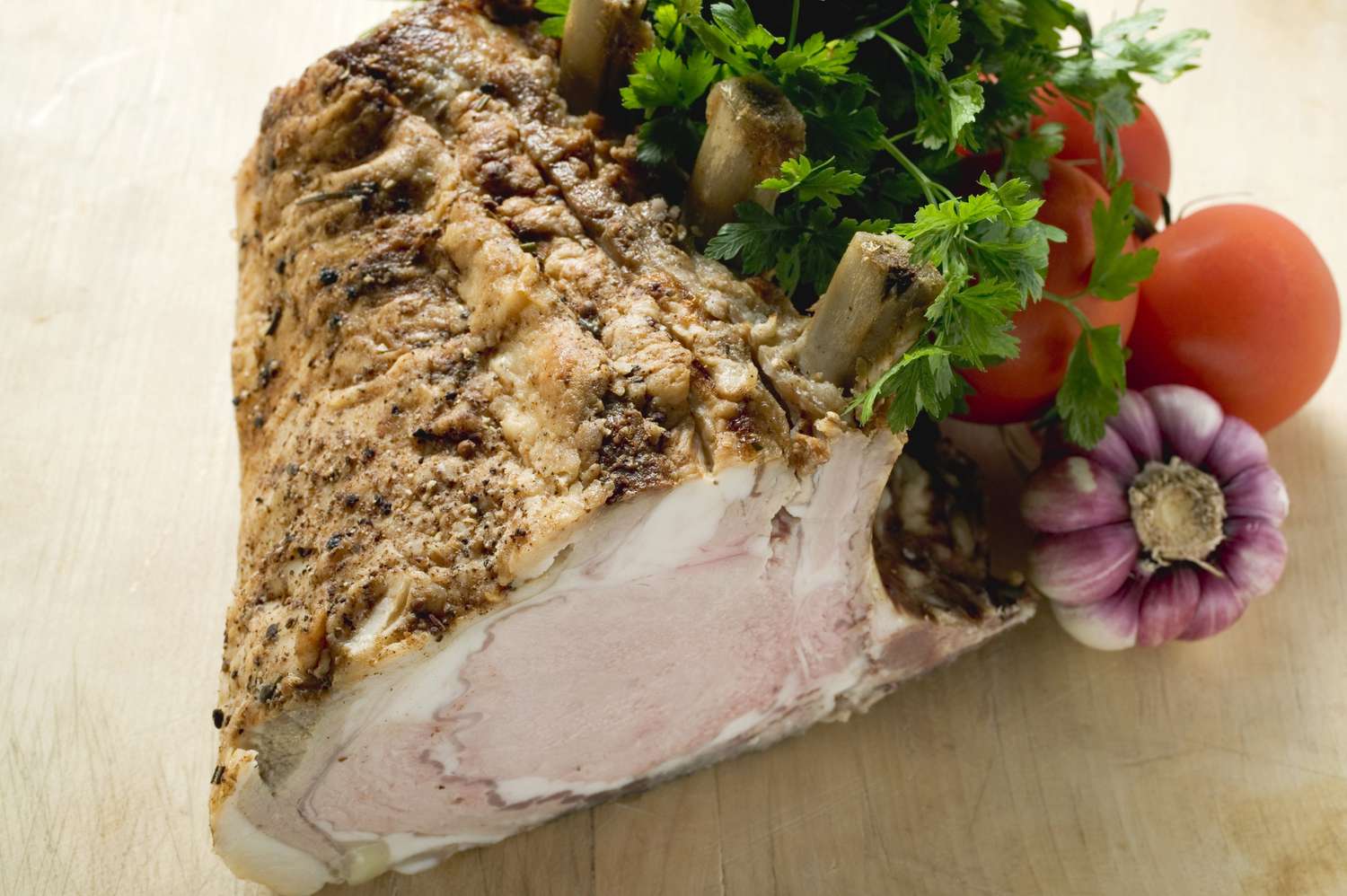
There are weeknight dinners, and then there are dinners that walk into the room wearing a velvet jacket. A classic roast rack of pork is firmly in the second category. It is dramatic, deeply savory, and just fancy enough to make people assume you attended culinary school instead of simply owning a roasting pan and a little confidence. The good news? This showstopper is far easier than it looks.
A rack of pork is essentially a bone-in pork loin roast with the rib bones attached, often Frenched for that clean, elegant look. When roasted properly, it gives you the best of all worlds: juicy slices, a beautifully seasoned crust, and the sort of centerpiece energy that makes mashed potatoes feel underdressed. This version leans into the classic flavor profile of garlic, rosemary, thyme, mustard, olive oil, salt, and black pepper. No gimmicks. No mystery glazes. Just timeless roast-pork goodness.
In this guide, you’ll get a foolproof recipe, timing tips, seasoning advice, carving instructions, serving ideas, and the little details that separate a good roast from the one everyone talks about on the ride home. Let’s make the kind of pork roast that earns silence at the table, followed by, “Wow, this is really good.”
Why This Classic Roast Rack of Pork Recipe Works
The beauty of a roast rack of pork is that the cut is already doing half the work for you. Because it comes from the loin, it is tender and mild, which means it takes well to herbs, garlic, mustard, citrus zest, and gentle sweetness from roasted fruit or pan drippings. The attached bones also help create a more impressive presentation and can buffer the meat a bit during roasting.
This classic version keeps the seasoning balanced and traditional. The mustard acts like flavor glue, helping the herbs and garlic cling to the meat. Fresh rosemary and thyme bring a woodsy aroma that makes your kitchen smell like a holiday card. Olive oil helps the surface brown, and a thermometer keeps you from wandering into dry-pork territory, which is where good intentions go to perish.
Another reason this recipe works is that it respects the roast. Instead of smothering it in sugary sauce or drowning it in too many spices, it lets the pork taste like pork. Rich, savory, slightly sweet, and perfect with simple side dishes. In other words, it knows it is the main character and does not need backup dancers.
What to Ask the Butcher For
When shopping, ask for a rack of pork or pork rib roast, ideally 4 to 6 pounds for a manageable home roast that serves about 6 to 8 people. If you want the polished, holiday-table look, ask for the roast to be Frenched, meaning the rib bones are exposed and cleaned up. You can also ask the butcher to remove the chine bone, which makes carving much easier later.
Look for a roast with a nice fat cap, good color, and even thickness from end to end. Too much trimming can leave you with less protection during roasting, while too little trimming can keep the seasoning from reaching the meat. A moderate layer of fat is your friend here. It bastes the roast as it cooks and helps build flavor.
Classic Roast Rack of Pork Ingredients
For the pork
- 1 rack of pork or pork rib roast, 4 to 6 pounds, Frenched if possible
- 2 tablespoons kosher salt
- 1 1/2 teaspoons freshly ground black pepper
- 6 garlic cloves, finely minced
- 2 tablespoons fresh rosemary, finely chopped
- 1 tablespoon fresh thyme leaves, chopped
- 2 tablespoons Dijon mustard
- 2 tablespoons olive oil
- 1 teaspoon lemon zest
Optional pan additions
- 1 onion, thickly sliced
- 2 apples or pears, cut into wedges
- 1/2 cup dry white wine, apple cider, or chicken broth
The optional pan additions are not essential, but they are smart. The onions and fruit perfume the roast and can become part of the finished platter. The splash of liquid helps keep drippings from scorching and gives you the beginnings of a quick pan sauce if you are feeling ambitious and generous.
How to Make Classic Roast Rack of Pork
1. Season the roast ahead of time
Pat the pork dry with paper towels. In a small bowl, mix the salt, pepper, garlic, rosemary, thyme, mustard, olive oil, and lemon zest into a loose paste. Rub it all over the pork, including the sides and top. If time allows, refrigerate the seasoned roast uncovered for at least 4 hours or overnight. This helps the surface dry slightly, which encourages better browning and deeper flavor.
If you forgot to plan ahead, do not panic. The roast will still be delicious if seasoned right before cooking. Your dinner is not ruined. Your future self may judge you a little, but the roast will be fine.
2. Bring it closer to room temperature
Take the roast out of the refrigerator about 45 to 60 minutes before roasting. This helps it cook more evenly. Do not leave it out for hours; this is not a spa day for pork.
3. Preheat the oven
Heat the oven to 425°F. Place a rack inside a roasting pan. If you do not have a roasting rack, scatter thick onion slices in the pan and set the pork on top. Arrange the apples or pears around the roast if using.
4. Start hot, then lower the heat
Roast the pork at 425°F for 20 minutes to jump-start browning. Then reduce the oven temperature to 325°F and continue roasting until an instant-read thermometer inserted into the thickest part of the meat reads 140°F to 145°F. For a 4- to 6-pound rack, this usually takes another 60 to 100 minutes, depending on size and oven behavior.
If the pan looks dry after the initial high-heat phase, add the wine, cider, or broth. Check on the roast now and then, but do not obsessively open the oven every five minutes like a worried Victorian aunt.
5. Rest before carving
Transfer the roast to a cutting board and tent loosely with foil. Let it rest for 15 to 20 minutes. This is not optional unless you enjoy watching juices flood your cutting board like they are escaping the scene. Resting helps the meat stay moist and lets the temperature settle.
6. Carve and serve
Using a sharp carving knife, slice between the rib bones into chops. Arrange the slices on a platter with the roasted fruit and onions. Spoon over any pan juices or a quick sauce made from the drippings.
Recipe Summary at a Glance
- Prep time: 20 minutes
- Additional seasoning time: 4 hours to overnight, optional but recommended
- Cook time: About 1 hour 20 minutes to 2 hours total
- Rest time: 15 to 20 minutes
- Yield: 6 to 8 servings
Best Internal Temperature for Roast Rack of Pork
This is the part where many home cooks either relax or spiral. Here is the simple answer: use an instant-read thermometer and aim for the center of the thickest part of the roast, without touching bone. Pull the roast when it reaches 140°F to 145°F, depending on how much carryover cooking you expect and how done you like your pork.
The result should be juicy and faintly rosy, not gray and tragic. Modern pork does not need to be cooked into oblivion to be safe or delicious. The biggest mistake people make with pork loin cuts is overcooking them because they are haunted by old dry-chop memories. We are not bringing that era back.
Optional Variations for More Flavor
Add a mustard-herb crust
Increase the Dijon and press a few tablespoons of fresh breadcrumbs onto the surface before roasting. This creates a lightly crisp, flavorful exterior that looks restaurant-worthy.
Try a simple brine
If you want extra insurance against dryness, brine the roast for several hours before seasoning. A basic brine of water, salt, a touch of sugar, peppercorns, and herbs can help the meat stay juicy and seasoned throughout. Just be sure to pat the roast very dry before applying the herb paste.
Pair pork with fruit
Classic pork dinners love apples, pears, apricots, or even a splash of cider. Roast fruit alongside the pork or serve with an apple-mostarda-style sauce, applesauce, or a pan sauce with white wine and shallots for a sweet-savory contrast.
What to Serve with Roast Rack of Pork
A classic roast deserves classic company. Good side dishes should support the main event, not challenge it to a duel. Here are some winning combinations:
- Mashed potatoes: Creamy, buttery, and ideal for soaking up drippings
- Roasted root vegetables: Carrots, parsnips, sweet potatoes, or turnips
- Green beans or Brussels sprouts: Bright, earthy, and helpful when the plate gets rich
- Apple sauce or pear compote: A classic sweet note with pork
- Stuffing or wild rice: Especially nice for a holiday-style spread
- Simple salad: Bitter greens with vinaigrette balance the richness beautifully
If you want a menu that feels elegant without tipping into exhausting, serve the pork with mashed potatoes, roasted carrots, green beans, and a tart apple relish. That combination hits nearly every comfort-food note without turning dinner into a five-hour production.
Common Mistakes to Avoid
Skipping the thermometer
Time estimates are useful, but they are not your final authority. Ovens vary, roast sizes vary, and the laws of dinner chaos vary wildly. A thermometer is the difference between confidence and guesswork.
Overcooking the meat
Pork loin cuts are leaner than shoulder, so they do not reward long cooking the same way. Once you overshoot the temperature, there is no magical reverse button.
Not resting the roast
Resting allows the juices to redistribute. Skip it, and you lose moisture fast.
Underseasoning
A big roast needs generous seasoning. Salt is not being dramatic here; it is doing its job.
Carving the wrong way
Always slice between the rib bones for neat pork chops. If the butcher removed the chine bone, this will be much easier. If not, go slowly and use a sturdy knife.
How to Store and Reheat Leftovers
Leftover roast rack of pork is a gift. Store slices in an airtight container in the refrigerator and use them within a few days. Reheat gently with a splash of broth, cider, or pan juices so the meat stays tender. Thin slices are also excellent in sandwiches with mustard, on grain bowls, or tucked into a breakfast hash with potatoes and onions.
If you have enough left for a second meal, do not waste the bones either. They can add savory depth to broth, beans, or greens. This roast may be glamorous, but it also knows how to clock in for leftovers.
Classic Roast Rack of Pork Recipe Card
Ingredients
- 1 4- to 6-pound rack of pork
- 2 tablespoons kosher salt
- 1 1/2 teaspoons black pepper
- 6 garlic cloves, minced
- 2 tablespoons chopped rosemary
- 1 tablespoon chopped thyme
- 2 tablespoons Dijon mustard
- 2 tablespoons olive oil
- 1 teaspoon lemon zest
- 1 onion, sliced thickly, optional
- 2 apples or pears, cut into wedges, optional
- 1/2 cup white wine, cider, or broth, optional
Instructions
- Pat the pork dry.
- Mix salt, pepper, garlic, rosemary, thyme, mustard, olive oil, and lemon zest into a paste. Rub over the roast.
- Refrigerate uncovered for 4 hours or overnight if possible.
- Let the pork sit at room temperature for 45 to 60 minutes before roasting.
- Preheat the oven to 425°F. Place the roast on a rack in a roasting pan. Add onion and fruit if using.
- Roast for 20 minutes, then reduce heat to 325°F.
- Continue roasting until the thickest part reaches 140°F to 145°F, about 60 to 100 minutes more.
- Transfer to a board, tent loosely with foil, and rest 15 to 20 minutes.
- Slice between the ribs and serve with pan juices.
Experience: What Cooking a Classic Roast Rack of Pork Teaches You
The first time you cook a classic roast rack of pork, it feels like an event. You set the roast on the counter, admire the curved bones, and immediately understand why this cut shows up on holiday tables and celebratory Sunday dinners. It has presence. It looks expensive, slightly dramatic, and maybe a little intimidating. Then you season it, slide it into the oven, and realize something wonderfully reassuring: it is still just dinner. A very handsome dinner, sure, but dinner all the same.
One of the best experiences with this roast is how it changes the atmosphere in your kitchen. The smell of garlic, rosemary, thyme, and slowly browning pork has a way of making the whole house feel warmer. It is the culinary equivalent of lighting a good candle, except better, because eventually you get to eat it. People start drifting into the kitchen with suspiciously casual questions like, “Need help with anything?” They do not. They are just following the aroma.
Another thing this recipe teaches you is patience. Rack of pork is not hard, but it does reward restraint. You learn not to rush the browning, not to slash into the roast too soon, and not to rely on guesswork when a thermometer can tell you the truth. There is a quiet confidence that comes from pulling the roast at the right temperature, resting it properly, and carving clean chops between the bones. It feels precise without feeling fussy, which is a lovely sweet spot for home cooking.
The serving moment is always memorable. When you bring a carved rack of pork to the table, people notice. This is not casserole energy. This is “someone made an effort” energy. Yet the actual flavors are comforting and familiar, which is part of the charm. Roast pork does not need to shout. It wins people over with tenderness, savory drippings, crisp edges, and the kind of flavor that goes beautifully with potatoes, vegetables, fruit, and bread. It feels special, but still deeply approachable.
Over time, you also learn how flexible the roast can be. One dinner might lean more traditional with mashed potatoes and green beans. Another might head slightly rustic with roasted apples, cider sauce, and crusty bread. Leftovers become their own small pleasure: cold slices on sandwiches with mustard, chopped pork folded into fried rice, or reheated pieces served over creamy polenta. A great roast does not just deliver one meal. It keeps the magic going.
Perhaps the most satisfying part of the experience is that roast rack of pork makes you feel like a better cook than you were yesterday. Not because it is impossible, but because it asks you to trust simple technique: season well, roast carefully, rest patiently, carve neatly. That is the whole game. And once you do it successfully, you stop seeing it as intimidating holiday food and start seeing it as a reliable, impressive recipe you can actually own. That is when it becomes a classic in your kitchen, not just on paper.
Final Thoughts
A classic roast rack of pork recipe is one of those rare dishes that feels equally at home at Christmas dinner, a Sunday family meal, or any gathering where you want the table to look a little extra polished. It is beautiful without being absurdly complicated, flavorful without being heavy-handed, and traditional without feeling old-fashioned. With a solid thermometer, a generous herb rub, and the good sense to let the roast rest, you are already most of the way there.
So the next time you want a centerpiece roast that is a little less expected than beef and a lot more exciting than “another chicken situation,” choose pork. Roast it well, carve it proudly, and accept the compliments like the calm culinary professional you absolutely are.












