
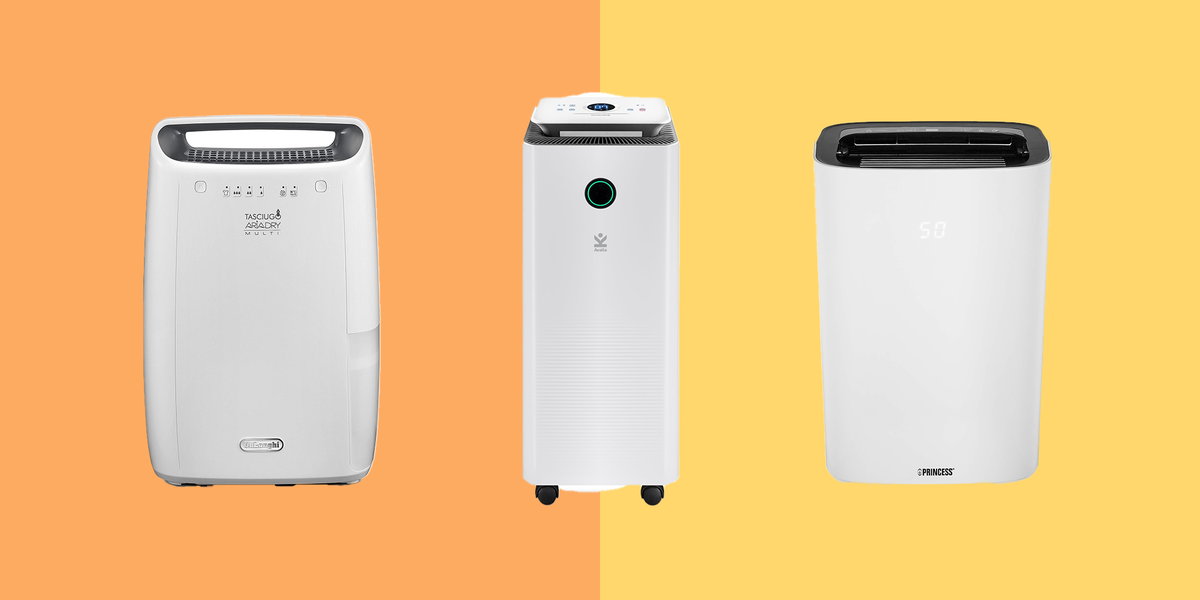
British homes have many charming features: bay windows, cozy corners, historic brickwork, and, unfortunately, the occasional indoor climate that feels like a rainforest wearing a cardigan. If your windows cry every morning, your laundry takes three business days to dry, or your wardrobe smells like a forgotten gym bag, a good dehumidifier can be the quiet little hero your home deserves.
The best dehumidifiers in the UK for 2025 are not just water tanks on wheels. Many now include smart humidity sensors, laundry modes, HEPA filters, app controls, quiet night settings, and energy-saving features that make them useful in flats, family homes, bedrooms, basements, garages, and chilly utility rooms. The goal is simple: reduce excess moisture, discourage mould, improve indoor air quality, and help your home feel warmer and fresher without turning your electricity bill into a horror novel.
This guide reviews 20 of the best UK dehumidifiers for damp and mould, including popular models from Meaco, Pro Breeze, EcoAir, Ebac, De’Longhi, VonHaus, ElectriQ, Duux, Dryzone, and more. It also explains how to choose the right size, whether compressor or desiccant technology is better for your home, and how to use a dehumidifier properly so it does more than sit in the corner humming like a tiny fridge with opinions.
Why a Dehumidifier Helps With Damp and Mould
Damp and mould thrive when moisture hangs around indoors. Everyday life adds water vapor to the air: showers, cooking, drying clothes inside, breathing, houseplants, and even that heroic kettle used for “just one more tea.” When warm, moist air meets cold windows or walls, condensation forms. Over time, this can lead to black mould spots, musty smells, peeling paint, swollen wood, and a home that feels clammy even when the heating is on.
A dehumidifier pulls moisture from the air and collects it in a tank or sends it through a drainage hose. Most homes feel comfortable when relative humidity sits around 40% to 60%, though many people aim for about 50% to reduce condensation without making the air too dry. A dehumidifier will not fix a leaking roof, broken gutter, rising damp, or poor structural ventilation, but it can be very effective for condensation, laundry moisture, seasonal humidity, and general dampness.
Quick Buying Guide: How to Choose the Best Dehumidifier
Compressor vs. Desiccant Dehumidifiers
Compressor dehumidifiers are usually the best choice for heated UK homes. They are energy-efficient in normal indoor temperatures and work well in bedrooms, living rooms, hallways, and laundry spaces. Desiccant dehumidifiers are better for colder areas such as garages, conservatories, boats, caravans, and unheated utility rooms because they perform more consistently at lower temperatures.
Capacity: 10L, 12L, 20L, or 30L?
A 10L to 12L model is usually enough for a bedroom, small flat, bathroom-adjacent hallway, or light condensation. A 20L model is the sweet spot for many UK households because it can handle larger rooms, indoor laundry, and more persistent damp. A 25L to 30L model is best for bigger homes, high humidity, open-plan areas, or serious laundry drying.
Tank Size and Continuous Drainage
A larger water tank means fewer trips to the sink. If the unit will run for long periods, look for a continuous drainage hose option. This is especially useful in basements, utility rooms, garages, or anywhere you do not want to keep checking the tank like it is a needy houseplant.
Laundry Mode
Laundry mode is one of the most useful features in UK homes. It boosts fan speed and moisture removal to dry clothes faster indoors. This can reduce musty laundry smells, help prevent condensation, and save radiator space for the humans who paid for the heating.
20 Best Dehumidifiers UK for Damp and Mould in 2025
1. MeacoDry Arete Two 20L – Best Overall Dehumidifier for Most UK Homes
The MeacoDry Arete Two 20L is one of the strongest all-round choices for 2025. It combines dehumidification with air purification, includes a HEPA filter, and offers smart features such as app control, humidity targeting, timer settings, night mode, and laundry mode. Its 20L capacity makes it suitable for medium to large homes, especially where condensation and indoor laundry are regular battles.
Best for: family homes, damp bedrooms, laundry drying, smart controls, and everyday use.
2. MeacoDry Arete Two 25L – Best for Larger Homes
The 25L version of the Arete Two is built for homes that need more muscle. It is ideal for larger spaces, busy households, and properties where humidity builds up quickly. If you dry multiple loads of laundry indoors or have condensation across several rooms, the extra extraction capacity can make a noticeable difference.
Best for: larger homes, heavy moisture, frequent laundry, and open-plan spaces.
3. MeacoDry Arete One 12L – Best Compact Premium Option
The Arete One 12L remains a popular choice because it is quiet, efficient, and easy to live with. It works well in flats, bedrooms, small homes, and rooms where a 20L model would feel oversized. It also includes air purification features, making it a smart pick for people who want cleaner, drier air without buying two appliances.
Best for: small homes, bedrooms, flats, and quiet everyday moisture control.
4. MeacoDry ABC 12L – Best Quiet Dehumidifier for Bedrooms
The MeacoDry ABC 12L is designed with low noise in mind. It is less feature-packed than the Arete models, but it is practical, reliable, and simple. For bedrooms or home offices where you want moisture control without a machine that sounds like a washing machine trying to learn jazz, this is a very sensible option.
Best for: bedrooms, offices, light damp, and quiet operation.
5. Pro Breeze 20L Premium Dehumidifier – Best Value 20L Model
The Pro Breeze 20L Premium Dehumidifier is a strong competitor for buyers who want serious performance without paying premium-brand prices. It usually offers a large water tank, automatic humidity control, laundry mode, and continuous drainage. It is particularly useful in medium to large rooms and homes where drying clothes indoors is a weekly routine.
Best for: value seekers, laundry drying, medium rooms, and high daily moisture removal.
6. Pro Breeze 30L Smart Dehumidifier – Best for Heavy Damp
If your home has stubborn damp, a 30L unit can remove moisture faster than smaller models. The Pro Breeze 30L Smart Dehumidifier is designed for larger spaces and usually includes app control, automatic humidity settings, and laundry features. It is more powerful, but that also means you should consider noise, size, and energy use before buying.
Best for: severe condensation, larger homes, basements, and heavy-duty drying.
7. Pro Breeze 10L Desiccant Dehumidifier – Best for Cold Rooms
This desiccant model is a good fit for colder areas where compressor units may struggle. It is useful in garages, conservatories, caravans, boats, and utility spaces that are not always heated. Desiccant machines often use more energy, but they perform better in low temperatures and can add a little warmth to the air.
Best for: garages, cold rooms, boats, caravans, and winter use.
8. EcoAir DD1 Simple MK3 – Best Desiccant Dehumidifier for Simplicity
The EcoAir DD1 Simple MK3 is popular because it does exactly what its name promises: it keeps things simple. It has a compact body, quiet performance, straightforward controls, and reliable moisture removal in cooler spaces. It is especially useful for people who do not want app menus, flashing displays, or a machine that requires a software engineering degree.
Best for: unheated rooms, simple controls, quiet use, and cold-weather damp.
9. EcoAir DD3 Classic / DD3 Slimline – Best Premium Desiccant Choice
The EcoAir DD3 range is a step up for users who want more refined desiccant performance. It suits colder properties and moisture-prone rooms where consistent extraction matters. The slim design also helps in tighter spaces where a bulky compressor unit would get in the way.
Best for: cold homes, narrow spaces, consistent winter moisture control, and premium desiccant performance.
10. Ebac 3850e – Best British-Made Whole-Home Option
The Ebac 3850e is a well-known UK-made compressor dehumidifier designed for larger homes. Its Smart Control system monitors moisture and adjusts operation automatically, which is helpful if you want the unit to work without constant tweaking. It is a strong option for households that want a durable machine with a focus on energy-conscious operation.
Best for: larger UK homes, automatic humidity management, and long-term use.
11. Ebac 2650e – Best Mid-Range Ebac Model
The Ebac 2650e is suited to medium-sized homes and everyday damp problems. It is less powerful than the 3850e but still designed for British conditions. If you want a reliable dehumidifier for general condensation, bedrooms, hallways, and laundry support, it deserves a place on the shortlist.
Best for: medium homes, everyday condensation, and reliable UK-focused design.
12. De’Longhi Tasciugo AriaDry DEX212F – Best Stylish Small Home Dehumidifier
The De’Longhi DEX212F is compact, neat-looking, and suitable for smaller homes or rooms. It is not the most powerful machine on this list, but it is easy to place and has the kind of design that does not scream “damp emergency” from across the room. It is a good option for bedrooms, studies, and modest living spaces.
Best for: compact rooms, style-conscious buyers, and mild to moderate damp.
13. De’Longhi DEXD216F – Best De’Longhi Upgrade Pick
The DEXD216F gives you more capacity than smaller De’Longhi models while keeping the brand’s clean, home-friendly design. It works well for regular condensation control and can help with indoor laundry in smaller households. It is a practical middle ground if you want a recognized brand but do not need a huge 25L or 30L unit.
Best for: small to medium homes, design, and balanced performance.
14. VonHaus 20L Smart Dehumidifier – Best Budget 20L Choice
The VonHaus 20L Smart Dehumidifier is a strong budget-friendly option for people who want a large-capacity machine at a lower price. Many buyers like it for laundry mode, digital controls, and decent moisture removal in medium rooms. It may not feel as premium as a Meaco or Ebac, but it offers a lot of function for the money.
Best for: budget buyers, laundry drying, medium rooms, and practical moisture control.
15. VonHaus 12L Dehumidifier – Best Affordable Small-Home Pick
The VonHaus 12L model is better suited to flats, bedrooms, and smaller spaces. It is useful for daily condensation, light damp, and occasional laundry support. If you do not need a large machine, this type of 12L unit can be easier to store, move, and live with.
Best for: flats, bedrooms, light damp, and affordable moisture control.
16. ElectriQ Platinum 20L CD20PRO-LE – Best Multi-Function Value Pick
The ElectriQ Platinum 20L CD20PRO-LE stands out because it combines dehumidification with air purification-style features, smart control, laundry mode, and strong daily extraction. It is a good option for larger homes where damp, laundry, and indoor air quality all matter. The trade-off is that multi-function machines can have more settings to learn.
Best for: larger rooms, smart features, laundry, and value-focused buyers.
17. Dryzone 12L Dehumidifier – Best for Simple Damp Control
The Dryzone 12L Dehumidifier is a practical choice for people who want a straightforward machine to help with damp and condensation. It is often recommended for smaller homes and everyday moisture problems rather than extreme humidity. It is the kind of dehumidifier that gets on with the job without trying to become the family’s newest smart device.
Best for: simple use, smaller homes, and regular condensation.
18. SmartAir Dry Zone Dehumidifier – Best for Fast Laundry Drying
The SmartAir Dry Zone is a useful option if indoor laundry is your main problem. A good laundry-focused dehumidifier can pull moisture from wet clothes while reducing the chance of condensation on windows and walls. For homes without tumble dryers or outdoor drying space, this type of appliance can quickly become a winter essential.
Best for: laundry rooms, flats, wet-weather drying, and musty-smell prevention.
19. Duux Bora Smart 20L – Best for Smart Home Fans
The Duux Bora Smart 20L is aimed at users who like app controls and modern features. It is a sleek compressor dehumidifier with enough capacity for many medium to large rooms. If you want to monitor humidity and adjust settings from your phone, it is one of the more tech-friendly options.
Best for: smart-home users, modern interiors, and app-controlled humidity management.
20. Inventor Fresh 12L – Best Budget-Friendly Everyday Model
The Inventor Fresh 12L is a sensible everyday dehumidifier for smaller spaces, light condensation, and buyers who want good value. It is not the most powerful unit here, but it can be a practical first dehumidifier for renters, students, small flats, or anyone testing whether a dehumidifier will improve their home.
Best for: first-time buyers, small rooms, renters, and budget-conscious households.
Best Dehumidifier by Use Case
Best Overall
The MeacoDry Arete Two 20L is the best all-round pick because it balances performance, energy efficiency, quiet operation, smart features, and air purification. It suits the most common UK problems: condensation, damp bedrooms, laundry drying, and everyday humidity control.
Best for Cold Garages and Conservatories
The EcoAir DD1 Simple MK3 and Pro Breeze 10L Desiccant are better choices for cold spaces because desiccant technology performs well at lower temperatures. These are ideal when the room is too chilly for a compressor model to work efficiently.
Best for Laundry
The MeacoDry Arete Two 20L, Pro Breeze 20L Premium, VonHaus 20L Smart, and SmartAir Dry Zone are strong laundry choices. Use them in a small room with doors and windows closed, leave space around the unit, and point airflow toward the clothes rather than hiding the machine behind a laundry mountain.
Best for Larger Homes
The MeacoDry Arete Two 25L, Ebac 3850e, Pro Breeze 30L Smart, and ElectriQ Platinum 20L are better suited to bigger spaces or households with heavier humidity. Larger models cost more upfront, but they may solve moisture problems faster and run for less time than an undersized machine.
How to Use a Dehumidifier Properly
First, place the dehumidifier where air can circulate freely. Avoid pushing it into a tight corner or trapping it behind furniture. Second, close external windows and doors while it runs. A dehumidifier cannot dry the neighborhood, no matter how ambitious it looks. Third, set a target humidity around 50% to 55% for everyday use. If condensation is severe, you may temporarily aim lower, but do not over-dry the air.
Clean the filter regularly, empty the tank before it overflows, and use continuous drainage if the appliance will run for long periods. When drying laundry, choose a smaller enclosed room, space clothes apart, and let the dehumidifier work with good airflow. A fan can help move air around the laundry, but the dehumidifier is the machine doing the moisture removal.
Common Mistakes to Avoid
Do not buy a mini dehumidifier and expect it to fix a damp three-bedroom house. Small units are useful for wardrobes, box rooms, and light condensation, but they cannot compete with a proper 12L or 20L appliance. Do not ignore leaks, cracked walls, blocked vents, or broken extractor fans either. A dehumidifier helps manage moisture, but it is not a magic wand with a plug.
Another mistake is running the machine with windows open on a rainy day. This lets fresh moisture come in while the dehumidifier tries to remove it. That is not ventilation; that is an expensive handshake with the weather. Use short ventilation bursts when conditions are dry, but close windows when you want the dehumidifier to lower indoor humidity.
Real-Life Experience: What It Is Like Using a Dehumidifier in a Damp UK Home
The first thing many people notice after buying a good dehumidifier is not the water in the tank. It is the smell. A damp room often has a quiet mustiness that you stop noticing because you live with it every day. Then the machine runs for a few hours, the air feels lighter, and suddenly the room no longer smells like a towel that lost hope in 2019.
In a typical UK flat, the biggest difference usually appears around windows and laundry. Before using a dehumidifier, bedroom windows may be wet every morning, especially in winter. The sill needs wiping, curtains feel slightly damp, and black specks can appear around seals. After using a 12L or 20L unit overnight or during the evening, condensation often becomes lighter, easier to manage, or disappears altogether depending on the room and ventilation.
Laundry is where a dehumidifier earns emotional loyalty. Drying clothes indoors without one can make the entire home feel damp. Jeans stay wet for ages, towels smell suspicious, and the air becomes heavy. With a laundry mode running in a closed spare room or hallway, clothes can dry much faster and smell fresher. It also avoids pumping all that moisture into walls, windows, and wardrobes. For many households, this is the moment the dehumidifier goes from “useful appliance” to “small domestic legend.”
There is also a comfort benefit. Dry air feels easier to heat than damp air. A room with controlled humidity may feel warmer and less clammy even at the same thermostat setting. That does not mean a dehumidifier replaces heating, but it can make a home feel more comfortable. In older properties, especially those with single glazing, solid walls, or limited ventilation, this can be a major quality-of-life upgrade.
The tank can be oddly satisfying. Emptying two or three liters of water from the machine makes the problem visible. You realize that moisture was not imaginary; it was floating around the home, decorating windows and encouraging mould like a bad roommate. Some people even become competitive about it, checking the tank like a scoreboard. This is normal. Slightly nerdy, yes, but normal.
The best routine is simple. Run the dehumidifier when cooking, after showers, during laundry drying, or when humidity rises above your target. Keep bathroom and kitchen extractor fans working. Open windows briefly when outdoor air is dry. Do not block air bricks or vents. Clean mould safely when it appears, but focus on stopping the moisture that lets it return. If damp persists despite good habits, investigate structural causes such as leaks, guttering, insulation gaps, or ventilation faults.
Noise varies by model. A quiet unit can sit in a hallway or bedroom without being too annoying, but large compressor machines still make a fan-and-motor sound. Night mode helps, though some people prefer running the machine earlier in the evening and switching it off at bedtime. For cold spaces, a desiccant model may be quieter and more effective, but it can use more energy. Matching the machine to the room matters more than buying the biggest model and hoping for the best.
After a few weeks, a good dehumidifier often changes household habits. People stop drying laundry on radiators. They check humidity before assuming the room is “just cold.” They clean filters. They learn that moisture control is a system: heat, ventilation, extraction, insulation, and dehumidification all working together. The dehumidifier is not the whole solution, but it is often the most immediate and satisfying part of it.
Final Verdict: Which Dehumidifier Should You Buy?
For most UK homes in 2025, the MeacoDry Arete Two 20L is the best overall dehumidifier because it combines strong moisture removal, smart controls, quiet performance, laundry mode, and air purification. If you need more power, choose the MeacoDry Arete Two 25L, Ebac 3850e, or Pro Breeze 30L Smart. If you need a cold-room machine, look at the EcoAir DD1 Simple MK3 or Pro Breeze 10L Desiccant. For budget buyers, the VonHaus 20L Smart, Dryzone 12L, and Inventor Fresh 12L offer practical value.
The right dehumidifier depends on your home, not just the ranking. For a small flat, a quiet 12L model may be perfect. For a family home with laundry drying indoors, a 20L model is usually the safer bet. For a cold garage, choose desiccant. For heavy damp, go bigger and check for underlying causes. Buy the machine that matches the problem, and damp becomes much less dramatic.
Editorial note: Product prices, availability, specifications, and model names can change during the year. Before publishing or purchasing, check the latest retailer details, warranty terms, safety notices, and manufacturer specifications.













