
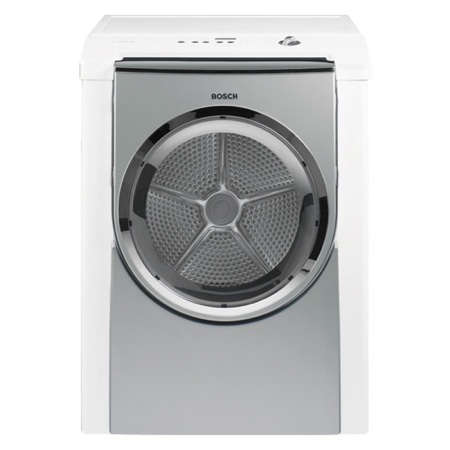
The Bosch Nexxt Series Dryer belongs to that interesting generation of laundry appliances that tried to make drying clothes feel less like a chore and more like a well-engineered household ritual. It was not flashy in the modern “connect me to Wi-Fi and send me push notifications” way. Instead, the Nexxt dryer focused on the practical stuff: sensor drying, a large drum, useful cycles, quiet operation, and the kind of sturdy design that made many homeowners say, “Fine, laundry still exists, but at least this machine is not making it worse.”
Although many Bosch Nexxt Series Dryer models are no longer sold new, they remain common in homes, used-appliance listings, rental properties, and laundry rooms where people appreciate durable European-style appliance engineering. Models such as the Bosch Nexxt 300, Nexxt 500, Nexxt 700, and Nexxt 800 Series dryers were typically 27-inch front-load, vented dryers with roomy 6.7 cubic foot drums, reversible doors, sensor dry technology, and a clean control layout. In short, they were built for people who wanted serious laundry performance without turning the laundry room into a spaceship cockpit.
What Is the Bosch Nexxt Series Dryer?
The Bosch Nexxt Series Dryer was part of Bosch’s front-load laundry lineup designed for American homes. Unlike Bosch’s compact ventless dryers, many Nexxt dryers were full-size, vented machines. That distinction matters. A vented dryer pushes warm, moist air outside through a duct, which means installation quality, airflow, and vent maintenance play a huge role in performance.
Depending on the exact model, the Nexxt dryer came in electric and gas versions. Electric models commonly required a 240/208-volt connection, while some gas versions used a standard 120-volt electrical connection along with a gas hookup. The common design language was unmistakably Bosch: a front-loading door, white or silver finishes, a mix of knobs and digital controls, and a practical drum layout that treated clothing more gently than the “tumble like a rodeo bull” approach of cheaper dryers.
Key Features That Made the Bosch Nexxt Dryer Popular
Large 6.7 Cubic Foot Capacity
Many Bosch Nexxt models offered a 6.7 cubic foot drum, which was generous for family laundry. That capacity could handle towels, jeans, bedding, school uniforms, and the mysterious pile of socks that appears even when nobody remembers wearing socks. A larger drum also helps clothing move more freely, improving airflow and reducing bunching.
Sensor Dry Technology
One of the biggest selling points of the Bosch Nexxt Series Dryer was sensor drying. Instead of simply blasting heat for a fixed amount of time, sensor dry systems monitor moisture and temperature conditions to help stop the cycle when clothes are dry. This can reduce over-drying, protect fabrics, and save energy compared with guessing wildly and choosing “More Time” until your cotton shirts feel like toast.
On Bosch Nexxt models, names such as ECOSENSOR and Duotronic were used to describe moisture-aware drying technology. The basic idea was simple: the dryer watches the load more carefully than most humans do. If the sensors are clean and airflow is strong, this feature can make drying more consistent and less wasteful.
WRINKLEBLOCK for Busy Households
WRINKLEBLOCK was another useful feature across several Nexxt dryers. After a cycle ended, the dryer could periodically tumble the load to reduce wrinkles if you did not unload it immediately. This is helpful because laundry has a talent for finishing at the exact moment you sit down, answer a phone call, or remember that dinner is still in the oven.
Multiple Drying Cycles
Depending on the model, Bosch Nexxt dryers offered regular cotton cycles, permanent press settings, timed dry, air fluff or no-heat options, delicate settings, heavy load settings, wool care, and short cycles. Higher-end versions, such as some Nexxt 700 and Nexxt 800 models, added more tailored programs and more advanced displays.
The best cycle is not always the hottest one. Towels and jeans may need more time, but delicate fabrics usually prefer lower temperatures. The Nexxt dryer’s cycle range allowed owners to match drying intensity to the load instead of treating every garment like it personally offended the heating element.
Bosch Nexxt 300 vs. 500 vs. 700 vs. 800 Series
The Bosch Nexxt dryer family covered several trim levels. The exact feature set varied by model number, but the differences generally came down to display style, number of programs, quietness rating, included accessories, finish, and convenience features.
- Nexxt 300 Series: Often positioned as a practical entry point with sensor dry, a 6.7 cubic foot drum, LED display, timed dry, and WRINKLEBLOCK.
- Nexxt 500 Series: Commonly associated with upgraded controls, quiet operation, stainless steel drum design, and a balanced mix of performance and value.
- Nexxt 700 Series: Offered more cycle flexibility, including models with 15 drying cycles and dryer rack availability.
- Nexxt 800 Series: Typically the more premium version, with features such as quieter drying, LCD display options, drying rack support, ECO SENSOR, and upgraded styling.
For buyers considering a used Bosch Nexxt Series Dryer, the exact model number matters more than the marketing label. A WTMC3321US, WTMC6521UC, or WTMC8321US may have different power requirements, cycle options, and accessories. Always check the model plate, owner’s manual, and installation requirements before buying or repairing one.
Design and Build Quality
Bosch appliances often appeal to people who like quiet, precise machines. The Nexxt dryers followed that personality. Many models used stainless steel drums, front-mounted controls, reversible doors, and clean styling. The door opening on some models allowed wide access, making it easier to load bulky items. The control panel was not overly complicated, which is a blessing for anyone who has ever stared at an appliance and wondered whether “Eco Ultra Turbo Cotton Cloud Mode” is a real thing or a cry for help.
Noise control was also a selling point. Some higher-end Nexxt models advertised low dBA ratings and insulation designed to keep drying quieter. In a laundry closet near a bedroom or living space, that difference can matter. A dryer does not need to sound like a marching band trapped in a metal cabinet.
Performance: What Owners Usually Like
When properly installed and maintained, the Bosch Nexxt Series Dryer can deliver strong drying performance. Owners often appreciate the large capacity, effective sensor cycles, gentle tumbling, and sturdy feel. The dryer is especially useful for mixed household laundry: towels one day, delicate shirts the next, bedding on the weekend, and a suspiciously large number of gym clothes on Monday.
The sensor dry feature is most valuable when users avoid overloading the drum. Clothes need room to tumble. If you stuff the dryer until the door requires negotiation, warm air cannot circulate properly. The result is damp centers, crispy edges, and a laundry mood best described as “dryer betrayal.”
Common Bosch Nexxt Dryer Problems
Clothes Not Drying Completely
The most common complaint with any vented dryer, including the Bosch Nexxt Series Dryer, is incomplete drying. The cause is often not the dryer itself but airflow. A clogged lint filter, blocked vent hose, crushed duct, dirty outside vent flap, or overfilled drum can all make clothes come out damp.
The moisture sensor can also cause trouble if it becomes coated with detergent residue, fabric softener film, or minerals. When the sensor cannot read the load properly, the dryer may stop too early. Cleaning the sensor gently with a damp cloth and a small amount of white vinegar is often recommended as a simple first step.
Dryer Stops Mid-Cycle
If a Bosch Nexxt dryer stops before the load is dry, check the basics first: power supply, door latch, lint filter, vent condition, and load size. A dryer may shut down if it overheats because airflow is restricted. It may also behave strangely if the sensor is dirty or the selected cycle does not match the load.
Dryer Runs but Does Not Heat
For electric models, heating problems can involve power supply issues, the heating element, thermostat, thermal fuse, or control components. For gas models, the issue may involve ignition, gas supply, coils, or safety devices. Because both electricity and gas can be dangerous, deeper diagnosis is best left to qualified appliance technicians.
Lint Filter Warning or Airflow Issues
A lint filter warning does not always mean the visible lint screen is the only problem. It can also point to restricted airflow elsewhere in the vent system. The dryer may be clean at the front but still struggling because the duct behind the machine is crushed, full of lint, too long, or poorly routed.
Maintenance Tips for Better Drying
Good dryer maintenance is wonderfully boring, which is exactly what you want. A dramatic dryer is rarely a good dryer. Clean the lint filter after every load. Once a month, inspect the filter more closely, especially if dryer sheets are used, because fabric softener residue can form a nearly invisible film that restricts airflow. If water pools on the screen instead of passing through it, the filter may need a gentle scrub with warm water and a soft brush.
Check the vent hose behind the dryer. It should not be crushed, sharply kinked, or made of unsafe plastic material. A rigid or semi-rigid metal duct is generally preferred for airflow and safety. The outside vent should open freely while the dryer runs. If the vent flap is stuck, blocked by lint, or guarded by a bird nest with strong opinions about property rights, drying performance will suffer.
At least once a year, clean the dryer vent path. Households with pets, heavy laundry loads, long vent runs, or frequent towel drying may need cleaning more often. Lint buildup is not just an efficiency problem; it can be a fire hazard. Dryer maintenance is not glamorous, but neither is explaining to guests why the laundry room smells like toasted dust.
Buying a Used Bosch Nexxt Series Dryer
Because the Bosch Nexxt Series Dryer is discontinued, many shoppers encounter it on the used market. A well-kept unit can still be a strong value, but inspect carefully before buying. Ask for the full model number, not just “Bosch Nexxt.” Confirm whether it is gas or electric. Check the drum for damage, listen for scraping or rumbling, inspect the door seal, and run a timed heat cycle if possible.
Look for signs of poor maintenance: lint packed around the filter slot, scorched smells, taped-up vent hoses, missing knobs, weak door latch, or error codes. Replacement parts may still be available for many models, but availability can vary by exact E-Nr and production version. If the seller cannot demonstrate that the dryer heats, tumbles, and completes a cycle, price it as a repair project, not a bargain miracle.
Is the Bosch Nexxt Series Dryer Still Worth Keeping?
If your Bosch Nexxt dryer is working well, it may absolutely be worth keeping. The combination of large capacity, sensor drying, stainless steel drum design, and solid construction can still serve a household effectively. However, the decision changes if repairs become expensive. A failed belt or door latch may be reasonable to fix. A major control board, motor, or repeated heating issue may push the cost close to replacing the machine.
Compare the repair estimate with the price of a modern dryer. Newer dryers may offer heat pump technology, improved energy ratings, steam features, app connectivity, and updated safety systems. On the other hand, some people prefer the simpler, heavier feel of older premium appliances. The right answer depends on the dryer’s condition, repair cost, household needs, and your tolerance for appliance drama.
Best Uses for a Bosch Nexxt Dryer
The Bosch Nexxt Series Dryer is especially well-suited for families, homeowners with full-size laundry spaces, and anyone who values sensor drying over basic timed cycles. It works best when loads are sorted sensibly. Towels with towels. Delicates with delicates. Jeans with similar heavy fabrics. Mixing thin shirts with bath towels often leads to a classic laundry tragedy: the shirts are dry, the towels are damp, and everyone blames the dryer.
Use regular cotton settings for sturdy fabrics, permanent press for wrinkle-prone clothing, low-temperature settings for delicate garments, and air fluff for items that need freshening without heat. The dryer rack, available on some models, is useful for shoes, sweaters, and items that should not tumble. That feature is especially helpful when you want something dry but not transformed into a fabric pancake.
Real-World Experience: Living With a Bosch Nexxt Series Dryer
Using a Bosch Nexxt Series Dryer in everyday life feels a little different from using a basic budget dryer. The first thing many owners notice is that the machine prefers cooperation. It rewards you when you clean the lint filter, sort loads reasonably, and keep the vent clear. It becomes less charming when treated like a magical box that can dry three comforters, twelve towels, and one forgotten hoodie in a single heroic cycle.
One practical experience is learning to trust sensor dry, but not blindly. For normal cotton loads, sensor drying can be excellent. The dryer detects moisture, adjusts the cycle, and stops when the load reaches the selected dryness level. But bulky items can fool the system because the outside dries faster than the inside. A comforter may feel dry at the edges while hiding a damp center like a laundry-themed plot twist. For bulky bedding, it helps to pause the cycle, shake the item loose, and restart drying.
Another everyday lesson is that airflow is everything. If drying times suddenly double, do not immediately assume the dryer has given up on life. Start with the vent. Pull the machine forward carefully, inspect the duct, and check the outside vent. Many “broken dryer” stories are actually “the vent was packed with lint” stories wearing a fake mustache. Once airflow is restored, the dryer often performs much better.
Owners also tend to appreciate the WRINKLEBLOCK feature more than they expect. It is not magic, and it will not turn a forgotten load into freshly pressed formalwear, but it can help reduce the wrinkled heap effect. This is useful in real homes, where laundry rarely gets folded the second the buzzer sounds. Sometimes the buzzer rings, the dog barks, someone asks for a snack, and the clean clothes are left waiting like disappointed guests at a party.
The dryer’s large drum can be a quiet luxury. Towels have room to tumble, jeans do not clump as badly, and family laundry feels less cramped. However, the large capacity can tempt users to overload it. The best results usually come from medium-to-large loads that still move freely. If the load rotates as one solid lump, the dryer is not drying clothes; it is warming a textile boulder.
Maintenance becomes part of ownership. Cleaning the lint screen after every cycle takes seconds. Cleaning the sensor occasionally takes a minute. Checking the vent once in a while may save hours of drying frustration. The Bosch Nexxt dryer is not high-maintenance in a fussy way, but it is honest: ignore airflow and it will show you damp towels. Respect airflow and it behaves like the competent German-engineered appliance it was designed to be.
For households that still own one, the Bosch Nexxt Series Dryer can feel like an old reliable appliance with a few quirks. It may not have a touchscreen, smart app, or voice assistant. It will not text you “your socks are ready.” But it can dry clothes well, protect fabrics with sensor cycles, and handle family laundry without needing applause. In a world of increasingly complicated appliances, that kind of straightforward performance has its own charm.
Conclusion
The Bosch Nexxt Series Dryer remains a noteworthy appliance because it combines full-size capacity, thoughtful cycle design, sensor drying, quiet operation, and practical maintenance needs. It is not the newest dryer on the market, but many units still earn their place in laundry rooms by doing the job well. The key is understanding what it needs: clean lint filtration, clear venting, correct cycle selection, and reasonable load sizes.
For anyone researching a Bosch Nexxt 500 Series Dryer or another Nexxt model, the best approach is simple. Check the exact model number, understand the installation requirements, maintain the vent system, clean the moisture sensor when needed, and treat the dryer like a precision appliance rather than a laundry cave. Do that, and this classic Bosch dryer can still make laundry day a little more civilizedand perhaps even slightly less boring.












