
There are few moments in life more humbling than getting taken down by a cold, the flu, a stomach bug, or some mysterious “why does my skin hurt?” illness that turns you into a blanket burrito with opinions. One day you are a functioning human being with plans, emails, grocery lists, and ambitious dreams. The next day, you are bargaining with a thermometer and wondering whether soup can legally count as a personality.
That is exactly when one of life’s quiet miracles appears: someone takes care of you when you are sick. Not in a dramatic movie-trailer way. There may be no orchestra, no slow-motion hallway run, no heroic monologue beside your tissue mountain. Sometimes love looks like a glass of water placed on the nightstand. Sometimes it sounds like, “Do you want tea?” Sometimes it is a fresh trash bag, a cleaned-up kitchen, a pharmacy run, or a gentle reminder that yes, you should probably stop Googling your symptoms at 2:14 a.m.
The idea behind “1000 Awesome Things” is simple but powerful: ordinary moments can be surprisingly beautiful when we notice them. And when someone cares for you during sickness, the ordinary becomes extraordinary. A bowl of soup is no longer just soup. It is comfort with steam. A clean pillowcase becomes a small luxury hotel. A hand on your forehead feels like civilization itself has not collapsed.
Why Being Cared For Feels So Good
Being sick strips life down to the basics. You need rest, fluids, warmth, quiet, clean tissues, and maybe a remote control that is somehow always one inch too far away. When another person steps in, they are not only helping with tasks. They are reminding you that you do not have to perform competence every minute of your life.
That matters. Social support is not just a cozy idea embroidered on a throw pillow. Strong relationships are linked with better emotional well-being, lower stress, and healthier living. Human beings are built for connection. We recover better emotionally when we feel safe, seen, and supported. Even when the illness itself must simply run its course, care changes the experience of being sick. It turns isolation into companionship. It turns helplessness into trust.
The Emotional Medicine of Small Gestures
No one needs a parade when they are congested. A parade would be loud, confusing, and frankly rude to the sinuses. What sick people usually need is small, practical kindness. Someone checking whether the water bottle is full. Someone noticing the blanket slipped off. Someone bringing crackers because your stomach has become a tiny, angry board of directors.
These gestures feel powerful because they communicate attention. They say, “I see that you are not okay, and I am not annoyed by your need.” That last part is huge. Many people feel guilty when they need help. They apologize for coughing, for sleeping too much, for being unable to answer messages, for looking like a haunted houseplant. Good care interrupts that guilt. It says, “You are allowed to be human.”
The Practical Side of Taking Care of Someone Sick
Caring for someone who is sick is not about becoming a one-person hospital with a dramatic clipboard. It is about supporting basic recovery while keeping everyone as safe and comfortable as possible. For common respiratory illnesses, trusted health guidance often emphasizes rest, hydration, staying home, reducing spread, and seeking medical care when symptoms become concerning or the person is at higher risk.
That may sound simple, but simple is not the same as small. When someone is sick, even basic tasks become Olympic events. Walking to the kitchen can feel like crossing a windy desert. Making tea can require the emotional strength of a mountain climber. This is why the caregiver’s quiet help matters so much.
Hydration: The Love Language of the Feverish
When someone brings you water, tea, broth, or an electrolyte drink while you are sick, they are not just being polite. They are helping you do one of the most important things your body needs. Fluids can help prevent dehydration, especially when fever, sweating, coughing, vomiting, or poor appetite enters the chat like an unwanted group-text member.
A good caregiver does not need to hover with a measuring cup. Often, it is enough to keep fluids nearby and make them easy to sip. Warm liquids like tea or broth can also feel soothing when the throat is scratchy or congestion is making your face feel like an overstuffed suitcase.
Rest: The Most Underrated Treatment Plan
Rest sounds easy until you are sick and your brain decides to replay every awkward conversation from middle school. Still, rest gives the body room to recover. A caring person helps protect that rest. They lower the volume. They dim the lights. They tell visitors, “Maybe not today.” They make sure the sick person does not feel pressured to reply instantly to every message with, “Haha, I’m fine,” while clearly looking like a damp napkin.
One of the kindest things anyone can say to a sick person is, “Sleep. I’ll handle it.” That sentence should probably be printed on luxury candles.
Preventing the “Family Flu Festival”
Caring for someone sick also means trying not to turn the whole household into a coughing choir. Good hygiene matters. Handwashing, cleaning high-touch surfaces, using tissues properly, and giving the sick person space when possible can reduce the spread of germs. If the illness is contagious, it is smart to follow current public health guidance and avoid close contact with people who are not sick, especially older adults, infants, pregnant people, and those with weaker immune systems.
This part is not glamorous. Nobody writes love poems about disinfecting a doorknob. But in real life, disinfecting the doorknob can be deeply romantic in a practical, “I care whether your germs colonize the remote control” kind of way.
Care Without Smothering
There is a delicate balance between caring and becoming a wellness helicopter. Sick people need help, but they also need dignity. The best caregivers ask simple questions: “Do you want soup or toast?” “Would you like company or quiet?” “Should I check on you in an hour?” This gives the sick person choices at a time when their body has already taken away quite a few.
Care should feel like support, not surveillance. Nobody wants to wake from a fever nap to find someone staring at them like a documentary filmmaker studying rare wildlife. Gentle check-ins beat constant interrogation. A glass of water beats a lecture. Soup beats panic.
Why This Moment Is One of the Awesome Things
The magic of being cared for while sick is that it reveals the architecture of love. Not the flashy version. Not the Valentine’s Day aisle version with twelve-foot teddy bears and chocolate boxes shaped like emotional pressure. This is the everyday version: useful, patient, slightly sleepy, wearing sweatpants, carrying ginger ale.
When you are sick, you become aware of how much life depends on tiny acts. Someone changes the sheets. Someone remembers which medicine you already took. Someone makes sure the room has air but is not cold. Someone brings the charger because your phone is dying and you are too weak to solve the ancient mystery of where the cable went.
These are not grand gestures. That is why they matter. Grand gestures are easy to admire. Small gestures are easy to miss. But when your throat hurts, your head pounds, and your bones seem to have filed a complaint, small gestures become the whole world.
Care Makes Time Feel Softer
Sickness changes time. Minutes stretch. Nights become weird. You wake up at 3:00 a.m. wondering if it is morning, Tuesday, or 1847. In that strange fog, being cared for creates rhythm. Drink this. Rest now. Here is a cool cloth. Here is soup. Here is a show you have already seen twelve times, because new plotlines are too much responsibility.
That rhythm is comforting. It gives structure to a day that might otherwise feel like one long sneeze. Care makes the waiting bearable. It does not magically cure the illness, but it makes the room feel less lonely while your body does its slow, stubborn work.
How to Be the Person Who Takes Care of Someone Well
If you want to take care of someone who is sick, start with the basics. Make their environment easier. Put water within reach. Offer bland, simple food if they can eat. Help them rest. Keep tissues and a lined trash can nearby. Encourage them to follow medical advice. Watch for symptoms that seem serious or unusual. And please, for the love of all pillowcases, wash your hands.
Also, do not underestimate emotional care. A sick person may feel embarrassed, needy, cranky, or foggy. They may not say “thank you” with the sparkle of a talk-show guest. They may say it while half-asleep under three blankets, sounding like a haunted accordion. Accept it. Their immune system is busy.
What Not to Do
Do not turn care into a performance. Do not make the sick person comfort you because you are stressed about them being sick. Do not offer seventeen home remedies with the energy of a late-night infomercial. And do not say, “You look terrible,” even if they do, in fact, look like a Victorian ghost who lost a pillow fight.
Instead, be calm. Be useful. Be kind. The goal is not to fix everything. The goal is to make recovery feel less lonely and less chaotic.
The Role of Caregivers: Sweet, Important, and Sometimes Exhausting
There is another side to this awesome thing: the person giving care needs care too. Caregiving can be meaningful, but it can also be stressful, especially when illness lasts longer than expected or when the caregiver has work, school, family, or their own health concerns. Good caregiving includes boundaries. It is okay for caregivers to rest, ask for help, divide tasks, and avoid pretending they are made of unlimited battery power.
This is especially important for family caregivers, who often juggle emotional support, household work, medical coordination, and financial pressure. A caring system works best when care flows in more than one direction. The sick person receives help. The caregiver receives support. Everyone washes their hands. Society improves by at least 12 percent.
The Deep Reason It Stays With Us
Years later, people may not remember every detail of being sick. They may forget the exact temperature, the brand of cough drops, or which streaming show they watched while wrapped in a blanket like a suspicious burrito. But they often remember who showed up.
They remember the friend who left soup at the door. The parent who stayed awake. The partner who changed the sheets. The roommate who bought medicine and did not complain about the mountain of tissues. The sibling who made toast cut into triangles because, scientifically speaking, triangle toast tastes more caring.
These memories become proof. Proof that love can be practical. Proof that tenderness does not need a spotlight. Proof that when life gets uncomfortable, someone may still pull up a chair and say, “I’m here.”
Experiences Related to Being Taken Care of When You’re Sick
Almost everyone has a memory like this. Maybe it was childhood, when a parent placed a cool hand on your forehead and instantly became the world’s most advanced medical device. Maybe it was college, when a roommate who normally survived on cereal and chaos suddenly appeared with soup, tissues, and the confidence of a tiny nurse. Maybe it was adulthood, when someone you love noticed you were pretending to be fine and gently overruled your nonsense.
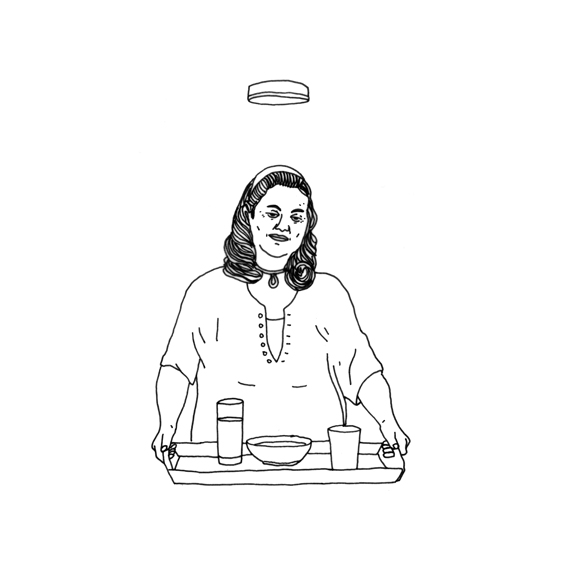
One common experience is the “sick-day tray.” It might include toast, tea, crackers, water, medicine approved by a doctor or pharmacist, and one random item that makes no sense but somehow helps, like a banana wearing a sticker with a cheerful cartoon face. The tray is not fancy. It is not restaurant plating. But when you are sick, it arrives like room service from heaven’s budget department.
Another classic moment is the pharmacy run. This is where the caregiver enters the fluorescent maze of wellness products and tries to make responsible decisions while texting questions like, “Do you need the daytime one or the nighttime one?” and “Why are there 400 kinds of lozenges?” The sick person replies with a message that may contain three typos, one sneeze, and no useful information. Somehow, the caregiver returns victorious. This is love in receipt form.
Then there is the quiet check-in. No big speech. Just a doorway opening a little. “You okay?” Maybe the answer is a thumbs-up from under a blanket. Maybe it is a dramatic whisper: “Water.” The caregiver understands the assignment. These small exchanges become strangely precious because they happen when there is no energy for pretending. Sickness removes polish. Care remains.
Some people remember being cared for by someone unexpected. A neighbor brings broth. A coworker drops off groceries. A friend sends a delivery order with the note, “Eat something, gremlin.” These moments can feel especially moving because they prove kindness is not limited to formal roles. You do not have to be a parent, partner, or professional caregiver to help. Sometimes the person who saves the day is simply the one who notices.
There are funny experiences too. Sick care is full of ridiculous little scenes. Someone trying to fluff pillows and accidentally hitting you in the face. Someone dramatically spraying disinfectant like they are fighting invisible dragons. Someone making soup so bland it tastes like a warm rumor. Someone insisting you watch a “comfort movie,” then falling asleep before the opening credits finish.
But even the awkward parts become lovable. Care does not have to be perfect to be meaningful. The soup can be too salty. The tea can be too weak. The blanket can be tucked in so tightly you feel like a hospital burrito. What matters is the intention underneath: “I want you to feel better. I want this day to be easier for you.”
And when you finally recover, the world looks slightly brighter. You notice the clean mug. The folded blanket. The empty tissue box that someone replaced before you even asked. You realize that while illness made you feel weak, care reminded you that weakness is not failure. It is simply a human condition, and humans are at their best when they meet it with patience, humor, and soup.
That is why “when someone takes care of you when you’re sick” belongs on any list of awesome things. It is not loud. It is not expensive. It is not always photogenic. But it is one of the clearest ways love enters daily life: quietly, practically, and usually carrying a thermometer.
Conclusion
Being cared for when you are sick is one of those ordinary experiences that becomes extraordinary the moment you truly notice it. It combines comfort, trust, practical help, emotional safety, and a little bit of comedy, because nothing says “human vulnerability” like asking someone to bring you soup while you are wrapped in a blanket and negotiating with your sinuses.
The best care is simple: help the person rest, stay hydrated, feel clean, feel safe, and feel less alone. The best caregivers do not need to be perfect. They need to be present. And the best sick-day memories often come from small gestures that say, without making a big production of it, “You matter to me.”
Note: This article is for general lifestyle and wellness information only. It is not medical advice. For severe, unusual, worsening, or high-risk symptoms, contact a qualified healthcare professional.











