
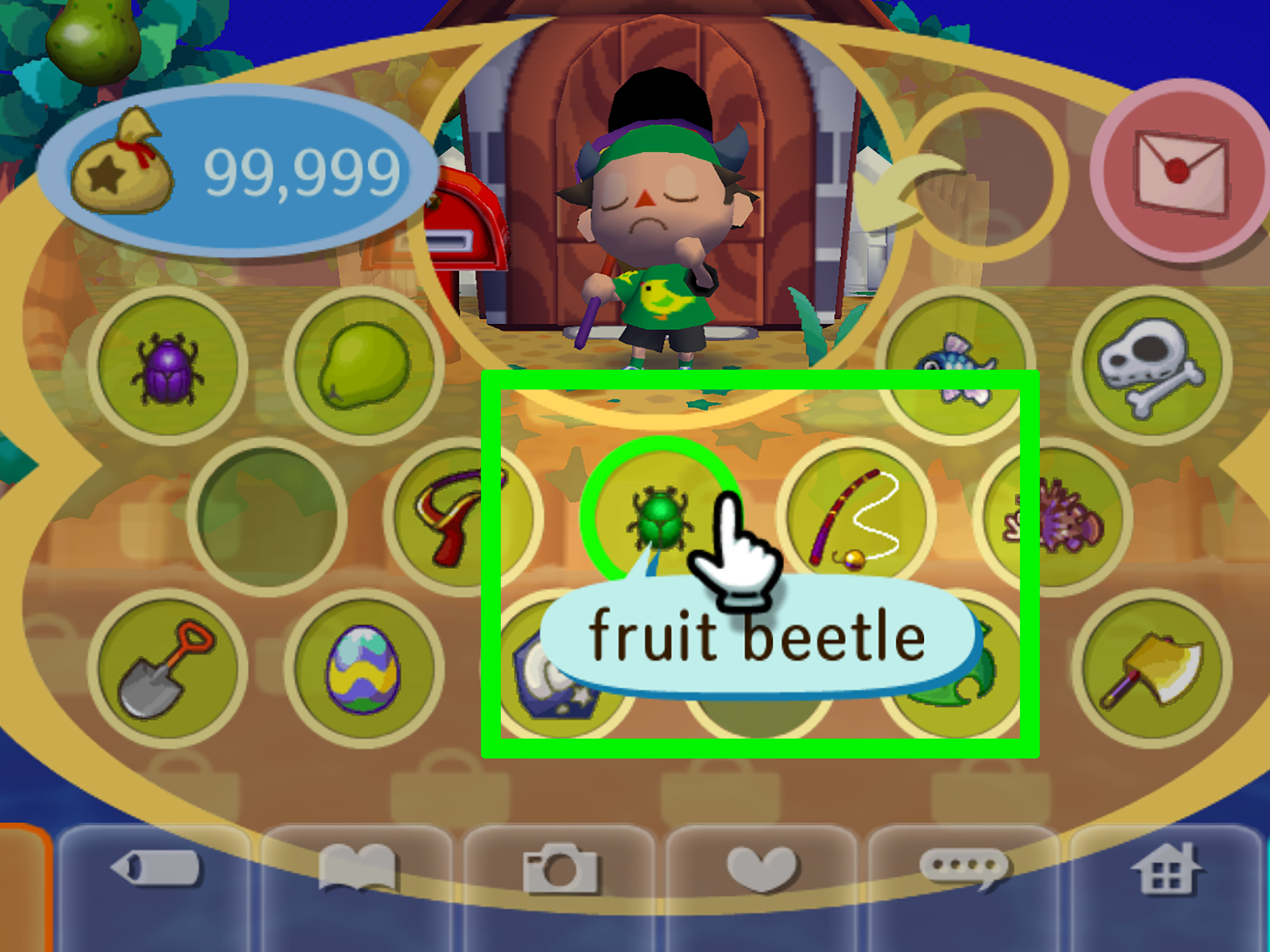
Making money fast in Animal Crossing: City Folk is a little like trying to get rich in a town run by a polite raccoon banker: possible, relaxing, and occasionally suspicious. Bells are the heart of nearly everything you want to do in the game. Want to upgrade your house? Bells. Want to buy that absurdly fancy piece of furniture at GracieGrace? Bells. Want to fill your home with fish tanks, fossils, and questionable wallpaper choices? Congratulations, you still need Bells.
The good news is that City Folk gives you plenty of honest ways to earn money without relying on cheats or ruining the slow, cozy rhythm that makes Animal Crossing fun. The trick is knowing which activities actually pay well and which ones only make you feel productive while your mortgage sits there like a tiny, judgmental mountain.
This guide breaks down seven practical ways to make money fast in Animal Crossing: City Folk, from daily routines like hitting the money rock to bigger strategies like planting foreign fruit orchards, hunting rare bugs, fishing during prime hours, and playing the Stalk Market carefully. Whether you are new to the Wii classic or returning after years away, these methods can help you build a steady Bell-making routine without turning your town into a full-time spreadsheet.
1. Hit the Daily Money Rock Every Single Day
The money rock is one of the fastest daily Bell sources in Animal Crossing: City Folk. Every day, one random rock in your town becomes special. Hit it with a shovel or axe, and it releases Bells for a short period. The faster and more accurately you hit it, the more money you can collect.
The challenge is recoil. Each time you hit the rock, your character gets pushed backward. If you lose position, you lose time, and if you lose time, you lose Bells. The best trick is simple: dig two or three holes behind your character before striking the rock. These holes act like a little dirt-made seatbelt, keeping you close enough to keep swinging.
How to maximize money rock profit
Start your day by checking every rock in town. Stand diagonally in front of each rock, dig holes behind you, and swing quickly. Once you find the money rock, keep hitting until it stops paying. A good hit streak can bring in thousands of Bells in under a minute. That is faster than fishing up five sea bass and pretending you are not disappointed.
If you obtain the silver shovel, it can occasionally improve money rock rewards, making this daily habit even more valuable. But even with a regular shovel, this is one of the most reliable ways to make money fast because it refreshes every day and costs nothing but a few seconds of effort.
2. Build a Foreign Fruit Orchard
Foreign fruit is one of the best long-term money makers in Animal Crossing: City Folk. Your native fruit sells for only 100 Bells each, but non-native fruit sells for 500 Bells each. That means a full pocket of foreign fruit is dramatically more profitable than a full pocket of your local apples, oranges, cherries, peaches, or pears.
The first step is getting foreign fruit. You can receive it from other players, trade with friends, or sometimes get it by mailing fruit to villagers. Once you have a foreign fruit, do not immediately sell it. Plant it. One fruit can become a tree, and one tree can eventually become an orchard. That is the Animal Crossing version of financial planning, except cuter and with more bees.
Best way to plant foreign fruit
For the highest success rate, cut down an existing tree, dig up the stump, and plant the foreign fruit in that same spot. Since a tree already grew there, the location is usually safe for another tree. After a few days, the new fruit tree should mature and produce three pieces of fruit. Harvest them, sell some, and replant some until your town has a strong foreign fruit network.
A town full of foreign fruit trees can produce a steady wave of Bells every few days. Even better, this method is calm and predictable. You are not gambling on turnip prices or chasing a scorpion at 2 a.m. while questioning your life choices. You simply shake trees, collect fruit, sell it to Tom Nook, and smile like a tiny orchard tycoon.
3. Fish for High-Value Catches
Fishing is one of the classic ways to make Bells in Animal Crossing: City Folk, but not all fish are created equal. Some are basically swimming pocket change, while others are worth a small fortune. If you want to make money fast, focus on fish that sell for thousands of Bells instead of filling your pockets with low-value catches.
Rare fish such as sharks, coelacanths, dorados, stringfish, tuna, and other large catches can pay extremely well. The sea is especially profitable during certain seasons and times of day, particularly when finned shadows appear. If you see a fin in the water, stop whatever you are doing. Cancel your fictional plans. That fish is probably worth more than the furniture in your front room.
Fishing tips for faster Bells
Fish during rain or snow when possible, because the coelacanth appears only in wet weather and is one of the most valuable fish in the game. Watch shadow sizes carefully. Huge shadows and finned shadows are often worth your time. If you catch too many cheap fish in one area, move to another part of the river, ocean, or waterfall zone to refresh your search.
Fishing also pairs well with other money-making tasks. You can check the beach for shells, stop by rocks for the money rock, and catch fish along the coast in one loop. This makes your town route efficient instead of random. In Animal Crossing, wandering is charming. Wandering with a plan is profitable.
4. Hunt Rare Bugs, Especially in Summer
Bug catching can be extremely profitable in Animal Crossing: City Folk, especially during summer evenings and nights. Some rare beetles, tarantulas, and scorpions sell for thousands of Bells. Palm trees are particularly important because several valuable beetles appear on them, including high-priced stag and horned beetle species.
The key is timing. Many of the best bugs appear in the evening, at night, or during specific summer months. If you are playing during July or August, nighttime bug hunting can become one of the fastest ways to earn money. It can also become one of the fastest ways to get stung, chased, or emotionally humbled by a digital scorpion.
How to improve bug-catching profit
Walk slowly when approaching beetles on trees. Running can scare them away instantly. If you see a tarantula or scorpion, be careful with your net. These bugs can attack if you approach poorly, but catching one can be worth the risk. Clear distractions from your town where possible, and check palm trees often during peak bug hours.
For a focused money run, start at one end of the beach and walk past each palm tree. Then loop through your town, checking regular trees, flowers, rocks, and open ground. Entering and exiting buildings can help refresh spawns, giving you more chances to find valuable insects. When your pockets are full, sell everything to Nook and repeat if the night is still young.
5. Dig Up and Sell Fossils After Appraisal
Fossils are a reliable source of Bells because new dig spots appear around town regularly. Look for star-shaped cracks in the ground, dig them up with your shovel, and take the fossils to Blathers at the museum for appraisal. Once a fossil is identified, you can donate it or sell it.
Early in the game, donating new fossils is worth considering because it helps complete your museum. But duplicate fossils can become excellent money makers. Many fossil pieces sell for several thousand Bells, and a quick fossil route can turn a normal day into a very respectable payday.
Why appraising matters
Unidentified fossils are not nearly as useful as appraised ones. Always take them to Blathers first. After that, decide whether the museum needs the item. If the museum already has it, sell the duplicate to Tom Nook. This creates a nice balance between progress and profit.
Fossil hunting also works well because it does not depend heavily on luck after the dig spots appear. You do not need rare weather, perfect timing, or a heroic battle with a tarantula. You just need a shovel, a good eye, and the patience to stop accidentally digging up flowers like a chaotic little archaeologist.
6. Play the Stalk Market Carefully
The Stalk Market can be one of the fastest ways to make a lot of Bells in Animal Crossing: City Folk, but it is also risky. Joan visits on Sunday mornings selling white turnips. During the week, Tom Nook offers changing prices for those turnips. Buy low, sell high, and you can make a serious profit. Buy too high or wait too long, and your turnips may rot into sadness.
Turnips are not for players who forget what day it is. They spoil after the week ends, and time traveling can ruin them. If you plan to invest in turnips, check prices daily and keep notes. Even a simple record like “Bought at 96 Bells” can help you decide when a sale price is good enough.
Smart turnip strategy
Avoid spending every Bell you own on turnips unless you enjoy living dangerously. Start with an amount you can afford to lose. If Nook offers a price above your purchase price, decide whether to take the profit or wait for a bigger spike. Greed is tempting, but so is financial survival.
The Stalk Market works best when combined with safer income sources. Use daily money rocks, fossils, fruit, fish, and bugs to create a steady Bell base. Then use turnips as a bonus opportunity rather than your entire economy. Think of it as investing, not dumping your whole wallet into vegetable roulette.
7. Collect Shells and Sell Easy Beach Finds
Shell collecting will not make you instantly rich, but it is one of the easiest ways to earn quick Bells with almost no effort. Every day, shells appear along the beach. Some are cheap, but others, such as pearl oysters and scallops, are worth picking up whenever you see them.
The best part is that shells do not require tools. You do not need bait, nets, weather, or careful timing. You simply walk along the beach, scoop them up, and sell them. This makes shell collecting especially helpful during the early game when you are still buying tools and building your first reliable money routine.
Make shells part of your daily route
Do a full beach sweep whenever you play. While you are there, fish in the ocean, check palm trees for bugs, and look for coconuts if you have planted them. This turns the beach into a compact profit zone. It may not be glamorous, but neither is owing Tom Nook money, and we all survive somehow.
Shells are best treated as bonus income. They fill empty pocket spaces and add extra Bells to every shop visit. Over time, these small sales add up, especially when combined with high-value fish, palm beetles, and foreign fruit harvests.
Bonus Strategy: Money Trees Can Pay Off, But They Are Risky
Money trees are one of the flashier ways to make Bells in Animal Crossing: City Folk. After you get the golden shovel, you can bury Bells and potentially grow a money tree. If successful, the tree can produce bags of Bells. That sounds amazing, and sometimes it is. But it is not a guaranteed daily jackpot.
The chance of success depends on how much money you bury, and if the tree does not become a money tree, your investment is gone. For that reason, money trees are best used after you already have stable income. Do not bury your entire savings unless you are prepared to stare at a regular tree and feel personally betrayed.
Best Daily Bell-Making Routine
If you want a practical routine for making money fast, combine several methods into one loop. Start by checking every rock until you find the money rock. Then dig up fossils and take them to Blathers. After that, sweep the beach for shells and fish along the coast. If your foreign fruit trees are ready, harvest and sell the fruit. In the evening, add a bug-hunting run, especially during summer.
This routine works because it balances reliable income with high-value opportunities. The money rock and fossils give you consistency. Fruit gives you scheduled profit. Fishing and bug hunting give you jackpot potential. Turnips and money trees add riskier, higher-reward options when you feel ready.
Common Money-Making Mistakes to Avoid
One common mistake is selling foreign fruit before planting it. Always grow your first few foreign fruits into trees. Another mistake is ignoring fossils because they seem slow. In reality, appraised duplicate fossils can be worth a lot. Players also waste time catching low-value fish for too long when they could be targeting better shadows, weather conditions, or seasonal catches.
Another big mistake is treating turnips like guaranteed profit. They are not. The Stalk Market can make you rich, but it can also punish you for waiting too long. Finally, do not forget pocket management. Empty your inventory before a money run so you do not have to leave valuable fish, bugs, or fruit behind.
Personal Experience: What Actually Feels Fast in City Folk
From a player-experience point of view, the fastest way to make money in Animal Crossing: City Folk is not one single method. It is the rhythm you build. The game rewards players who create a routine and stick with it. When I think about a strong Bell-making session, I do not imagine standing in one spot doing the same thing forever. I imagine making a loop through town with purpose: rocks first, fossils next, beach after that, then fishing or bugs depending on the season and time.
The money rock feels especially satisfying because it is quick and immediate. There is something funny about frantically smacking a rock while Bell bags pop out like the town geology department made a serious accounting error. It also teaches one of the best lessons in the game: preparation matters. Digging holes behind your character seems tiny, but it can be the difference between a weak payout and a strong one.
Foreign fruit, on the other hand, feels like the best “future you will thank you” strategy. At first, planting fruit instead of selling it can feel painfully slow. You may look at that single peach or pear and think, “But I could have 500 Bells right now.” Resist the temptation. Once you have rows of foreign fruit trees producing every few days, the payoff becomes obvious. It turns your town into a quiet little income machine, except the machine has birds singing in the background.
Fishing is more emotional. Some sessions are amazing. You catch a rare fish, sell it, and feel like a financial genius in rubber boots. Other times, the sea gives you a parade of cheap fish and one boot, as if the ocean is personally mocking your mortgage goals. Still, fishing remains worth it because the high-value catches can change your day quickly. Rainy evenings are especially exciting because of the chance to catch a coelacanth.
Bug hunting is probably the most thrilling money method. Summer nights in City Folk can turn your town into a tiny wilderness economy. Palm beetles are valuable, but they demand patience. Move too fast and they vanish. Approach carefully and you can make thousands of Bells in seconds. Tarantulas and scorpions add comedy and danger. They are profitable, yes, but they also have the energy of tiny unpaid security guards.
Fossils are the quiet heroes. They are not flashy, but they are dependable. There is a nice satisfaction in finding all the dig spots, visiting Blathers, donating what is new, and selling the duplicates. It makes your town feel productive without pressure. Shells are similar. They will not make you wildly rich, but they make every beach walk more valuable.
The Stalk Market is the method I would recommend only after a player understands the weekly rhythm of the game. It can be exciting, but it can also turn relaxing gameplay into turnip anxiety. Used carefully, it is a fantastic bonus. Used recklessly, it is a vegetable-flavored tragedy.
Overall, the best experience comes from mixing methods. Do the reliable tasks every day, chase rare fish and bugs when conditions are right, and slowly build your town into a Bell-friendly place. That is the real secret: fast money in Animal Crossing: City Folk is less about rushing and more about knowing where the value is hiding.
Conclusion
Making money fast in Animal Crossing: City Folk is all about smart habits. Hit the daily money rock, plant foreign fruit, target valuable fish, hunt rare bugs, appraise fossils, use turnips carefully, and collect easy beach items whenever you can. None of these methods require cheating, and together they create a reliable path toward bigger houses, better furniture, and fewer awkward conversations with Tom Nook about debt.
The best approach is to combine short-term and long-term strategies. Use the money rock and fossils for daily income. Use foreign fruit for steady growth. Use fishing and bug hunting for big catches. Use the Stalk Market only when you can afford the risk. Before long, your pockets will feel heavier, your house will look better, and your town will become less “struggling villager” and more “responsible Bell baron with excellent wallpaper.”
Note: This article is written for web publication in standard American English and focuses on legitimate in-game Bell-making methods for Animal Crossing: City Folk.














