
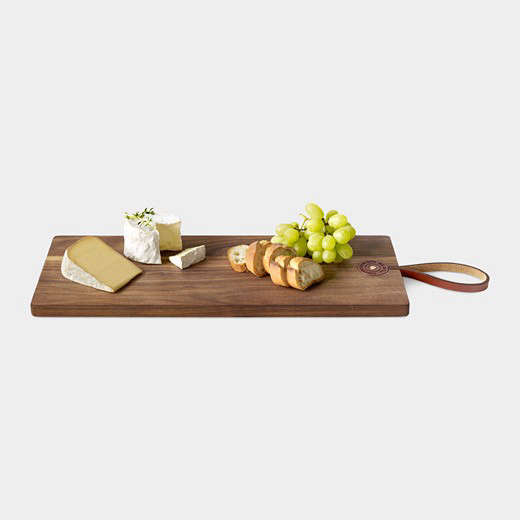
A black walnut cutting board is the kitchen version of a tailored dark suit: practical, handsome, and somehow able to make even a pile of chopped onions look like it belongs in a magazine spread. But this board is more than a pretty slab of chocolate-brown hardwood. Black walnut, also known as American walnut or Juglans nigra, has long been valued in the United States for fine furniture, cabinetry, gunstocks, veneer, and premium kitchenware. When made correctly and cared for properly, a black walnut cutting board can be both a reliable prep surface and a centerpiece you accidentally brag about when guests come over.
This guide explains what makes walnut special, how it compares with other cutting board materials, what to look for before buying, and how to maintain it so it stays smooth, sanitary, and beautiful. Because yes, a cutting board can have a skincare routine too.
What Is a Black Walnut Cutting Board?
A black walnut cutting board is a food-prep board made from the hardwood of the black walnut tree, a species native to much of the eastern and central United States. The wood is known for its rich brown heartwood, sometimes showing darker streaks, purplish undertones, reddish warmth, or creamy sapwood contrast. That natural color variation is one reason walnut boards feel custom even when they are not. No two boards look exactly alike, which is perfect for anyone who wants kitchen tools with personality.
Walnut is considered a premium domestic hardwood. It is strong, moderately hard, dimensionally stable when dried correctly, and easier on knives than some ultra-hard materials. It has a Janka hardness rating of about 1,010 lbf, placing it below hard maple but above many softer woods commonly used in decorative items. In real kitchen language, that means it is sturdy enough for daily slicing and chopping, but not so brutally hard that your chef’s knife files a complaint with HR.
Why Black Walnut Works So Well for Cutting Boards
1. It Is Durable Without Being Knife-Unfriendly
The best cutting board is not simply the hardest board. Glass and stone are hard, but they are terrible for knives. A black walnut cutting board offers a balanced surface: firm enough to handle vegetables, bread, cheese, herbs, and everyday meal prep, yet forgiving enough to help protect sharp edges. This is one reason walnut is popular among home cooks who care about both performance and appearance.
2. The Color Is Naturally Beautiful
Black walnut has one of the most recognizable looks in American hardwoods. Its heartwood ranges from light brown to deep chocolate, often with dramatic streaking. Some boards include pale sapwood for contrast, while others are made from darker, more uniform pieces. Add food-safe oil, and the color deepens dramatically. The first oiling can feel like turning up the brightness on a hidden painting.
3. It Has Good Dimensional Stability
Wood moves with moisture. That is not a flaw; it is just wood being wood. Walnut is valued because, when properly dried and constructed, it has good stability compared with many other hardwoods. A well-made walnut cutting board is less likely to behave like a potato chip in humid weather, provided you do your part by not soaking it, dishwashing it, or leaving it beside the sink like a forgotten canoe.
4. It Feels Premium in Everyday Use
Some kitchen tools are purely functional. A black walnut cutting board is functional, but it also adds warmth to the room. It can be used for chopping vegetables, slicing fruit, serving bread, arranging cheese, or presenting charcuterie. In smaller kitchens, that dual role matters. A board that works hard and looks good on the counter earns its keep.
Black Walnut vs. Maple, Cherry, Bamboo, and Plastic
Black Walnut vs. Maple
Maple is often considered the classic cutting board wood, especially hard maple. It is lighter in color, harder than walnut, and widely used in butcher blocks. Walnut, however, has a darker, more luxurious look and is slightly gentler on knives. If you want the traditional workhorse, maple is excellent. If you want a board that works beautifully and looks like it belongs next to an espresso machine and a tiny bowl of fancy salt, walnut wins the style contest.
Black Walnut vs. Cherry
Cherry is a warm, reddish-brown hardwood that darkens with age. It is usually a little softer than walnut, which makes it friendly to knives but more prone to visible marks. Walnut offers a deeper color and a slightly firmer feel. Both are good choices for cutting boards, and many makers combine walnut and cherry for striped or patterned boards.
Black Walnut vs. Bamboo
Bamboo is technically a grass, not a hardwood, and it is often marketed as eco-friendly because it grows quickly. It can be hard and durable, but some bamboo boards rely heavily on adhesives, and the surface may be tougher on knife edges than walnut. Walnut feels more traditional, more repairable, and more visually refined.
Black Walnut vs. Plastic
Plastic boards are affordable, dishwasher-safe, and often recommended for raw meat because they are easier to sanitize thoroughly. However, plastic develops knife grooves over time, and those grooves can hold moisture and debris. Walnut requires handwashing and maintenance, but it offers a natural surface, long service life, and better countertop appeal. Many households use both: plastic for raw meat and poultry, walnut for produce, bread, cheese, herbs, and serving.
End Grain, Edge Grain, and Face Grain: Which Walnut Board Should You Buy?
End Grain Black Walnut Cutting Board
An end grain cutting board is made by arranging wood so the ends of the fibers face upward. This creates a surface that absorbs knife impact more gently, almost like the fibers part and close back together. End grain boards are often considered premium because they are easier on knives and can hide cutting marks well. They are also more labor-intensive to make, which means higher prices. If you cook often and want a board that feels like serious kitchen equipment, end grain walnut is a strong choice.
Edge Grain Black Walnut Cutting Board
An edge grain board is made from long strips of wood joined side by side. It is durable, attractive, and usually more affordable than end grain. Edge grain walnut boards are excellent for daily home use and often have beautiful linear grain. For most cooks, this is the sweet spot: strong, stylish, and not priced like a small appliance.
Face Grain Black Walnut Board
Face grain boards show the wide face of the lumber, making them especially beautiful for serving. However, they tend to show knife marks more easily and are usually better for light prep, bread, cheese, fruit, and presentation. If your board’s main job is to make crackers and brie look like they went to finishing school, face grain is lovely.
Is a Black Walnut Cutting Board Food Safe?
Yes, a properly made black walnut cutting board can be food safe for normal kitchen use. The key phrase is “properly made.” A good board should be constructed from clean, kiln-dried or properly seasoned hardwood, glued with food-safe waterproof adhesive, sanded smooth, and finished with a food-safe oil or board conditioner.
There is sometimes confusion about walnut because the black walnut tree produces juglone, a natural compound associated with plant sensitivity around walnut trees. That does not mean a finished walnut cutting board is automatically unsafe. Walnut has been widely used for cutting boards, serving boards, bowls, utensils, and other kitchen items. The bigger food-safety issues are construction quality, cleaning habits, cross-contamination, and whether the board is cracked, deeply grooved, or neglected.
For households with severe walnut or tree nut allergies, the practical risk from finished walnut wood is generally considered very low because food allergies are triggered by proteins in the nut, not by the lumber itself. Still, comfort matters. If someone in the home is highly sensitive or anxious about walnut exposure, choose maple or another hardwood instead. Peace of mind is also a kitchen tool.
What to Look for Before Buying a Black Walnut Cutting Board
Choose the Right Thickness
A board between 1.25 and 2 inches thick is a practical range for many kitchens. Thinner boards are lighter and easier to store, while thicker boards feel more stable and resist warping better. If you plan to keep the board on the counter, a heavier board is convenient. If you move it in and out of a cabinet every day, remember that “premium heft” can become “why is this board doing deadlifts?”
Check the Glue Lines
Most walnut cutting boards are made from multiple pieces of wood joined together. The glue lines should be tight, clean, and even. Gaps can trap moisture and food particles. Look for boards made with waterproof, food-safe wood glue. If the product description is vague, ask the maker.
Look for Smooth Sanding
A quality board should feel smooth but not plasticky. Edges should be slightly eased so they do not feel sharp in the hand. If the board has a juice groove, make sure it is smooth and easy to clean. Fancy design is wonderful, but tiny hard-to-clean crevices are where kitchen joy goes to retire.
Consider Feet, Handles, and Juice Grooves
Rubber feet can improve airflow and stability, but they also make one side the dedicated cutting side. A reversible board gives you two usable surfaces. Juice grooves are helpful for carving cooked meats or cutting juicy fruit, but they reduce usable flat space. Handles make lifting easier but may interrupt the clean look. Choose based on how you actually cook, not how your imaginary cooking-show version of yourself behaves.
How to Clean a Black Walnut Cutting Board
Cleaning a walnut cutting board is simple, but it must be done consistently. After each use, scrape off food debris, wash the board with warm water and mild dish soap, rinse lightly, and dry it immediately with a clean towel. Then stand it upright or place it on an edge so air can circulate on both sides.
Do not soak a walnut board in water. Do not put it in the dishwasher. Dishwashers combine heat, water, detergent, and time, which is basically a spa day for ruining wood. Prolonged moisture can cause warping, cracking, glue-line failure, or a rough raised grain.
For odor control, rub the surface with coarse salt and half a lemon, then rinse and dry. For deeper sanitation, use a food-safe diluted bleach solution or another appropriate sanitizer, following safe dilution guidance and rinsing or drying as recommended. After sanitizing, let the board dry thoroughly before oiling.
How to Oil and Maintain a Black Walnut Cutting Board
Walnut cutting boards need regular conditioning. Use food-grade mineral oil or a dedicated cutting board oil. Apply a generous coat to a clean, dry board, let it soak in, and wipe off the excess. For extra protection, follow with a board cream made from mineral oil and beeswax. The oil penetrates the wood, while the wax helps create a moisture-resistant surface layer.
How often should you oil it? The simple answer: whenever it looks dry. A new board may need oiling once a week for the first month, then monthly or as needed. If water no longer beads on the surface, the board is asking for help. Do not ignore it. Dry wood cracks, and cracked cutting boards are not charming rustic character; they are cleaning problems wearing a disguise.
Avoid vegetable oils such as olive oil, corn oil, or sunflower oil. They can become sticky or rancid over time. Food-grade mineral oil remains stable and is widely used for cutting board care.
Common Mistakes That Shorten a Walnut Board’s Life
Leaving It Wet
Moisture is the biggest enemy of wood boards. A quick wash is fine. A long soak is not. Dry the board right away and let it stand upright to finish drying evenly.
Cutting Raw Meat on It Without a Plan
You can use wood boards for many food-prep tasks, but cross-contamination is serious. The safest household routine is to dedicate separate boards for raw meat, seafood, poultry, produce, bread, and ready-to-eat foods. Many cooks keep a plastic board for raw proteins and reserve walnut for vegetables, fruit, bread, herbs, and serving.
Using It as a Hot Pad
A walnut board is not a trivet. Very hot pans can damage the finish, scorch the wood, or cause uneven drying. Use a proper heat-resistant trivet and let your cutting board continue its career in chopping, not emergency cookware support.
Forgetting to Refinish It
Over time, even the best board will show knife marks. Light scratches can often be refreshed by sanding and re-oiling. Start with a fine grit, sand evenly with the grain, clean away dust, and apply food-safe oil. If the board is deeply cracked, split, warped, or smells bad after cleaning, it may be time to replace it.
Best Uses for a Black Walnut Cutting Board
A black walnut cutting board shines in everyday prep and presentation. It is excellent for slicing apples, chopping herbs, mincing garlic, cutting sandwiches, serving cheese, arranging bread, and presenting charcuterie. The dark wood makes colorful foods pop. Strawberries look brighter, cheeses look creamier, and even celery looks like it hired a publicist.
For heavy cleaver work, bones, frozen foods, or aggressive chopping, use a board designed for that abuse. Walnut is durable, but no premium wood board wants to be treated like a lumberyard offcut. Respect the surface, and it will reward you for years.
Is a Black Walnut Cutting Board Worth It?
A black walnut cutting board is worth it if you want a board that combines performance, beauty, and long-term value. It costs more than basic plastic and often more than entry-level bamboo, but it offers a richer appearance, repairability, and a satisfying cutting feel. For people who cook regularly, a good walnut board becomes part of the kitchen rhythm.
It is not the best choice if you want zero maintenance. Walnut needs handwashing, drying, and oiling. If that sounds exhausting, a dishwasher-safe plastic board may be more realistic. But if you enjoy tools that improve with care, a walnut board is a smart investment.
Real-Life Experiences With a Black Walnut Cutting Board
The first thing most people notice about a black walnut cutting board is not its hardness rating, grain direction, or moisture behavior. It is the color. A new walnut board has a way of making the whole kitchen feel warmer. Put it on a white countertop and it looks dramatic. Place it beside stainless steel appliances and it softens the room. Use it under a loaf of sourdough, and suddenly breakfast looks intentional instead of “I found butter and called it a meal.”
In daily use, the biggest advantage is how comfortable walnut feels under a knife. It has a gentle resistance that makes chopping pleasant. On a plastic board, the knife can feel clicky and loud. On glass, it feels like culinary punishment. On walnut, the blade lands with a quiet, confident tap. Chopping parsley, slicing cucumbers, or dicing onions feels smoother and less harsh. That may sound like a small detail, but when you cook often, small details become the difference between enjoying prep and rushing through it like a chore.
A walnut board also changes how people serve food. Many owners start by buying one for cutting, then slowly realize it is too attractive to hide in a cabinet. It becomes the board for cheese nights, sandwich lunches, fruit plates, and “I did not cook, but I arranged snacks with confidence” dinners. Dark walnut makes pale cheeses, green grapes, bright citrus, crackers, cured meats, and roasted vegetables look elegant. It is the kind of board that makes guests ask where it came from, which is both flattering and dangerous because now you must pretend you did not spend twenty minutes comparing grain patterns online.
The maintenance routine becomes easier with habit. After washing, drying the board upright feels automatic. Oiling it once in a while can even be satisfying. The dry surface turns deep and glossy as the oil soaks in, revealing streaks and figure you may not have noticed before. It is a tiny kitchen transformation, like watering a plant and watching it perk up, except the plant is a board and cannot judge your herb garden.
There are lessons, though. Walnut will show use. It can get knife marks, especially if you chop in the same spot every time. It may lighten in areas that are washed often and darken again with oil. Acidic foods, moisture, and neglect can dull the finish. None of this means the board is failing. It means it is being used. A walnut cutting board is not meant to remain a museum object. The best ones develop a quiet patina: small marks, softened edges, and a surface that tells the story of weeknight dinners, holiday prep, late-night toast, and that one ambitious salad phase.
The most satisfying experience is realizing that a good cutting board can change how the kitchen feels. It encourages better habits: sharper knives, cleaner prep, separate boards for safer food handling, and a little more care after cooking. A black walnut cutting board will not make dinner for you, unfortunately. But it can make the work feel calmer, prettier, and more intentional. In a world full of disposable kitchen gadgets, that is a refreshingly solid thing to own.
Conclusion
A black walnut cutting board is a beautiful, durable, and highly practical choice for home kitchens. It offers a balanced cutting surface, a rich natural appearance, and enough versatility to move from meal prep to serving without missing a beat. The key is choosing a well-made board and caring for it properly: wash by hand, dry quickly, oil regularly, avoid the dishwasher, and use separate boards to reduce cross-contamination.
If you want a low-maintenance board you can toss into the dishwasher, walnut may not be your match. But if you want a premium hardwood cutting board that looks stunning, feels great under a knife, and can last for years with basic care, black walnut deserves a place on your counter. It is not just a cutting board. It is a daily kitchen companion with better lighting than most of us have on video calls.
Note: This article is based on real U.S. hardwood, woodworking, and food-safety information and is written for general home-kitchen use. Always follow the board maker’s care instructions and use proper food-safety practices.












