
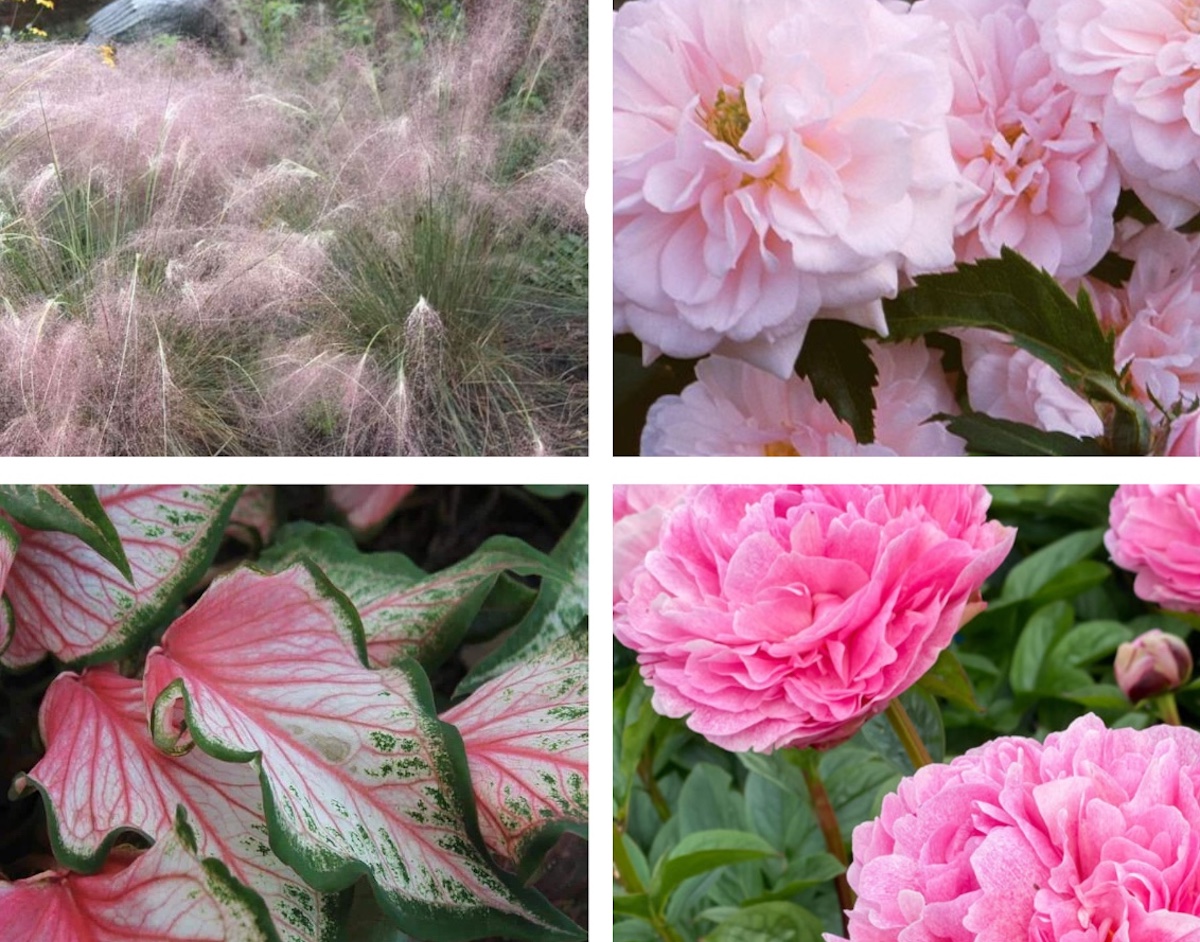
A monochromatic garden sounds simple: choose one color, plant flowers in that color, step back, and accept compliments from neighbors who suddenly “just happened” to walk by three times in one afternoon. But a truly beautiful one-color flower garden is more than a paint-swatch obsession with roots. It is a thoughtful mix of shades, textures, bloom times, plant heights, foliage, and seasonal rhythm.
The magic of a monochromatic garden is that it feels calm and intentional without being boring. Instead of asking red, yellow, purple, blue, and orange to all shout at the same time, you let one hue sing lead vocals while foliage, flower shapes, and light play backup. A pink garden can feel romantic and soft. A white garden glows in the evening like it has its own moonlight subscription. A red garden brings drama. A blue garden feels cool and peaceful, even when you are sweating through your gardening gloves in July.
Whether your favorite hue is fiery orange, elegant white, sunny yellow, moody purple, or “I only wear black but I also garden,” this guide will help you choose the best flowers for a monochromatic garden that looks designed, not accidentally color-coded by a squirrel with strong opinions.
What Is a Monochromatic Garden?
A monochromatic garden uses one main color family throughout the planting design. That does not mean every bloom must be the exact same shade. In fact, please do not do that unless your goal is “hardware store paint aisle, but alive.” The most successful monochromatic gardens include tints, tones, and shades of the same hue.
For example, a purple garden might include pale lavender catmint, deep violet salvia, plum-colored alliums, and silvery foliage. A yellow garden might blend lemony coreopsis, golden black-eyed Susan, buttery daylilies, and chartreuse leaves. The color stays unified, but the garden still has depth and movement.
Why One-Color Gardens Work So Well
Monochromatic flower beds are pleasing because the eye does not have to bounce between competing colors. The effect can make a small garden feel larger and more organized. Since color contrast is reduced, form and texture become more noticeable. Spiky salvias, round alliums, airy cosmos, ruffled peonies, daisy-like coneflowers, and bold hydrangea heads suddenly become the stars of the show.
The trick is to avoid flatness. If every plant is the same height, shape, and bloom time, the garden may look less like a sophisticated design and more like you panic-bought a tray of petunias. Build layers instead: low edging plants, mid-height perennials, tall back-of-border flowers, and a few vertical accents.
How to Design a Monochromatic Flower Garden
Start With Your Light Conditions
Before falling in love with a flower color, look at your garden’s sunlight. Full sun generally means at least six hours of direct light per day. Many classic color-rich flowers, including zinnias, coneflowers, black-eyed Susans, salvias, marigolds, and daylilies, perform best in sunny beds. Shade and part-shade gardens can still be gorgeous, but you will lean more heavily on plants such as impatiens, begonias, astilbe, hellebores, hostas, foxgloves, and certain hydrangeas.
Plan for Bloom Time
A monochromatic garden should not peak for one heroic week and then spend the rest of the season looking like a salad with regrets. Mix spring, summer, and fall bloomers. Bulbs and early perennials can start the color story, long-blooming annuals can carry the middle of the season, and late-season plants such as asters, mums, goldenrod, sedum, dahlias, or ornamental grasses can finish the show.
Use Foliage as Your Secret Weapon
Flowers get the applause, but foliage does the daily labor. Silver leaves soften purple and white gardens. Burgundy foliage deepens red and pink designs. Chartreuse leaves make yellow and green gardens feel fresh. Dark green foliage keeps hot colors from becoming visually exhausting. In a monochromatic garden, leaves are not background extras; they are the supporting cast keeping the plot together.
Repeat Plants for a Professional Look
Repetition creates unity. Instead of planting one red zinnia, one red salvia, one red dahlia, and one red rose in a botanical speed-dating event, repeat a few dependable plants in groups. Odd-numbered clusters of three, five, or seven often look natural and balanced. Repeating the same plant down a border also guides the eye and makes the design feel intentional.
The Best Flowers for a Red Monochromatic Garden
A red garden is bold, warm, and impossible to ignore. Red flowers are excellent near patios, front entries, and sunny borders where you want energy and impact. Because red can visually advance toward the viewer, it is useful for drawing attention to a focal point.
Best Red Flowers to Plant
Red salvia is a reliable annual or tender perennial in many regions, loved for upright spikes and hummingbird appeal. Bee balm brings shaggy red blooms and pollinator value, especially in sunny perennial borders. Zinnias are easy from seed, come in rich red varieties, and bloom generously when cut or deadheaded. Dahlias provide large, dramatic flowers from midsummer into fall. For structure, add red shrub roses or red daylilies, both of which can anchor a long-lasting display.
To keep a red garden from looking too heavy, mix scarlet, crimson, burgundy, and cherry tones. Add dark green leaves, bronze foliage, or ornamental grasses for breathing room. Red looks especially sharp near brick, charcoal planters, black metal edging, or natural stone.
The Best Flowers for a Pink Monochromatic Garden
Pink is one of the easiest colors for a monochromatic flower garden because it has so many personalities. Pale blush feels romantic. Bubblegum pink feels playful. Rose pink feels classic. Hot pink struts into the garden wearing sunglasses and refusing to apologize.
Best Pink Flowers to Plant
Peonies are spring royalty, offering big fragrant blooms that look expensive even when the rest of the garden is still waking up. Garden phlox brings midsummer clusters in shades from soft pink to magenta. Pink coneflowers are sturdy, pollinator-friendly perennials with long-lasting daisy-like flowers. Dianthus works well along edges, especially where you want fragrance and tidy mounds. Roses, cleome, cosmos, and pink petunias can extend the look through summer.
For depth, combine pale pink flowers with deeper rose or raspberry tones. Add gray-green foliage from lamb’s ear or artemisia for softness. In cottage gardens, pink pairs beautifully with curved paths, white fences, and a slightly relaxed planting style that says, “Yes, this is charming chaos, but professionally charming chaos.”
The Best Flowers for an Orange Monochromatic Garden
An orange garden is cheerful, tropical, and full of personality. It works beautifully in sunny spaces and can make a large landscape feel warmer and more inviting. Orange flowers also stand out at a distance, which makes them useful along driveways, slopes, or big backyard borders.
Best Orange Flowers to Plant
Butterfly weed is a standout native perennial with bright orange clusters and excellent value for pollinators. Calendula offers softer orange and apricot shades during cool seasons in many regions. Marigolds are dependable annuals for edging, containers, and vegetable garden borders. Orange zinnias bloom heavily in summer and make terrific cut flowers. Daylilies provide bold color with very little drama, which is rare and should be appreciated. For height, try Mexican sunflower, a fiery annual that can become a pollinator magnet.
Orange can become intense, so balance it with green foliage, seed heads, and softer peach tones. Terra-cotta pots, gravel paths, and rustic wood accents make an orange garden feel intentional rather than overheated.
The Best Flowers for a Yellow Monochromatic Garden
Yellow gardens feel bright, friendly, and optimistic. They are especially useful in areas that need visual warmth, such as shaded edges, cloudy climates, or corners of the yard that look sleepy. Yellow flowers catch light beautifully and can make a garden feel alive even on gray days.
Best Yellow Flowers to Plant
Coreopsis is a long-blooming favorite with golden daisy-like flowers. Black-eyed Susan brings late-summer strength and cheerful petals around dark centers. Sunflowers add height, wildlife value, and instant joy. Yarrow offers flat-topped flower clusters and drought tolerance once established. Yellow daylilies, calendula, marigolds, and daffodils can stretch the palette from early spring into fall.
For sophistication, mix lemon, butter, gold, and mustard tones. Add chartreuse foliage from plants like lady’s mantle or golden creeping Jenny where appropriate. Yellow looks clean with white trim, blue-gray stone, or dark evergreens. It also plays nicely with edible gardens, where calendula, nasturtiums, and sunflowers can blur the line between ornamental and useful.
The Best Flowers for a Purple Monochromatic Garden
Purple gardens are elegant, calming, and surprisingly flexible. Lavender and lilac shades feel soft and romantic, while deep violet and plum create mystery. Purple also pairs beautifully with silver foliage, making it a favorite for Mediterranean-style borders, pollinator gardens, and modern landscapes.
Best Purple Flowers to Plant
Lavender is famous for fragrance, silvery leaves, and purple flower spikes, especially in sunny, well-drained locations. Catmint is easygoing, aromatic, and excellent for soft edging. Salvia offers upright purple spikes that bees adore. Alliums bring globe-shaped blooms in late spring and early summer. Verbena, heliotrope, iris, clematis, and purple coneflowers add more forms and bloom windows.
Because purple can disappear in low light, use pale lavender near pathways and deeper tones in sunny areas. Add silver, blue-green, or dark burgundy foliage for contrast without breaking the monochromatic mood. A purple garden near a seating area feels restful, as if the yard has taken a deep breath and invited you to stop doom-scrolling.
The Best Flowers for a Blue Monochromatic Garden
True blue flowers are less common than gardeners wish, which is nature’s way of keeping us humble. Many “blue” flowers lean lavender, violet, or sky-blue depending on light and soil. Still, a blue garden is worth the effort because it feels cool, spacious, and serene.
Best Blue Flowers to Plant
Baptisia, also called false indigo, is a durable perennial with blue-purple spring blooms and attractive foliage. Delphiniums provide dramatic vertical spikes in rich blue shades, though they may need staking and cooler conditions. Lobelia is excellent for containers, edging, and hanging baskets. Morning glory can cover a trellis with blue trumpet-shaped flowers in summer. Siberian iris, blue hydrangeas, forget-me-nots, and blue flax can also help build the palette.
Bigleaf hydrangeas deserve a special note. Many cultivars can shift blue, purple, or pink depending on soil pH and aluminum availability. If you want blue blooms, test your soil and adjust carefully rather than tossing random kitchen scraps around the roots like a garden wizard with no license.
The Best Flowers for a White Monochromatic Garden
A white garden is timeless. It looks elegant during the day and luminous at dusk. White flowers are especially useful near patios, walkways, and evening seating areas because they reflect low light and remain visible after brighter colors fade into the shadows.
Best White Flowers to Plant
Shasta daisies are classic sunny perennials with crisp white petals. Sweet alyssum creates fragrant low mounds for edging and containers. White phlox brings summer fragrance and height. White hydrangeas add large flower heads and structure. Moonflower is a night-blooming vine with dramatic white flowers for warm climates or summer annual use. White cosmos, white zinnias, candytuft, hellebores, and white tulips can extend the effect across seasons.
White gardens need texture more than almost any other palette. Mix tiny blooms, large blooms, glossy leaves, ferny leaves, and ornamental grasses. Use cream, ivory, pure white, and pale green-white instead of forcing everything to match. The result feels layered and graceful, not like the garden is preparing for a formal dinner with the patio furniture.
The Best Flowers for a Green Monochromatic Garden
Green gardens are subtle, modern, and deeply calming. They rely on foliage as much as flowers, making them excellent for gardeners who want year-round structure. A green monochromatic design can feel lush and architectural, especially in shade or part shade.
Best Green Flowers and Foliage Plants to Plant
Bells of Ireland bring tall green floral spikes that are wonderful in borders and cut arrangements. Green zinnias, especially lime-toned cultivars, add unexpected color in sunny beds. Lady’s mantle offers chartreuse flower clusters and soft leaves. Hellebores can provide greenish blooms in late winter or early spring. Euphorbia contributes chartreuse bracts and bold texture, though some types have irritating sap and should be handled with care. Add hostas, ferns, ornamental grasses, and coleus for foliage variety.
A green garden works best when you layer leaf shapes: broad hosta leaves, fine fern fronds, upright grasses, rounded boxwood, and trailing groundcovers. It is the quiet luxury version of gardeningless “look at me” and more “yes, I do own a watering can that matches my aesthetic.”
Best Flowers for Near-Black and Moody Monochromatic Gardens
Black flowers are usually very deep shades of purple, burgundy, maroon, or chocolate. A near-black garden can look dramatic and modern, but it needs careful placement because very dark flowers can disappear in shade.
Consider black hollyhocks, deep burgundy dahlias, dark tulips, chocolate cosmos, black pansies, and deep purple petunias. Pair them with dark foliage from heuchera, purple basil, or ornamental grasses. Use pale gravel, light mulch, or silver foliage nearby so the flowers are visible. Otherwise, your garden may look like it is keeping secrets from you.
Annuals vs. Perennials in a Monochromatic Garden
The smartest monochromatic gardens use both annuals and perennials. Perennials provide structure and return year after year, while annuals fill gaps, extend bloom time, and let you experiment with color intensity. If your purple garden feels too pale one year, add deep violet annual salvia or petunias. If your yellow garden needs sparkle, tuck in marigolds or calendula. If your white garden has a blank spot, sweet alyssum or white zinnias can save the day faster than you can say “emergency nursery run.”
Perennials are the backbone. Annuals are the accessories. Bulbs are the surprise party. Shrubs are the furniture. Put them together and the garden feels complete.
Monochromatic Garden Design Tips by Space
For Small Gardens
Choose one color and keep the plant list tight. Use three to five main plants repeated throughout the space. A small white garden might include sweet alyssum, Shasta daisy, white salvia, and a compact hydrangea. A small pink garden might use dianthus, pink coneflower, compact roses, and trailing petunias.
For Containers
Containers are perfect for monochromatic experiments. Use the classic thriller, filler, and spiller formula. For a purple container, try upright salvia, mounding petunias, and trailing verbena. For an orange container, combine canna, marigolds, and trailing nasturtiums. Because containers dry faster than garden beds, check moisture often during hot weather.
For Pollinator Gardens
A one-color theme can still support pollinators if you include flower diversity. Choose single or semi-double blooms when possible, include native plants suited to your region, and provide flowers across multiple seasons. Bees, butterflies, moths, and hummingbirds do not require your garden to be rainbow-colored, but they do appreciate nectar, pollen, shelter, and fewer pesticides.
Common Mistakes to Avoid
Using only one shade. A flat color scheme gets dull quickly. Mix pale, medium, and deep tones.
Ignoring foliage. Flowers are seasonal. Leaves carry the design every day.
Forgetting bloom times. A garden that blooms all at once is exciting for two weeks and awkward for three months.
Planting without checking size. Tiny starter plants can become large, enthusiastic adults. Read mature height and spread before planting.
Choosing color over conditions. A flower in the wrong light or soil will not perform well, no matter how perfectly it matches your Pinterest board.
Experience Notes: What Monochromatic Gardens Teach You Over Time
After working with monochromatic garden ideas, one lesson becomes obvious: restraint is not the enemy of creativity. At first, choosing one hue can feel limiting. You walk into a garden center, see every color waving at you like a floral parade, and suddenly your “all-white garden” is in danger because a coral geranium winked at you. Stay strong. Or at least put the coral geranium in a different pot and call it research.
The best experience with a monochromatic garden comes from noticing small differences. In a mixed-color garden, your eye may go straight to the loudest bloom. In a one-color garden, you begin to appreciate petal shape, leaf texture, fragrance, shadow, and movement. A purple salvia spike feels completely different from a round allium globe. A white hydrangea head has a different mood than a white cosmos flower dancing on a thin stem. A yellow sunflower is bold and architectural, while coreopsis feels airy and casual.
Another practical discovery is that foliage saves everything. Flowers have good days and bad days, just like people who try to assemble patio furniture without reading the instructions. Foliage keeps the garden attractive between bloom cycles. In a pink garden, gray-green leaves make the flowers look softer. In a yellow garden, chartreuse foliage keeps the color story going even when blooms pause. In a blue or purple garden, silver foliage brightens the whole bed and keeps darker flowers from vanishing.
Monochromatic gardening also teaches patience. A perennial border usually does not reach its best form in the first season. Plants need time to settle, spread, and show their true habits. The first year may look polite. The second year looks promising. By the third year, the garden starts acting like it owns the property. This is why annuals are so useful. They provide instant color while perennials grow into their roles.
One of the most enjoyable strategies is keeping a simple garden journal. Note which flowers bloomed together, which shades looked muddy, which plants flopped after rain, and which ones attracted the most pollinators. Photos help too, especially because memory has a sneaky way of turning last year’s garden into a flawless masterpiece when it was actually 40 percent weeds and one heroic zinnia.
Finally, a monochromatic garden reminds you that personal taste matters. Garden design has principles, but your favorite color is allowed to lead. If orange makes you happy, plant orange. If white feels peaceful, build a glowing evening border. If deep purple feels dramatic, let the garden wear velvet. The best monochromatic garden is not the one that follows every rule perfectly. It is the one that makes you pause, smile, and maybe whisper, “Okay, that looks ridiculously good.”
Conclusion
Monochromatic gardens prove that one color can have many voices. By blending shades, textures, bloom times, and plant forms, you can create a garden that feels cohesive without becoming predictable. Red brings passion, pink adds romance, orange delivers warmth, yellow creates cheer, purple offers calm elegance, blue cools the landscape, white glows at dusk, and green turns foliage into art.
The key is to design with intention. Start with your light conditions, choose plants suited to your region, repeat key flowers, layer heights, and let foliage support the color story. Whether you plant a single container or redesign an entire border, a monochromatic flower garden can make your outdoor space feel polished, personal, and wonderfully alive.














