
Note: This article is written for web publication in standard American English and is based on verified public information from reputable U.S. and official conservation, park, science, and travel sources.
Yosemite National Park is the kind of place that makes your camera feel underqualified. Located in California’s Sierra Nevada, Yosemite is famous for granite cliffs, roaring waterfalls, ancient giant sequoias, wildflower meadows, black bears, high-country trails, and views so dramatic they should probably have their own agent. But beyond the postcard beauty, Yosemite is packed with history, geology, ecology, and cultural meaning.
These 11 iconic facts about Yosemite National Park reveal why the park is not just a bucket-list destination, but one of America’s most important natural treasures. Whether you are planning a trip, writing a school report, or simply daydreaming about Half Dome while stuck in traffic, this guide gives you the good stuff: real facts, useful context, and a few trail-friendly smiles along the way.
1. Yosemite Was First Protected in 1864
One of the most important facts about Yosemite National Park is that its protection began before the National Park Service even existed. In 1864, President Abraham Lincoln signed the Yosemite Grant, setting aside Yosemite Valley and the Mariposa Grove of Giant Sequoias for public use, resort, and recreation. That may sound like standard park language today, but at the time it was a revolutionary idea: land could be preserved not for private profit, but for everyone.
This early protection helped shape the American conservation movement. Yosemite later became a national park in 1890, making it one of the earliest national parks in the United States. The park’s story proves that some of the best ideas in American history involved fewer buildings and more waterfalls.
2. Yosemite Covers Nearly 1,200 Square Miles
Many visitors think of Yosemite as Yosemite Valleyand to be fair, Yosemite Valley is a show-off. It contains El Capitan, Half Dome, Bridalveil Fall, Yosemite Falls, and some of the most famous scenery in the world. But the full park is much bigger. Yosemite covers nearly 1,200 square miles, or about 750,000 acres, across the central Sierra Nevada.
Here is the surprise: Yosemite Valley makes up only a small portion of the park. Beyond the busy valley are alpine lakes, remote wilderness, quiet forests, high granite passes, and meadows where the sky seems unusually large. In other words, if you only visit the valley, you have seen the movie trailernot the whole film.
3. About 95 Percent of Yosemite Is Designated Wilderness
Yosemite may receive millions of visitors, but most of the park remains wild. About 95 percent of Yosemite is federally designated wilderness. That means the majority of the park is protected from roads, buildings, and heavy development, preserving its natural character for wildlife, plants, hikers, scientists, and future generations.
This wilderness status is one reason Yosemite feels bigger than its most popular overlooks. Step away from the shuttle stops and crowded viewpoints, and the park quickly becomes a place of silence, granite, wind, water, and boot-squeaking effort. The wilderness is not just pretty scenery; it is a living system that protects watersheds, wildlife habitat, and the ecological heartbeat of the Sierra Nevada.
4. Yosemite Falls Is One of the Tallest Waterfalls in the World
Yosemite Falls is one of the park’s most famous landmarks, and it earns the attention honestly. With a total drop of 2,425 feet, Yosemite Falls is one of the tallest waterfalls in North America and among the tallest in the world. It is actually made of three sections: Upper Yosemite Fall, the middle cascades, and Lower Yosemite Fall.
The best time to see Yosemite Falls is usually spring, when snowmelt powers the waterfall into full thunder mode. By late summer, the flow often shrinks dramatically or disappears, depending on the year’s snowpack. Yosemite Falls is a great reminder that the park changes with the seasons. It is not a museum exhibit; it is alive, moody, and occasionally very loud.
5. Half Dome Was Once Called “Inaccessible”
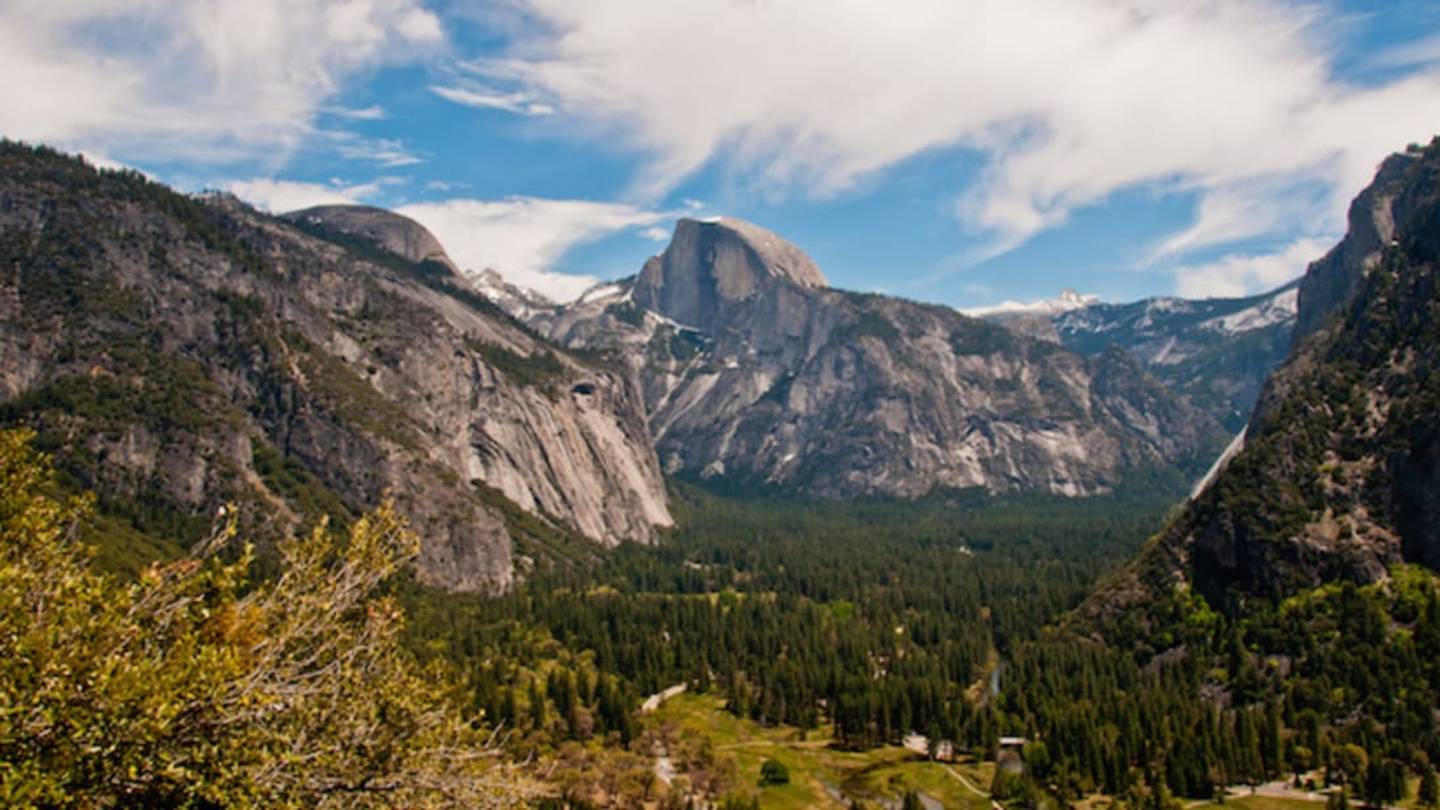
Half Dome is one of Yosemite’s most recognizable features. Rising nearly 5,000 feet above Yosemite Valley and reaching more than 8,800 feet above sea level, it looks like nature took a giant granite dome and sliced it with a cosmic bread knife.
In the 19th century, Half Dome was famously described as likely impossible to climb. That prediction did not age well. George Anderson reached the summit in 1875, and today hikers can climb Half Dome using the cable route when conditions allow and permits are available. The hike is strenuous, exposed, and not something to attempt because you “walked around the mall once and felt pretty good.” It requires fitness, planning, water, weather awareness, and respect for heights.
6. El Capitan Is a Global Rock-Climbing Legend
El Capitan is a massive granite cliff that rises roughly 3,000 feet above Yosemite Valley. To casual visitors, it is jaw-dropping. To rock climbers, it is legendary. El Capitan’s vertical walls have helped make Yosemite one of the world capitals of big-wall climbing.
Even if you never touch climbing gear, El Capitan is worth understanding as more than a photo stop. It represents Yosemite’s unique geology, the courage and creativity of climbers, and the almost theatrical scale of the valley. On many days, tiny colored dots on the wall are climbers slowly moving upward. They may look like ants, but ants do not usually carry portaledges and question their life choices halfway up a granite cliff.
7. Glaciers Helped Sculpt Yosemite’s Famous Landscape
Yosemite’s scenery did not happen overnight. The park’s dramatic cliffs, U-shaped valleys, polished domes, hanging valleys, and lakes were shaped by a long geological story involving granite formation, uplift, erosion, and glaciation. During repeated glacial periods, ice carved and polished the landscape, leaving behind many of the features visitors admire today.
Yosemite Valley is a classic example of a glacially shaped valley. The Merced River and earlier erosion began the work, but glaciers widened and deepened the valley, creating the broad, steep-walled shape that makes Yosemite so instantly recognizable. Basically, Yosemite is what happens when geology has patience and a flair for drama.
8. Yosemite Is Home to Ancient Giant Sequoias
Yosemite National Park protects three groves of giant sequoias: Mariposa Grove, Tuolumne Grove, and Merced Grove. The Mariposa Grove, located near the park’s South Entrance, is the largest and most famous. It contains more than 500 mature giant sequoias, including the Grizzly Giant, one of Yosemite’s most beloved trees.
Giant sequoias are among the largest living things on Earth. Some are thousands of years old, meaning they were already standing long before smartphones, national parks, or people saying “let’s circle back” in meetings. These trees survive fire, snow, drought, and time itself. Walking among them is humbling in the best possible way.
9. Yosemite Has Incredible Biodiversity
Yosemite is not just cliffs and waterfalls. The park contains a wide range of habitats, from lower-elevation oak woodlands to alpine environments. This variety supports hundreds of wildlife species and more than a thousand plant species. Black bears, mule deer, coyotes, bobcats, foxes, bats, birds, reptiles, amphibians, and countless insects all play roles in the Yosemite ecosystem.
Visitors should remember that wild animals are not park mascots. Feeding wildlife is illegal and dangerous, even when the animal looks cute enough to star in a cereal commercial. Human food harms animals, changes their behavior, and can create safety problems. The best wildlife experience is one where the animal stays wild and you stay out of the emergency-room paperwork.
10. Yosemite Has a Natural “Firefall”
One of Yosemite’s most photographed seasonal events is the natural Firefall effect at Horsetail Fall. In mid- to late February, if conditions are just right, the setting sun can illuminate the waterfall and make it appear to glow orange like flowing lava. The effect depends on clear skies, enough water, the correct sun angle, and a bit of luck.
It is important to understand that this is not an actual fire and not the historic man-made Firefall that once involved pushing burning embers from Glacier Point. The modern Horsetail Fall phenomenon is completely natural. It is also unpredictable, which means visitors should plan with flexibility. Yosemite does not offer refunds for clouds.
11. Yosemite Became a UNESCO World Heritage Site in 1984
Yosemite National Park was designated a UNESCO World Heritage Site in 1984 because of its outstanding natural beauty and geological significance. Its granite cliffs, waterfalls, glacial landforms, meadows, giant sequoias, and biodiversity give it global importance, not just national fame.
This recognition places Yosemite among the world’s most treasured natural places. It is not only a California icon or an American landmark; it is part of humanity’s shared natural heritage. That sounds grand because it is grand. Yosemite is one of those rare places that makes people from different countries, cultures, and generations say essentially the same thing: “Wow.”
Why Yosemite National Park Still Matters Today
The facts about Yosemite National Park are impressive, but the deeper story is about responsibility. Yosemite shows what happens when people choose preservation over short-term exploitation. It also shows how difficult that choice remains. Crowds, climate change, wildfire risk, habitat stress, invasive species, and infrastructure pressures all affect the park.
Responsible visitation matters. Stay on trails, store food properly, respect wildlife, follow fire rules, pack out trash, use shuttles when possible, and plan ahead. A national park is not a theme park with trees. It is a protected landscape that depends on visitor care, ranger expertise, scientific research, and long-term public support.
Yosemite Travel Experiences: What It Feels Like to Visit
Reading about Yosemite is helpful, but experiencing Yosemite is different. The first arrival into Yosemite Valley often feels like a magic trick performed by geology. One moment you are driving through mountain roads, and then suddenly the valley opens. Granite walls rise on both sides. Waterfalls drop from impossible heights. The Merced River moves calmly below cliffs that look anything but calm. Even people who normally respond to nature with “nice” tend to go quiet.
A great Yosemite experience often begins at Tunnel View. This famous overlook gives visitors a sweeping view of El Capitan, Half Dome, Bridalveil Fall, and the valley floor. It is popular for a reason. The view is so perfectly arranged that it almost feels staged, as if the mountains attended a composition workshop. Sunrise and late afternoon are especially beautiful, but even a cloudy day can make the cliffs look mysterious and cinematic.
Walking in Yosemite Valley is one of the easiest ways to connect with the park. Short trails lead to Lower Yosemite Fall, Cook’s Meadow, Mirror Lake, and views along the Merced River. These walks do not require extreme athletic ability, but they still deliver major scenery. The valley also changes throughout the day. Morning light softens the granite. Afternoon brings movement and crowds. Evening settles into gold, shadow, and the smell of pine.
For visitors who want a more active experience, the Mist Trail is unforgettable. The route toward Vernal Fall and Nevada Fall can be wet, steep, and crowded, but it is also one of the classic hikes in the national park system. When the waterfall spray hits your face, it feels refreshing for about five seconds, and then you realize your socks have entered a long-term relationship with moisture. Still, the views are worth it.
Glacier Point offers another kind of Yosemite experience. Instead of standing at the bottom of the valley looking up, you stand high above it and look across at Half Dome and the surrounding high country. The scale becomes easier to understand from above. Roads to Glacier Point are seasonal, so planning matters, but the reward is one of the most dramatic overlooks in the park.
The Mariposa Grove provides a slower, quieter experience. Giant sequoias do not need to impress you quickly. They have been alive for centuries, sometimes millennia, and they seem fully aware that your schedule is not their problem. Walking among them encourages patience. You notice bark texture, filtered light, and the strange emotional effect of standing beside something that has survived so much human history without ever checking a notification.
Yosemite’s high country, especially around Tuolumne Meadows, feels different from the valley. It is more open, cooler, and less enclosed by vertical walls. Meadows, domes, clear streams, and alpine air make this part of the park feel spacious and contemplative. Because Tioga Road is seasonal, visitors usually access this area from late spring or early summer through fall, depending on snow conditions.
The best Yosemite trips include flexibility. Waterfalls vary by season. Roads can close. Parking can fill. Weather can change quickly. A perfect plan is nice, but a realistic plan is better. Bring layers, water, snacks, patience, and backup ideas. Sometimes the unplanned meadow walk becomes the memory you keep longest.
Most of all, Yosemite rewards attention. Look closely at the granite, the river, the trees, the animal tracks, the changing light, and the people staring upward with the same stunned expression. Yosemite is iconic not because it appears on calendars, but because it makes visitors feel small in a healthy way. It reminds us that wonder is not outdated. It is still out there, waiting beside a waterfall, under a sequoia, or on a trail where your legs are complaining but your heart is absolutely not.
Conclusion
Yosemite National Park is more than a famous destination. It is a landmark in conservation history, a geological masterpiece, a wildlife refuge, a wilderness sanctuary, and one of the most inspiring landscapes in the United States. From Half Dome and El Capitan to Yosemite Falls, Mariposa Grove, Horsetail Fall, and the high country, every part of the park tells a story shaped by time, water, ice, stone, and human care.
These 11 iconic facts about Yosemite National Park show why the park continues to attract travelers, hikers, climbers, photographers, scientists, families, and dreamers from around the world. Yosemite is not just a place to visit. It is a place to respect, protect, and remember long after your hiking boots have finally forgiven you.














