
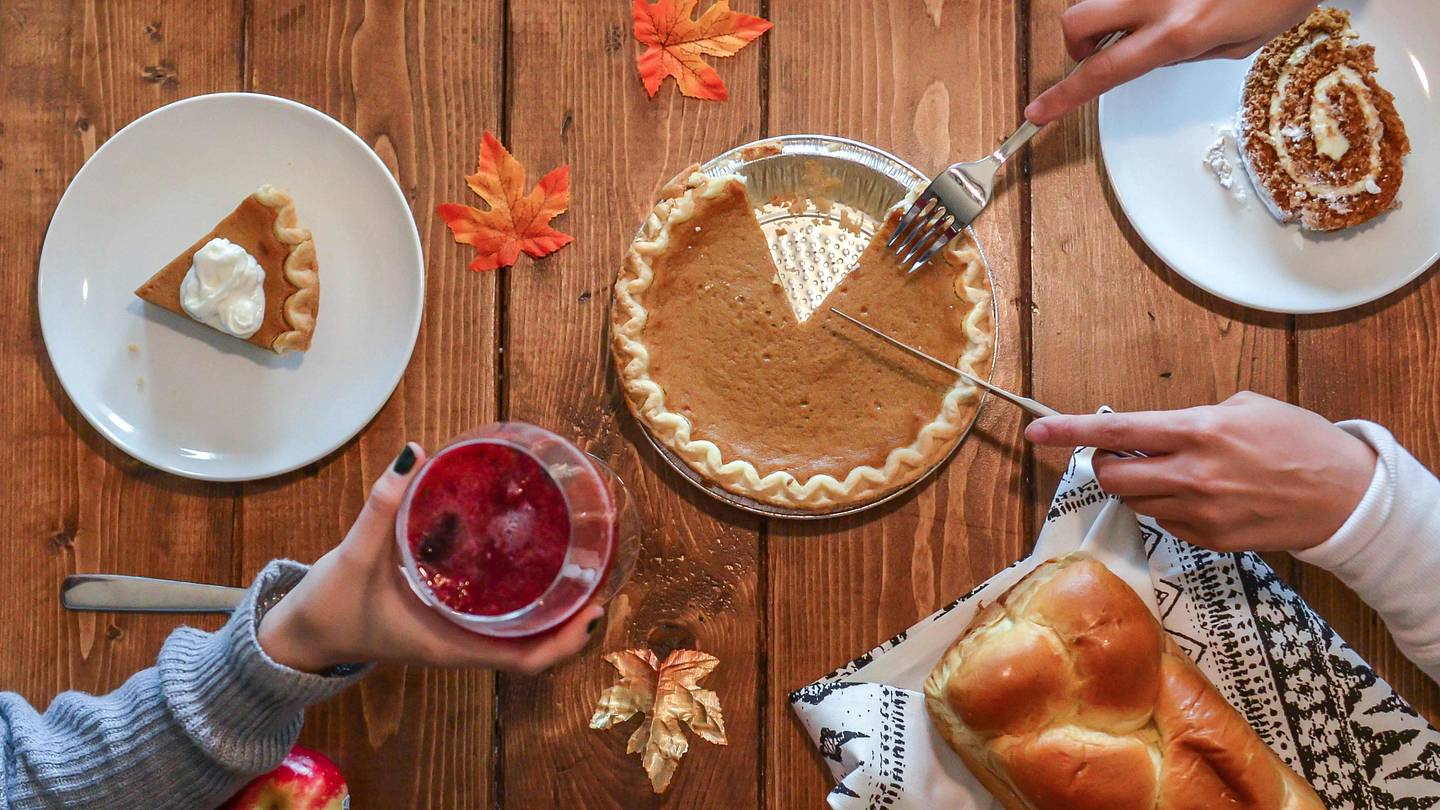
Hosting Thanksgiving in a small space can feel like trying to land a parade float in a studio apartment. There is the turkey, the side dishes, the chairs, the coats, the cousins, the casserole dishes, and at least one person asking, “Where should I put this?” while standing directly in the only walkway. But here is the good news: a memorable Thanksgiving does not require a formal dining room, a giant kitchen island, or a table long enough to seat a royal family.
In fact, small-space Thanksgiving hosting can be warmer, cozier, and more relaxed than a picture-perfect dining room setup. When every square foot has a purpose, the gathering naturally becomes more intimate. Guests mingle more easily, food feels abundant without requiring three ovens, and nobody has to shout across a table the size of a canoe.
The secret is not having more space. The secret is using your space more cleverly. With a smart menu, flexible seating, buffet-style serving, vertical storage, and a little holiday humor, you can host Thanksgiving in an apartment, condo, townhouse, tiny dining room, or compact kitchen without losing your mindor your gravy boat.
Below are seven practical hacks for hosting Thanksgiving in a small space, plus real-life experience-based tips at the end to help you pull off a holiday meal that feels festive, organized, and genuinely enjoyable.
1. Edit the Guest List Before You Edit the Furniture
The first hack for hosting Thanksgiving in a small space is also the least glamorous: be realistic about your guest list. Before you borrow folding chairs or consider serving mashed potatoes from the windowsill, decide how many people your home can comfortably hold.
Small-space hosting works best when the room still has flow. Guests need a place to sit, stand, move, set down drinks, and go back for seconds without doing a sideways shuffle through a maze of knees and table legs. A cozy Thanksgiving feels charming. A crowded Thanksgiving feels like an airport boarding line with cranberry sauce.
Choose Cozy Over Crowded
If your apartment seats six but you want to invite twelve, you still have options. You can host a smaller Thanksgiving dinner and invite others for dessert later. You can turn the meal into a casual Friendsgiving with flexible seating. You can also make it a potluck so guests contribute food without overwhelming your kitchen.
A smaller guest list does not make the holiday less meaningful. It usually makes conversation easier, cooking simpler, and cleanup less terrifying. Think of it as a curated guest experience, not a limitation.
2. Turn Your Dining Table Into a Destination, Not a Storage Unit
In a small home, the dining table often does everything. It is a desk, mail station, grocery drop zone, homework area, craft table, and emotional support surface. For Thanksgiving, however, it needs one clear job: give guests a comfortable place to eat.
Start by clearing the table completely a day or two before the holiday. Move nonessential items into bins, baskets, closets, or even your bedroom. Nobody needs to know that your laundry basket is temporarily living under a blanket behind a closed door. Thanksgiving is about gratitude, not household transparency.
Use a Buffet Setup to Save Table Space
One of the best Thanksgiving small space ideas is serving food buffet-style. Instead of crowding the dining table with platters, bowls, carving boards, rolls, butter, gravy, and a pumpkin pie that somehow requires its own zip code, set the food elsewhere.
Use a kitchen counter, sideboard, console table, bar cart, bookshelf, or clean desk as your buffet zone. If you have very limited counter space, place a sturdy cutting board over the sink to create temporary prep space before guests arrive. Once the meal starts, the dining table can hold plates, drinks, napkins, and elbowsbecause elbows deserve a holiday too.
Keep the most popular dishes in the easiest-to-reach spots. Put plates at the beginning of the buffet line, silverware and napkins at the end, and gravy somewhere stable. Gravy is delicious, but it has the personality of a tiny lava flow when knocked over.
3. Plan a Small-Kitchen Thanksgiving Menu
A small kitchen can absolutely produce a great Thanksgiving meal, but it needs a strategy. The biggest mistake is planning a menu where every dish must be baked, roasted, broiled, warmed, or flamboyantly fussed over at the exact same time. That is not a menu; that is a traffic jam with butter.
Instead, choose a menu that balances oven dishes, stovetop dishes, make-ahead recipes, room-temperature foods, and store-bought helpers. This keeps your kitchen from overheating and prevents the host from spending the entire day opening and closing the oven like it owes them money.
Make the Menu Work in Waves
Start with dishes that can be made one or two days ahead: cranberry sauce, pies, rolls, salad dressing, casseroles before baking, chopped vegetables, and compound butter. On Thanksgiving Day, focus on the main protein, reheating sides, and finishing fresh items.
If a whole turkey is too big for your oven or your guest list, consider a turkey breast, turkey legs, roast chicken, glazed ham, salmon, or a vegetarian centerpiece. Small-space hosting is not about shrinking the celebration. It is about right-sizing the meal.
For sides, pick a few winners instead of trying to recreate a full magazine spread. Mashed potatoes, stuffing, green beans, cranberry sauce, and one excellent dessert can feel more satisfying than twelve dishes that leave you eating in a kitchen that looks like it lost a wrestling match.
4. Borrow, Fold, Stack, and Mix Your Seating
Matching dining chairs are lovely, but Thanksgiving guests do not require a furniture catalog experience. They require somewhere reasonably comfortable to sit while eating turkey. Small-space entertaining becomes much easier when you embrace flexible seating.
Use dining chairs, folding chairs, stools, benches, ottomans, poufs, desk chairs, piano benches, and even outdoor chairs if they are clean and stable. Add cushions or folded blankets to make hard seats more comfortable. A mismatched setup can look intentional when you repeat a simple detail, such as matching napkins, similar place cards, or a shared color palette.
Create More Than One Eating Zone
If everyone cannot fit around one table, split the seating into zones. A coffee table can become a casual kids’ table or appetizer station. A kitchen counter can hold two stools. A desk can become a two-person dining nook. The goal is not perfect symmetry. The goal is good conversation and a meal where nobody has to balance stuffing on their lap for 40 minutes.
Be clear with guests before they arrive. Let them know the meal will be cozy and casual. Most people are happy to adapt when the mood is warm and the food is good. Also, people become very forgiving once pie appears.
5. Use Vertical Space Like a Holiday Genius
When floor space is limited, look up. Walls, shelves, hooks, cabinet tops, windowsills, and vertical organizers can save your Thanksgiving setup. Small homes often feel crowded because everything lands on horizontal surfaces: counters, tables, chairs, and that one poor side table carrying six drinks and a candle.
Before guests arrive, create vertical solutions. Use wall hooks or over-the-door hooks for coats and bags. Place serving utensils in a tall jar instead of spreading them across the counter. Stack plates on a cake stand or tiered tray. Use shelves for drinks, desserts, or extra napkins.
Decorate Up, Not Out
Thanksgiving décor should add warmth without stealing valuable eating space. Skip oversized centerpieces that block conversation or crowd the plates. Instead, choose low greenery, small pumpkins, taper candles, folded napkins, or a narrow table runner.
Hang a simple garland over a doorway, place a wreath on an interior door, or add autumn leaves to a wall shelf. Seasonal décor does not have to sit in the middle of the table shouting, “Look at me!” while guests negotiate where to put their forks.
6. Create Stations for Drinks, Appetizers, Trash, and Leftovers
Small spaces become stressful when everyone gathers in the same spot. If the drinks, appetizers, main food, trash can, dessert, and host are all located in the kitchen, congratulationsyou have created a human traffic circle.
Stations solve this. Put drinks in one area, appetizers in another, dinner buffet in another, and trash or recycling somewhere obvious. Even in a small apartment, spreading the action across zones helps guests move naturally and keeps the kitchen from becoming a bottleneck.
Make Self-Service Easy
A self-serve drink station is one of the easiest small apartment Thanksgiving hacks. Set out water, sparkling water, cider, tea, or other drinks with cups, napkins, and a small towel for spills. If you are serving a signature beverage, make a batch ahead of time so you are not playing bartender while checking the oven.
For appetizers, choose low-mess options such as cheese, crackers, grapes, nuts, cut vegetables, dips, olives, or mini skewers. Avoid anything that requires last-minute frying, complicated assembly, or a host standing over the stove while guests ask whether they can help.
Do not forget the cleanup station. Put the trash can where guests can find it. Place a bin or tray for dirty dishes near the kitchen. If you want guests to take leftovers home, set out containers or ask them to bring their own. This small detail can save your fridge from becoming a casserole museum.
7. Keep Food Safety Simple and Built Into the Plan
Thanksgiving food safety matters even more in a small space because counters fill quickly, dishes sit out longer than expected, and the refrigerator may already be packed. A good host protects both the holiday mood and everyone’s stomach.
Use a food thermometer for turkey or poultry, and make sure it reaches a safe internal temperature of 165 degrees Fahrenheit. Refrigerate leftovers within two hours of serving, and divide large portions into shallow containers so they cool faster. These steps are simple, practical, and much easier than explaining to guests why the stuffing became an adventure sport.
Build Cleanup Into the Schedule
Plan a reset between dinner and dessert. This is the perfect moment to clear plates, pack leftovers, wipe the buffet area, start coffee, and bring out pie. Guests usually welcome a pause after the main meal, especially if they have just eaten their annual legal limit of mashed potatoes.
Make cleanup easier by lining the trash can, emptying the dishwasher before guests arrive, and keeping dish soap, towels, and storage containers ready. In a small kitchen, five minutes of preparation can prevent twenty minutes of chaos.
Extra Experience-Based Tips for Hosting Thanksgiving in a Small Space
After you understand the main hacks, the real magic comes from the small hosting decisions that make guests feel relaxed. In my experience, people remember how the holiday felt more than whether every fork matched. A small-space Thanksgiving becomes successful when you stop apologizing for the size of your home and start designing the experience around it.
One helpful trick is doing a “guest walk-through” the night before. Pretend you are arriving at your own home. Where do you put your coat? Where do you set a drink? Can you reach the bathroom without stepping over a stack of serving trays? Is there a clear path from the entrance to the seating area? This quick rehearsal reveals problems before guests do. It also prevents the classic small-space moment where five people enter at once and everyone freezes like furniture in a crowded dollhouse.
Another experience-based tip is to label things. Labels may sound fussy, but they are wonderfully practical. Label the drink station, dessert area, trash, recycling, and any dishes that contain common allergens. A small handwritten card that says “vegetarian stuffing” or “contains pecans” saves you from answering the same question twelve times while holding a hot casserole. It also makes guests feel considered.
Lighting matters more than people realize. Bright overhead lighting can make a small room feel flat and hectic. Softer lamps, unscented candles, or string lights can make the same space feel warm and intentional. Avoid strongly scented candles near food because they compete with the aroma of dinner. Nobody wants pumpkin pie with a mysterious top note of “Ocean Breeze Laundry Forest.”
Sound also changes the mood. Create a playlist before the day begins and keep the volume low enough for conversation. Music fills awkward silences, but it should not make your aunt compete vocally with a saxophone solo. Choose something upbeat during arrival, mellow during dinner, and slightly livelier during cleanup or dessert.
Temperature is another overlooked detail. Small rooms heat up quickly when the oven is on and guests arrive. Lower the thermostat slightly before people come over, crack a window if needed, and avoid placing guests directly beside a hot kitchen zone. A room that starts comfortable can become tropical after ten minutes of roasted turkey, warm bodies, and enthusiastic storytelling.
Finally, accept help. Many hosts resist help because they want guests to relax, but small-space hosting is easier when people have simple jobs. Ask one person to refill water, another to manage coats, and another to help clear plates before dessert. Guests often enjoy being useful, especially when the task is clear and not complicated. “Can you put these rolls on the buffet?” is much better than “Can you help?” which usually leads to someone standing in the kitchen looking worried.
The best small-space Thanksgiving has a sense of flow. Guests know where to go, food appears in waves, the table is not overcrowded, and the host is not trapped in the kitchen like a holiday goblin. With a practical layout and a relaxed attitude, your home can feel generous even if it is short on square footage.
Conclusion: Small Space, Big Thanksgiving Energy
Hosting Thanksgiving in a small space is not about pretending your apartment is a banquet hall. It is about creating a celebration that fits your home, your budget, your cooking capacity, and your guest list. When you serve buffet-style, simplify the menu, borrow flexible seating, use vertical space, and build in smart stations, even a tiny dining area can feel festive and welcoming.
The most important ingredient is not the size of the room. It is the sense of care. Guests notice when they feel welcomed, fed, included, and comfortable. They notice the warm lighting, the thoughtful labels, the easy drink station, and the fact that you made room for themliterally and emotionally.
So clear the counter, fold the extra chairs, move the mail pile into temporary hiding, and let Thanksgiving happen in the space you actually have. A small home can host a big holiday beautifully. And if someone has to eat pie from the sofa, that is not a failure. That is just modern hospitality with whipped cream.











