Every beekeeper eventually learns that a hive is not a decoration with bonus honey. It is a living, humming, opinionated city that sometimes needs help getting through a rough patch. That is where Bee Thinking’s Double Jar Feeder earns its place in the beekeeping toolbox. Simple, compact, and pleasantly low-drama, this feeder is designed to hold two inverted jars of syrup so honey bees can access supplemental carbohydrates inside the hive without turning your apiary into a sugar-water block party.
Originally associated with Bee Thinking, the Portland-born beekeeping brand known for foundationless top bar, Warré, and cedar Langstroth hives, the double jar feeder fits neatly into the natural-beekeeping mindset: give bees what they need, avoid unnecessary disturbance, and keep equipment practical enough that a real human with gloves on can use it. The feeder is not flashy. It will not make your bees write thank-you notes. But when a new colony needs support, a nectar dearth drags on, or fall stores are looking a little too “diet plan” for comfort, this small feeding base can be a colony saver.
What Is Bee Thinking’s Double Jar Feeder?
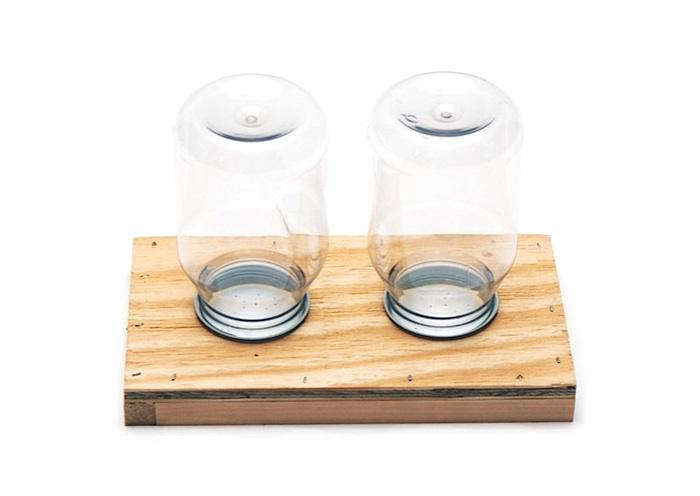
Bee Thinking’s Double Jar Feeder is a wooden feeder base built to accept two standard mason-style jars. The jars are filled with sugar syrup, fitted with perforated lids, inverted, and placed onto the base. The small holes in the lids allow a controlled amount of syrup to become available to the bees. A vacuum forms inside each jar, preventing the syrup from pouring out like a tiny sticky waterfall. The bees draw syrup from the holes as needed.
The concept is beautifully old-school: gravity, vacuum pressure, and bee tongues doing what bee tongues do best. The feeder base has been described as suitable for Warré, Langstroth, and top bar hives, which is one of its biggest advantages. Many feeders are hive-specific, forcing beekeepers to buy different gear for different setups. A double jar feeder is more flexible, especially for backyard beekeepers who experiment with hive styles or manage more than one type of colony.
Why Beekeepers Use a Double Jar Feeder
Honey bees gather nectar and convert it into honey, their main carbohydrate reserve. But nature does not always cooperate with the tidy plans printed in beekeeping books. Spring weather can be cold and wet. Summer can turn dry. Fall nectar flows can fail. Newly installed packages and nucs may need extra energy to draw comb and expand. During these gaps, a feeder gives the colony access to syrup when natural nectar is scarce.
A double jar feeder is especially useful because it offers more capacity than a single jar without becoming bulky. Two jars also let the beekeeper feed a meaningful amount while still using common, easy-to-clean containers. If one jar empties faster than the other, that can be a useful clue about how the feeder is sitting, how the cluster is accessing it, or how aggressively the colony is taking syrup.
It Keeps Feeding Inside the Hive
Internal feeding has a major benefit: it reduces the chaos that can come with open feeding. Leaving syrup outside may attract bees from other colonies, wasps, ants, and every sugar-loving creature that believes your apiary is now a free buffet. Worse, open feeding can encourage robbing behavior, where stronger colonies invade weaker ones. A feeder placed inside the hive keeps the food closer to the bees that actually need it.
It Reduces Drowning Risk
Some feeder styles create pools of syrup, and bees are not exactly graceful swimmers. Inverted jar feeding gives bees access to small droplets at lid holes rather than a syrup pond. While no feeder is magic, this design helps reduce drowning compared with open trays or poorly managed frame feeders.
It Is Easy to Refill
Beekeeping already involves enough careful lifting, smoke management, weather watching, and trying not to drop your hive tool into tall grass. A double jar feeder keeps refilling straightforward: prepare syrup, fill clean jars, attach lids, invert, and place them back on the base. The jars are removable, washable, and replaceable, which makes the system less fussy than specialized plastic feeder parts.
How Bee Thinking’s Double Jar Feeder Works in Different Hive Types
The best feeder in the world is not very helpful if it does not fit your hive. One reason Bee Thinking’s Double Jar Feeder became popular among natural beekeepers is that it can be used with several hive designs.
Using It in a Langstroth Hive
In a Langstroth setup, the feeder is typically placed above the inner cover hole and enclosed with an empty hive box, then covered with the outer cover. This keeps the jars protected from weather and gives bees access through the inner cover. Some beekeepers use a deep box to provide enough vertical space for the jars. Others may use an empty medium or shim depending on jar height and equipment configuration.
Using It in a Warré Hive
In a Warré hive, the feeder can be placed above the top bars with access provided through the separator cloth or canvas. A beekeeper may cut or fold back a small flap so bees can reach the feeder. The feeder is then enclosed with an empty box, and the quilt box and roof are replaced. This keeps the feeding area warm, covered, and relatively undisturbed.
Using It in a Top Bar Hive
In a top bar hive, the feeder is usually placed in the empty cavity behind or beside the follower board, on the same side as the colony access. Some beekeepers prop the follower board slightly or drill cork-sized access holes near the bottom so bees can reach the syrup. This is one of the feeder’s most natural fits because top bar hives often have unused interior space that can hold a compact feeder without stacking extra boxes.
Choosing the Right Syrup Ratio
A feeder is only half the story. What you put in it matters. Most backyard beekeepers use white granulated sugar mixed with clean water. Avoid brown sugar, molasses, raw sugar, and confectioners’ sugar because impurities or additives can be harmful to bees.
1:1 Syrup for Spring and Comb Building
A common spring mix is 1 part sugar to 1 part water. This lighter syrup resembles nectar and is often used for newly installed colonies, splits, packages, and colonies that need energy to draw comb. If your bees are building fresh wax, 1:1 syrup can provide useful carbohydrate support. Think of it as construction fuel for the wax crew.
2:1 Syrup for Fall Stores
For fall feeding, many beekeepers use 2 parts sugar to 1 part water. This heavier syrup contains less water, which means bees have less moisture to evaporate before storing it. In cool weather, that matters. Bees need time and warmth to process syrup into winter stores. Thick syrup can help colonies build reserves more efficiently before temperatures drop.
Do Not Feed Syrup When Honey Supers Are On
One essential rule: do not feed sugar syrup while honey supers intended for human harvest are on the hive. Bees may store syrup in those supers, and that is not real honey. It is also not the charming artisanal product you want to explain at a farmers market. Feed when necessary, but keep syrup out of harvest honey.
When to Use Bee Thinking’s Double Jar Feeder
Feeding should be purposeful. Bees do not need syrup just because the beekeeper bought a cute feeder and wants to use it. Before feeding, inspect colony conditions, consider the season, and evaluate available forage.
New Packages and Nucs
New colonies often need help, especially if they are starting on foundationless bars or empty frames. Drawing wax is expensive for bees. A young colony must build comb, raise brood, defend the hive, and store food all at once. Syrup can help them get established during the first critical weeks.
Nectar Dearths
A dearth is a period when little nectar is available. Flowers may be blooming beautifully to human eyes while producing very little nectar due to heat, drought, or seasonal timing. If a colony feels light, brood rearing slows, or bees become more defensive around food sources, a feeder may help prevent starvation.
Fall Preparation
Late summer and fall feeding can be essential in regions where colonies need significant winter stores. The amount required varies by climate. Southern colonies may need less stored honey than northern colonies, where long winters demand heavier reserves. Local beekeeping clubs and extension offices are excellent resources for region-specific targets.
How to Set Up the Double Jar Feeder
Setting up the feeder is simple, but a few careful steps make the difference between smooth feeding and a sticky comedy routine.
- Use clean jars. Standard mason jars are ideal. Wash them thoroughly and check for chips or cracks.
- Prepare fresh syrup. Mix white granulated sugar with warm water until dissolved. Do not boil syrup, and let it cool before feeding.
- Use perforated lids. The holes should be small enough to control flow. Too many large holes can cause leaking.
- Invert the jars carefully. A few drops may escape at first, then the vacuum should stabilize the syrup.
- Place the jars on the feeder base. Make sure they sit level so bees can access both lids.
- Enclose the feeder. Use an empty hive body, roof space, or top bar cavity depending on hive style.
- Check consumption. Refill only as needed, and remove old syrup before it ferments or molds.
Advantages of Bee Thinking’s Double Jar Feeder
The double jar feeder is not the only bee feeder available, but it hits a sweet spot for many hobbyists.
Simple Materials
Wood, jar lids, and glass jars are refreshingly understandable. There are no mysterious plastic chambers, no hidden floats, and no parts that require a degree in “advanced feeder archaeology” to clean.
Good Capacity Without Overfeeding
Two jars provide enough syrup for meaningful feeding but still encourage regular monitoring. That is useful because feeders should not be ignored. Syrup can ferment, attract pests, or become unnecessary once natural nectar returns.
Useful for Multiple Hive Styles
Compatibility with top bar, Warré, and Langstroth hives makes the feeder practical for beekeepers who prefer natural comb systems or maintain a mixed apiary.
Less Exposure to Weather
Because the feeder is used inside the hive or under hive covers, syrup is protected from rain and direct sun. This helps keep feed cleaner and more accessible.
Potential Drawbacks to Consider
No feeder is perfect. Beekeepers are famous for debating feeder styles with the energy most people reserve for sports playoffs.
It Requires Space
In a Langstroth hive, the jars need vertical clearance. You may need an empty box, deep rim, or shim. In a top bar hive, the cavity must be wide enough to hold the feeder and jars.
It Still Needs Monitoring
If syrup sits too long, it can spoil. Warm weather speeds fermentation. Always remove old syrup, wash jars, and keep lids clean.
It Can Leak If Lids Are Poorly Made
The vacuum system depends on proper hole size and a good seal. If a lid is bent, holes are too large, or a jar is not tightened correctly, syrup may drip. A few drops at first are normal; a syrup puddle is a problem.
Best Practices for Cleaner, Safer Feeding
Good feeding is not just about pouring sugar water into jars. It is part of colony management.
- Feed in the evening when possible to reduce robbing pressure.
- Keep entrances reduced if robbing is a concern.
- Use fresh syrup and clean equipment.
- Do not feed more than the colony can take in a reasonable time.
- Remove feeders when natural nectar is abundant or feeding is no longer needed.
- Never use syrup as a substitute for understanding colony health.
Experience Notes: What It Feels Like to Use a Double Jar Feeder
Using Bee Thinking’s Double Jar Feeder in a real backyard apiary feels refreshingly practical. The first thing you notice is that it does not ask much from you. There are no floats to align, no troughs to level perfectly, and no giant feeder box that makes the hive look like it is wearing a second-story apartment. You fill two jars, flip them over, place them on the base, and let the bees handle the rest. The bees, naturally, behave as if they invented the system and you are merely the unpaid intern.
For a new top bar colony, the feeder can be especially handy. Place it in the empty space beyond the follower board, give the bees a small access route, and they can feed without forcing you to open the brood nest. That matters. New colonies need stability. Every inspection is a disturbance, and every disturbance costs energy. A feeder that can sit in the unused cavity keeps support close but not intrusive.
In a Langstroth hive, the experience is slightly more equipment-dependent. You need enough room above the inner cover for the jars. A deep box works well, while shorter boxes may require planning. Once enclosed, though, the feeder feels secure. It is protected from weather, hidden from robbers, and easy to check by lifting the outer cover. If the jars are empty, the colony is taking syrup. If they are untouched, either the bees do not need it, the cluster is too far away, the syrup is too cold, or something about access needs adjustment.
One practical lesson: level matters. If the feeder sits crooked, one jar may drain differently from the other. Another lesson: lids matter even more. Tiny holes are your friends. Giant holes are how you create a sticky indoor swimming pool that no bee requested. When the lid holes are right, the syrup beads gently and the bees line up beneath the jars like customers at a very small café.
Cleaning is straightforward but should not be skipped. Rinse jars after each use, scrub lids when needed, and avoid leaving old syrup in warm weather. Bees deserve fresh feed, not fermented bee kombucha. Also, ants will find syrup with supernatural accuracy, so keep the hive stand managed and spills wiped up.
The best experience with this feeder comes when it is used with restraint. It is tempting to keep feeding because the bees keep taking syrup, but that does not always mean they need it. Overfeeding can backfill brood space, especially in smaller colonies, and may interfere with natural colony rhythm. The feeder is a tool, not a lifestyle. Use it when colonies are light, establishing, or preparing for winter. Remove it when the nectar flow is strong or when honey supers are on.
Overall, Bee Thinking’s Double Jar Feeder feels like the kind of beekeeping gear that survives because it solves a real problem without showing off. It is compact, understandable, flexible, and easy to maintain. For backyard beekeepers who appreciate simple equipment and natural hive systems, it is a smart addition to the shelfpreferably the shelf you can actually find things on.
Conclusion
Bee Thinking’s Double Jar Feeder is a practical, beekeeper-friendly solution for supplemental feeding in top bar, Warré, and Langstroth hives. Its strength lies in simplicity: two jars, a stable base, perforated lids, and a vacuum-fed system that lets bees draw syrup without unnecessary mess. It is especially valuable for new colonies, nectar dearths, and fall preparation, provided it is used thoughtfully.
The key is not to feed automatically, but to feed intelligently. Check colony weight, watch the season, understand your local forage, and choose the right syrup ratio for the job. Used well, this feeder can support colony growth, reduce starvation risk, and make feeding less stressful for both beekeeper and bees. And in beekeeping, any tool that reduces stress deserves a little applausepreferably from a safe distance and while wearing a veil.