
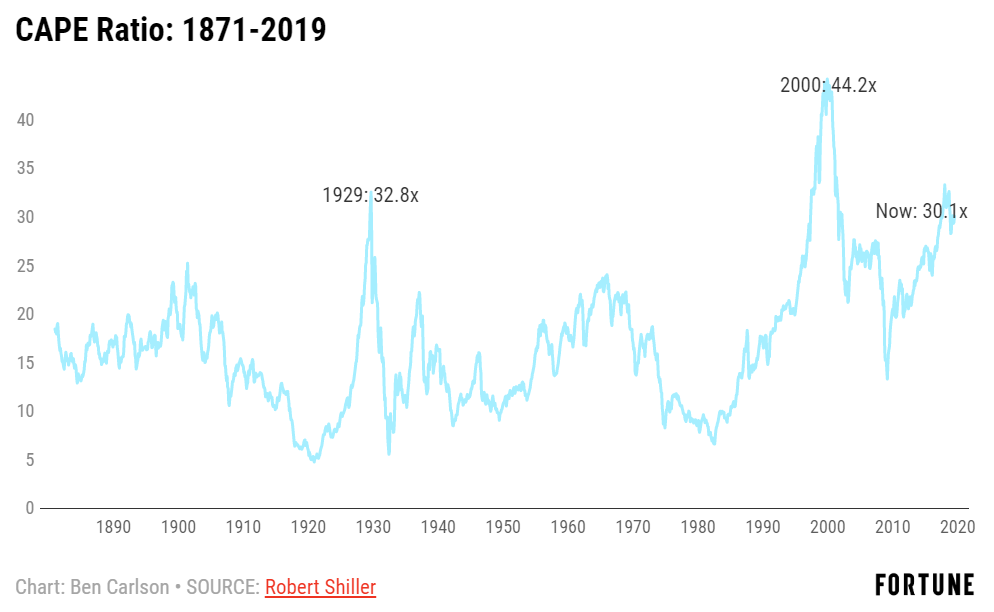
If you’ve ever watched stock prices tank after a Federal Reserve press conference and thought, “Wait, the economy is fine… what just happened?”, welcome to the wonderful world of interest rates, inflation, and valuations. It’s the financial version of rock–paper–scissors, except the rules keep changing and the referee is monetary policy.
This article takes a “wealth of common sense” approach to how interest rates and inflation shape stock market valuations. Instead of obsessing over every basis point move or scary headline, we’ll zoom out and look at the big picture, what history actually shows, and how you can use that knowledge without losing sleep every time bond yields twitch.
Why Interest Rates Matter So Much for Stock Valuations
The discount rate: where the magic (and pain) happens
At its core, a stock is just the present value of all the cash it might generate in the future. To translate those future earnings into today’s dollars, investors use a discount rateoften built from a “risk-free” rate (like Treasury yields) plus a risk premium. When interest rates rise, that discount rate goes up, and the present value of future cash flows drops. In theory, higher rates = lower valuations, all else equal. Yes, that “all else equal” part is doing a lot of heavy lifting.
This is why high-growth companies, whose profits are expected far in the future, tend to be more sensitive to interest rate moves than mature, cash-rich businesses. When rates jump, the far-off profits of growth stocks get discounted more heavily, so their valuations can compress dramatically.
The opportunity cost problem: bonds vs. stocks
Interest rates also change the competition between stocks and bonds. When yields on safe government bonds are near zero, investors feel like they’re being punished for playing it safe. That “There Is No Alternative” (TINA) mindset often pushes money into equities and helps justify higher valuations.
When rates rise, that logic flips. Suddenly investors can earn more from high-grade bonds or money market funds, which forces equity prices down until stock “yields” (earnings yield or dividend yield) look competitive again. This tug-of-war explains why you often see stock valuations compress during periods of sharply rising yields, especially if those moves catch investors by surprise.
Sector winners and losers when rates move
Not all stocks react the same way to interest rates:
- Growth/tech stocks usually suffer when rates rise, because their value is more tied to distant future earnings.
- Value and cyclical stocks (industrials, materials, some financials) can hold up better, especially if rising rates reflect stronger economic growth.
- Financialslike banks and insurersmay actually benefit from moderate rate increases that widen net interest margins.
- High-dividend “bond proxy” stocks (utilities, some REITs) can struggle when yields rise, as investors compare their payouts directly to bond coupons.
So even though the basic rule of thumb is “higher rates tend to pressure valuations,” the details vary a lot across sectors and styles.
Inflation: The Silent Partner in Valuation Stories
Nominal rates vs. real rates: the number that actually matters
Talking about interest rates without inflation is like talking about salary without mentioning rent. What really matters for valuations is the real interest ratenominal rates minus inflation. If nominal rates are rising but inflation is rising faster, real rates may still be low or even negative, which can support higher valuations than you’d expect from the headline rate alone.
Low or slightly positive inflation with low real rates has historically been a sweet spot for equities: companies can grow earnings in a stable environment, and investors are willing to pay higher multiples for that predictability. When inflation gets too high or too volatile, that comfort disappears, and valuations usually come under pressure.
How inflation hurts (and sometimes helps) stocks
Inflation squeezes valuations in a few ways:
- Consumer squeeze: Higher prices can curb demand if wages don’t keep up, which hits company revenues and margins.
- Cost pressure: Rising input costsfrom wages to commoditiescan erode profits unless companies can pass those costs along.
- Policy response: Central banks often fight high inflation with higher interest rates, compounding the valuation headwind.
But there’s nuance. Certain sectorslike energy, materials, or businesses with strong pricing powercan actually benefit from inflation. Over long periods, stocks as an asset class tend to outpace inflation, because companies can raise prices and grow nominal earnings. The trouble usually comes during sharp inflation spikes, when uncertainty explodes and markets reprice risk rapidly.
What history tells us about inflation and valuations
Looking back over decades of U.S. market history, valuations have generally been higher when inflation is low and stable, and lower when inflation is very high or negative (deflation). Both extremes are uncomfortable for investors. High inflation erodes real returns and creates policy uncertainty; deflation worries raise fears about growth and debt burdens.
In other words, markets tend to reward the “boring” middle: modest inflation, modest rates, and predictable policy. It’s not exciting, but it’s where valuations often sit at the higher end of their historical ranges.
Putting Rates and Inflation Together: A Common-Sense Framework
The four-quadrant way to think about valuations
One practical way to think about the interaction of interest rates, inflation, and valuations is to divide the world into four rough regimes:
- 1. Low inflation / low interest rates
This has been the dominant environment for much of the post-2009 period. Corporate borrowing costs are cheap, bond yields are unexciting, and investors are willing to pay up for future growth. Valuations, especially for growth stocks and long-duration assets (like tech or high-growth consumer names), tend to be high. - 2. Low inflation / high interest rates
This usually reflects central banks being very aggressive, or markets demanding a high real return. The discount rate on future cash flows is elevated, which tends to drag valuations lower. However, if the economy is still growing and inflation expectations are anchored, value and cyclical stocks can hold up better than growth names. - 3. High inflation / high interest rates
The classic “inflation fight” scenario. Policy makers push rates up to tame price pressures. Borrowing gets expensive, margins can get squeezed, and uncertainty rises. Historically, valuations in these periods are often below average, and volatility is high. Sectors with pricing power, real assets, and some value plays can still do relatively well, but broad market multiples usually compress. - 4. High inflation / low interest rates
This is the uncomfortable mix where inflation is elevated but policy is still loose. Real rates are negative, which can fuel asset bubbles in the short term as investors scramble for anything with a positive real return. However, the longer this persists, the greater the risk of a sharp policy or market snap-back when central banks eventually slam on the brakes.
Real life rarely sits neatly in one box for long, but this framework helps explain why valuations can look “too high” or “too low” in different macro environments.
Why simple rules still fail in the real world
Even though it’s tempting to say “higher rates = lower stocks,” reality is messier. Sometimes valuations rise even as rates climb if earnings growth is strong, recession risk is falling, or investors become more optimistic. Other times, valuations fall in low-rate environments when growth disappoints or risk appetite collapses.
That’s why a common-sense investor focuses less on predicting the exact path of rates and more on understanding how sensitive their portfolio is to different interest rate and inflation scenarios. Instead of trying to outguess every central bank meeting, you can stress-test your positions: “What happens to my holdings if bond yields move up another 1%? If inflation stays higher for longer? If real rates move from negative to clearly positive?”
Practical Takeaways for Investors
1. Respect valuations, but don’t worship them
Valuations driven by rates and inflation are a powerful long-term guide, but they’re terrible short-term timers. Markets can stay “too expensive” or “too cheap” for years. Use valuation signals to set expectations: high valuations in a low-rate world suggest more modest future returns, while lower valuations after rate hikes often imply better long-term entry points.
2. Focus on real returns, not just nominal numbers
If inflation is 4% and your portfolio earns 5%, your real return is only about 1%. That’s why periods of higher inflation feel so frustratinginvestors may see decent nominal gains but still lose purchasing power. When evaluating returns, adjust for inflation in your thinking, and don’t underestimate the value of assets that can grow cash flows faster than prices rise.
3. Diversify across rate and inflation regimes
No one knows exactly how rates and inflation will evolve, but we do know they won’t sit still forever. Consider owning a mix of:
- Growth stocks that benefit from low rates and tame inflation.
- Value and cyclical names that can thrive when rates rise during economic expansions.
- Real assets or sectors with strong pricing power that can weather higher inflation.
- Some high-quality bonds or cash to provide dry powder and stability during shocks.
4. Watch the trend, not every tick
For long-term investors, the direction and regime of rates and inflation matter more than every day-to-day move. Is inflation trending down into a comfortable range, or creeping up and becoming sticky? Are real rates deeply negative, mildly positive, or surging? Build your strategy around those big shifts, not the latest market tantrum after a central bank speech.
of Real-World Experience: Living With Rates, Inflation, and Valuations
It’s one thing to understand the theory. It’s another to live through an inflation spike or a rate shock with your own money on the line. Let’s talk about what this looks like in practiceand what many investors learn the hard way.
When “free money” wasn’t really free
Think back to ultra-low rate environments when cash yielded basically nothing. For many investors, that period felt like a forced march into risk. People who’d never owned stocks before were suddenly comfortable buying aggressive growth names because “bonds pay zero anyway.” Valuations climbed, justified by spreadsheets that assumed low rates would last forever.
Then, when inflation picked up and central banks finally started hiking, the math changed fast. Stocks that looked perfectly reasonable at a near-zero discount rate suddenly looked stretched when real yields turned positive. The lesson from that period is simple: if your investment thesis only works under a very specific interest rate assumption, it’s fragile.
The inflation shock wake-up call
Many investors intellectually knew inflation was a risk, but hadn’t really felt it in their portfolios for years. When inflation spiked, a lot of “safe” assumptions broke. Cash lost value quickly in real terms, bond prices fell as yields rose, and high-growth stocks re-rated downward. People who thought they were diversified discovered that much of their portfolio was implicitly built for a low-inflation, low-rate world.
Investors who handled that period best weren’t necessarily the ones who perfectly predicted inflationthey were the ones who built in resilience. They owned companies with pricing power, avoided overpaying for the most extreme growth stories, and held a mix of assets that could respond differently to changing rate and inflation regimes.
The emotional side of interest rates and valuations
There’s also a psychological dimension. When rates are low and markets are rising, it feels safe to take more risk. When rates rise and valuations compress, it feels dangerous to buyeven though, mathematically, future return potential often improves as prices fall. That emotional flip is one of the biggest traps in investing.
A common-sense approach is to acknowledge that your feelings will always lag the math. By the time valuations look cheap in a high-rate, high-inflation environment, the news will still sound terrible. By the time valuations are expensive in a low-rate world, everything will feel calm and optimistic. A disciplined investor uses a rules-based processrebalancing, target allocations, valuation rangesto counteract those emotional swings.
Building your own “wealth of common sense” checklist
You don’t need a PhD in economics or a real-time bond model to handle rates and inflation wisely. What you do need is a simple, repeatable checklist, for example:
- Am I relying too heavily on any single rate or inflation scenario?
- Do I understand how higher rates or higher inflation would affect my biggest holdings?
- Are my expectations for future returns consistent with current valuations and real yields?
- Do I have a plan for rebalancing if valuations move sharply in either direction?
When you can answer those questions calmly, interest rate announcements stop feeling like existential threats and start feeling like just another part of the investing weather report. Some days are sunny, some are stormy, but you don’t rebuild your entire house every time a cloud shows up.
In the end, the impact of interest rates and inflation on stock market valuations is realbut it doesn’t have to be paralyzing. Use the theory to understand what’s happening, use history to keep perspective, and use common sense to stay invested in a way that matches your goals and time horizon. That’s how you turn a complex macro story into a practical, long-term strategy.














