Remote work has created many modern workplace debates, but few are as oddly specificor as deliciously corporateas a boss deciding someone cannot continue working from home because their chat status goes idle too often. Not because deadlines were missed. Not because clients complained. Not because the employee disappeared into a cave with no Wi-Fi and a suspicious number of raccoons. No, the problem was a little digital status bubble.
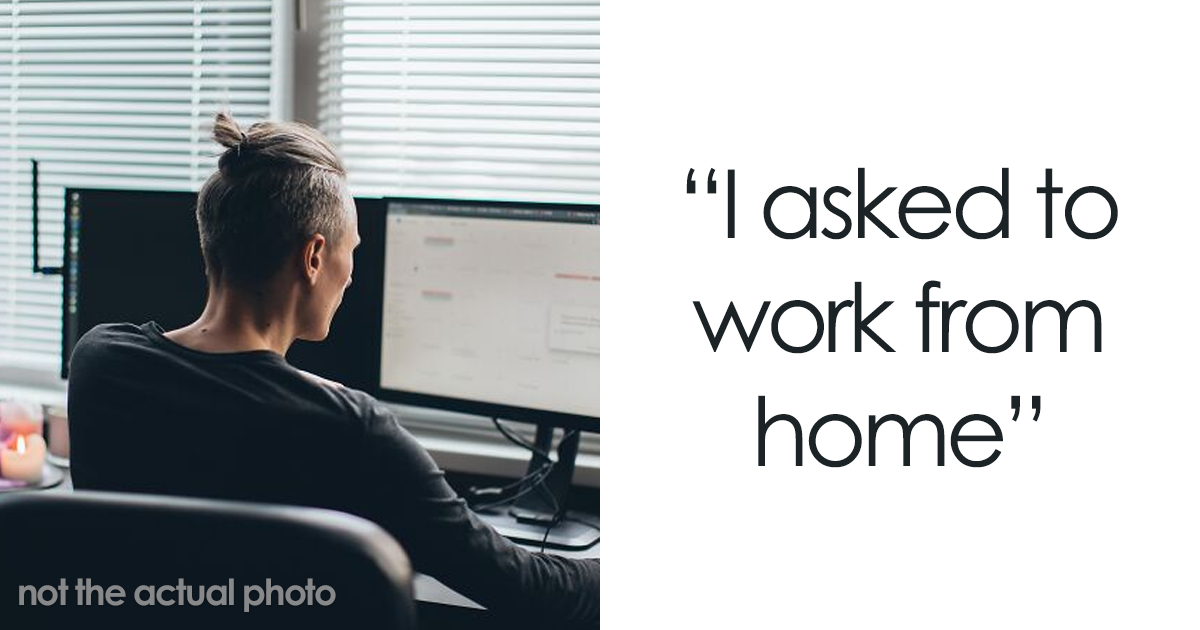
The story, popularized through workplace forums and viral commentary, centers on an employee who wanted to work remotely but was told their instant messaging status made them look inactive too often. The company’s logic was simple: if the employee’s chat showed “idle,” they must not be working. The employee then followed the rule exactly, proving the policy was less about productivity and more about performative busyness. In other words, the boss asked for a green dot. The employee gave them a green dotwith consequences.
This kind of malicious compliance story hits a nerve because it exposes a very real problem in modern work culture: confusing visibility with value. In an era of hybrid work, employee monitoring software, chat apps, digital calendars, and productivity dashboards, some managers have started treating online presence like a heartbeat monitor for effort. But work is not always visible. Thinking, reading, planning, problem-solving, reviewing documents, or taking a short break can all make someone appear “idle” while they are still doing the job.
What Happened in the “Idle Chat” Work From Home Story?
The basic setup is familiar to many office workers. An employee wanted to continue working from home. Their company used a chat system that showed workers as available, idle, or in a meeting. After a few minutes without keyboard or mouse activity, the employee’s status changed to idle. Management used that signal as proof that the worker was not active enough to qualify for remote work.
Instead of arguing endlessly, the employee maliciously complied. They began focusing on the metric management had chosen: appearing active. That meant prioritizing visible digital activity over actual workflow. The result was a quiet but sharp demonstration of a flawed policy. If the company wanted the employee to optimize for chat status, then chat status is what it got.
The humor of the story comes from how painfully corporate it feels. Anyone who has ever jiggled a mouse, sent a meaningless “checking on this” message, or stayed in a meeting that could have been an email can recognize the absurdity. When a workplace rewards the appearance of activity, people naturally adapt. The problem is that they adapt to the metric, not necessarily to the mission.
Why Chat Status Is a Terrible Productivity Metric
Using chat status to judge productivity is like judging a restaurant by how loudly the chef bangs pans. Noise is not the same as quality. A worker can be “available” all day and produce very little. Another worker can appear idle while reading a contract, sketching a workflow, studying a technical problem, or thinking through a customer issue.
Remote and hybrid work research repeatedly points to one major lesson: successful flexible work depends on clear expectations, measurable outcomes, trust, and communication. It does not depend on whether a tiny icon is green every minute of the day. The green dot is useful for knowing whether someone may be reachable. It is not a reliable measure of whether they are contributing.
There are many reasons a chat app may show someone as idle. They may be on a phone call. They may be using another device. They may be reading printed notes. They may be attending to a work issue outside the chat platform. They may be thinking deeply, which remains legal in most states despite what some dashboards seem to suggest.
Knowledge work often happens in bursts. A programmer may spend twenty minutes thinking and five minutes writing code that solves the problem. A designer may stare at a draft before making one important change. A manager may step away from the keyboard to talk through a staffing issue. A writer may look inactive while forming the one sentence that keeps readers from fleeing into the bushes. None of that fits neatly into a five-minute idle timer.
The Rise of “Productivity Theater”
The idle-chat controversy is part of a bigger workplace trend often called productivity theater. This happens when employees feel pressure to look busy rather than do meaningful work. It can include sending unnecessary messages, keeping status indicators active, joining meetings that add no value, responding instantly to prove availability, or stretching small tasks across the day because visible busyness is rewarded.
Productivity theater existed long before remote work. In traditional offices, people stayed late to look committed, carried folders with dramatic urgency, or typed loudly enough to sound like they were negotiating peace treaties. Remote work did not create performative work; it simply moved the stage to Slack, Teams, Zoom, email, and project management tools.
The danger is that productivity theater wastes energy. When workers must constantly prove they are working, attention gets split between doing the job and signaling that the job is being done. That is not efficiency. That is workplace karaoke: lots of performance, uncertain quality, and someone probably wants to go home.
Why Managers Fall Into the Idle-Status Trap
To be fair, not every manager who watches chat status is a villain twirling a tiny spreadsheet-shaped mustache. Some managers are under pressure too. They may be responsible for team output, customer response times, compliance, staffing coverage, or leadership expectations. When they cannot physically see employees, they may look for substitute signals.
The problem starts when substitute signals become the whole evaluation system. A chat status is a weak signal. It can suggest availability, but it cannot prove productivity, quality, creativity, collaboration, or accountability. Treating it like a performance review is lazy management dressed in software.
Good managers focus on outcomes. Did the employee complete the assigned work? Was it accurate? Did they communicate risks early? Did customers receive help? Were deadlines respected? Did the team know what was happening? These questions reveal performance far better than “Was the dot green at 2:17 p.m.?”
Remote Work Is Not the ProblemUnclear Management Is
Remote work can fail when expectations are fuzzy. But the same is true in an office. A confused team sitting under fluorescent lights is still a confused team. Physical presence does not magically create accountability. It just makes confusion easier to observe in person.
Flexible work works best when companies define what success looks like. That may include response-time expectations, core collaboration hours, project deadlines, weekly deliverables, client satisfaction goals, documentation standards, or team check-ins. A good remote work policy answers the question, “What results matter?” A bad policy answers the question, “How can we make everyone look nervous near a keyboard?”
Many employees value working from home because it reduces commute time, allows better focus, supports caregiving needs, and creates more control over the workday. Many employers value it because it can help retention, reduce overhead, and expand hiring beyond one geographic area. But those benefits only appear when remote work is managed intentionally.
Malicious Compliance: Funny, Satisfying, and Also a Warning Sign
Malicious compliance stories are popular because they provide a clean little justice arc. A manager makes a silly rule. The employee follows it exactly. The rule collapses under its own ridiculousness. Everyone watching from the internet eats popcorn.
But in real workplaces, malicious compliance is usually a symptom of broken trust. Employees rarely jump to it when they feel respected, heard, and evaluated fairly. They use it when normal feedback has failed or when management insists on enforcing a rule that ignores reality.
In the idle-chat story, the employee’s response was funny because it highlighted the gap between actual work and visible activity. But it also showed a deeper issue: the company did not trust employees to manage their time unless a chat app said they were active. That kind of culture can push good workers away. Talented employees generally prefer environments where they are judged by contribution, not by whether their mouse has recently enjoyed a walk.
Employee Monitoring Can Backfire
Employee monitoring is not automatically wrong. Some industries need tracking for security, billing, compliance, safety, or customer support coverage. A call center, for example, may need real-time staffing data because customer wait times matter. A financial services company may need audit trails. A healthcare organization may need access controls. Context matters.
However, monitoring becomes risky when it is excessive, secretive, poorly explained, or used as a blunt weapon. Workers who feel constantly watched may become anxious, less creative, and less willing to take healthy breaks. They may also spend time gaming the system instead of improving the work.
Transparency is essential. Employees should know what is being measured, why it is being measured, who can see the data, how long it is stored, and how it affects decisions. A fair policy should separate security monitoring from performance evaluation. It should also allow room for human judgment because no dashboard understands the full story of a workday.
What Good Remote Work Policies Should Measure Instead
A smarter remote work policy focuses on performance signals that actually matter. For task-based roles, that may mean completed tickets, project milestones, quality scores, documentation, sales outcomes, client feedback, or delivery speed. For creative roles, it may mean campaign performance, asset quality, revisions, stakeholder satisfaction, or strategic impact. For support roles, it may mean response time, resolution rate, customer sentiment, and coverage during agreed hours.
The key is balance. Not everything important can be captured by numbers, but numbers can still help. A good manager combines metrics with context. Did the employee have a heavier workload? Were tools broken? Did priorities change? Was the deadline realistic? Did the worker communicate clearly? This kind of evaluation requires effort, which is exactly why some managers prefer the green dot. The green dot is easy. Leadership is harder.
How Employees Can Protect Themselves From Bad Metrics
Employees dealing with chat-status micromanagement should document their work clearly. This does not mean writing a novel every afternoon titled “What I Did Today and Why I Deserve Oxygen.” It means keeping a simple record of completed tasks, project updates, blockers, and next steps.
A weekly summary can be powerful. For example: “Completed three client reports, resolved seven support tickets, drafted the onboarding checklist, and flagged two risks for next week.” That kind of update shifts the conversation from idle time to output. It also gives managers fewer excuses to rely on weak signals.
Employees can also ask for clear expectations. A calm question such as, “What specific outcomes should I meet to remain eligible for remote work?” is much stronger than debating the philosophy of chat bubbles. If the answer is still “stay green all day,” then the employee has learned something important about the workplace culture.
How Managers Can Avoid Becoming the Villain of a Viral Story
Managers who want remote teams to succeed should start with clarity. Define deliverables, deadlines, communication norms, and availability windows. Let people know when fast responses are required and when deep work is encouraged. Not every message needs an instant reply. Sometimes instant replies are exactly what prevent valuable work from getting done.
Managers should also treat chat status as a convenience tool, not a character witness. If someone is missing deadlines, ignoring customers, or failing to communicate, address those specific issues. But if the work is strong and the only problem is an idle indicator, the issue may be the measurement system, not the employee.
Finally, managers should remember that trust is not a decorative office word printed on a poster next to a stock photo of people high-fiving. Trust is operational. It appears in policies, meetings, evaluations, and daily behavior. If employees feel trusted, they are more likely to act like owners. If they feel watched like suspects, they may start acting like defense attorneys.
Why This Story Resonates With So Many Workers
The idle-chat story resonates because it captures a common frustration: being judged by the wrong thing. Many workers have experienced policies created by people far away from the actual work. A rule looks neat in a manager’s report but becomes absurd in daily practice.
It also reflects a larger cultural shift. Employees increasingly expect flexibility where the job allows it. They are not necessarily asking to work from a beach hammock while sipping a smoothie with a tiny umbrella. They are asking to be evaluated like adults: by whether they do good work.
When companies deny remote work based on shallow metrics, they risk losing employees who could have performed well with clearer expectations. The best workers often have options. If they feel reduced to a status icon, they may take their skills somewhere that understands the difference between presence and performance.
Experiences and Practical Lessons Related to the Idle-Chat Work From Home Debate
In real workplaces, the conflict usually begins quietly. An employee works from home, completes assignments, answers messages, and assumes everything is fine. Then a manager says, “I noticed you were away a lot yesterday.” The employee is confused because yesterday included two client calls, a spreadsheet review, a long planning document, and one heroic battle with a printer that somehow became relevant even while remote. But the dashboard saw inactivity. The dashboard has spoken.
One common experience is the “deep work penalty.” Employees who need concentration may close chat, silence notifications, or step away from constant messaging to finish complex tasks. Ironically, the better they focus, the less active they may appear. A developer debugging a difficult issue may not type continuously. A strategist reading research may not touch the keyboard for several minutes. A customer success manager preparing for a sensitive call may be reviewing notes on paper. To a simplistic monitoring system, all of this can look like nothing. To the business, it may be the work that matters most.
Another experience is the “instant response trap.” Once employees realize managers are watching availability, they begin replying instantly to everything. That sounds good until everyone’s day becomes a pinball machine. People interrupt themselves to prove they are present, then struggle to finish meaningful work. The company may see more messages, but not better results. It is like measuring a gym session by how loudly someone grunts. Entertaining, maybe. Useful, not always.
Some employees respond by creating careful update habits. They send end-of-day notes, maintain project boards, clarify priorities, and make their work visible without performing fake busyness. This is often the healthiest approach. It gives managers confidence while protecting the employee’s focus. For example, a remote worker might share, “Today I completed the vendor comparison, updated the client tracker, and will need approval on the budget question tomorrow.” That sentence is more valuable than eight hours of green-dot anxiety.
Managers also learn through experience. Many discover that remote work problems are rarely solved by watching chat status. If someone is underperforming, the signs show up in missed deadlines, poor quality, unhappy customers, or confused teammates. If none of those problems exist, monitoring idle time can create a problem where there was not one before. Good managers eventually shift from “Are you online?” to “Are we aligned?” That one change can rescue a team from a mountain of unnecessary suspicion.
The biggest lesson is simple: remote work requires grown-up systems. Employees need accountability. Managers need visibility. Companies need results. But none of that requires turning a chat app into a courtroom witness. The best teams build trust through clear goals, regular communication, and fair evaluation. The worst teams worship the green dot and then act shocked when people learn to feed it.
Conclusion
The story of the boss who denied work from home because an employee went idle in chat too often is funny because it is ridiculous. It is also powerful because it reveals a real workplace mistake. When companies confuse activity signals with actual productivity, they encourage performance instead of performance results.
Remote work is not a magic solution, and it is not a workplace disaster waiting behind every laptop. It is a tool. Like any tool, it works best when used with clear expectations, thoughtful management, and trust. A chat status can help coworkers know when someone might be reachable. It should not decide whether someone is valuable.
The employee’s malicious compliance may have been humorous, but the deeper lesson is serious: measure what matters. If a company wants meaningful work, it should reward meaningful work. If it rewards green dots, it should not be surprised when employees become experts in looking available while quietly questioning every leadership decision that led to this moment.
Note: This article is written as an original SEO-friendly analysis based on real workplace trends, remote work research, employee monitoring discussions, and the widely shared malicious compliance story, without copying the source material or inserting source-reference tags.