
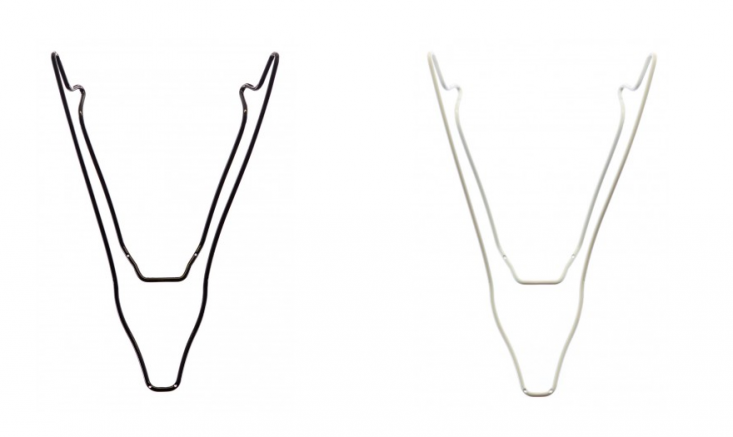
A Deer Antlers Bike Rack is exactly the kind of home accessory that makes people stop mid-sentence and say, “Wait… is your bicycle mounted on antlers?” And honestly, that is the whole charm. It combines practical indoor bike storage with the visual drama of a rustic trophy mount, minus the dusty cabin gloom and awkward taxidermy stare-down. Whether it is crafted from real shed antlers, shaped from steel, carved from wood, or inspired by recycled bicycle handlebars, this clever wall-mounted bike rack turns a two-wheeled transportation machine into a piece of sculptural wall art.
For apartment dwellers, cyclists with limited garage space, and anyone tired of tripping over a bike in the hallway like it is a domesticated moose, an antler-style bike rack offers a solution that is both useful and conversation-worthy. It saves floor space, keeps the bike easy to access, and adds a decorative feature that feels part outdoor lodge, part modern design studio, and part “my bike has better real estate than my houseplants.”
This guide explores what a deer antlers bike rack is, how it works, what materials to look for, how to install one safely, and whether it belongs in your entryway, garage, living room, or that odd wall space nobody knows what to do with.
What Is a Deer Antlers Bike Rack?
A deer antlers bike rack is a wall-mounted bicycle holder designed to resemble deer antlers or a hunting trophy. Instead of hiding your bike in a corner, the rack displays it horizontally or semi-horizontally, often supporting the bicycle by the top tube or frame. Some versions use actual naturally shed antlers, while others are made from steel rods, reclaimed wood, faux antlers, or repurposed bicycle parts that mimic the look of antlers.
The design became popular among cyclists who wanted indoor bike storage that did not look like hardware-store punishment. Traditional wall hooks can work beautifully, but they often look purely functional. The antler rack adds personality. It says, “Yes, I ride bikes, but I also enjoy objects that look like they wandered out of a design magazine wearing flannel.”
There are three common styles:
1. Real Shed Antler Bike Racks
These racks use naturally shed deer, elk, or similar antlers mounted to a wooden plaque or wall base. Deer and related animals shed and regrow antlers annually, so ethically sourced shed antlers can be collected without harming the animal. However, laws vary by state and region, especially on public land, so responsible sourcing matters.
2. Metal Antler Bike Racks
Many modern versions are made from welded steel or powder-coated metal. These are usually stronger, cleaner in appearance, and easier to standardize for weight capacity. A handmade steel antler bike hanger can bring the same wild silhouette while offering a more predictable structure for everyday bicycle storage.
3. Upcycled Bicycle “Antler” Racks
Some designers create trophy-style bike racks from old bicycle saddles, stems, and handlebars. The result looks like a vegan hunting trophy for cyclists. It is playful, sustainable, and deeply satisfying for anyone who has ever looked at a broken bike part and thought, “You are not done being weird yet.”
Why the Deer Antlers Bike Rack Works So Well
The beauty of the deer antlers bike rack is that it solves two problems at once: where to put the bike and how to make the room look more interesting. Bicycles are awkward indoor objects. They are long, they lean badly, they collect dust, and their pedals have a mysterious talent for attacking ankles. A wall rack lifts the bike off the floor and makes it feel intentional.
Compared with a basic vertical hook, an antler-style rack is typically more decorative. Compared with a freestanding bike stand, it uses less floor space. Compared with simply leaning your bike against the wall, it is less likely to end with a crash at 2 a.m. that convinces everyone in the house a raccoon has learned carpentry.
For cyclists who own a beautiful road bike, gravel bike, cruiser, or vintage frame, a decorative bike rack also turns the bicycle into display art. This works especially well in small apartments, lofts, studios, cabins, mudrooms, and garages where storage has to pull double duty as decor.
Best Places to Use an Antler Bike Rack
Entryway
An entryway is a smart location if you ride often. Mounting a bike near the front door makes daily use convenient, especially if you also keep your helmet, lock, lights, and gloves nearby. The deer antler shape adds character, making the entry feel less like a storage zone and more like a curated adventure station.
Living Room
Yes, a bike in the living room can look good. The key is confidence. If the rack is attractive and properly installed, the bike becomes part of the design rather than evidence that your garage has rejected you. A black steel antler rack can work in modern interiors, while a wood-and-antler style suits rustic, farmhouse, lodge, or eclectic rooms.
Garage
In a garage, the deer antlers bike rack keeps the bike above clutter and away from car doors, garden tools, and that one mysterious cardboard box nobody has opened since 2018. It is best for bikes you want easy access to, not bikes you plan to bury behind holiday decorations.
Home Office or Studio
If cycling is part of your identity, a bike rack in a home office or creative studio can look surprisingly sharp. It adds movement, texture, and a personal story to the room. It also silently judges you when you skip your ride, but that is between you and the handlebars.
Materials: What Should a Deer Antlers Bike Rack Be Made From?
The right material depends on your bike’s weight, your home style, and how much maintenance you want to do. A decorative rack should still be a serious storage product. “Cute” is not enough when twenty to seventy pounds of bicycle is hovering above your flooring.
Steel
Steel is one of the best choices for strength. A welded steel deer antler bike rack can support a bicycle securely if it is designed correctly and mounted into a stud or masonry wall. Powder-coated steel resists scratches and gives the rack a clean, finished look. For heavier bikes, steel is generally more reassuring than delicate decorative materials.
Wood
Wood is often used as the backplate or mounting plaque. It adds warmth and distributes pressure when attached properly. Oak, walnut, maple, and reclaimed barn wood all work well visually. A backboard can also make installation easier because it allows the rack hardware to connect securely to wall studs.
Real Antler
Real antler has a distinctive natural texture, but it must be used carefully. Antlers are bone, not magical bicycle beams. Their shape, density, and age can vary, so the rack should be designed by someone who understands load-bearing structure. For a real shed antler bike rack, the antlers should be firmly attached to a strong base, sealed or cleaned properly, and padded wherever the bike frame touches.
Rubber, Leather, or Felt Padding
Padding is small but important. Any point where the bike frame contacts the rack should be protected with rubber sleeves, leather wraps, felt pads, or another soft material. This helps prevent scratches, paint wear, and metal-on-metal rubbing. Your bike deserves better than being hugged by bare hardware.
How to Choose the Right Deer Antlers Bike Rack
Before buying or building one, think beyond looks. A bike rack is a piece of storage hardware, and storage hardware has one very important job: not dropping your bike like a dramatic plot twist.
Check the Weight Rating
Start with your bike’s weight. Many road bikes weigh under 25 pounds, but mountain bikes, cargo bikes, cruisers, and e-bikes can be much heavier. Some wall racks support around 35 to 70 pounds, depending on design and installation. If the rack does not clearly state a weight capacity, be cautious. For e-bikes, choose a heavy-duty rack specifically rated for that weight.
Measure the Frame
Most antler racks hold the bicycle by the top tube. That works well for many classic diamond-frame bikes, but it can be trickier for step-through frames, full-suspension mountain bikes, small kids’ bikes, or frames with unusual geometry. Adjustable arms are helpful. If the antler shape is fixed, measure carefully before committing.
Think About Wall Clearance
The rack must hold the bike far enough from the wall to protect pedals, handlebars, and tires from scuffing. Measure handlebar width, pedal position, and the distance from the wall to the support point. A rack that looks beautiful but forces the pedal to scrape your paint is not a rack. It is a slow-motion renovation project.
Match the Room Style
For modern interiors, choose black, white, brass, or matte steel. For cabins and rustic rooms, natural antler with a wood plaque can look excellent. For industrial spaces, reclaimed metal or upcycled bicycle parts feel right at home. The best design looks intentional even when the bike is removed.
Installation Tips for Safe Wall-Mounted Bike Storage
Proper installation is the difference between “stylish indoor bike storage” and “why is there a bicycle-shaped dent in the floor?” A deer antlers bike rack should be mounted into a solid structure, such as a wall stud, masonry, or a properly secured backer board.
Find the Stud
Drywall alone is not enough for most wall-mounted bike racks. Use a stud finder and confirm the location before drilling. If the rack’s mounting holes do not line up with studs, install a strong wooden backboard across multiple studs, then mount the rack to that board.
Use the Right Hardware
Lag screws, masonry anchors, or manufacturer-recommended fasteners should be used depending on the wall type. Do not guess. Walls are not all the same, and neither are bikes. A lightweight city bike on a wood stud is one thing; a heavy e-bike on questionable drywall is a suspense movie.
Test Before Trusting
After installation, apply downward pressure carefully before hanging the bike. Check for wobble, creaking, or movement. Hang the bike slowly and observe the rack for a few minutes. Recheck screws after a few days of use, especially if the rack is handmade or installed in an older home.
Real Antlers vs. Faux Antlers: Which Is Better?
Both options can be good, but they serve different priorities. Real shed antlers have organic beauty and one-of-a-kind character. No two are identical, which makes each rack feel special. However, they require responsible sourcing, thoughtful cleaning, and careful structural design.
Faux antlers or metal antler shapes offer more consistency. They can be engineered for strength, coated for durability, and made in uniform dimensions. They also avoid ethical concerns for buyers who prefer animal-free decor. If your main goal is reliable daily bike storage, a steel or engineered version is usually the safer bet. If your goal is rustic charm with a strong handmade feel, real shed antlers may be worth considering.
Decor Ideas for Styling a Deer Antlers Bike Rack
A bike rack looks best when it is part of a complete visual story. Mount it too randomly and it can look like your bicycle lost a fight with a wall. Give it context, and suddenly it feels designed.
Create a Mini Cycling Station
Add hooks for helmets, a shelf for gloves, and a small basket for lights or repair tools. This keeps everything in one place and reduces the morning search for the bike lock, which always seems to hide like it owes someone money.
Use Wall Protection
Consider a painted wood panel, metal wall plate, cork backing, or washable wall finish behind the tires and pedals. Bikes bring in road dust, mud, chain grease, and outdoor personality. Wall protection keeps that personality from becoming permanent abstract art.
Add Lighting
A small picture light or wall sconce can make the bike look like an exhibit. This works especially well for vintage frames, custom builds, or bikes with attractive finishes.
DIY Deer Antlers Bike Rack: Is It Worth Making?
A DIY deer antlers bike rack can be a rewarding project if you have basic woodworking skills, the right tools, and a healthy respect for gravity. The simplest version uses a sturdy wood backboard, faux antlers or metal supports, padding, and heavy-duty mounting hardware. More advanced versions may involve welding steel rods into an antler shape or integrating reclaimed bike handlebars into a trophy-style mount.
If you use real shed antlers, inspect them carefully. Avoid cracked, brittle, or heavily weathered pieces for load-bearing support. Clean and seal them, drill carefully, and reinforce connections with bolts rather than relying on glue alone. The mounting base should carry the structural load, not just the decorative antler shape.
For most people, buying a well-made rack is easier and safer. DIY is best for people who enjoy building, measuring, testing, and saying things like “I just need one more clamp” with alarming confidence.
Pros and Cons of a Deer Antlers Bike Rack
Pros
A deer antlers bike rack saves floor space, adds personality, displays your bike beautifully, and works well in apartments, garages, cabins, and creative interiors. It can also make cycling gear feel organized rather than scattered. For people who love rustic decor, outdoor culture, or unusual handmade objects, it is far more memorable than a plain hook.
Cons
It may not suit every bike frame. Heavy bikes need a clearly rated heavy-duty design. Real antlers require ethical sourcing and proper construction. Some landlords may not allow wall drilling. And yes, guests may make antler jokes. Many antler jokes. Prepare emotionally.
Who Should Buy a Deer Antlers Bike Rack?
This rack is ideal for cyclists who want their storage to look intentional, homeowners who enjoy rustic or modern lodge decor, apartment dwellers who need to reclaim floor space, and anyone who sees a bicycle as more than transportation. It is especially appealing for people with stylish road bikes, gravel bikes, single-speeds, vintage cruisers, or commuter bikes they use regularly.
It may not be the best choice for very heavy e-bikes, unusual step-through frames, or households where multiple bikes need dense storage. In those cases, a vertical track system, freestanding rack, or heavy-duty garage system may be more practical.
Care and Maintenance
Maintenance is simple but worthwhile. Dust the rack regularly, wipe down padding, and check mounting screws every few months. If the rack uses real antlers, keep it away from excessive moisture and direct heat. If it is steel, inspect for chips in the finish and touch them up to prevent rust. If it has leather padding, condition it occasionally so it does not dry out and crack.
Also clean your bike before hanging it indoors. A bike covered in mud hanging above a pale rug is not rustic charm. It is a cry for help.
Experience Section: Living With a Deer Antlers Bike Rack
The first thing you notice after installing a deer antlers bike rack is how quickly the room changes. Before the rack, the bike may have been leaning awkwardly against a wall, blocking a closet door, or waiting in the hallway like a polite but inconvenient roommate. Once it is lifted onto the wall, the floor opens up. The space feels cleaner almost immediately. Even a small apartment can feel less crowded when the bicycle is no longer occupying the same zone as shoes, bags, and nervous ankles.
Using the rack daily is also easier than expected, provided it is mounted at the right height. The sweet spot is low enough that you can lift the bike without performing an Olympic clean-and-jerk, but high enough that the wheels clear the floor and nearby furniture. For a lighter road bike, the motion becomes automatic: lift, settle the frame onto the padded antler arms, step back, and admire. For a heavier hybrid or mountain bike, the rack still works, but height matters much more. Mount it too high and every ride begins with a small upper-body workout you did not request.
The decorative effect is the real surprise. A deer antlers bike rack makes the bicycle look deliberate. Visitors tend to notice it right away, partly because bikes are large and partly because antlers are not shy design elements. The rack becomes a conversation starter, especially if it is handmade or made from reclaimed materials. People ask where it came from, whether the antlers are real, and whether the bike is actually safe up there. That last question is fair, and it is a good reason to install the rack properly and confidently.
In a garage, the rack feels practical first and decorative second. It keeps the bike away from lawn tools, storage bins, and car doors. In a living room or office, the balance flips. It feels like decor first, storage second. That is what makes this design so appealing. It does not apologize for the bike being indoors. It celebrates it.
There are a few lessons you learn after living with one. Padding matters because even tiny movements can rub a frame finish over time. Wall protection matters because tires are rarely as clean as they appear. Placement matters because handlebars need clearance and pedals love catching on things. Most importantly, the rack must match the bike. A delicate decorative antler rack may look wonderful with a lightweight single-speed but feel wrong for a heavy electric commuter.
The best experience comes when the rack fits your habits. If you ride every day, mount it somewhere convenient. If the bike is mostly a showpiece or seasonal ride, a more dramatic wall display can work beautifully. Either way, a deer antlers bike rack turns storage into personality. It is useful, funny, stylish, and just strange enough to be memorablethe rare home accessory that can hold your bike and your guests’ attention at the same time.
Conclusion
A Deer Antlers Bike Rack is more than a quirky wall hook. It is a practical storage solution, a design statement, and a clever way to make a bicycle feel at home indoors. Whether made from real shed antlers, welded steel, wood, faux materials, or upcycled bike parts, the best version balances strength, safety, and personality. Choose one with an appropriate weight rating, install it into a secure wall structure, protect the bike frame with padding, and style the surrounding area with intention.
For cyclists who want their gear accessible and their home looking sharp, this rack brings a little wilderness to the wall without sacrificing function. It is space-saving, eye-catching, and delightfully unusual. In other words, it does exactly what good design should do: solve a problem while making people smile.
Note: This article is original web-ready content synthesized from real information about indoor bike storage, wall-mounted rack installation, antler materials, ethical sourcing considerations, and modern bicycle display design. No citation placeholders or unnecessary reference elements have been included.











