
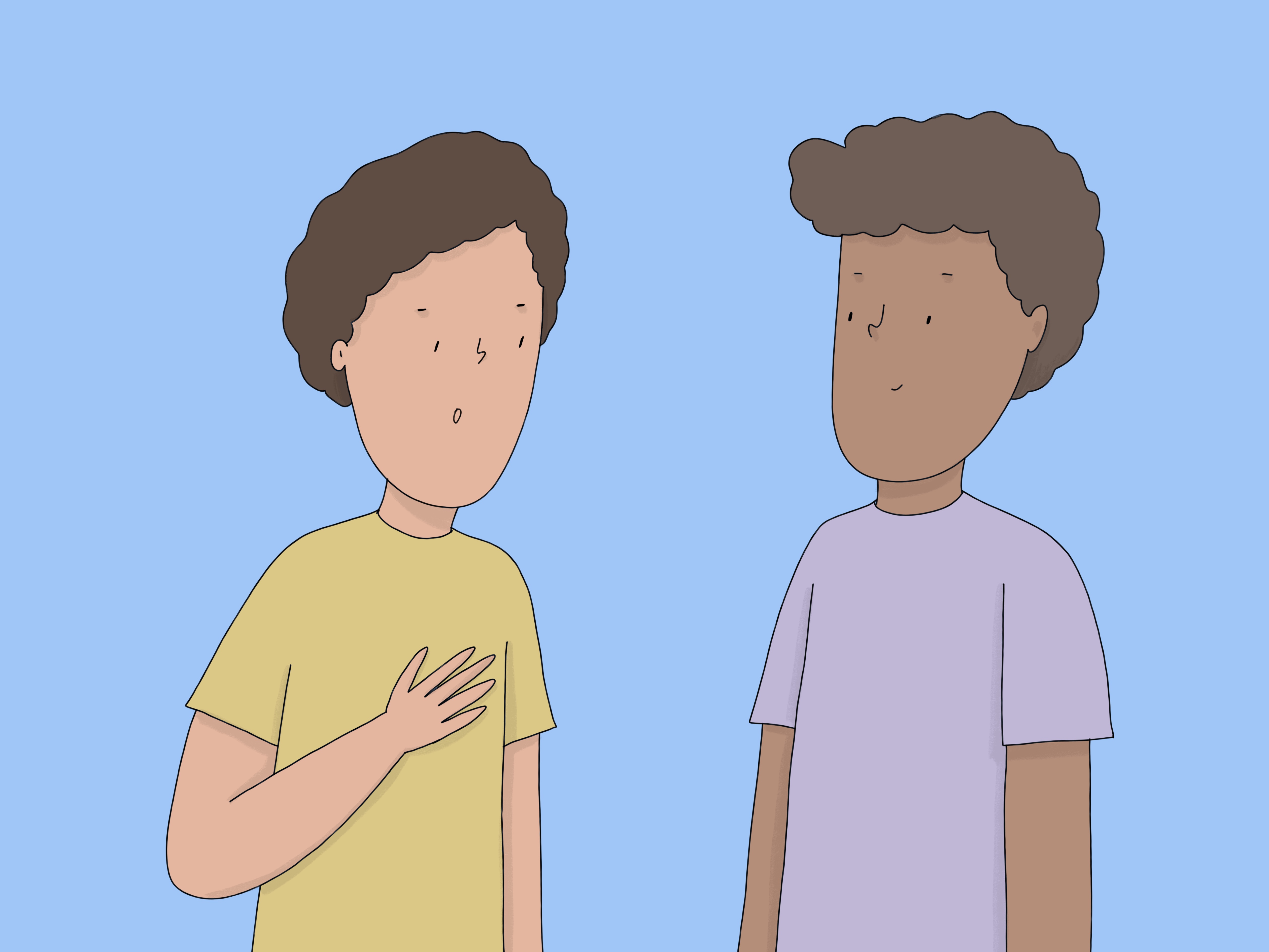
If you have ever muttered, “Why am I so emotional?” after crying in the grocery store, snapping during a meeting, or replaying one awkward text like it was a courtroom drama, welcome to the club. Human beings are emotional creatures. That is not a design flaw. It is the software.
Still, there is a real difference between having emotions and feeling ruled by them. If your reactions feel too big, too fast, or too exhausting, the goal is not to become a robot with excellent posture. The goal is emotional regulation: noticing what you feel, understanding why it is happening, and responding in a way that helps rather than hurts.
This guide breaks down 14 practical steps to help you stop feeling so emotionally overwhelmed. You will not learn how to become cold, detached, or mysteriously “above it all.” You will learn how to calm your nervous system, think more clearly, and deal with strong feelings without letting them hijack your day.
First, a Reality Check: You Do Not Need to “Stop” Having Emotions
Let’s clear something up before we go any further. If you are searching for how to stop being emotional, what you probably mean is one of these things:
- You cry easily and want more control.
- You get angry fast and regret what you say.
- You overthink conversations and spiral.
- You absorb stress like a sponge in a thunderstorm.
- You want to stay calm under pressure.
That is a much healthier goal. Emotions carry information. Anger can signal a boundary problem. Anxiety can point to uncertainty or overload. Sadness can mean loss, disappointment, or plain old burnout. When you ignore feelings, they tend to come back louder, like a smoke alarm with a personal vendetta. When you understand them, they become easier to manage.
How to Stop Being Emotional: 14 Steps That Actually Help
1. Pause Before You React
The fastest way to make a strong emotion stronger is to act on it immediately. When you feel yourself getting flooded, pause. Do not send the text. Do not fire off the email. Do not turn one irritated sentence into a dramatic trilogy.
Give yourself a moment. Even 30 to 90 seconds can create enough space for your brain to catch up with your body. A pause does not make you weak. It makes you less likely to do cleanup later.
2. Name the Emotion With Specific Words
“I am upset” is a start, but it is vague. Are you embarrassed, disappointed, anxious, rejected, jealous, overstimulated, or just plain tired? The more precisely you label the feeling, the easier it becomes to handle.
Try this sentence: “I feel frustrated because I feel ignored.” Or “I feel anxious because I do not know what is going to happen next.” Naming the emotion turns a blurry storm cloud into a weather report.
3. Check What Your Body Is Doing
Strong emotions do not live only in your thoughts. They show up in your body first: tight shoulders, shallow breathing, a clenched jaw, shaky hands, an upset stomach, or that lovely sensation of your heart trying to enter the Olympics.
Ask yourself: What is my body doing right now? If your body is activated, your mind will have a much harder time staying calm. Emotional regulation often starts with physical regulation.
4. Figure Out the Trigger, Not Just the Reaction
Sometimes the problem is not the moment itself. It is what the moment represents. Maybe a short message from your boss feels huge because you already feel insecure. Maybe a cancelled plan hurts because you are lonely, not because brunch was sacred.
Ask: What triggered me here? Was it rejection, uncertainty, criticism, lack of sleep, hunger, stress, or a pattern from the past? When you identify the trigger, you stop treating every emotion like it came out of nowhere.
5. Separate Facts From the Story You Are Telling Yourself
This step is powerful. Facts are what happened. The story is your interpretation. For example:
- Fact: They have not replied in five hours.
- Story: They are mad at me, I ruined everything, and I will probably die alone with six decorative throw pillows.
Notice the difference? Your mind fills in blanks fast, especially when you are stressed. Challenge the first dramatic explanation that appears. It may feel true, but that does not make it accurate.
6. Use a Quick Nervous System Reset
When emotions spike, logic alone is not enough. You need a body-based reset. Try one of these:
- Take slow, deep breaths and lengthen the exhale.
- Relax your jaw and drop your shoulders.
- Wash your face with cool water.
- Count five things you can see, four you can touch, three you can hear.
These grounding tools tell your body, “We are safe enough to slow down.” That matters more than people think.
7. Take a Timeout Without Calling It Quitting
Walking away for a few minutes can be a mature strategy, not emotional avoidance. If you are heated, overstimulated, or on the edge of saying something spectacularly unhelpful, step back.
Say, “I need ten minutes to clear my head, and then I can talk.” That is far better than staying in the conversation while your temper is driving the car.
8. Move Your Body on Purpose
Exercise is not just about fitness goals and pretending you enjoy burpees. Physical movement burns off stress, releases built-up tension, and often improves mood faster than sitting still and thinking harder.
You do not need an intense workout. A brisk walk, stretching, dancing in your kitchen, or a few minutes of yoga can help. Motion gives emotional energy somewhere to go.
9. Write It Out Instead of Acting It Out
Journaling can turn emotional chaos into something more manageable. Write what happened, what you felt, what you wanted to do, and what you actually need.
Try prompts like these:
- What am I really upset about?
- What part of this is in my control?
- What do I need right now: comfort, clarity, rest, or a boundary?
Writing slows the spiral. It also helps you notice patterns over time.
10. Fix the Basics: Sleep, Food, Caffeine, and Overload
Sometimes what feels like a “personality problem” is actually a drained nervous system. Lack of sleep, too much caffeine, skipped meals, nonstop screen time, and chronic stress can make emotions feel louder and harder to manage.
Before you decide you are “too emotional,” ask whether you are under-rested, underfed, overstimulated, or overcommitted. A lot of emotional control starts with boring grown-up maintenance. Glamorous? No. Effective? Extremely.
11. Stop Feeding the Fire With Rumination
Rumination is when you replay the same upsetting moment over and over without solving anything. It feels productive because your brain is busy, but it usually just deepens the emotion.
If you notice yourself looping, interrupt it. Set a timer for ten minutes to think or journal about the issue, then switch tasks. Go outside. Shower. Call a friend. Fold laundry like a person rebuilding their life. The goal is to shift from recycling emotion to processing it.
12. Talk to Someone Safe and Grounded
You do not always need advice. Sometimes you need perspective. A calm, trustworthy person can help you reality-check your thoughts, feel supported, and calm down faster.
Choose someone who listens well and does not pour gasoline on your feelings. There is a difference between support and a hype squad for your worst impulses.
13. Practice Self-Compassion Instead of Self-Attacks
Many emotional people are also brutally hard on themselves. They feel something strongly, then judge themselves for feeling it, which creates a second emotional mess on top of the first one.
Try replacing “Why am I like this?” with “I am having a hard moment, and I can handle it.” Self-compassion is not self-pity. It is the skill of treating yourself with the same steadiness you would offer a friend who is struggling.
14. Get Professional Help When Emotions Are Running Your Life
If your emotions are affecting work, relationships, sleep, decision-making, or daily functioning, it is time to get support. A therapist can help you identify triggers, challenge thought patterns, build coping skills, and work through anxiety, depression, trauma, anger, or chronic overwhelm.
Get help sooner rather than later if you have been feeling persistently sad, hopeless, unusually irritable, unable to focus, or unable to enjoy life for two weeks or more. If you are in the United States and are in emotional distress or crisis, call or text 988 right away.
What Not to Do When You Feel Too Emotional
Managing emotions is not only about what to do. It is also about what to avoid. These habits usually make things worse:
- Suppressing everything until you explode
- Using alcohol, nicotine, or other substances to numb out
- Doom-scrolling when you are already stressed
- Picking fights because anger feels easier than vulnerability
- Expecting yourself to “just calm down” with no actual tools
Emotional control is a skill, not a personality trait handed out at birth. Some people learned it early. Others are learning it now. Late is still valid.
Conclusion
If you want to know how to stop being emotional, the real answer is this: do not try to erase your emotions. Learn to regulate them. Pause when you are triggered, name the feeling, calm your body, question the story in your head, and take care of the everyday habits that keep your stress from boiling over. Then repeat, because emotional regulation is not a one-time fix. It is practice.
You do not need to become colder. You need to become steadier. There is a big difference. A steady person still feels deeply. They just do not let every feeling grab the steering wheel and take the car into a ditch.
Real-Life Experiences: What This Looks Like in Everyday Life
For a lot of people, learning how to stop being emotional starts with one uncomfortable realization: the problem is not always the feeling itself. It is the speed, intensity, and aftermath. One person may cry whenever they get critical feedback at work. Another may get quiet and resentful for hours after a small disagreement. Someone else may look perfectly calm on the outside while their mind is doing full acrobatics on the inside.
A common experience is realizing that strong emotions often show up most when life is already overloaded. Maybe you are sleeping poorly, juggling too many responsibilities, drinking more coffee than water, and calling it “being productive.” Then a minor inconvenience happens and suddenly it feels like the universe personally selected you for emotional destruction. In reality, your nervous system was already running on fumes.
Many people also notice that their emotional reactions are tied to old patterns. A delayed reply may feel far more painful if you are sensitive to rejection. A tense conversation may hit harder if you grew up around conflict. Once you begin spotting those patterns, your reactions start to make more sense. That alone can be calming. You stop seeing yourself as irrational and start seeing yourself as human.
Another real-world shift happens when people stop judging themselves for being emotional. That judgment adds extra shame, which often makes the original feeling worse. The most useful progress usually comes from replacing self-criticism with curiosity: What happened? What did I feel? What did I need? What would help next time? That approach is far more effective than calling yourself dramatic and hoping maturity arrives by mail.
Over time, small habits tend to matter more than big emotional speeches. A ten-minute walk after a stressful call. Writing in a journal instead of sending a reckless text. Going to bed earlier. Saying no to one more obligation. Telling a friend, “I am overwhelmed and need to talk this through.” These steps can look simple, even boring, but they are often the exact things that help people feel calmer, clearer, and more in control.
The biggest change is usually not that emotions disappear. It is that they become less scary. You trust yourself more. You know you can feel anger without exploding, sadness without drowning, and anxiety without assuming the worst. That is real emotional strength, and it is something people build one moment, one pause, and one better response at a time.














