
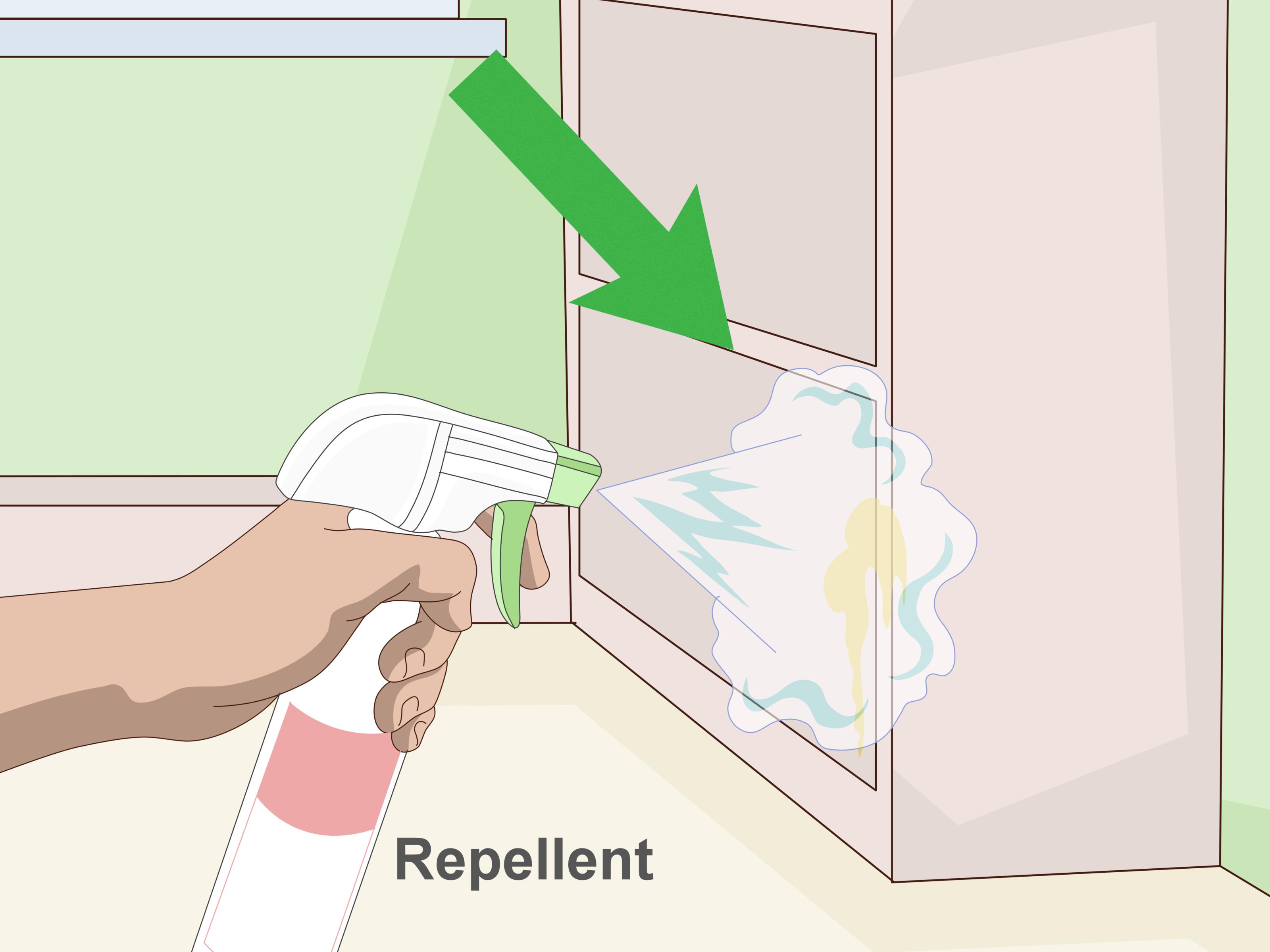
Cat spray is not just “cat pee with a marketing department.” It is urine used as a message, usually delivered on a vertical surface like a wall, couch side, curtain, door, or that one expensive chair your cat apparently believes needed a personal signature. The smell can be sharp, stubborn, and strangely talented at surviving ordinary cleaning. That is because cat urine contains compounds that can cling to fibers and surfaces, especially when it dries.
The good news: you can remove cat spray without turning your home into a chemistry experiment or blaming the cat for emotional damage. The real trick is to clean the spray in a way that breaks down the odor instead of covering it with perfume. Cats have impressive noses. If they can still smell the old mark, they may return to the same spot and reapply their tiny, terrible autograph.
This guide explains four practical ways to remove cat spray from walls, carpet, upholstery, clothing, bedding, baseboards, and other household surfaces. You will also learn what not to do, because some cleaning mistakes can make the odor worse. Spoiler: steam cleaners and ammonia-based products are not your friends here.
Why Cat Spray Smells So Strong
Cat spray is usually a form of urine marking. A cat may back up to a vertical object, lift the tail, and release a small amount of urine. Unlike a normal litter box trip, spraying is often connected to territory, stress, mating behavior, outdoor cats near windows, household changes, or conflict with other pets.
The odor becomes stronger as urine dries. Moisture evaporates, but odor-causing compounds remain. If the spray reaches carpet backing, padding, unfinished wood, grout, or fabric seams, the smell can hide below the surface. That is why a quick wipe with a regular household cleaner may seem successful for ten minutes, then the smell returns like it pays rent.
Before You Start: Safety and Cleaning Rules
Do a sniff test and a light test
Fresh spray is easier to find because it is wet. Older spray may require detective work. Smell around walls, baseboards, furniture legs, curtains, and corners near doors or windows. A small black light can help reveal dried urine spots, although not every stain will glow clearly.
Blot, do not scrub
When spray is fresh, press paper towels or clean cloths into the area to absorb as much liquid as possible. Scrubbing can spread urine wider and push it deeper into fabric or carpet fibers. Imagine you are gently persuading the mess to leave, not giving it a gym workout.
Avoid ammonia, bleach, and steam
Ammonia-based cleaners can smell similar to urine to a cat, which may encourage re-marking. Bleach can damage surfaces and should never be mixed with ammonia or other cleaners. Steam cleaners are also risky on urine stains because heat can set odor into carpet and upholstery fibers. Use cool or room-temperature cleaning methods first.
Always spot-test first
Before applying any cleaner to fabric, carpet, wood, painted walls, or leather-like materials, test a hidden area. Wait until it dries. If the color, texture, or finish changes, choose a gentler method or call a professional cleaner.
Way 1: Remove Fresh Cat Spray Immediately
Fresh cat spray gives you your best chance at a fast victory. The goal is simple: absorb the liquid before it sinks into the material, then neutralize what remains.
Step-by-step method for fresh spray
First, blot the area with clean paper towels or a white cloth. Use firm pressure, but do not rub. If the spray is on a wall or baseboard, wipe downward gently so it does not spread sideways. If it is on carpet or upholstery, place a towel over the spot and press with your hand or foot.
Next, rinse the area lightly with cool water if the surface can handle moisture. Blot again until the towel comes away mostly dry. Then apply a pet-safe enzymatic cleaner according to the product label. Enzymatic cleaners are designed to break down organic material in pet urine rather than simply covering the smell with fragrance.
Let the cleaner sit long enough to work. Many people make the mistake of spraying enzyme cleaner and wiping it off immediately. That is like hiring a plumber and sending him home before he sees the sink. Enzymes need contact time. Follow the label carefully, and keep pets and kids away from the damp area until it is dry.
Best surfaces for this method
This fresh-spray method works well on sealed floors, tile, washable walls, baseboards, vinyl, plastic mats, and moisture-safe fabrics. For unfinished wood, natural stone, delicate wallpaper, or antique furniture, use less liquid and test carefully.
Way 2: Use an Enzymatic Cleaner for Carpet and Upholstery
Carpet and upholstery are where cat spray becomes a full-time villain. The liquid can move through the top layer and settle into padding, seams, or foam. This is why the top of the carpet may look clean while the room still smells like your cat wrote a strongly worded letter to the universe.
How to clean cat spray from carpet
Start by blotting any moisture. If the stain is old and dry, lightly dampen it with cool water and blot to lift some residue. Do not flood the carpet. Too much water can spread the urine into a larger area or push it deeper into the padding.
Apply an enzymatic cleaner generously enough to reach the same depth as the urine. If the spray soaked through the carpet, a tiny mist on the surface will not solve the problem. Let the cleaner remain on the area for the recommended amount of time. Some products work best when the area stays slightly damp for several hours.
After the enzyme treatment, blot the area again and allow it to air-dry completely. Good ventilation helps. Open a window, run a fan, or use a dehumidifier if the room is humid. Once dry, vacuum the carpet to restore texture.
How to clean cat spray from upholstery
For couches, chairs, cushions, and fabric headboards, remove covers if possible. Blot first, then apply an enzyme cleaner approved for upholstery. Use less liquid on foam cushions because they can trap moisture. If the cushion has a removable cover, treat both the cover and the inner cushion surface if the spray reached it.
If the cushion still smells after drying, repeat the enzyme treatment. Cat spray odor often requires more than one round, especially if the stain is old. Patience is cheaper than replacing a sofa, although your cat may prefer the dramatic option.
When carpet padding must be replaced
If cat spray has soaked deeply into carpet padding, cleaning the top layer may not be enough. Persistent odor in one small area may mean the padding beneath is contaminated. In severe cases, the best solution is to pull back the carpet, replace the affected padding, clean the subfloor with the right product, and reinstall the carpet.
Way 3: Wash Clothing, Bedding, Curtains, and Soft Items
Soft items are cat spray magnets because they hold scent. Bedding, laundry piles, throw blankets, curtains, cat beds, and removable cushion covers should be cleaned quickly and thoroughly.
Machine-washable items
Blot fresh spray first. Then rinse the item in cool water if the fabric allows. Wash it with regular detergent and add baking soda to help with odor absorption. For stubborn smells, use a laundry-safe enzymatic cleaner made for pet urine. Follow the product instructions, because some enzyme products are designed for pre-soaking while others go directly into the wash.
Air-dry the item before using a dryer. Heat can set lingering odor, making it harder to remove later. Once dry, smell the item carefully. If you can still detect spray, wash it again before drying with heat. Yes, sniffing laundry is not glamorous. Nobody promised cat ownership would be all sunbeams and tiny toe beans.
Curtains and delicate fabrics
For washable curtains, remove them and treat the sprayed section before laundering. For dry-clean-only fabrics, avoid soaking them at home. Blot what you can and contact a professional cleaner. Tell them the stain is pet urine so they can choose the proper treatment.
Cat beds and blankets
Wash cat beds, blankets, and soft toys separately from regular laundry if they are heavily sprayed. Use unscented or lightly scented products when possible. Strong perfume does not remove urine odor; it simply creates a new smell called “floral litter box thunderstorm.”
Way 4: Clean Hard Surfaces and Stop Repeat Marking
Cat spray often lands on walls, doors, baseboards, cabinets, tile, vinyl flooring, and furniture legs. These surfaces may seem easier to clean, but edges and seams can trap odor. Removing cat spray properly means cleaning the visible mark and preventing your cat from seeing the same spot as an official message board.
Painted walls and baseboards
Blot or wipe the spray first. Then clean the area with a pet-safe enzymatic cleaner that is safe for painted surfaces. Do not oversaturate drywall. If the wall paint is flat or porous, it may absorb odor more easily than semi-gloss or washable paint. After cleaning and drying, you may need to repeat the treatment.
If odor remains after multiple cleanings, the spray may have reached behind trim or into damaged paint. In that case, remove and clean the baseboard if possible, or seal the affected area with an odor-blocking primer before repainting.
Tile, sealed wood, and vinyl
For tile and vinyl, wipe away urine, rinse lightly, and apply enzyme cleaner. Pay attention to grout lines and corners. For sealed hardwood, use minimal moisture and dry quickly. Standing liquid can damage wood finishes. If urine has soaked into unfinished wood, odor can be difficult to remove and may require sanding, sealing, or professional repair.
Prevent the same spot from becoming a target
Once the spot is clean, make the area less attractive for marking. Move food bowls, toys, or a cat bed nearby if appropriate, because cats are less likely to spray where they eat or rest. Block access temporarily while the cleaner dries. If outdoor cats are triggering your cat through a window, close blinds, use privacy film, or keep your cat away from that view for a while.
Why Cleaning Alone May Not Solve Cat Spraying
Removing cat spray is important, but the bigger question is why your cat sprayed in the first place. If the cause remains, the spray may return. A cat that keeps spraying is not being “bad.” The behavior can be connected to stress, territory, hormones, conflict, or a medical issue.
Common reasons cats spray
Intact male cats are more likely to spray, but females and neutered males can also do it. New pets, new people, moving furniture, outdoor cats, dirty litter boxes, lack of vertical territory, or tension between cats can all trigger marking. Some urinary problems can also look like spraying or inappropriate urination, so repeated incidents deserve attention.
When to call a veterinarian
If your cat suddenly starts spraying, urinates outside the litter box, strains, cries, visits the litter box often, or produces small amounts of urine, contact a veterinarian. Urinary tract issues can be painful and may become serious. Even when the cause is behavioral, a vet can help rule out medical problems before you redesign your entire home around one opinionated cat.
Extra Tips for Better Odor Control
Use the right amount of cleaner
Enzyme cleaner must reach the urine. On carpet, that may mean applying more than a light spray. On walls, it may mean treating the lower edge of trim. On upholstery, it may mean treating seams and cushion edges. Always follow the label and avoid soaking materials that can be damaged by moisture.
Give it enough drying time
Odor can seem worse while an enzyme cleaner is wet because moisture reactivates urine residue. Wait until the area is fully dry before judging the result. Depending on the material and room conditions, this may take several hours or longer.
Repeat if needed
Old spray stains often need more than one treatment. If you smell improvement but not perfection, repeat the same safe method. Switching randomly between products can create residue, damage surfaces, or reduce the effectiveness of enzymes.
Keep the litter box situation excellent
A clean, calm litter box setup can reduce stress-related elimination problems. Scoop daily, use enough boxes for your household, place them in quiet accessible areas, and avoid sudden litter changes. In multi-cat homes, one box per cat plus one extra is a common guideline.
Personal Experience: What Actually Works in Real Homes
Anyone who has dealt with cat spray knows the emotional timeline. First comes confusion: “What is that smell?” Then denial: “Maybe it is the trash?” Then investigation, usually on hands and knees, sniffing baseboards like a very underpaid detective. Finally, the truth appears: the cat has chosen a location and expressed an opinion.
In real-life cleaning, the biggest lesson is that speed matters. Fresh spray is much easier to remove than old spray. When a spot is cleaned within minutes, blotting plus enzyme cleaner often solves the problem. When the spray sits overnight, especially on carpet or fabric, it becomes more stubborn. The smell can sink below the surface, and a single cleaning may not reach all of it.
Another practical lesson is that fragrance is not a solution. Many people reach for scented sprays, candles, or air fresheners because they want immediate relief. That may help the room smell better for a short time, but it does not remove the urine residue. Worse, the combination of perfume and cat spray can create a smell that feels like a garden party held inside a litter box. Neutralizing beats masking every time.
Enzymatic cleaners tend to work best when used with patience. The common mistake is wiping them away too soon. A good approach is to blot the area, apply the cleaner, let it sit as directed, then allow full drying. If the smell remains, repeat. The second round often works better because the first round reduces the odor load and the second round finishes the job.
Carpet is usually the most frustrating surface. A small spray mark on the surface can hide a larger problem underneath. If the same area smells again after repeated cleaning, the padding may be holding odor. In that case, no amount of surface scrubbing will feel satisfying. Pulling back the carpet and checking the padding may sound dramatic, but it can save weeks of failed cleaning.
Walls and baseboards require a different mindset. The spray may run down into the crack where the wall meets the floor. That thin line can hold odor even after the visible wall looks clean. Treating the baseboard edge, floor seam, and nearby trim is often the difference between “mostly better” and “finally gone.”
For laundry, air-drying is a hero. Heat from the dryer can lock in smells, especially when the odor is not fully removed. Washing once, air-drying, sniff-checking, and washing again if needed is not glamorous, but it works. A blanket that still smells faintly of spray should not go into the dryer unless you want that smell to become part of its personality.
The final experience-based truth is that cleaning and behavior go together. If a cat sprays because of stress, outdoor cats, conflict, or hormones, cleaning the stain only removes yesterday’s problem. The future problem is still warming up in the hallway. Blocking outdoor cat views, improving litter boxes, adding vertical spaces, separating tense pets, and talking with a veterinarian can prevent repeat episodes.
Cat spray removal is not about winning a battle against your cat. It is about removing the odor completely, understanding the trigger, and making the home feel safe again. Your cat gets a calmer environment. You get your house back. Everybody wins, except possibly the old paper towels, which served bravely and will be remembered.
Conclusion
The best way to remove cat spray is to act fast, blot instead of scrub, use an enzymatic cleaner, treat the full depth of the stain, wash soft items properly, and avoid heat or ammonia-based products. For hard surfaces, pay attention to seams, trim, and porous materials. For carpets and upholstery, allow enough contact time and repeat the treatment when needed.
Most importantly, do not stop at cleaning. If your cat continues to spray, look for the reason behind the behavior. A clean home and a calmer cat are both possible, but they work best as a team. With the right method, cat spray does not have to become your home’s signature scent.













