Summer is wonderful until the backyard barbecue turns into an all-you-can-eat buffet, and unfortunately, you are the buffet. Warm weather brings out campers, gardeners, hikers, pool loungers, and tiny freeloaders with wings, fangs, stingers, or an alarming talent for hiding in socks. Most summer bugs are annoying rather than dangerous, but a few deserve more respect than a mosquito at a blood bank.
This guide breaks down 11 dangerous summer bugs, including venomous spiders, biting insects, ticks, and stinging pests commonly discussed in the United States. The goal is not to make you afraid of every buzzing thing near the lemonade pitcher. It is to help you recognize which pests matter, how to avoid bites and stings, and when a bite is more than just a red bump with an attitude problem.
Why Summer Bugs Become a Bigger Problem
Summer creates the perfect bug party: heat, humidity, standing water, tall grass, blooming plants, outdoor meals, sweaty humans, and pets that wander through yards like tiny tick buses. Mosquitoes breed in water, ticks wait in brush and leaf litter, wasps defend nests, flies chase movement, and spiders often hide in quiet, dark places such as sheds, garages, woodpiles, and patio furniture.
The real danger is not always the bite itself. Some pests can spread germs, trigger allergic reactions, or inject venom. Others cause intense itching that leads to scratching, broken skin, and possible infection. A calm, practical approach works best: identify the pest, treat the bite correctly, and use prevention before the bugs RSVP to your weekend plans.
11 Dangerous Summer Bugs to Watch For
1. Mosquitoes
Mosquitoes are the unofficial soundtrack of summer evenings. They are small, persistent, and somehow always know when you forgot repellent. In the United States, mosquitoes can spread illnesses such as West Nile virus, dengue, and other mosquito-borne infections in certain regions. Many bites cause only itching and swelling, but fever, body aches, rash, severe headache, or unusual tiredness after mosquito exposure should not be ignored.
Mosquitoes breed in standing water, so your yard may be helping them more than you realize. Buckets, clogged gutters, birdbaths, plant saucers, kiddie pools, tarps, and old tires can all become mosquito nurseries. Dump standing water weekly, repair window screens, use air conditioning when possible, and wear long, loose-fitting clothing at dawn and dusk when some species are most active.
For personal protection, use an EPA-registered insect repellent with an active ingredient such as DEET, picaridin, IR3535, oil of lemon eucalyptus, PMD, or 2-undecanone. Follow the label, especially when using products on children. Natural does not automatically mean effective; mosquitoes are not impressed by wishful thinking.
2. Ticks
Ticks are not insects; they are arachnids. Unfortunately, they did not get the memo that being tiny should come with better manners. Ticks wait on grass, shrubs, leaf litter, and trail edges, then attach to people or animals that brush past. In the U.S., ticks can transmit Lyme disease, Rocky Mountain spotted fever, anaplasmosis, ehrlichiosis, babesiosis, and alpha-gal syndrome, depending on the tick species and region.
Tick bites are tricky because they are often painless. After outdoor activity, check your scalp, behind the ears, underarms, waistline, belly button, groin area, behind the knees, and ankles. Showering soon after coming indoors can help you spot ticks before they attach firmly. Toss clothes into a dryer on high heat when appropriate, because ticks are tougher than they look and much less charming.
To reduce risk, stay in the center of trails, avoid tall grass, wear light-colored clothing, tuck pants into socks in high-risk areas, and consider permethrin-treated clothing or gear. If you find an attached tick, remove it with fine-tipped tweezers by grasping close to the skin and pulling steadily upward. Do not use folklore methods like nail polish, heat, or petroleum jelly. Ticks are not impressed by drama, and your skin will not thank you.
3. Black Widow Spiders
Black widow spiders are among the best-known venomous spiders in the United States. They are usually shiny black, and females often have a red hourglass marking on the underside of the abdomen. They prefer quiet, sheltered spots such as woodpiles, sheds, garages, crawl spaces, outdoor furniture, and cluttered storage areas.
Black widows are not out hunting humans. Most bites happen when the spider is accidentally trapped or touched. A bite may feel like a sharp pinprick, followed by pain, swelling, muscle cramps, sweating, nausea, or stiffness. Children, older adults, and people with underlying health concerns may be at higher risk for serious symptoms.
To prevent bites, wear gloves when moving firewood, boxes, rocks, or outdoor equipment. Shake out shoes, gloves, towels, and clothing that have been stored outside or in garages. Keep storage areas tidy, because clutter is basically a spider apartment complex with free rent.
4. Brown Recluse Spiders
Brown recluse spiders are another venomous spider of medical concern in the U.S., especially in parts of the Midwest and South. They are often described as brown with a violin-shaped marking, but spider identification is difficult, and many harmless spiders are blamed for bites they did not commit. The brown recluse prefers dark, undisturbed areas such as closets, attics, basements, cardboard boxes, shoes, and stored linens.
A brown recluse bite may start mildly, then develop redness, itching, pain, swelling, blistering, or a wound that worsens over time. Most suspected spider bites are not actually from brown recluse spiders, but any spreading redness, severe pain, fever, or worsening skin changes should be evaluated by a medical professional.
Prevention is simple but effective: reduce clutter, seal cracks, use gloves when moving stored items, and avoid leaving clothing or towels on the floor in areas where recluse spiders are known to live. Your laundry pile may already be dangerous for social reasons; do not let it become a spider hotel too.
5. Fire Ants
Fire ants are small, aggressive, and deeply committed to ruining picnics. They build mounds in lawns, parks, pastures, athletic fields, and roadside areas, especially in warm southern states. When disturbed, fire ants swarm and sting repeatedly. The sting often causes burning pain followed by itchy bumps or small fluid-filled spots.
For most people, fire ant stings are painful but manageable with basic care, such as washing the area, using cold compresses, and taking an oral antihistamine or using an anti-itch product if appropriate. The bigger concern is allergy. Trouble breathing, dizziness, swelling of the face or throat, widespread hives, or faintness after stings can signal a serious allergic reaction and requires emergency care.
Watch where you step, especially in grass after rain. Teach children not to kick ant mounds, even if the mound looks like nature’s tiny sandcastle. Wear closed-toe shoes when mowing or gardening, and consider professional pest control for heavy infestations.
6. Yellow Jackets
Yellow jackets are social wasps with a talent for appearing exactly when the watermelon comes out. They are attracted to sugary drinks, meat, fruit, trash cans, and outdoor food. Unlike honey bees, yellow jackets can sting more than once, and they may become more aggressive when defending a nest.
Ground nests are a common problem because people often discover them by accident while mowing, hiking, or doing yard work. If you disturb a nest, move away quickly and calmly. Do not swat wildly; that usually makes the situation worse and gives the wasps a dramatic villain origin story.
Cover food and drinks outdoors, keep trash sealed, clean up fallen fruit, and avoid drinking directly from open cans where a wasp could crawl inside. If a nest is near a doorway, playground, patio, or high-traffic area, professional removal is often safer than a homemade battle plan involving flip-flops and confidence.
7. Hornets and Paper Wasps
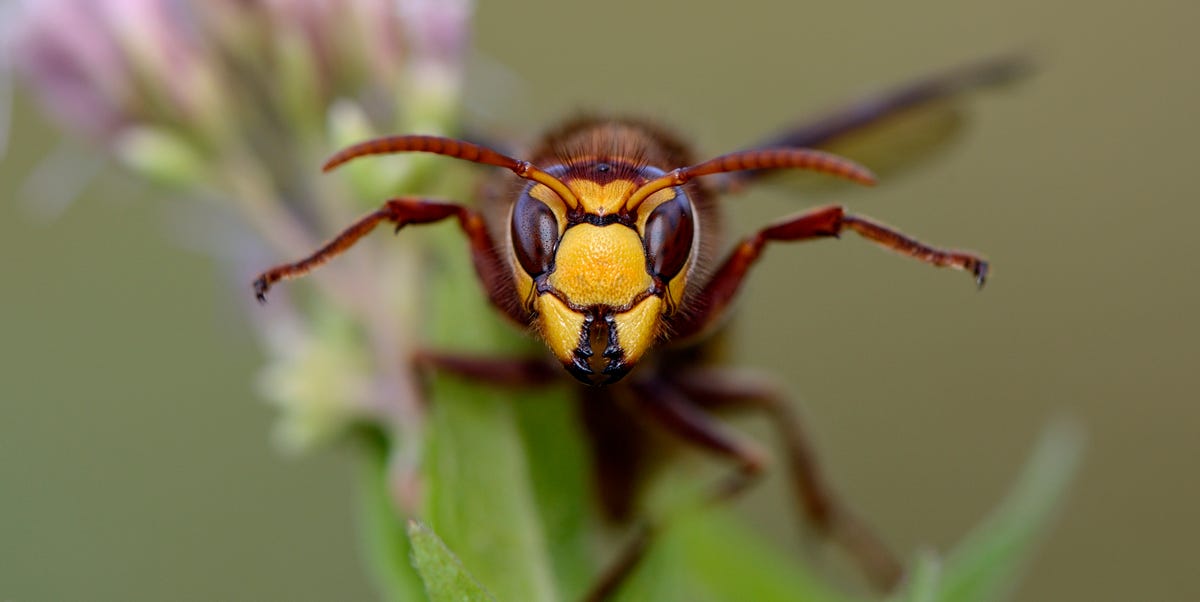
Hornets and paper wasps can be beneficial because they prey on other insects and help balance the backyard ecosystem. That said, a nest under the deck chair is not exactly a wellness retreat. Paper wasps often build umbrella-shaped nests under eaves, railings, porch ceilings, and outdoor furniture. Hornets may build larger enclosed nests in trees, shrubs, or structures.
The danger comes from defensive stinging, especially when nests are disturbed. Stings can cause pain, swelling, redness, and itching. People with venom allergies can develop severe reactions. Multiple stings may also be more concerning, particularly for children or sensitive individuals.
Before using outdoor furniture, grills, playsets, or shed equipment, look for nest activity. Wear shoes outdoors, avoid strong fragrances when spending time near active nests, and do not poke a nest to “see if it is active.” Spoiler alert: if it becomes active, you will know immediately.
8. Kissing Bugs
Kissing bugs, also called triatomine bugs, are blood-feeding insects found mostly in the southern United States, though reports occur in other areas. They are associated with Chagas disease, caused by the parasite Trypanosoma cruzi. The parasite is not usually spread through the bite itself; infection risk comes when infected bug feces enters the body through broken skin, eyes, or mucous membranes.
Kissing bugs may live around woodpiles, animal shelters, rodent nests, outdoor lights, cracks, and poorly sealed structures. Pets can also attract them. The risk of Chagas disease in well-sealed U.S. homes is generally lower than in areas with poorer housing conditions, but awareness matters, especially in rural or semi-rural regions.
Reduce risk by sealing cracks, repairing screens, keeping pet sleeping areas clean, moving woodpiles away from the home, and reducing rodent habitats. If you find a suspected kissing bug, do not crush it with bare hands. Capture it safely in a container and contact local extension or health authorities for identification guidance.
9. Horse Flies and Deer Flies
Horse flies and deer flies are the dive-bombers of summer. They are active during the day, especially near water, wooded edges, fields, livestock areas, and humid outdoor spaces. Their bites can be painful because they cut the skin rather than gently sipping like mosquitoes. Charming? Not even a little.
These flies are attracted to movement, dark colors, carbon dioxide, and warm bodies. Repellents may provide limited protection, but heavy clothing, hats, and reducing exposed skin often work better in high-fly areas. Deer flies often circle the head, so hats, head nets, and adhesive deer fly patches can help during hikes, fishing trips, or yard work.
Clean bites with soap and water, apply a cold compress, and avoid scratching. Seek medical advice if swelling spreads, signs of infection appear, or symptoms seem unusual. Running in panic may feel natural, but it can attract more attention from the flies. Try walking away steadily instead, while silently questioning your life choices.
10. Chiggers
Chiggers are the tiny larval stage of certain mites, and they are famous for causing intense itching. They are common in grassy, brushy, weedy, or damp areas, especially along the edges where lawns meet woods or fields. Chiggers do not burrow into the skin, despite the popular myth. They attach briefly, feed, and leave behind irritation that can itch like a tiny orchestra of bad decisions.
Prevention is your best friend. Wear long pants, long sleeves, and closed shoes when walking through chigger habitat. Tuck pants into socks or boots when needed. Use repellent on exposed skin and clothing according to the label. After exposure, shower with soap and water and wash outdoor clothing before wearing it again.
For itching, cold compresses, anti-itch creams, and oral antihistamines may help. Avoid scratching, because broken skin can become infected. Clear tall weeds, mow grass, and reduce brushy edges around frequently used areas of the yard.
11. Fleas
Fleas are usually associated with pets, but humans can become targets too. Flea bites often appear around ankles and lower legs as small itchy bumps. In some areas, fleas can transmit diseases such as flea-borne typhus or, more rarely, plague. The risk depends on geography, wildlife, pets, rodents, and local conditions.
Outdoor pets can bring fleas indoors, and wildlife such as rodents, stray cats, raccoons, and opossums can support flea populations around homes. Keep pets on veterinarian-recommended flea prevention, wash pet bedding, vacuum regularly, and discourage wildlife from nesting near the house by sealing food and garbage.
Never use dog flea products on cats unless a veterinarian says it is safe; some ingredients that are fine for dogs can be dangerous for cats. If flea bites are accompanied by fever, rash, headache, or body aches, contact a healthcare professional and mention the flea exposure.
How to Treat Common Bug Bites and Stings
For mild bites and stings, start with the basics. Wash the area with soap and water. Apply a cold compress to reduce swelling. Use an over-the-counter anti-itch cream, hydrocortisone, calamine lotion, or oral antihistamine if appropriate. Avoid scratching, even though your brain may insist that scratching is a reasonable career path.
For bee stings, remove the stinger as soon as possible by scraping it away with a fingernail or card edge. Do not squeeze the venom sac. For tick bites, remove the tick with fine-tipped tweezers and clean the skin afterward. Save a photo or note the date and location of the bite if symptoms develop later.
When to Get Medical Help
Seek emergency care for symptoms of a severe allergic reaction, including trouble breathing, tightness in the throat, swelling of the lips or face, dizziness, fainting, confusion, or widespread hives. Get medical advice promptly for fever, rash, body aches, severe headache, spreading redness, pus, worsening pain, a bite from a suspected black widow or brown recluse, or symptoms that appear days or weeks after a tick bite.
Children, older adults, pregnant people, and anyone with immune system concerns should be especially cautious. When in doubt, contact a healthcare professional or Poison Control. It is better to ask early than to wait until a small bite becomes a big production.
Smart Summer Bug Prevention
Use Repellent Correctly
Choose an EPA-registered repellent and follow the label. Apply sunscreen first, then repellent. Do not spray repellent under clothing. Avoid eyes, mouth, cuts, and irritated skin. Adults should apply repellent to their hands first before putting it on a child’s face. Wash treated skin when you come indoors.
Dress Like Bugs Are Taking Notes
Long sleeves, long pants, socks, and closed shoes reduce exposed skin. Light-colored clothing makes ticks easier to spot. In tick-heavy areas, tuck pants into socks. Yes, it looks like a fashion choice made by a camp counselor with a clipboard, but it works.
Clean Up the Yard
Remove standing water, mow grass, trim brush, rake leaf litter near play areas, seal trash cans, clean up fallen fruit, and store firewood away from the house. Repair screens, seal gaps, and inspect outdoor furniture before sitting down. Bugs love laziness; make your yard slightly less inviting.
Real-Life Experiences: Lessons From Summer Bug Encounters
Anyone who spends enough summers outdoors eventually collects a few bug stories. One common lesson comes from the classic “quick yard chore” mistake. A person walks outside for five minutes to move a hose, grab a package, or water tomatoes. No socks, no repellent, no problem, right? Then they step near a fire ant mound or brush against tall grass full of mosquitoes and ticks. The chore takes five minutes; the itching lasts a week. Summer bugs do not care that you were “only going outside for a second.”
Another familiar experience happens during camping trips. The first night is magical: stars overhead, fire crackling, marshmallows roasting. Then someone leaves a lantern near the tent door, a soda can open on the picnic table, and wet towels on a chair. By morning, mosquitoes have held a family reunion, yellow jackets are investigating breakfast, and a spider has claimed the corner of the gear bin. The lesson is simple: campsite housekeeping matters. Keep food sealed, shake out shoes, zip tents, store trash away from sleeping areas, and check gear before reaching blindly into dark spaces.
Gardeners learn similar lessons. Gloves are not just for keeping fingernails clean; they protect against spiders, ants, wasps, and hidden insects in mulch, pots, and stacked materials. A pair of gloves left outside should be shaken before wearing. The same goes for boots, kneeling pads, and folded tarps. Many bites happen not because a bug is hunting a person, but because a person accidentally presses skin against a hidden pest.
Pet owners often discover flea and tick problems late because the first signs are subtle. A dog scratches more than usual. A cat grooms constantly. Someone notices itchy bites around the ankles. By then, fleas may already be in bedding, rugs, or favorite pet nap zones. Regular veterinarian-approved prevention, routine grooming, and quick cleaning after hikes or park visits can prevent a small problem from becoming a full indoor circus.
Parents also know that children are bug magnets. Kids sit in grass, pick up sticks, chase balls into shrubs, and investigate holes in the ground with the confidence of tiny scientists. Teaching children simple rules helps: do not touch nests, do not kick mounds, tell an adult about ticks, and wear shoes outdoors. It also helps to make tick checks part of the bath or bedtime routine after outdoor play.
The best summer bug strategy is not panic; it is habit. Keep repellent near the door. Dump standing water every weekend. Wear shoes in the yard. Shake out stored items. Check for ticks after hikes. Cover food outside. Call professionals for risky nests. These small habits are boring in the best possible way. They let you enjoy the pool, patio, trail, garden, and grill without turning every itch into a mystery novel.
Conclusion
Dangerous summer bugs are part of warm-weather life, but they do not have to control your summer. Mosquitoes, ticks, venomous spiders, fire ants, kissing bugs, fleas, chiggers, biting flies, and stinging insects all deserve attention for different reasons. Some spread disease. Some inject venom. Some trigger allergies. Some simply make you itch so badly that you start negotiating with your own skin.
The good news is that prevention works. Use the right repellent, wear protective clothing, keep your yard tidy, remove standing water, inspect outdoor gear, protect pets, and learn the signs that require medical care. Summer should smell like sunscreen, barbecue, and fresh-cut grassnot panic, swelling, and regret.
Note: This article is for general educational purposes. For severe symptoms, suspected venomous spider bites, allergic reactions, or illness after a bite, contact a healthcare professional or emergency services.