
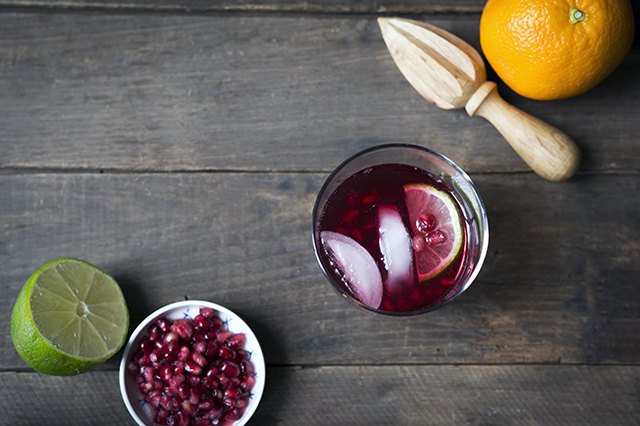
Note: This version is written as a zero-proof pomegranate “gin” and tonic using non-alcoholic gin alternative, pomegranate juice, citrus, herbs, and tonic water. It keeps the crisp, botanical flavor of a classic G&T without using alcohol.
Introduction: A Ruby-Red Twist on a Classic Favorite
A pomegranate gin and tonic cocktail sounds like something that should arrive in a crystal glass while dramatic jazz plays in the background. It is bright, tart, bubbly, slightly bitter, and refreshingly fancy without requiring a mixology degree or a drawer full of tiny bar tools. The good news? You can make a beautiful zero-proof version that feels just as grown-up, festive, and balanced as the classic.
This pomegranate gin and tonic mocktail combines unsweetened pomegranate juice, fresh lime, tonic water, and a non-alcoholic gin alternative. The result is crisp, botanical, lightly fruity, and wonderfully fizzy. It is the kind of drink that looks impressive at holiday parties, brunches, dinner nights, backyard gatherings, or any moment when plain soda feels like it came to the party wearing sweatpants.
The secret is balance. Pomegranate juice brings tart fruitiness and deep color. Tonic water adds sparkle and a pleasantly bitter edge. Lime sharpens the drink. A non-alcoholic gin alternative contributes herbal, citrusy, juniper-style notes. Add a rosemary sprig, lime wheel, or pomegranate arils, and suddenly your glass looks like it has its own publicist.
What Is a Pomegranate Gin and Tonic?
A traditional gin and tonic is a simple highball-style drink usually made with gin, tonic water, and a citrus garnish. A pomegranate version adds pomegranate juice or syrup for color, tartness, and a lightly sweet fruit flavor. In this zero-proof version, the alcohol is replaced with non-alcoholic gin alternative, which is designed to mimic botanical flavors such as juniper, citrus peel, herbs, spice, or floral notes.
The drink works because pomegranate and tonic water are natural flavor friends. Pomegranate has a bold sweet-tart personality, while tonic water has bubbles and bitterness. Together, they create a refreshing sip that is fruity but not childish, elegant but not fussy, and colorful enough to make even a Tuesday feel like it deserves a garnish.
Ingredients You’ll Need
Core Ingredients
- 2 ounces non-alcoholic gin alternative: Choose one with botanical, citrus, or juniper-style notes.
- 2 ounces unsweetened pomegranate juice: Use 100% juice for the best tart flavor and natural color.
- 1/2 ounce fresh lime juice: Fresh lime gives the drink brightness and keeps it from tasting flat.
- 4 to 5 ounces chilled tonic water: Classic tonic gives bitterness and bubbles; light tonic makes it less sweet.
- Ice: Large cubes are ideal because they melt more slowly.
- Garnish: Lime wheel, rosemary sprig, mint, orange twist, or pomegranate arils.
Optional Add-Ins
- Simple syrup: Add 1/4 ounce if you prefer a sweeter drink.
- Fresh rosemary: Adds a piney, aromatic note that pairs beautifully with pomegranate.
- Orange peel: Brings a warmer citrus aroma.
- Cucumber ribbon: Makes the drink taste cooler and spa-like.
- Mint leaves: Adds freshness and a garden-party personality.
How to Make a Pomegranate Gin and Tonic Mocktail
Step 1: Chill Your Glass
Start with a highball glass, Copa glass, or large stemmed glass. A chilled glass keeps the drink crisp and helps the bubbles stay lively. You can place the glass in the freezer for a few minutes or simply fill it with ice water while you prepare the ingredients.
Step 2: Add Ice
Fill the glass generously with ice. Do not be shy here. A glass with plenty of ice actually keeps the drink colder and slows dilution. One lonely cube floating around like it missed the meeting will melt quickly and water down your masterpiece.
Step 3: Pour the Non-Alcoholic Gin Alternative
Add 2 ounces of non-alcoholic gin alternative. This gives the drink its botanical backbone. Look for options with juniper-style flavor, citrus peel, coriander, cardamom, cucumber, herbs, or floral notes. The better the base, the more complex the finished drink will taste.
Step 4: Add Pomegranate Juice
Pour in 2 ounces of unsweetened pomegranate juice. This is where the drink gets its gorgeous ruby color and tart fruit flavor. Avoid overly sweet juice blends if you want a clean, elegant taste. Pure pomegranate juice gives the drink more depth and less candy-like sweetness.
Step 5: Add Fresh Lime Juice
Squeeze in 1/2 ounce of fresh lime juice. Bottled lime juice works in emergencies, but fresh lime is brighter, cleaner, and far less likely to taste like it has been sitting in a refrigerator thinking about its life choices.
Step 6: Top With Tonic Water
Slowly top the glass with chilled tonic water. Pour gently to protect the bubbles. The tonic should lift the pomegranate and botanical flavors instead of burying them. Start with 4 ounces, taste, and add more if you want a lighter, longer drink.
Step 7: Stir Gently
Use a bar spoon or regular spoon to stir once or twice. Do not overmix. You want the ingredients combined, not emotionally exhausted. Too much stirring knocks out carbonation and makes the drink feel dull.
Step 8: Garnish and Serve
Finish with a lime wheel, rosemary sprig, orange twist, or a spoonful of pomegranate arils. For a festive look, clap a rosemary sprig lightly between your hands before adding it to the glass. This releases its aroma and makes the drink smell bright, herbal, and slightly wintery.
The Best Tonic Water for This Drink
Tonic water matters more than many people think. Since this drink has only a few ingredients, each one needs to pull its weight. Classic tonic water gives the boldest bitterness and sweetness. Light tonic water reduces sugar and lets the pomegranate flavor shine. Elderflower tonic adds a floral note, while Mediterranean-style tonic can bring herbal and citrus flavors.
If your pomegranate juice is very tart, a slightly sweeter tonic can help balance the drink. If your juice is already sweet, use a dry or light tonic. The goal is a crisp, refreshing flavor where the bubbles, bitterness, fruit, and citrus all get a turn at the microphone.
Flavor Variations to Try
Rosemary Pomegranate Tonic
Add a rosemary sprig and a small splash of rosemary simple syrup. This version is perfect for fall and winter gatherings. It tastes festive, herbal, and polished without requiring you to wear velvet or own a fireplace.
Spiced Pomegranate Tonic
Add a tiny pinch of ground cinnamon or garnish with a cinnamon stick. Orange peel also works beautifully here. This version leans warm and holiday-friendly while still staying refreshing.
Cucumber Pomegranate Tonic
Add thin cucumber slices or a cucumber ribbon. The cucumber softens the tartness and creates a clean, cooling finish. This variation is excellent for spring and summer.
Mint Lime Pomegranate Tonic
Muddle a few mint leaves gently with lime juice before building the drink. Do not crush the mint aggressively, or it can taste grassy. A gentle press is enough to release the oils.
Orange Pomegranate Tonic
Replace part of the lime juice with fresh orange juice and garnish with an orange twist. This gives the drink a rounder, slightly sweeter citrus flavor.
Tips for Getting the Best Flavor
Use cold ingredients whenever possible. Warm tonic water loses its sparkle quickly and makes the drink taste flat. Keep the pomegranate juice, tonic water, and non-alcoholic gin alternative chilled before mixing.
Choose unsweetened pomegranate juice if you want a sophisticated flavor. Sweetened blends can work, but they may make the drink taste more like fruit punch than a botanical highball. If using a sweetened juice, skip the simple syrup.
Do not skip the citrus. Lime juice adds structure and keeps the drink lively. Without it, the pomegranate and tonic can taste slightly heavy or muted. Citrus is the friend who arrives with snacks and fixes the entire evening.
Serve the drink right after mixing. Tonic water is best when it is freshly poured and bubbly. If you are making drinks for a group, prepare the juice and citrus mixture ahead of time, but add tonic water only when serving.
How to Make a Pitcher for a Party
To make this drink for a group, combine the non-alcoholic gin alternative, pomegranate juice, and lime juice in a pitcher. Keep the mixture chilled until guests arrive. When ready to serve, pour the mixture into ice-filled glasses and top each glass with tonic water.
Pitcher Formula for 6 Servings
- 12 ounces non-alcoholic gin alternative
- 12 ounces unsweetened pomegranate juice
- 3 ounces fresh lime juice
- 24 to 30 ounces chilled tonic water
- Ice and garnishes
Do not add tonic water too early. It will lose carbonation in the pitcher, and nobody invited flat bubbles to the party. Keep tonic separate until serving for the freshest flavor and best texture.
Food Pairings
A pomegranate tonic mocktail pairs well with salty, creamy, herby, and citrusy foods. Try it with goat cheese crostini, hummus and pita, roasted nuts, grilled chicken skewers, shrimp tacos, citrus salad, or a cheese board with sharp cheddar and brie.
The tartness of pomegranate cuts through rich foods, while the tonic’s bitterness refreshes the palate. This makes the drink especially good with appetizers and small plates. It is also beautiful with Mediterranean-inspired dishes, roasted vegetables, herbed flatbreads, and fresh fruit desserts.
Common Mistakes to Avoid
Using Too Much Pomegranate Juice
Pomegranate juice is bold. Too much can overwhelm the botanical notes and turn the drink heavy. Start with equal parts non-alcoholic gin alternative and pomegranate juice, then adjust from there.
Choosing a Tonic That Is Too Sweet
Some tonic waters are sweeter than others. If your drink tastes syrupy, switch to light tonic, dry tonic, or add more lime juice for balance.
Skipping the Garnish
Garnish is not just decoration. Citrus peel, rosemary, mint, and pomegranate arils add aroma and make the drink feel complete. A good garnish is like punctuation for your glass.
Over-Stirring
Too much stirring removes bubbles. Stir gently and briefly after adding tonic water.
Experience Notes: What It’s Like to Make and Serve This Drink
The first thing you notice when making a pomegranate tonic mocktail is the color. It turns the glass a deep ruby red that instantly looks festive. Even before the garnish goes in, the drink has a polished, celebratory feel. Add a rosemary sprig or lime wheel, and it suddenly looks like something from a stylish restaurant menu where the chairs are uncomfortable but the lighting is perfect.
In real-life serving situations, this drink works best when built directly in the glass. That gives you more control over the bubbles and creates a prettier layered effect before stirring. The pomegranate juice sinks through the ice, the tonic fizzes upward, and the whole thing looks dramatic for about three seconds. That is plenty of time to impress someone standing nearby.
The flavor depends heavily on your tonic water. A classic tonic makes the drink bold and slightly bitter, which is great for people who like grown-up flavors. A light tonic makes it cleaner and less sweet. A floral tonic can turn the drink softer and more elegant. After testing different combinations, the most reliable version is unsweetened pomegranate juice, fresh lime, a crisp non-alcoholic gin alternative, and a chilled light tonic. It tastes refreshing without feeling sugary.
For gatherings, the biggest lesson is to prep the base ahead but never the bubbles. Mixing pomegranate juice, lime juice, and the botanical base in advance saves time. But tonic water should be added right before serving. Otherwise, the drink loses its sparkle and starts tasting like it has been waiting in line at the DMV.
Garnishes also change the experience more than expected. Rosemary makes the drink feel wintery and aromatic. Mint makes it fresher. Orange peel adds warmth. Pomegranate arils look beautiful but can be a little playful because they sink, float, and occasionally surprise people at the bottom of the glass. For the most elegant presentation, use both a citrus wheel and a small spoonful of arils.
This is also a great drink for guests who want something special without alcohol. Too many zero-proof drinks are either overly sweet or basically sparkling juice in disguise. This one has bitterness, acidity, aroma, and structure. It feels intentional. It belongs at a dinner table, a holiday party, or a weekend brunch where someone has made the brave decision to use cloth napkins.
The best part is how easy it is to adjust. Want it tarter? Add more lime. Want it softer? Add more tonic. Want it sweeter? Add a tiny splash of simple syrup. Want it more aromatic? Upgrade the garnish. Once you understand the basic formula, the drink becomes flexible, fast, and almost impossible to mess up.
Conclusion
A pomegranate gin and tonic-inspired mocktail is proof that a beautiful drink does not need to be complicated. With non-alcoholic gin alternative, pomegranate juice, fresh lime, tonic water, and a thoughtful garnish, you can build a sparkling ruby-red drink that tastes crisp, balanced, and special.
The key is using quality ingredients and keeping the flavors in harmony. Let pomegranate bring tart fruitiness, tonic water bring sparkle and bitterness, lime bring brightness, and botanical notes bring complexity. Serve it cold, garnish it well, and enjoy a drink that looks fancy but takes only minutes to make.











