
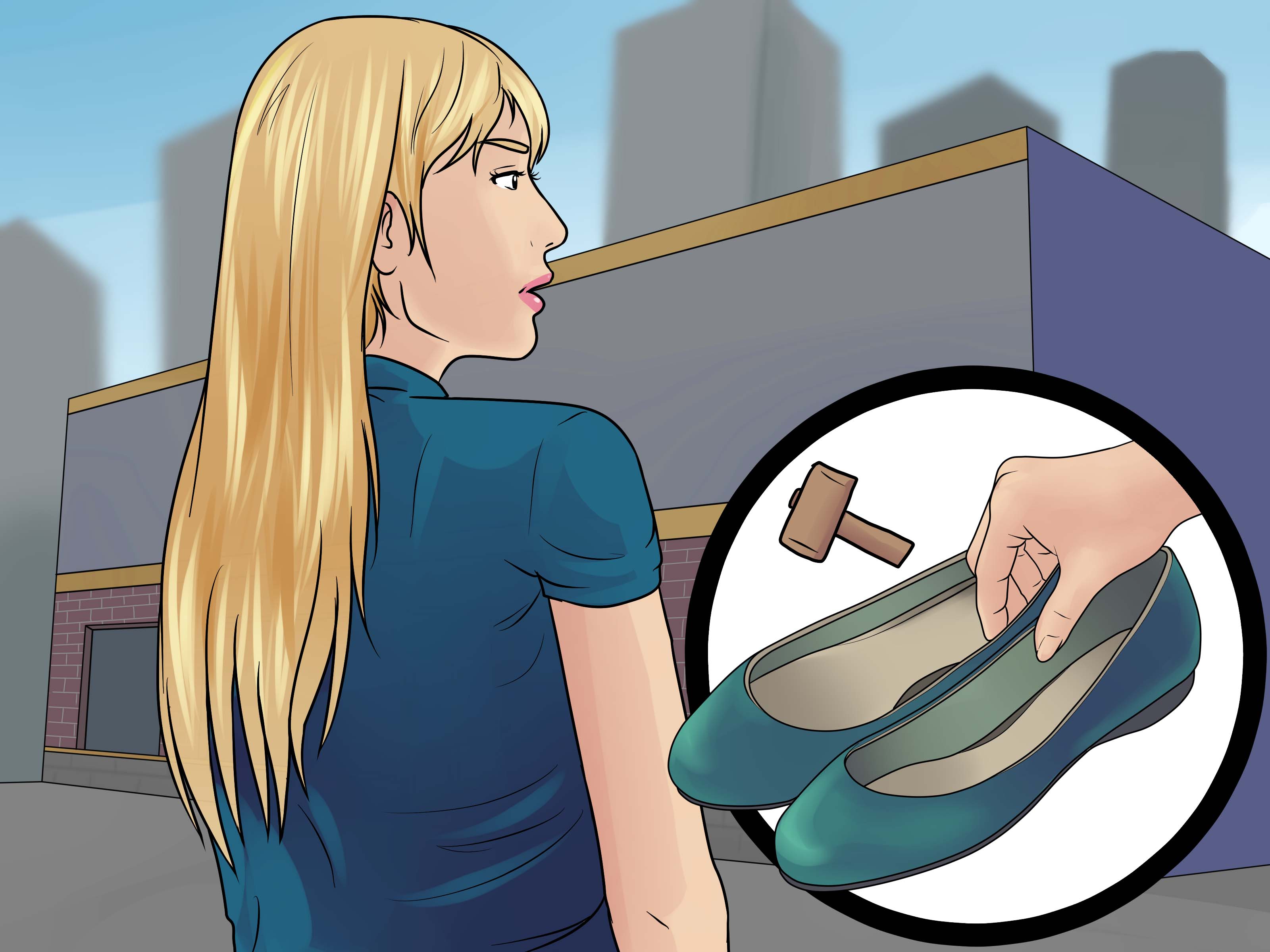
Ballet flats are supposed to be the easygoing friend in your shoe closet: cute, simple, lightweight, and ready to save you from the drama of heels. But when a new pair pinches your toes, rubs your heel, or squeezes the widest part of your foot like it has a personal grudge, those sweet little flats can turn into tiny foot traps.
The good news? You may be able to stretch tight ballet flats at homecarefully, gradually, and without turning your shoes into sad, wrinkled pancakes. The key word is slightly. Most shoe-stretching methods work best when your flats are just a bit snug, not when they are a full size too small. If your toes are curled, your heel is hanging off the back, or you feel numbness, the better solution is usually a different size or width. No shoe is cute enough to make your feet file a complaint.
Below are four practical ways to stretch ballet flats, plus safety tips, material-specific advice, and real-life experience notes to help you avoid common mistakes. Whether your flats are leather, suede, canvas, fabric, or synthetic, this guide will help you choose the safest method for a more comfortable fit.
Before You Stretch: Check the Fit and Material
Before grabbing a hair dryer or stuffing your shoes into the freezer, take a minute to inspect your ballet flats. Different materials react very differently to stretching. Leather and suede usually respond best because they are natural materials with some flexibility. Canvas and woven fabrics may loosen a little, especially with wear. Synthetic materials, faux leather, plastic-coated uppers, and patent finishes are often less cooperative. They may soften briefly, but they rarely stretch much and can crack, bubble, or warp if treated aggressively.
Also pay attention to where the flats feel tight. A snug toe box is different from a tight heel, a narrow vamp, or pressure across the ball of the foot. Ballet flats have less structure than boots or sneakers, so stretching them requires a gentle touch. You want to create comfort, not a new shoe shape that looks like it lost a fight with a rolling pin.
When stretching makes sense
Stretching ballet flats may help if the shoes feel slightly tight across the toes, rub at one small spot, feel stiff around the edges, or need a little breaking in. It is especially useful when one foot is slightly wider than the other or when the shoe fits well overall but pinches in one specific area.
When stretching is not enough
Do not rely on stretching if the flats are painfully small, your toes are bent, the shoe cuts into your skin, the sole is too short, or the material is rigid plastic or heavily coated patent leather. Tight shoes can contribute to blisters, corns, calluses, bunion irritation, ingrown toenails, and general foot pain. If your feet hurt every time you wear the shoes, stretching should not be the long-term plan. Your feet are not being dramatic; they are giving performance feedback.
1. Wear Thick Socks and Break Them In Gradually
The simplest way to stretch tight ballet flats is the thick-sock method. It is low-cost, low-risk, and ideal for flats that need only a small amount of extra room. This method works by using gentle pressure from your foot to encourage the upper material to relax and mold to your shape.
How to do it
Put on one thick pair of socks, or layer two thinner pairs if that is more comfortable. Slip into your ballet flats and walk around your home for 15 to 30 minutes. Focus on normal movement: walking, standing, gently flexing your toes, and bending your feet as you would during daily wear. If the shoes feel painfully tight, stop. The goal is mild pressure, not a medieval foot challenge.
Repeat this process for several days. Short sessions are better than one long, miserable session. Ballet flats often loosen gradually, especially if they are leather or fabric-lined. You can also wear the shoes while sitting at your desk, folding laundry, or doing light household tasks. Just avoid taking them on a full outdoor adventure before they are comfortable. The sidewalk is not the place to discover that your flats have chosen violence.
Best for
This method is best for leather ballet flats, soft suede flats, canvas flats, and fabric flats that are mildly snug. It is also a good first step before trying stronger methods because it helps you identify the exact pressure points.
What to avoid
Do not wear overly thick socks if they make your toes curl or cut off circulation. Do not force your feet into shoes that are too short. If your longest toe is pressed hard against the front of the shoe, stretching the upper may not solve the real problem: the sole length is wrong.
2. Use Gentle Heat With a Hair Dryer
Heat can help soften some shoe materials, especially leather, allowing them to stretch slightly while you wear them. The hair dryer method is popular because it is quick and easy, but it requires caution. Too much heat can dry out leather, damage glue, affect color, or warp delicate materials. Think warm breeze, not dragon breath.
How to do it safely
Start by putting on thick socks, then wear your ballet flats. Set a hair dryer to medium heat. Hold it several inches away from the shoe and move it constantly over the tight areas for about 20 to 30 seconds at a time. While the material is warm, flex your feet, wiggle your toes, and walk around until the shoes cool completely.
Repeat once or twice if needed, but do not overdo it. After using heat on leather flats, apply a small amount of leather conditioner if appropriate for the finish. This helps reduce dryness and keeps the material supple. For suede, avoid direct conditioning creams unless they are made specifically for suede, because regular leather products can stain or darken the surface.
Best for
The hair dryer method works best on genuine leather ballet flats that feel stiff or slightly narrow. It can also help soften some fabric-lined areas around the heel or vamp.
Use caution with these materials
Be careful with suede, patent leather, faux leather, embellished flats, glued-on bows, metallic finishes, and shoes with delicate decorations. Heat can loosen adhesives, dull finishes, or leave marks. If your flats have pearls, rhinestones, glitter, satin, or decorative trim, use another method. Sparkly shoes deserve comfort too, but not at the cost of becoming a craft project gone wrong.
3. Try a Shoe Stretcher and Stretching Spray
If your ballet flats pinch in a specific area, a shoe stretcher may be the most controlled option. Shoe stretchers are foot-shaped tools, usually made of wood or plastic, that gently expand inside the shoe. Many come with small plugs that can target pressure points such as bunions, corns, or tight spots near the toes.
For ballet flats, look for a stretcher designed for women’s flats or low-profile shoes. A bulky boot stretcher may not fit properly inside a shallow ballet flat. A two-way shoe stretcher can help widen the shoe and, in some cases, add a tiny bit of length. However, width stretching is usually more successful than length stretching because the outsole limits how much the shoe can expand from front to back.
How to use a shoe stretcher
First, identify the tight area by wearing the flats for a few minutes indoors. Then apply a shoe stretching spray if the material allows it. Many stretching sprays are designed for leather, suede, nubuck, canvas, or similar materials, but always test on a hidden area first. Insert the stretcher into the flat, turn the handle gradually until you feel resistance, and leave it in place for several hours or overnight. Remove the stretcher and try on the shoe. If it still feels tight, repeat the process slowly.
Patience matters here. Do not crank the stretcher aggressively. Ballet flats are often made with thin uppers and flexible soles, so too much force can distort the shoe, separate seams, or create bumps where you did not ask for bumps.
Best for
This method is excellent for leather ballet flats, suede flats, nubuck flats, and shoes that are tight across the ball of the foot. It is also useful when one shoe fits tighter than the other, which is very common because most people have slightly different foot sizes.
When to visit a cobbler
If your flats are expensive, delicate, designer, vintage, or made from suede or patent leather, consider taking them to a professional shoe repair shop. A cobbler can stretch tight spots more evenly and may have specialized tools for bunion areas, toe boxes, and heel counters. Professional stretching is especially helpful when you want precision and do not want your favorite shoes to become the main character in a regret story.
4. Use the Freezer MethodOnly for the Right Flats
The freezer method uses water expansion to stretch shoes. As water freezes, it expands, creating gentle pressure inside the shoe. This can work for some fabric or canvas ballet flats, but it is not the best choice for every material. Leather, suede, satin, and embellished flats can be damaged by moisture, cold, or leaks. So yes, the freezer method works in some cases, but it is also the method most likely to make you say, “Well, that was a learning experience.”
How to do it
Fill two strong zip-top plastic bags about one-third to one-half full with water. Seal them tightly and check for leaks. Place one bag inside each ballet flat, pushing it gently into the toe area or the tight zone. Put the shoes in another protective bag to keep them clean, then place them in the freezer overnight. Once frozen, let the shoes sit at room temperature for 15 to 20 minutes before removing the ice bags. Try on the flats after they return to normal temperature.
The trick is to use enough water to create pressure without overfilling the shoe. Too much water can overstretch the upper or stress the seams. If the bag leaks, moisture can stain or weaken materials. Double-bagging is a smart safety move.
Best for
The freezer method is best for canvas ballet flats, washable fabric flats, and some casual synthetic flats that are not delicate or expensive. It may help loosen the toe area slightly.
Avoid using it on
Skip this method for genuine leather, suede, nubuck, satin, velvet, patent leather, metallic finishes, and flats with glued decorations. Moisture and freezing temperatures can cause stains, texture changes, cracking, or adhesive problems. When in doubt, choose the thick-sock method or a shoe stretcher instead.
How Much Can Ballet Flats Really Stretch?
Most ballet flats can stretch only a small amount. A realistic goal is to relieve pressure, soften tight edges, or gain a little extra width. Expecting a full size increase is usually unrealistic. Natural leather may stretch more than synthetic materials, but even leather has limits. The sole, stitching, lining, and shape of the shoe all restrict how far the upper can move.
If the flats are tight because of width, stretching may help. If they are tight because of length, the results are more limited. The outsole will not magically grow, no matter how politely you ask. If your toes hit the front of the shoe while standing, stretching may not make them comfortable enough for regular wear.
Extra Tips for Making Tight Ballet Flats More Comfortable
Use blister protection early
Do not wait until your heel has been sanded by your shoe like a piece of furniture. Apply moleskin, heel pads, gel cushions, or blister-prevention balm to high-friction areas before wearing new flats outside. Prevention is much easier than hobbling home with a bandage situation.
Try them on later in the day
Feet often swell slightly during the day. Trying on ballet flats in the afternoon or evening can give you a more realistic fit. A pair that feels perfect at 8 a.m. may feel like a tiny courtroom by 6 p.m.
Choose the right toe shape
Round-toe ballet flats usually offer more toe room than sharply pointed flats. Almond-toe styles can be flattering, but they may squeeze wider feet. If you frequently need to stretch flats, consider buying wide-width options or styles with softer uppers.
Rotate your shoes
Wearing the same pair of flats every day can increase friction and moisture buildup. Give shoes time to air out between wears. Your feet will appreciate it, and your shoes will smell less like a locker room trying to be subtle.
Common Mistakes to Avoid When Stretching Ballet Flats
The biggest mistake is forcing the process. Stretching should be gradual. If you use too much heat, too much water, or too much pressure from a stretcher, you can damage the shoe permanently. Another mistake is ignoring pain. Mild pressure is normal during break-in; sharp pain, numbness, burning, or skin damage is not.
Another common error is using the same method for every material. Leather and canvas are not twins. Suede and patent leather do not want the same treatment. Satin flats, especially dressy ones, are delicate and should usually be stretched professionally or not at all. When shoes are expensive or sentimental, do not experiment like a mad scientist in socks.
Experience Notes: What Actually Helps When Stretching Tight Ballet Flats
After dealing with tight ballet flats in real-life situationsnew shoes before work, wedding guest flats that looked innocent but had villain energy, and bargain pairs that were apparently designed for decorative feetthe most useful lesson is this: stretching works best when you start early and stay realistic. If the flats feel slightly snug in the store, they may become comfortable with a careful break-in. If they hurt within 30 seconds, they are probably not “just needing time.” They are sending a message, and the message is not subtle.
The thick-sock method is often the safest first move. It is not glamorous, but it is practical. Wearing ballet flats around the house for short sessions gives the material a chance to relax while also showing you where the real problem is. Sometimes the issue is not the whole shoe; it is one seam, one stiff edge, or one spot near the big toe. Once you know that, you can target the area instead of trying to stretch the entire flat.
Heat can be helpful, but it should be treated like seasoning in soup: a little improves things, too much ruins dinner. On soft leather flats, a few short bursts from a hair dryer while wearing thick socks can make the shoe feel more forgiving. But direct heat on faux leather or patent finishes can go badly fast. If the shoe has a shiny coating, glued trim, or a delicate lining, skip the heat. There is no victory in stretching a flat if the bow falls off like it has resigned.
A shoe stretcher is worth owning if you often buy flats, loafers, or dress shoes. It gives a more even stretch than stuffing random objects into the toe box. For best results, use it gradually. One overnight session may help, but two or three lighter sessions are safer than one aggressive stretch. If you have a bunion or a specific pressure point, stretcher plugs can be surprisingly useful because they create space exactly where your foot needs it.
The freezer method is the one I would reserve for casual shoes only. It can help canvas flats, but it always carries some risk. Water has a sneaky personality, and even a “sealed” bag can leak if it is pinched inside a shoe. For leather, suede, satin, or nicer flats, the freezer is better used for ice cream and emotional support, not footwear experiments.
Another useful experience-based tip is to test flats on clean carpet before committing to outdoor wear. Walk, stand, turn, and flex your feet. If the shoes rub indoors, they will rub more outside. Add heel grips, toe cushions, or blister pads before the first full wear. Ballet flats are minimal shoes, so small comfort accessories can make a big difference.
Finally, remember that stretching cannot fix every fit issue. If the toe box is too shallow, the sole is too short, or the shoe has stiff seams in the wrong places, no home trick will transform it into a dream flat. A better-fitting pair will always beat a painful pair with a complicated rescue plan. Your feet carry you everywhere; they deserve shoes that do not require negotiations.
Conclusion
Stretching tight ballet flats is possible when the shoes are only mildly snug and made from a material that can relax. Start with the gentlest option: thick socks and short indoor wear. If the flats are leather, careful heat may help soften tight areas. For more controlled stretching, use a shoe stretcher and a suitable stretching spray. For casual canvas flats, the freezer method may offer a small amount of extra room, but it should be used carefully and avoided on delicate materials.
The most important rule is simple: do not force your feet to suffer for style. Ballet flats should feel charming, not punishing. If stretching does not solve the problem, consider a wider size, a softer material, a rounder toe shape, or help from a professional cobbler. Comfortable shoes are not a luxury; they are a tiny daily kindness to the two hardworking heroes at the end of your legs.
Note: This article is for general shoe-care and comfort guidance. If tight shoes cause ongoing pain, numbness, wounds, swelling, or recurring foot problems, consult a podiatrist or qualified foot-care professional.













