
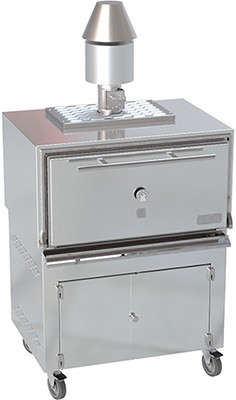
Note: Product lines, model availability, installation requirements, and local code rules can change. Before buying or installing a Josper by Wood Stone Charcoal Broiler Oven, confirm current specifications with the manufacturer, dealer, ventilation contractor, and local authority having jurisdiction.
What Is the Josper by Wood Stone Charcoal Broiler Oven?
The Josper by Wood Stone Charcoal Broiler Oven is the kind of commercial kitchen equipment that makes chefs pause mid-sentence and say, “Wait, you cook with that?” It is not a simple grill, not a standard oven, and definitely not a shy countertop appliance hiding next to the toaster. It is a charcoal-only, enclosed broiler oven designed for serious restaurants that want high-heat grilling, wood-fired character, and controlled live-fire cooking in one heavy-duty machine.
At its core, the Josper by Wood Stone combines the smoky personality of an open charbroiler with the heat retention of an enclosed oven. That means chefs can sear steaks, roast vegetables, cook seafood, finish chops, and add real charcoal aroma without relying on gas flames or artificial smoke flavor. The result is food with a deep, savory crust and a clean ember-roasted finishthe kind of flavor guests remember long after they forget where they parked.
This oven is especially popular in steakhouses, brasseries, tapas bars, upscale bistros, hotel kitchens, and chef-driven restaurants where flavor is the main event. It is also useful for operators who want the drama and taste of live-fire cooking but need a more controlled format than a wide-open grill.
Why Chefs Care About Charcoal Broiler Ovens
Charcoal cooking is old-school in the best possible way. It gives food a roasted aroma, a dry intense heat, and the kind of caramelized exterior that makes a ribeye look like it just returned from a luxury spa for beef. But traditional open charcoal grilling can be demanding. Heat shifts quickly. Flare-ups happen. Smoke capture can become a design challenge. Fuel use can be inefficient if the grill is not carefully managed.
The Josper by Wood Stone Charcoal Broiler Oven addresses those issues by enclosing the cooking chamber and using dampers to control airflow. Instead of letting heat escape freely, the oven holds and directs it. That enclosed design helps stabilize temperature, reduce unnecessary charcoal consumption, and cook at high intensity for extended service periods.
For chefs, the appeal is simple: better control, faster cooking, strong grill marks, and a more consistent charcoal flavor. For restaurant owners, the appeal is also practical: the unit can support high production while turning premium proteins and vegetables into menu items with higher perceived value.
Key Features of the Josper by Wood Stone
1. Enclosed Charcoal Cooking Chamber
The enclosed chamber is the star of the show. It traps heat around the food, allowing the oven to work like a hybrid grill and roasting oven. This makes it possible to cook thick steaks, whole fish, lamb chops, chicken, eggplant, peppers, mushrooms, and other ingredients with both direct heat and surrounding radiant heat.
Unlike a standard open grill, the enclosed format helps food cook faster and more evenly. It also creates a controlled environment where charcoal flavor can build without overwhelming the dish. The goal is not to make everything taste like a campfire. The goal is to give food that polished, restaurant-grade ember flavor.
2. Charcoal-Only Fuel
This is not a gas broiler pretending to be rustic. The Josper by Wood Stone is designed for charcoal. That matters because charcoal produces intense dry heat and a distinctive flavor profile that cannot be fully copied by gas or electric equipment. The fuel becomes part of the culinary identity of the restaurant.
Menus built around this oven often highlight “charcoal-grilled,” “ember-roasted,” or “Josper-fired” dishes. Those words are not just decoration. They tell guests that the kitchen is using a more hands-on method of cookingone that requires skill, timing, and a little respect for fire.
3. Dual Broiler Grates
The Wood Stone specifications describe two adjustable broiler grates. This matters more than it sounds. Two cooking levels let chefs manage heat zones inside the chamber. The lower grate can be used for intense searing, while the upper grate is better for gentler roasting, finishing, or cooking delicate items.
For example, a chef might sear a New York strip on the lower level while roasting asparagus, carrots, or branzino on the upper level. That flexibility helps the oven function as more than a steak machine. It becomes a production tool for multiple menu categories.
4. High Production Capacity
The Josper by Wood Stone was offered in several sizes, including 27-inch by 28-inch, 37-inch by 28-inch, and 37-inch by 38-inch model formats. The available cooking area across the two grates was listed at approximately 4.8 square feet, 7.4 square feet, and 11.3 square feet, depending on the model.
That range allows restaurants to match the oven to their volume. A smaller bistro may not need the same surface area as a steakhouse doing Saturday-night battle with 200 hungry guests. The right model depends on seat count, menu mix, service speed, and how many dishes are built around charcoal cooking.
5. Tray Support and Service Convenience
Some configurations include a tray support and perforated tray. In a busy kitchen, that small feature can feel like a gift from the restaurant gods. It gives cooks a place to rest, hold, or plate items close to the heat source. When service is moving fast, saving three steps matters. Saving three steps 200 times in one night matters even more.
How the Josper by Wood Stone Cooks Food
The cooking style is all about speed, heat, and restraint. Charcoal creates intense energy. The enclosed chamber surrounds the food with heat. The grates put food close enough to the coals to develop a serious crust. Dampers help manage airflow and temperature.
Take a thick ribeye as an example. On a normal grill, the chef may fight flare-ups while trying to build color without overcooking the center. In a Josper-style charcoal broiler oven, the steak can be exposed to aggressive heat quickly, developing a charred exterior while the interior remains juicy. The door helps contain heat, and the cook can adjust positioning based on thickness and desired doneness.
Seafood also benefits from the high-heat environment. Octopus can become smoky and tender with crisp edges. Shrimp can pick up charcoal aroma in minutes. Whole fish can roast beautifully when placed higher in the chamber, where the heat is still powerful but less direct.
Vegetables might be the secret winners. Cauliflower, leeks, onions, eggplant, mushrooms, and peppers all become sweeter and more complex over charcoal. A simple wedge of cabbage can become a show-off dish when it meets embers, olive oil, salt, and a confident cook.
Best Menu Applications
Steaks and Chops
This oven is a natural fit for beef. Ribeye, filet mignon, porterhouse, skirt steak, hanger steak, and strip loin all respond well to intense charcoal heat. Lamb chops and pork chops also work beautifully because they benefit from fast searing and smoky fat rendering.
Seafood
Restaurants can use the Josper by Wood Stone for lobster tails, shrimp skewers, scallops, octopus, salmon, swordfish, and whole branzino. The key is timing. Seafood cooks quickly, so the chef needs discipline. This is not the appliance for wandering away to check your phone.
Vegetables
Charcoal-roasted vegetables can make a menu feel more premium without relying only on expensive proteins. Examples include ember-roasted carrots with yogurt, charred broccolini with lemon, smoky mushrooms with garlic butter, or blistered peppers with sea salt.
Small Plates and Bar Menus
Tapas-style restaurants can use the oven for grilled prawns, chorizo, skewers, flatbreads, eggplant, halloumi, wings, and shareable meats. The smoky profile pairs well with cocktails, wine, beer, and the ancient human habit of ordering “just one more plate.”
Installation and Ventilation Considerations
A charcoal broiler oven is serious equipment, and serious equipment needs serious planning. Because the Josper by Wood Stone burns solid fuel, it must be treated differently from standard gas or electric appliances. Ventilation, fire suppression, clearances, ductwork, makeup air, and cleaning schedules all need to be reviewed before installation.
The Wood Stone specification notes that the unit must be vented under a listed Type 1 exhaust hood or a hood built according to NFPA 96 and all applicable codes. It must also be vented as a solid fuel appliance. Translation: do not buy the oven first and ask the building inspector for forgiveness later. That is how budgets go to cry in the walk-in cooler.
Operators should work with a commercial kitchen designer, hood manufacturer, fire suppression specialist, and local authority having jurisdiction. Solid fuel cooking can produce grease-laden vapors, smoke, sparks, ash, and carbon monoxide risk. The system should be designed to capture and exhaust cooking byproducts safely while protecting staff and guests.
Cleaning and Daily Operation
Like all live-fire equipment, the Josper by Wood Stone rewards routine. The Josper operating guidance emphasizes proper charcoal loading, damper positioning, stabilization time, and cleaning. In general, charcoal is loaded before service, vents are opened during fire-up, and the oven is allowed to stabilize before cooking begins.
Once the charcoal is established, cooks spread the coals and use the damper system to manage heat and smoke. During service, grill racks should be brushed regularly. After service, the oven should be shut down according to the manufacturer’s instructions. Ash removal, grease tray cleaning, hood maintenance, and firebreak care are all part of responsible operation.
One important point: water is not a universal cleaning solution for every part of this equipment. Manufacturer instructions should be followed closely, especially around firebreaks, dampers, and components exposed to soot and extreme heat.
Advantages for Restaurants
Flavor That Guests Notice
The biggest advantage is flavor. Charcoal cooking gives food a signature aroma and visual appeal. A steak from a hot charcoal broiler oven arrives with a crust that looks expensive before anyone even tastes it.
Speed During Service
High heat can reduce cooking times, especially for steaks, seafood, and vegetables. That helps kitchens move plates faster during peak service. Faster cooking does not mean careless cooking, though. The oven is powerful, and cooks need training to avoid turning beautiful ingredients into premium-priced charcoal souvenirs.
Menu Differentiation
“Grilled” is good. “Charcoal-grilled” is better. “Cooked in a Josper-style charcoal broiler oven” sounds like the dish has a passport and a reservation list. The equipment gives restaurants a story to tell and a flavor profile that can separate them from competitors.
Versatility
The oven can support proteins, seafood, vegetables, and small plates. That versatility helps justify the investment. A restaurant that uses the oven only for one steak special is leaving value on the table. A smarter approach is to design multiple menu items around the same live-fire platform.
Potential Drawbacks to Consider
The Josper by Wood Stone Charcoal Broiler Oven is impressive, but it is not for every kitchen. The first challenge is installation. Solid fuel appliances can require more planning than conventional equipment. Hood capacity, duct separation, clearance, fire suppression, and local code approval can influence the total project cost.
The second challenge is training. Charcoal cooking is not “set it and forget it.” Staff must understand airflow, grate levels, coal management, hot zones, resting time, and cleaning. A poorly trained cook can turn a beautiful oven into an expensive smoke generator with wheels.
The third challenge is consistency. Gas equipment is predictable. Charcoal has personality. That personality is wonderful when managed well and annoying when ignored. Restaurants should create standard procedures for lighting, preheating, cooking temperatures, station setup, and shutdown.
Who Should Buy a Josper by Wood Stone Charcoal Broiler Oven?
This oven makes the most sense for restaurants that want live-fire flavor as a core part of the menu. Steakhouses, seafood restaurants, Spanish-inspired restaurants, hotel dining rooms, chef-driven bistros, premium burger concepts, and upscale casual restaurants can all benefit.
It may not be the best choice for a small kitchen with limited ventilation capacity, a menu that rarely uses grilled items, or an operation without staff willing to learn solid fuel cooking. The oven is a culinary tool, not a magic box. It rewards skill, planning, and respect for heat.
Buying Checklist
- Confirm current model availability and specifications with the manufacturer or authorized dealer.
- Match oven size to expected covers, menu volume, and peak service demand.
- Review hood, duct, fire suppression, and makeup air requirements before purchase.
- Ask about clearances, shipping weight, access path, and floor support.
- Plan staff training for fire-up, cooking, cleaning, and shutdown.
- Estimate charcoal consumption and storage needs.
- Create menu items that use the oven across multiple categories.
Experience Notes: What It Feels Like to Work With a Josper-Style Charcoal Broiler Oven
Working with a Josper by Wood Stone Charcoal Broiler Oven is not like turning on a convection oven and waiting for a polite beep. It feels closer to managing a small, well-behaved dragon. The oven has power, attitude, and rhythm. Once the charcoal is lit and the chamber is hot, the kitchen changes. The smell of hardwood charcoal moves through the line, the station gets warmer, and everyone suddenly becomes very interested in what is coming out of that door.
The first thing cooks notice is the speed. A steak that might take several careful turns on a standard grill can develop color quickly in the enclosed chamber. That speed is exciting, but it also punishes hesitation. A cook needs tongs ready, plates nearby, resting trays organized, and a clear idea of what is going where. The oven is not forgiving to people who open the door, stare thoughtfully, and begin a personal journey of discovery.
The second experience is the importance of levels. The lower grate feels like the action zone. It is where steaks, chops, prawns, and other fast-sear items get their dramatic crust. The upper grate is calmer but still powerful. It is useful for vegetables, fish, thicker proteins, and items that need heat without direct aggression. Once a cook understands those zones, the oven becomes far more flexible.
Another lesson is that resting matters. Food coming out of a charcoal broiler oven carries a lot of heat. A ribeye may look ready to slice, but giving it time to rest helps juices settle and improves texture. The same goes for lamb chops, pork, and larger seafood portions. The tray support, when included, becomes more than a convenience. It becomes part of the workflow.
Vegetables can surprise the whole team. Charred carrots, smoky onions, roasted mushrooms, and blistered peppers often come out tasting more complex than expected. In many kitchens, the oven starts as “the steak machine” and slowly becomes the secret weapon for side dishes, appetizers, and specials.
Cleaning is where romance meets reality. Charcoal creates ash. Grease creates residue. Racks need brushing. The ash system needs attention. The hood and ventilation system must be maintained. The best kitchens treat cleaning as part of the cooking process, not as punishment handed to the last person standing.
The biggest operational lesson is respect. Respect the heat, respect the airflow, respect the shutdown procedure, and respect the fact that solid fuel cooking has safety responsibilities. When the team is trained, the Josper by Wood Stone Charcoal Broiler Oven can become the heart of a restaurant’s flavor identity. When the team is careless, it becomes a very expensive reminder that fire was invented before insurance paperwork.
For restaurants that embrace it, the experience is rewarding. The oven brings theater, aroma, speed, and flavor to the kitchen. It gives chefs a tool that feels traditional and modern at the same time. Most importantly, it gives guests food that tastes cooked by intention, not just equipment.
Conclusion
The Josper by Wood Stone Charcoal Broiler Oven is a powerful commercial cooking solution for restaurants that want real charcoal flavor, high-heat performance, and controlled live-fire versatility. Its enclosed chamber, adjustable grates, charcoal-only design, and production capacity make it especially valuable for steakhouses, bistros, seafood restaurants, tapas bars, and chef-led concepts.
However, this oven is not a casual purchase. It requires proper ventilation, code review, staff training, cleaning discipline, and thoughtful menu planning. For the right operation, it can become a signature piece of equipmentone that turns steaks, vegetables, seafood, and small plates into memorable, flame-kissed dishes. In other words, it is not just an oven. It is a flavor strategy with wheels.













