
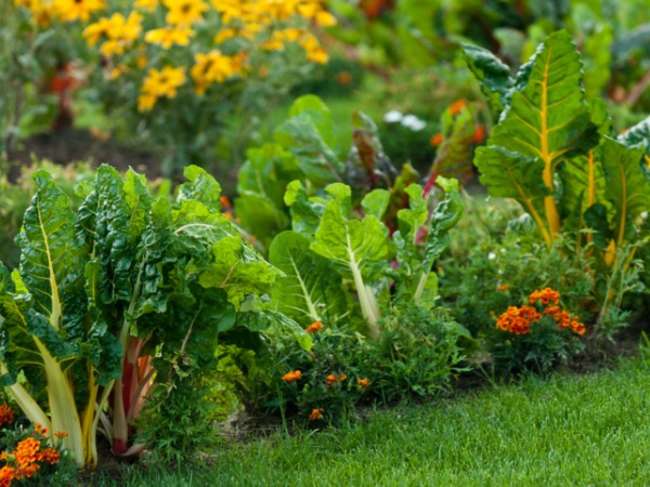
There are yards that whisper, “Welcome home,” and then there are yards that mutter, “I gave up in 2017.” If your outdoor space is mostly patchy grass, random shrubs, and a lonely plastic chair that has seen things, it may be time for a tastier upgrade. An edible landscape turns ordinary lawns and flower beds into a beautiful, useful, snack-producing outdoor space. Think tomatoes mingling with marigolds, blueberries acting like handsome shrubs, herbs lining a walkway, and fruit trees earning their keep like the overachievers they are.
The best part? Edible landscaping does not mean your yard has to look like a farm accidentally parked in front of your house. With good design, the right plants, and a little planning, you can create a garden that looks polished while producing vegetables, fruits, herbs, edible flowers, and plenty of bragging rights. Below are 10 practical tips for turning a yawn of a yard into an incredible edible landscape that is productive, attractive, and much more fun than mowing the same square of grass forever.
What Is an Edible Landscape?
An edible landscape, sometimes called foodscaping, blends food-producing plants with ornamental design. Instead of hiding vegetables in a separate backyard plot, you use edible plants as part of the overall landscape. Fruit trees become focal points. Berry bushes become hedges. Herbs become borders. Colorful vegetables become texture, contrast, and conversation starters.
The goal is not to cram every square foot with kale until the yard looks like a salad bar having a nervous breakdown. The goal is balance: beauty, harvest, accessibility, healthy soil, pollinator support, and plants that actually fit your climate and lifestyle.
10 Tips for Creating an Incredible Edible Landscape
1. Start Small So You Do Not Accidentally Adopt a Farm
The fastest way to dislike gardening is to begin with a heroic plan that requires a spreadsheet, a wheelbarrow, and emotional support. Start with one bed, one sunny border, a few containers, or a small herb garden near the kitchen. A compact, well-maintained edible corner looks better than an ambitious jungle of regret.
Try replacing one ornamental shrub with a blueberry bush, adding a raised bed along a patio, or planting herbs along a walkway. Once you learn what grows well in your yard, expand gradually. Edible landscaping is like cooking: begin with one good recipe before attempting Thanksgiving dinner for 24 people and a judgmental aunt.
2. Study Sunlight Before You Buy Plants
Most fruiting vegetables and many herbs need at least six hours of direct sun daily. Tomatoes, peppers, cucumbers, squash, basil, rosemary, and strawberries are not interested in your shady optimism. They want sun, and they want plenty of it.
Before planting, watch your yard for a full day. Notice which areas get morning sun, afternoon sun, dappled light, or deep shade. Put high-demand crops in the brightest spots. Save partial shade areas for leafy greens, parsley, chervil, currants, alpine strawberries, or other plants that can tolerate less light. Matching plants to light conditions prevents weak growth, poor harvests, and the classic gardener’s complaint: “Why does my tomato plant look like a wet shoelace?”
3. Design with Beauty First, Harvest Second
A productive edible landscape should still look intentional. Use the same design principles you would use for ornamental landscaping: repetition, layers, texture, contrast, focal points, and clear edges. Repeat plants in groups instead of scattering one basil plant here and one pepper plant there like confetti after a garden party.
Use tall plants in the back, medium plants in the middle, and low-growing herbs or flowers at the front. Pair feathery fennel with broad kale leaves. Contrast purple basil with golden oregano. Use rainbow chard for colorful stems, nasturtiums for cheerful edible flowers, and compact peppers for shiny fruit. Your yard should say, “This was designed,” not “A seed catalog exploded.”
4. Mix Perennials, Annuals, and Evergreens
Many edible crops are annuals, meaning they grow, produce, and disappear in one season. That can leave awkward empty spaces unless you plan for structure. Mix short-season vegetables with perennial herbs, berry shrubs, fruiting trees, and evergreen ornamentals. This keeps the garden attractive even after lettuce bolts or tomatoes finish their summer performance.
Good edible perennials include asparagus, rhubarb, sorrel, chives, rosemary in warm climates, thyme, sage, blueberries, serviceberries, figs, elderberries, and dwarf fruit trees. Add evergreen plants or structural shrubs where winters are bare. The result is a landscape that looks alive year-round, instead of one that goes from “lush paradise” to “crime scene with mulch” in November.
5. Use Raised Beds and Containers for Instant Order
Raised beds are the garden equivalent of putting your groceries in matching bins. Suddenly everything looks organized. Raised beds create clean lines, improve access, warm earlier in spring, and can help with drainage in difficult soils. They are especially useful for front-yard edible landscapes because they look intentional and tidy.
Containers are equally useful. Use large pots for herbs, dwarf citrus, patio tomatoes, peppers, strawberries, or edible flowers. Containers can brighten patios, balconies, steps, and small yards. They also help control vigorous plants like mint, which otherwise behaves less like an herb and more like a tiny green empire.
6. Group Plants by Water and Soil Needs
A beautiful edible landscape becomes much easier to maintain when plants with similar needs live together. Blueberries prefer acidic soil, so they should not be casually dropped into a bed with plants that prefer neutral conditions. Mediterranean herbs such as rosemary, thyme, oregano, and lavender prefer leaner, well-drained soil and do not want to sit next to thirsty cucumbers demanding constant hydration like drama queens with roots.
Create zones. Put water-loving vegetables closer to irrigation. Place drought-tolerant herbs in sunnier, drier borders. Use compost to improve soil structure, but remember that not every plant wants rich soil. A little planning saves water, reduces stress, and prevents the garden from becoming a botanical roommate dispute.
7. Add Vertical Elements for Drama and Space Saving
Trellises, arbors, cages, obelisks, and fences bring height to an edible landscape. They make small spaces more productive and add architectural interest. Peas, pole beans, cucumbers, small melons, grapes, passionflower, and some squash can climb when properly supported.
Vertical gardening also keeps fruit cleaner, improves airflow, and makes harvesting easier. A cucumber growing up a trellis is elegant. A cucumber hiding under leaves until it becomes the size of a canoe is less elegant. Add a trellis near a seating area, train vines along a fence, or use an arbor to create a shady garden entrance that says, “Yes, I grow snacks and I have taste.”
8. Invite Pollinators with Flowers and Native Plants
Pollinators are the unpaid interns of the edible landscape, except they are actually useful. Bees, butterflies, hoverflies, and other beneficial insects help many fruiting plants produce better harvests. Add flowers that bloom at different times of year so pollinators always have something to visit.
Consider calendula, nasturtium, sunflowers, coneflower, bee balm, yarrow, milkweed where appropriate, herbs allowed to flower, and native plants suited to your region. Native plants often require less maintenance once established and support local wildlife. A diverse landscape can also encourage beneficial insects that help reduce pest pressure naturally. In other words, flowers are not just pretty; they are garden staff.
9. Choose Edibles That Look Good Even Before Dinner
Some edible plants are naturally gorgeous. Use them. Rainbow chard has bright stems. Purple kale adds deep color. Artichokes bring bold, sculptural leaves. Lettuce can create soft, ruffled borders. Blueberries offer spring flowers, summer fruit, and fall color. Pomegranates, figs, serviceberries, and dwarf apples can be both ornamental and delicious.
Herbs are especially valuable in edible landscaping. Rosemary can act like a small shrub. Thyme can soften edges. Chives send up purple flowers. Sage has handsome foliage. Basil adds fragrance and color. Plant what you actually eat, but give extra points to crops that look good while waiting for the kitchen.
10. Keep Paths, Edges, and Harvest Access Clear
A garden that cannot be accessed is not a garden; it is a leafy obstacle course. Plan paths wide enough for walking, kneeling, carrying tools, and harvesting without stepping on plants. Use mulch, gravel, stepping stones, brick, or mowed grass paths to create structure.
Clean edges make edible landscapes look deliberate, especially in front yards or areas visible from the street. Edge beds with stone, metal, brick, low herbs, or tidy groundcovers. Place frequently harvested plants near doors, patios, or walkways. You are more likely to use basil, parsley, mint, lettuce, and cherry tomatoes when they are close enough to grab while dinner is already threatening to burn.
Best Edible Plants for a Beautiful Yard
Fruit Trees and Shrubs
Dwarf apple, peach, citrus, fig, persimmon, pawpaw, serviceberry, blueberry, elderberry, currant, raspberry, blackberry, pomegranate, and aronia can all play landscape roles. Use fruit trees as focal points, shrubs as hedges, and berries along fences or borders. Always choose varieties suited to your hardiness zone, chill hours, disease pressure, and available space.
Vegetables with Ornamental Value
Try rainbow chard, lacinato kale, purple cabbage, red lettuce, artichoke, okra, eggplant, peppers, trellised beans, cherry tomatoes, and compact squash. These plants bring color, texture, flowers, or fruit that can stand proudly in a mixed border.
Herbs and Edible Flowers
Herbs are the easiest entry point for many beginners. Basil, thyme, oregano, sage, parsley, cilantro, rosemary, chives, mint, lemon balm, and dill all offer fragrance and flavor. Keep spreading herbs in containers if needed. Add edible flowers such as nasturtium, calendula, pansies, borage, and chive blossoms for color and culinary flair.
Common Mistakes to Avoid
Do not plant first and think later. Before digging, understand your soil, sunlight, drainage, water access, and local rules. Some homeowners associations or municipal codes may have opinions about front-yard food gardens, because apparently lettuce can be controversial. Keep designs neat, use defined beds, and choose attractive plants if your edible landscape is visible to neighbors.
Avoid planting aggressive spreaders directly in beds unless you want them everywhere. Mint and lemon balm are delightful until they stage a takeover. Do not forget food safety either. Use clean water, wash produce, avoid pesticide misuse, and keep edible parts away from questionable water sources such as untreated rain barrel water splashing directly onto greens.
Seasonal Care for an Edible Landscape
In spring, refresh mulch, add compost where appropriate, plant cool-season crops, and prune fruiting shrubs as needed. In summer, water deeply, harvest often, train vines, and watch for pests. In fall, plant cool-season greens, divide herbs, add bulbs or perennials, and clean up diseased plant material. In winter, plan next year’s layout, sharpen tools, and stare dramatically out the window at seed catalogs.
The most successful edible landscapes evolve. You will learn where the basil thrives, where lettuce sulks, where rabbits hold meetings, and which tomato variety makes you feel like a genius. Keep notes. Adjust. Replace underperformers with plants better suited to your site.
Experience-Based Notes: What Turning a Plain Yard into an Edible Landscape Really Feels Like
The first surprise when transforming a dull yard into an edible landscape is how quickly your relationship with the space changes. A lawn is something you maintain. An edible landscape is something you visit. You step outside to check whether the strawberries are ripening, whether the basil needs pinching, whether the beans have climbed another six inches, and whether the neighborhood squirrel has developed suspiciously good timing.
One of the most practical lessons is to plant useful things close to where you use them. Herbs near the kitchen door get harvested. Herbs in the far back corner become “theoretical herbs,” which is just a fancy way of saying you will forget them until they flower and look offended. A small container of basil, parsley, thyme, and chives near the back door can change weeknight cooking more than a huge vegetable bed hidden behind the garage.
Another real-world lesson is that neat borders matter. Even a wildly productive edible bed can look messy if it has no edge, no path, and no visual rhythm. A simple border of bricks, stones, low thyme, or metal edging instantly makes vegetables look like design choices instead of escaped groceries. Repeating a few plants also calms the scene. Three rosemary plants along a path look intentional. One rosemary, one tomato cage, one mystery squash, and one upside-down bucket look like the yard is keeping secrets.
Expect some failure, and do not take it personally. Every edible landscape has a few dramatic characters. Lettuce bolts. Tomatoes crack. Zucchini produces nothing for weeks and then suddenly tries to feed the county. Mint ignores boundaries. Birds discover blueberries five minutes before you do. These moments are not proof that the garden failed; they are part of learning the site. A good edible landscape gets better because the gardener gets smarter.
The most rewarding experience is seeing beauty and usefulness overlap. A blueberry shrub is no longer just a plant; it is spring flowers, summer snacks, fall color, and a reason to walk outside with a bowl. Chive blossoms are not just purple pompoms; they are pollinator magnets and salad confetti. A trellised cucumber is not just dinner; it is shade, structure, and a small daily treasure hunt.
Edible landscaping also changes how people interact with your yard. Visitors notice. Children ask what things are. Neighbors become suddenly interested in “checking on the tomatoes.” A front-yard herb border can start more conversations than a perfect lawn ever could. There is something charming about a landscape that offers fragrance, color, movement, and the occasional cherry tomato.
The best advice from experience is to make the landscape fit your real life, not your fantasy life. If you travel often, choose low-maintenance perennials and drought-tolerant herbs. If you cook daily, prioritize herbs and greens. If you love fruit, invest in berry bushes and dwarf trees. If you hate watering, do not design a thirsty vegetable paradise that requires daily attention. The right edible landscape should feel generous, not bossy.
In the end, transforming a yawn-worthy yard into an edible landscape is not about perfection. It is about making the outdoor space more alive, more personal, and more delicious. A lawn may look tidy, but it rarely hands you basil for pasta. Once your yard starts feeding you, even a little, it becomes harder to see landscaping as decoration only. It becomes part garden, part pantry, part habitat, and part outdoor therapy session with better snacks.
Conclusion
Turning an ordinary yard into an incredible edible landscape is one of the smartest upgrades a homeowner can make. It adds beauty, flavor, biodiversity, and everyday usefulness without requiring your property to look like a commercial farm. Start small, study your sunlight, build structure with paths and raised beds, choose attractive edible plants, and group crops by their needs. With the right plan, your yard can become a place where flowers feed pollinators, herbs perfume walkways, shrubs produce fruit, and dinner ingredients are only a few steps away.
The secret is simple: design first, harvest often, and do not let perfection boss you around. A gorgeous edible landscape grows over time, one herb pot, berry bush, trellis, and successful tomato at a time.











