
Osteoporosis is often described as a “silent disease,” which sounds mysterious until you realize it mostly means your bones may be getting weaker without sending a dramatic announcement. No flashing sign. No tiny bone orchestra playing sad violin music. Often, people do not know they have osteoporosis until a fracture happens after a fall, a twist, or even a surprisingly ordinary movement.
The good news is that living with osteoporosis prevention is not about wrapping yourself in bubble wrap and refusing to sneeze. It is about building a daily routine that supports stronger bones, safer movement, better balance, and smarter choices. Whether you have been diagnosed with osteoporosis, have osteopenia, are postmenopausal, have a family history of fragile bones, or simply want to stay active as you age, prevention is a lifestylenot a one-time calcium tablet you take while feeling virtuous.
This guide explains how osteoporosis prevention works in real life: what to eat, how to move, how to reduce fracture risk, when to ask about screening, and how to make your home friendlier to your bones. Think of it as a practical owner’s manual for your skeleton, minus the confusing diagrams and tiny screwdriver.
What Osteoporosis Really Means
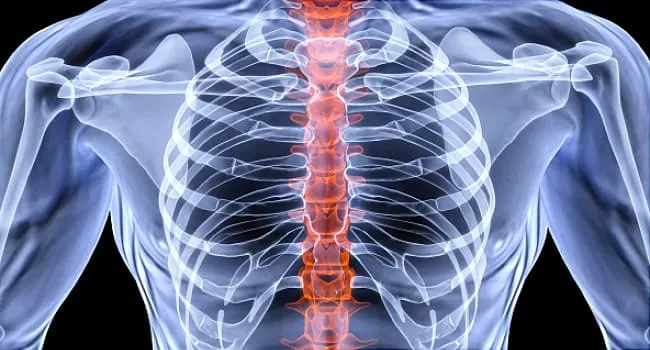
Osteoporosis happens when bone mineral density and bone strength decrease, making bones more fragile and more likely to break. The most common fracture sites include the hip, spine, and wrist. These injuries can affect mobility, independence, posture, comfort, and confidence.
Bone is living tissue. It constantly breaks down and rebuilds. When the body removes old bone faster than it creates new bone, bone mass can decline. This process becomes more common with aging, especially after menopause, but osteoporosis is not “just normal aging.” It is a medical condition with risk factors, prevention strategies, screening options, and treatments.
Why Prevention Matters Even After Diagnosis
Some people hear the word “prevention” and assume it only applies before osteoporosis begins. Not true. Osteoporosis prevention also means preventing the next problem: more bone loss, a first fracture, a second fracture, a fall, or a loss of independence.
If you already have osteoporosis, prevention becomes even more important. It helps you protect the bone strength you still have, improve muscle support, reduce hazards, and work with your healthcare provider on treatment when needed. In other words, prevention is not the “before” chapterit is the whole book.
Know Your Risk Factors
Osteoporosis risk is shaped by both controllable and uncontrollable factors. You cannot change your age, genetics, sex, or family history, but you can change many daily habits that affect bone health.
Common Risk Factors
- Being over age 50
- Postmenopausal status or lower estrogen levels
- Family history of osteoporosis or hip fracture
- Low body weight or unintentional weight loss
- Long-term use of certain medications, such as corticosteroids
- Smoking or heavy alcohol use
- Low calcium or vitamin D intake
- Low physical activity
- Previous fracture from a minor fall or low-impact injury
Risk awareness matters because osteoporosis can hide quietly for years. If your bones are sending emails, they are probably going straight to spam. Screening helps bring the issue into daylight.
Ask About Bone Density Screening
A bone density test, often called a DXA scan, measures bone mineral density and helps estimate fracture risk. It is quick, noninvasive, and far less dramatic than most people imagine. You lie still while the machine does the measuring. No obstacle course. No pop quiz.
Women age 65 and older are generally advised to be screened for osteoporosis. Postmenopausal women younger than 65 may also need screening if they have risk factors. Men should talk with a clinician about personal risk, especially if they have fractures, long-term steroid use, low testosterone, or other medical concerns.
Screening is useful because it turns guesswork into a plan. Depending on your results, your healthcare provider may recommend lifestyle changes, fall-prevention steps, monitoring, or medication.
Build a Bone-Friendly Plate
Your bones are not picky celebrities, but they do have nutritional requirements. Calcium gives bones structure, while vitamin D helps the body absorb calcium. Protein supports muscle, which supports balance and strength. Fruits and vegetables bring minerals and antioxidants that contribute to overall health.
Calcium: The Building Block
Adults usually need about 1,000 to 1,200 milligrams of calcium daily, depending on age and sex. Food is often the best first choice because it brings other nutrients along for the ride.
Calcium-rich foods include milk, yogurt, cheese, fortified plant milks, calcium-set tofu, canned salmon or sardines with bones, almonds, beans, kale, bok choy, and fortified orange juice. If your diet does not provide enough calcium, a healthcare provider may suggest a supplement. More is not always better, so avoid turning calcium into a competitive sport.
Vitamin D: The Calcium Helper
Vitamin D helps the body absorb calcium and supports muscle function. Many adults need 600 to 800 IU daily, though some people require more based on blood levels, age, skin tone, sun exposure, medical conditions, or medications.
Vitamin D can come from sunlight, fortified foods, fatty fish, egg yolks, and supplements. Because too much vitamin D can be harmful, it is smart to ask a clinician before taking high-dose supplements.
Protein: The Muscle-and-Bone Partner
Protein helps maintain muscle mass, and muscle helps protect bones by improving strength, movement control, and balance. Good protein sources include fish, poultry, eggs, dairy, beans, lentils, tofu, tempeh, nuts, and seeds. A bone-friendly diet does not need to be fancy. A bowl of yogurt with fruit, a tofu stir-fry, or salmon with greens can do more for your skeleton than a drawer full of forgotten supplements.
Exercise: The Bone Health Habit That Pays Rent
Exercise is one of the most powerful tools for osteoporosis prevention. Bones respond to healthy stress. Weight-bearing and resistance exercises encourage the body to maintain or build bone strength, while balance training helps reduce falls.
Weight-Bearing Exercise
Weight-bearing exercise means your body works against gravity. Examples include walking, stair climbing, dancing, low-impact aerobics, hiking, and some forms of tennis or pickleball. For many people, brisk walking is the most realistic starting point. It is simple, low-cost, and does not require matching neon workout gearunless that brings you joy.
Strength Training
Strength training helps muscles pull on bones, which can support bone strength. Resistance bands, light dumbbells, weight machines, and bodyweight movements may all be useful. Focus on proper form, controlled motion, and gradual progress. If you have osteoporosis, ask a physical therapist or qualified exercise professional for guidance before starting a new program.
Balance and Posture Training
Balance exercises are essential because many fractures happen after falls. Tai chi, standing balance drills, heel-to-toe walking, and supervised balance classes can improve coordination. Posture work also matters, especially for spinal health. Strong back and core muscles can help reduce the rounded posture that sometimes occurs with vertebral compression fractures.
Move Safely With Osteoporosis
Living with osteoporosis prevention does not mean avoiding movement. It means choosing movement wisely. In general, many people with osteoporosis should be cautious with high-impact jumping, sudden twisting, deep forward bending, heavy uncontrolled lifting, and exercises that round the spine aggressively.
That does not mean you must fear your laundry basket. It means you should learn safer body mechanics. Bend at the hips and knees instead of rounding your back. Keep loads close to your body. Turn your whole body instead of twisting sharply at the waist. Use slow, controlled movements. Your bones appreciate calm leadership.
Prevent Falls Like a Home Safety Detective
Fall prevention is fracture prevention. Many osteoporosis-related fractures happen because of ordinary household hazards: loose rugs, dim lighting, cluttered pathways, slippery bathrooms, wobbly stools, and that one extension cord that has been plotting against everyone since 2017.
Make Your Home Bone-Smart
- Remove loose rugs or secure them with nonslip backing.
- Keep walkways clear of shoes, cords, bags, and pet toys.
- Add nightlights in bedrooms, bathrooms, and hallways.
- Install grab bars near toilets and inside showers.
- Use nonslip mats in the bathroom.
- Store frequently used items at waist or chest height.
- Wear supportive shoes instead of slippery socks on smooth floors.
Also review medications with your healthcare provider or pharmacist. Some medicines can cause dizziness or drowsiness. Vision checks, hearing care, and foot care can also reduce fall risk.
Habits That Quietly Weaken Bones
Some everyday habits can chip away at bone health over time. Smoking is harmful to bones and overall health. Heavy drinking can increase bone loss and fall risk. Too much caffeine may interfere with calcium balance, especially when calcium intake is already low. A very low-calorie diet can also deprive bones and muscles of the nutrients they need.
Healthy weight matters, too. Being underweight can raise fracture risk, while rapid weight loss may reduce bone density. The goal is not to chase a perfect number. The goal is to nourish your body, protect muscle, and maintain strength.
Medication May Be Part of Prevention
Lifestyle habits are powerful, but some people need medication to reduce fracture risk. Osteoporosis medications include antiresorptive drugs, which slow bone breakdown, and anabolic drugs, which help build bone. Bisphosphonates are commonly used antiresorptive medications. Other options may include denosumab, raloxifene, teriparatide, abaloparatide, or romosozumab, depending on the person’s risk profile and medical history.
Medication decisions should be personalized. Your provider may consider your DXA results, fracture history, age, kidney function, dental health, other medications, and risk of future fracture. If you are prescribed osteoporosis medication, ask how to take it correctly, what side effects to watch for, and when your treatment plan should be reviewed.
Living With Osteoporosis Prevention: Daily Experiences That Actually Help
Here is where osteoporosis prevention becomes less like a medical checklist and more like ordinary life with smarter settings. Many people do not overhaul everything at once. They start with breakfast, shoes, lighting, and movement. Small changes stack up like good bricks in a wall.
One useful experience is creating a “bone-friendly morning.” Instead of rushing out with only coffee and hope, try pairing protein with calcium: Greek yogurt with berries, fortified oatmeal with nuts, eggs with whole-grain toast and fruit, or tofu scramble with greens. This does not need to look like a wellness magazine photo shoot. If the banana is slightly bruised and the yogurt container is not aesthetic, your bones will still understand the assignment.
Another practical experience is making walking a scheduled appointment. Many people do better when they connect walking to an existing habit: after breakfast, after lunch, or before the evening news. A 10-minute walk done consistently is better than a heroic 90-minute walk performed once and then spoken of like a legend. Add safe strength training two or three times per week if your clinician approves. Resistance bands near the couch can be a great reminder, unless they become cat toys. In that case, store them higher.
People living with osteoporosis prevention also learn to respect the “pause.” Pause before standing up quickly. Pause before carrying a heavy grocery bag. Pause before climbing on a chair to reach the holiday platter that apparently lives in the clouds. That tiny moment gives your brain time to choose the safer option: use a step stool with a handle, ask for help, split the load, or move the item to a lower shelf.
Home changes often feel surprisingly empowering. Adding nightlights, removing trip hazards, and placing a nonslip mat in the shower can make the house feel less like an obstacle course. Some people resist grab bars because they seem “too medical.” But grab bars are not a defeat. They are just seat belts for bathrooms. Nobody says, “I am too stylish for brakes.” Safety can be elegant, practical, and invisible when done well.
Social support helps, too. Walk with a friend. Take a balance class. Ask your doctor for a physical therapy referral. Tell family members that osteoporosis prevention is not about fearit is about staying independent. The goal is to keep gardening, traveling, cooking, shopping, playing with grandkids, dancing in the kitchen, or doing whatever makes life feel like yours.
Finally, keep a simple bone-health notebook. Write down calcium-rich foods you actually enjoy, vitamin D instructions from your clinician, exercise days, falls or near-falls, medication questions, and DXA scan dates. This gives you a clear picture of progress. Prevention feels less overwhelming when it becomes visible.
Conclusion: Stronger Bones Start With Ordinary Choices
Living with osteoporosis prevention is not about becoming fragile, fearful, or frozen. It is about learning how to protect your bones while continuing to live fully. Stronger bones depend on a combination of nutrition, vitamin D, movement, balance, fall prevention, screening, and medical care when needed.
The best plan is the one you can actually follow. Eat calcium-rich foods. Get enough vitamin D. Walk. Strengthen your muscles. Practice balance. Make your home safer. Ask about bone density testing. Take prescribed medication correctly. Laugh when possible, because humor may not build bone density, but it certainly makes the maintenance plan easier to stick with.
Note: This article is for educational purposes only and should not replace medical advice. Anyone with osteoporosis, a recent fracture, balance problems, or medication concerns should speak with a qualified healthcare professional for personalized guidance.












