
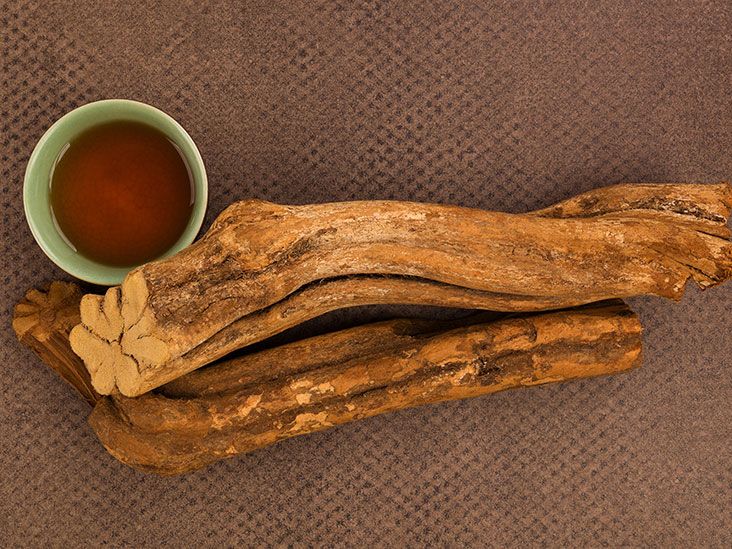
Ayahuasca is one of those words that sounds like it belongs in a mysterious jungle diary, a wellness podcast, and a legal disclaimer all at the same time. It is a powerful psychedelic brew traditionally used by Indigenous communities in the Amazon Basin for spiritual, ceremonial, and healing purposes. In recent years, it has also become famous far beyond South America, attracting everyone from trauma survivors and spiritual seekers to curious travelers who heard “plant medicine” and packed linen pants immediately.
But ayahuasca is not a casual herbal tea. It is a psychoactive mixture that can cause intense visions, emotional release, vomiting, fear, euphoria, confusion, and sometimes serious medical or psychological complications. Its main psychedelic ingredient, DMT, is illegal in many contexts in the United States, and its other plant compounds can interact dangerously with certain medications. In other words, this is not chamomile with a dramatic personality.
This in-depth guide explains what ayahuasca is, how it works, what effects people may experience, why safety screening matters, what research says about possible therapeutic use, and how people commonly describe the experience before, during, and after a ceremony.
What Is Ayahuasca?
Ayahuasca is a psychedelic plant brew traditionally prepared from two main Amazonian plants: the Banisteriopsis caapi vine and leaves from a DMT-containing plant, often Psychotria viridis. The combination matters. DMT, short for N,N-dimethyltryptamine, is a powerful hallucinogenic compound, but when taken orally by itself, the body usually breaks it down quickly before it can produce strong psychedelic effects.
The Banisteriopsis caapi vine contains beta-carboline alkaloids such as harmine, harmaline, and tetrahydroharmine. These compounds act as reversible monoamine oxidase inhibitors, often shortened to MAOIs. By slowing the breakdown of DMT in the digestive system, they allow DMT to reach the brain and produce the intense altered state associated with ayahuasca.
In traditional settings, ayahuasca has been used as part of structured ceremonies guided by experienced healers, shamans, or curanderos. These ceremonies may involve chanting, music, prayer, fasting, personal reflection, and group support. In modern retreat settings, the structure varies widely. Some programs are highly organized and medically cautious; others are about as professionally screened as a garage sale with incense.
How Ayahuasca Works in the Brain and Body
Ayahuasca affects serotonin systems in the brain, especially pathways related to mood, perception, emotion, and meaning-making. DMT acts on serotonin receptors, particularly 5-HT2A receptors, which are also involved in the effects of other classic psychedelics. The result may include visual imagery, altered sense of time, changes in body awareness, and profound shifts in emotion or self-perception.
However, ayahuasca is pharmacologically more complicated than many people realize. The brew is not just “DMT in tea form.” The beta-carbolines in the vine may have their own psychoactive effects and may influence mood, memory, and emotional processing. Because ayahuasca involves both DMT and MAOI-like activity, it carries unique risks, especially when mixed with antidepressants, stimulants, certain pain medications, recreational drugs, or other substances that affect serotonin or blood pressure.
The physical effects are also hard to miss. Nausea, vomiting, diarrhea, sweating, trembling, increased heart rate, and changes in blood pressure can occur. In many traditional contexts, vomiting is interpreted as “purging,” a symbolic or spiritual cleansing. From a medical perspective, it is still vomiting. The body does not pause and say, “Ah yes, sacred nausea.” Dehydration, aspiration risk, and electrolyte issues can become concerns, particularly for people with underlying health conditions.
Common Ayahuasca Effects
Ayahuasca effects vary depending on the person, setting, brew strength, mental state, medical history, and whether other substances are involved. The experience often begins within about an hour after drinking and may last several hours. Some people describe the effects as life-changing; others describe them as terrifying, confusing, or physically miserable. Sometimes the same person uses all those words in the same sentence.
Psychological and Emotional Effects
Many users report vivid visual imagery, dreamlike scenes, emotional memories, symbolic visions, and a strong sense of connection to nature, ancestors, loved ones, or a larger spiritual reality. Some people describe revisiting childhood memories or confronting grief, fear, shame, or trauma. These experiences can feel meaningful, but they can also be overwhelming.
Possible psychological effects include:
- Visual or auditory hallucinations
- Altered sense of time and space
- Intense emotional release
- Feelings of unity, love, or spiritual connection
- Fear, panic, paranoia, or confusion
- Temporary loss of usual identity or ego boundaries
- Disturbing thoughts, nightmares, or psychological distress
For people with a personal or family history of psychosis, bipolar disorder, severe anxiety, or unstable mental health conditions, ayahuasca may carry higher risk. Psychedelics can intensify what is already present in the mind. If the mind is a peaceful lake, that may feel beautiful. If it is a junk drawer full of lightning, the experience may be less poetic.
Physical Effects
The physical side of ayahuasca is one reason it has such a fearsome reputation. The brew often tastes bitter, earthy, and medicinal. Some people compare it to drinking a forest that has strong opinions. Nausea and vomiting are common, and diarrhea may occur. Other physical effects can include dizziness, sweating, shaking, muscle tension, dilated pupils, increased heart rate, and blood pressure changes.
These symptoms are not always dangerous in healthy adults, but they can be risky for people with heart disease, uncontrolled high blood pressure, seizure disorders, liver problems, pregnancy, or serious medical conditions. The danger rises when retreat centers fail to screen participants properly or when participants do not disclose medications or health history.
Potential Benefits: What Research Suggests
Ayahuasca research has grown rapidly, especially in relation to depression, anxiety, trauma, substance use, and psychological well-being. Some observational studies and small clinical investigations suggest that ayahuasca may be associated with improvements in mood, emotional flexibility, mindfulness, and reduced depressive symptoms. Researchers are also studying DMT and related psychedelic compounds in controlled clinical settings.
That said, ayahuasca is not an FDA-approved treatment for depression, PTSD, addiction, anxiety, or any other medical condition in the United States. Much of the evidence is preliminary, and many studies have limitations such as small sample sizes, short follow-up periods, lack of placebo control, or difficulty separating the effects of the brew from the effects of ceremony, music, expectation, community support, and post-session integration.
This distinction matters. A supportive ritual, a trusted guide, a safe environment, and a meaningful personal framework may shape outcomes as much as the chemistry itself. In plain English: the cup is not the whole story. The room, the people, the preparation, and what happens afterward all matter.
Risks and Safety Concerns
The biggest mistake people make with ayahuasca is assuming “natural” means “safe.” Poison ivy is natural. So are hurricanes, rattlesnakes, and that one suspicious potato in the pantry. Ayahuasca can produce serious adverse effects, particularly in vulnerable people or unsafe settings.
Medication Interactions
Because ayahuasca contains MAOI-like compounds, it may interact dangerously with medications and substances that affect serotonin, blood pressure, or the central nervous system. These may include certain antidepressants, especially SSRIs, SNRIs, tricyclic antidepressants, MAOIs, stimulants, MDMA, some migraine medications, dextromethorphan, certain opioids such as tramadol, and other psychoactive substances.
One major concern is serotonin syndrome, a potentially life-threatening condition caused by excessive serotonin activity. Symptoms may include agitation, confusion, rapid heart rate, high blood pressure, fever, sweating, tremor, muscle rigidity, diarrhea, and in severe cases, seizures or organ failure. Anyone considering psychedelic therapy or retreat participation should speak with a qualified medical professional first, especially if they take prescription medications.
Mental Health Risks
Ayahuasca may trigger panic, paranoia, dissociation, mania, or psychotic symptoms in some people. People with bipolar disorder, schizophrenia, psychosis, or a strong family history of these conditions should be especially cautious. A powerful psychedelic experience can feel insightful, but insight is not guaranteed. Sometimes the mind opens a door, and behind it is a raccoon playing cymbals.
Unsafe Retreat Settings
Ayahuasca tourism has expanded quickly, and quality control varies. Some retreats provide medical screening, emergency plans, trained facilitators, ethical guidelines, and integration support. Others may lack basic safety protocols. Warning signs include pressure to stop medications without medical supervision, vague ingredient information, no emergency plan, overly grand promises, sexual boundary violations, untrained facilitators, or claims that ayahuasca can “cure everything.”
Is Ayahuasca Legal in the United States?
In the United States, DMT is listed as a Schedule I controlled substance. That means it is generally illegal to manufacture, possess, distribute, or use outside limited approved research or specific legal exemptions. Some religious organizations have pursued legal protection for sacramental use, but those situations are narrow and fact-specific. For most people, ayahuasca containing DMT exists in a legally risky area.
Legal rules can also vary by country, state, religious context, and research status. Anyone dealing with ayahuasca should understand that “I read about it on a wellness blog” is not a legal defense strategy. For legal questions, consult a qualified attorney rather than a retreat brochure with watercolor vines.
How Ayahuasca Is Used in Traditional and Modern Contexts
Traditionally, ayahuasca is used in ceremonial settings, often guided by Indigenous healers who understand the cultural, spiritual, and botanical context. The ceremony may involve songs called icaros, periods of silence, prayer, tobacco smoke, plant-based diets, and close attention to the participant’s emotional state.
In modern contexts, people may seek ayahuasca for emotional healing, spiritual exploration, grief processing, addiction recovery, depression, anxiety, or a desire to “reset” their lives. Some attend retreats in Peru, Brazil, Colombia, Costa Rica, or other countries where ceremonies are available. Others encounter underground ceremonies in the United States or Europe. The safety and legality of these settings can differ dramatically.
Responsible discussion of ayahuasca usage should not include casual dosing advice, brewing instructions, or encouragement to self-experiment. The safer focus is preparation, screening, legality, medical evaluation, mental health history, qualified supervision, and integration support. Psychedelics are not a weekend personality upgrade. They are powerful experiences that deserve caution, respect, and a very serious look at the fine print.
Who Should Avoid Ayahuasca?
Ayahuasca may be especially risky for people who are pregnant, breastfeeding, taking antidepressants or psychiatric medications, using stimulants or recreational drugs, living with heart disease, managing uncontrolled high blood pressure, prone to seizures, or experiencing serious mental health instability. It may also be unsafe for people with a history of psychosis, mania, or severe dissociation.
People should not stop prescribed medication just to attend a ceremony unless guided by a licensed clinician. Suddenly stopping antidepressants, mood stabilizers, or other psychiatric medications can be dangerous. Any retreat that casually tells people to discontinue medication without proper medical oversight should be treated as a large red flag wearing a smaller red flag as a hat.
Integration: The Often-Ignored Part
Many people focus on the ceremony itself, but integration may be the most important part of the process. Integration means making sense of the experience afterward and translating insights into daily life. This may involve therapy, journaling, meditation, community support, lifestyle changes, or conversations with trained integration specialists.
Without integration, even a dramatic experience can fade into a strange memory. A person may feel they discovered the meaning of life, only to return home and still forget laundry in the washing machine. Real change usually requires habits, relationships, accountability, and time.
Ayahuasca Experiences: What People Commonly Report
Experiences with ayahuasca are famously difficult to summarize because they can be deeply personal, symbolic, and unpredictable. Still, many reports follow a loose arc: anticipation, discomfort, surrender, emotional intensity, visual imagery, insight, exhaustion, and reflection. Not everyone experiences all of these, and not every experience feels positive.
Before a ceremony, many people describe feeling nervous, hopeful, or slightly ridiculous for voluntarily preparing to drink a bitter jungle brew in the dark. They may set intentions such as understanding grief, healing from a breakup, addressing addiction patterns, or finding direction in life. Some people spend days avoiding certain foods, alcohol, or substances as part of retreat rules, though medical advice should always come from qualified professionals rather than generic retreat checklists.
As the effects begin, the body often speaks first. Nausea may rise, sounds may sharpen, and the room may feel unusually alive. Music can become emotionally powerful. A simple drumbeat may feel like it has a passport to the center of the universe. Visual patterns may appear behind closed eyes: geometric shapes, animals, memories, faces, landscapes, or scenes that feel dreamlike but emotionally meaningful.
Some people report meeting symbolic figures, deceased loved ones, spiritual beings, or versions of themselves at different ages. Others experience no grand visions but feel intense waves of sadness, forgiveness, fear, or gratitude. A person may cry for reasons they understand perfectly, or for reasons that make sense only at 2 a.m. under a mosquito net while someone is singing in another language.
The challenging part is often called “the work.” This may involve confronting painful memories, shame, regret, anger, or unresolved trauma. Supporters of ayahuasca often say the brew shows people what they need, not what they want. Critics point out that an overwhelming psychedelic state can also confuse, destabilize, or retraumatize people, especially without proper support. Both ideas can be true. A difficult experience can feel meaningful, but difficulty alone is not proof of healing.
Afterward, many people feel physically drained. Some feel peaceful, open, and emotionally lighter. Others feel raw, confused, or disappointed because they expected fireworks and instead got nausea plus a vague message about calling their mother. In the days following, people may notice changes in mood, perspective, or priorities. They may feel more connected to nature, more aware of unhealthy habits, or more motivated to repair relationships.
However, the afterglow can be temporary. Real benefits depend on what happens next. Someone may leave a retreat convinced they will quit drinking, change careers, practice yoga daily, and become the kind of person who owns matching food storage lids. Without support and structure, those intentions may fade. Integration turns the experience from a dramatic inner movie into practical change.
A realistic ayahuasca story is rarely just “I drank it and was healed.” It is more often: “I had an intense experience, learned something emotionally important, struggled to explain it, and then had to decide what to do with that insight.” That is less catchy than a miracle cure headline, but it is much closer to real life.
Conclusion
Ayahuasca is a powerful psychedelic brew with deep roots in Amazonian ceremonial traditions and growing interest in modern mental health research. It may produce vivid visions, emotional breakthroughs, spiritual experiences, and temporary changes in mood or perspective. Early research suggests possible therapeutic potential, especially for depression, anxiety, trauma, and substance use, but the evidence is still developing, and ayahuasca is not an approved medical treatment in the United States.
The risks are real. Ayahuasca can cause intense psychological distress, vomiting, blood pressure changes, dangerous medication interactions, and legal complications. Its safety depends heavily on screening, setting, supervision, medical history, mental health status, and integration afterward. Anyone considering it should approach the topic with caution, humility, and professional guidance.
In short, ayahuasca is not a wellness shortcut, party drug, or guaranteed cure. It is a complex psychoactive tradition and research subject that deserves respect, accurate information, and careful decision-making. The jungle may have wisdom, but it also has mosquitoes, chemistry, and lawyers.











