
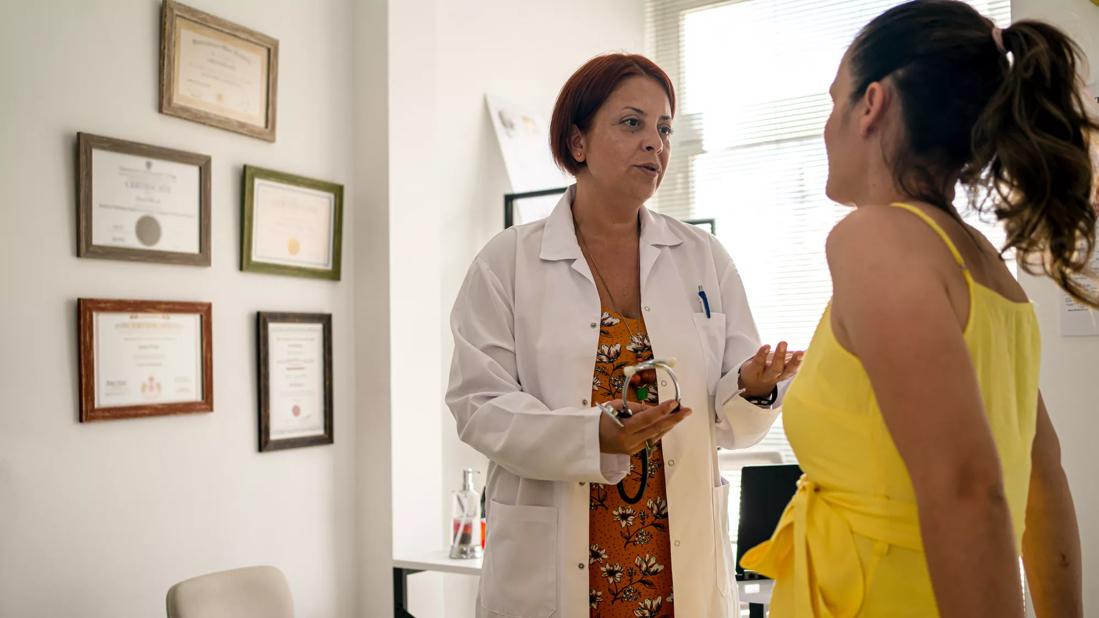
Pregnancy comes with a lot of new vocabulary: trimester, fundal height, glucose screening, birth plan, and the mysterious phrase “sleep now while you can,” which is both true and deeply unhelpful. Somewhere in the middle of all that planning is another important topic: vaccination during pregnancy.
Vaccines may not be the cutest item on a baby registry, but they are one of the smartest ways to protect both the pregnant person and the baby. During pregnancy, the immune system, heart, and lungs are working overtime. That means infections such as flu, COVID-19, pertussis, and RSV can be more than “just a bug.” They can raise the risk of serious illness, hospitalization, pregnancy complications, and severe disease in newborns.
The good news: several vaccines are specifically recommended during pregnancy because they have been carefully studied and are designed to protect two people at once. Think of them as prenatal care with a tiny superhero cape.
Why Vaccination During Pregnancy Matters
Vaccination during pregnancy has two main goals. First, it helps protect the pregnant person from infections that can become more serious during pregnancy. Second, it helps pass protective antibodies to the baby before birth. These antibodies can help shield newborns during their first weeks and months of life, when they are too young to receive certain vaccines themselves.
This is especially important for illnesses such as whooping cough, flu, RSV, and COVID-19. A newborn’s immune system is still learning the ropes. It has not yet built a full defense team, and it cannot receive all vaccines immediately after birth. Maternal immunization helps bridge that vulnerable gap.
In practical terms, vaccines during pregnancy are not about “doing more medical stuff.” They are about lowering the odds that a preventable infection turns into an emergency room visit, a hospital stay, or a scary first month at home with a coughing newborn.
Which Vaccines Are Commonly Recommended During Pregnancy?
In the United States, the vaccines most commonly discussed during pregnancy include the flu shot, Tdap, COVID-19 vaccine, and RSV vaccine. Some people may also need other vaccines based on age, health history, travel plans, job exposure, or risk factors.
1. Flu Shot During Pregnancy
The influenza vaccine is recommended during pregnancy because flu can be more severe in pregnant people than in those who are not pregnant. Pregnancy changes the immune system and puts extra strain on the heart and lungs, which can make respiratory infections harder to handle.
The flu shot can be given during any trimester. If flu season arrives while you are pregnant, it is usually better not to wait. The injectable flu vaccine is used during pregnancy. The nasal spray flu vaccine is a live attenuated vaccine and is not recommended during pregnancy.
Getting the flu shot while pregnant may also help protect the baby after birth. Babies cannot receive their first flu vaccine until they are older, so antibodies passed during pregnancy can provide early protection during those first delicate months.
2. Tdap Vaccine During Pregnancy
Tdap protects against tetanus, diphtheria, and pertussis, also called whooping cough. The pregnancy focus is mainly pertussis because whooping cough can be dangerous, and sometimes life-threatening, for newborns.
Tdap is recommended during every pregnancy, usually between 27 and 36 weeks. Getting it during this window helps the pregnant person make antibodies and pass them to the baby before delivery. Even if someone received Tdap before pregnancy or during a previous pregnancy, a new dose is recommended each time because every baby needs their own antibody “welcome basket.”
This is one of the clearest examples of vaccination during pregnancy directly protecting a newborn. Babies do not start their own pertussis vaccine series until after birth, so maternal Tdap helps protect them before their vaccine schedule can do the job.
3. COVID-19 Vaccine During Pregnancy
COVID-19 guidance has changed over time, so pregnant people should discuss current recommendations with their health care professional. The CDC’s 2025–2026 guidance uses individual-based decision-making for people ages 6 months and older, while noting that pregnancy increases the risk of severe COVID-19 illness. ACOG continues to recommend COVID-19 immunization during pregnancy, especially because pregnant and recently pregnant people can be at higher risk for severe disease.
The main reasons to consider COVID-19 vaccination during pregnancy are to reduce the risk of severe illness, hospitalization, and complications. Vaccination may also help pass antibodies to the baby, offering some early protection after birth.
For a practical example, imagine a pregnant teacher, nurse, retail worker, or parent of toddlers who is exposed to respiratory viruses constantly. Their risk profile may be different from someone who works remotely and has limited exposure. That is why a conversation with an obstetrician, midwife, or other trusted clinician is useful.
4. RSV Vaccine During Pregnancy
RSV, or respiratory syncytial virus, is common, but it can cause severe breathing illness in young infants. The maternal RSV vaccine approved for pregnancy is Pfizer’s Abrysvo. It is given as a single dose between 32 and 36 weeks of pregnancy, usually during RSV season, which is typically fall through winter in much of the United States.
The goal is to help the pregnant person produce antibodies that pass to the baby before birth. These antibodies can help protect the infant from severe RSV disease during the first months of life.
There is also an RSV antibody product that can be given directly to babies. Most infants do not need both maternal RSV vaccination and infant RSV antibody protection. Which option is best may depend on timing, local RSV season, whether the baby is born soon after maternal vaccination, and the baby’s medical risk factors.
Vaccines That Are Usually Avoided During Pregnancy
Not all vaccines are recommended during pregnancy. Live vaccines are generally avoided because they contain a weakened form of a live virus. The concern is theoretical, but health authorities take a cautious approach.
Vaccines usually avoided during pregnancy include the MMR vaccine, which protects against measles, mumps, and rubella; the varicella vaccine, which protects against chickenpox; and the nasal spray flu vaccine. If someone needs MMR or varicella protection, these vaccines are usually given before pregnancy or after delivery.
If a live vaccine is accidentally given before someone realizes they are pregnant, it is not usually considered a reason to end a pregnancy. Instead, the person should contact their health care provider for individualized counseling. In other words: do not panic-Google at 2 a.m. Call the clinician who actually knows the chart.
What About Hepatitis B and Other Vaccines?
Some vaccines may be recommended during pregnancy depending on personal risk factors. Hepatitis B vaccination is considered safe during pregnancy and may be recommended for adults who have not been vaccinated, especially because hepatitis B can be passed from parent to baby during birth.
Other vaccines may be considered for travel, occupational exposure, outbreaks, or specific health conditions. For example, someone traveling internationally may need a different vaccine discussion than someone staying close to home. A laboratory worker, health care worker, or person with certain chronic medical conditions may also have special considerations.
The best approach is to review vaccine history early in prenatal care. Bring records if available. If the records are missing, do not feel embarrassed. Vaccine cards have a way of disappearing into the same mysterious universe as missing socks and phone chargers.
Are Vaccines Safe During Pregnancy?
The vaccines recommended during pregnancy are recommended because evidence supports their safety and benefits. The flu shot, Tdap, RSV vaccine, and COVID-19 vaccines have been evaluated through clinical data, safety monitoring systems, and real-world use.
Most vaccine side effects are mild and short-lived. Common reactions include soreness at the injection site, tiredness, headache, muscle aches, or a low-grade fever. These symptoms usually go away within a day or two. Serious allergic reactions are rare, but anyone with a history of severe allergy to a vaccine or vaccine ingredient should discuss that history before vaccination.
One helpful way to think about safety is this: pregnancy does not mean “avoid everything.” It means “choose carefully.” Avoiding a recommended vaccine can sometimes leave both parent and baby more vulnerable to the infection the vaccine is designed to prevent.
When Should You Get Vaccinated During Pregnancy?
Timing depends on the vaccine.
Flu Vaccine Timing
The flu shot can be given during any trimester and is generally recommended during flu season. If you are pregnant when flu vaccines become available, ask your clinician when to get yours.
Tdap Vaccine Timing
Tdap is usually given during every pregnancy between 27 and 36 weeks, preferably earlier in that window when possible. This timing helps maximize antibody transfer to the baby.
RSV Vaccine Timing
The maternal RSV vaccine is given between 32 and 36 weeks of pregnancy during RSV season in most areas. Timing matters because the baby needs enough time to receive antibodies before birth.
COVID-19 Vaccine Timing
COVID-19 vaccination timing depends on current recommendations, vaccine availability, previous vaccination history, personal risk, and discussion with a health care professional. Many medical organizations support vaccination during pregnancy because of the risks associated with COVID-19 illness.
Can Multiple Vaccines Be Given at the Same Visit?
In many cases, yes. Some vaccines recommended during pregnancy can be given during the same appointment. This can be convenient because prenatal schedules are already busy. Between lab work, ultrasounds, and the sudden urge to compare stroller cup holders, fewer appointments can be a gift.
However, some people prefer spacing vaccines out because they want to know which shot caused a sore arm or fatigue. That is a reasonable conversation to have with a clinician. The key is not to delay so long that the vaccine window closes, especially for Tdap and RSV, where timing is important for newborn protection.
Benefits for the Baby
One of the most powerful parts of vaccination during pregnancy is passive immunity. This means antibodies made by the pregnant person cross the placenta and help protect the baby after birth.
This protection is temporary, but temporary does not mean unimportant. The first few months of life are exactly when babies are most fragile. Maternal antibodies can help reduce the risk of severe illness until the baby is old enough to receive vaccines or build stronger immune defenses.
For example, Tdap helps protect against whooping cough before the baby can complete their own vaccine series. RSV vaccination may help reduce the risk of severe RSV disease in early infancy. Flu and COVID-19 vaccination may also help lower risks for both the pregnant person and the newborn.
Common Myths About Vaccination During Pregnancy
Myth: “Vaccines overload the baby’s immune system.”
They do not. Babies encounter countless germs after birth through air, skin contact, feeding, and normal daily life. Vaccines contain specific pieces or instructions that help the immune system learn safely and efficiently.
Myth: “If I am healthy, I do not need vaccines.”
Good health helps, but pregnancy itself changes risk. A healthy pregnant person can still become seriously ill from flu, COVID-19, or other infections. Vaccination is prevention, not a sign that something is wrong.
Myth: “I got Tdap before, so I am covered for this pregnancy.”
Tdap is recommended during every pregnancy because the goal is to pass fresh antibodies to each baby. Previous vaccination may protect the parent, but it may not provide enough antibody transfer for the newborn.
Myth: “Natural infection gives better protection.”
Natural infection can come with serious risks, especially during pregnancy. Vaccines are designed to help the immune system prepare without requiring the body to fight the full disease.
Questions to Ask Your Health Care Provider
A good vaccine conversation does not need to feel like a courtroom drama. Bring your questions, your medical history, and your concerns. A strong clinician will not roll their eyes. They have heard everything, including “Can I eat sushi?” and “Is it normal that my baby kicks only when I sit down with snacks?”
Helpful questions include:
- Which vaccines do I need during this pregnancy?
- What timing is best for flu, Tdap, RSV, and COVID-19 vaccination?
- Do my health conditions change any recommendations?
- Do I need hepatitis B vaccination or screening?
- Should my partner, family, or caregivers update their vaccines too?
- What side effects should I expect?
- When should I call if I feel unwell after vaccination?
Vaccination Before and After Pregnancy
Ideally, vaccine planning starts before pregnancy. People who are trying to conceive may be advised to check immunity to rubella and varicella, because MMR and chickenpox vaccines are not given during pregnancy. If needed, these vaccines can be given before pregnancy, with guidance on how long to wait before trying to conceive.
After delivery, some vaccines can be given even while breastfeeding. This can help protect the parent and reduce the chance of bringing certain infections home to the baby. Breastfeeding itself does not usually prevent vaccination, but it is still wise to confirm with a clinician.
Family Vaccination: The “Cocoon” Strategy
Vaccination during pregnancy is important, but babies also benefit when the people around them are protected. This is sometimes called cocooning. The idea is simple: surround the baby with vaccinated caregivers so fewer germs reach the baby in the first place.
Parents, partners, grandparents, babysitters, and close family members may need updated flu, Tdap, COVID-19, or other vaccines. This is especially important for anyone who will spend lots of time holding, feeding, or caring for the baby.
Yes, this can lead to awkward family conversations. But “Please wash your hands and update your vaccines” is a lot easier than “Please stop kissing the baby while coughing dramatically into the nursery.” Boundaries are part of newborn care too.
Real-Life Experiences and Practical Tips for Vaccination During Pregnancy
Many people feel a little nervous before getting vaccinated during pregnancy. That is normal. Pregnancy can make every decision feel bigger, from choosing a crib mattress to deciding whether heartburn counts as a personality trait now. Vaccines are medical decisions, so it makes sense to want clear information.
One common experience is surprise at how routine vaccination feels once it happens. A pregnant patient may spend days reading about Tdap, ask five questions at the appointment, get the shot, and then think, “That was it?” Usually, the most noticeable effect is a sore arm. Some people feel tired later that day, which can be hard to separate from regular pregnancy tiredness. Pregnancy fatigue already has a full-time job and apparently enjoys overtime.
A helpful tip is to schedule vaccines when you can take it easy afterward. You do not need to plan a dramatic recovery scene, but it is nice to avoid stacking a shot appointment with grocery shopping, a long commute, and assembling nursery furniture. Drink water, eat a normal meal, and ask which side effects are expected.
Another practical experience involves timing. Many pregnant people do not realize that Tdap and RSV have specific windows. Tdap is usually given between 27 and 36 weeks, while RSV vaccine is given between 32 and 36 weeks during RSV season. Missing these windows does not mean you failed; it means you should ask your clinician what the next best option is. For RSV, for example, the baby may be eligible for infant antibody protection after birth if maternal vaccination was not received or was too close to delivery.
Some people also find it helpful to bring vaccine questions to a prenatal visit instead of trying to decide in the pharmacy line. Ask your provider to write down the recommended vaccines and timing. A simple checklist can reduce stress, especially when pregnancy brain turns “ask about Tdap” into “buy grapes, maybe?”
Family reactions can be another part of the experience. Some relatives may be supportive. Others may have outdated information or strong opinions from the University of Facebook Comments. Try to keep the conversation calm and focused on the baby’s safety. You do not have to debate every myth at Thanksgiving. A simple sentence can work: “Our doctor recommends these vaccines to help protect the baby before they are old enough for their own shots.”
For people with previous pregnancy loss, fertility treatment, medical complications, or anxiety, vaccine decisions may feel emotionally loaded. In that situation, compassionate counseling matters. Ask for evidence, but also ask for space to talk through fears. A good provider should explain benefits and risks without dismissing your concerns.
Finally, keep records. Take a photo of your vaccine documentation or upload it to your patient portal if possible. After delivery, pediatricians may ask whether RSV vaccine or Tdap was given during pregnancy. Having the dates handy can help guide newborn care.
The big-picture experience is this: vaccination during pregnancy is not about being perfect. It is about making informed, timely choices that reduce preventable risks. You are not just checking boxes. You are building a small shield around a very small person.
Conclusion
Vaccination during pregnancy is one of the most effective ways to protect both the pregnant person and the baby. The flu shot, Tdap, RSV vaccine, and COVID-19 vaccine are central parts of the modern maternal immunization conversation. They help reduce the risk of serious illness during pregnancy and can pass protective antibodies to the baby before birth.
The best plan is personal. Vaccine timing depends on trimester, season, health history, previous vaccination, and local guidance. That is why every pregnant person should review vaccines with a trusted health care provider early in prenatal care and again later in pregnancy when Tdap and RSV timing become important.
Pregnancy already comes with enough uncertainty. Vaccines cannot prevent every sniffle, cough, or late-night worry, but they can lower the risk of several serious infections. And when you are preparing to welcome a newborn, fewer preventable risks is a beautiful thing.













