
Note: This guide focuses on practical, garden-safe ways to remove visible stinkhorn fungus and reduce repeat appearances. True underground eradication is difficult because the fungus lives as hidden threads in mulch and soil.
You know a fungus has a branding problem when its main personality trait is “smells like something died behind the garage.” That, dear gardener, is the stinkhorn fungus. It can appear overnight in mulch beds, lawns, bare soil, or around old roots, looking like a tiny alien sculpture and smelling like a raccoon made terrible life choices.
The good news? Stinkhorns are not attacking your roses, poisoning your lawn, or plotting to take over the neighborhood. They are decomposers, which means they feed on dead organic matter such as hardwood mulch, buried roots, old sawdust, and decaying wood. In nature, that job is useful. In your front flower bed beside the porch? Less charming.
So, can you kill a stinkhorn fungus? Yes and no. You can kill or remove the visible mushrooms, stop the smell quickly, and reduce future outbreaks by changing the environment. But completely wiping out the underground fungal network is rarely realistic. Stinkhorns spread through tiny fungal threads in organic matter, and their sticky spores can hitch a ride on flies and other insects. That is why spraying random chemicals usually failsand may harm your garden more than the fungus ever would.
This guide explains three smart ways to get rid of stinkhorn fungus: remove the fruiting bodies, remove the food source, and dry out or disturb the habitat. Think of it as pest control with gloves, a shovel, and less dramatic screaming.
What Is Stinkhorn Fungus?
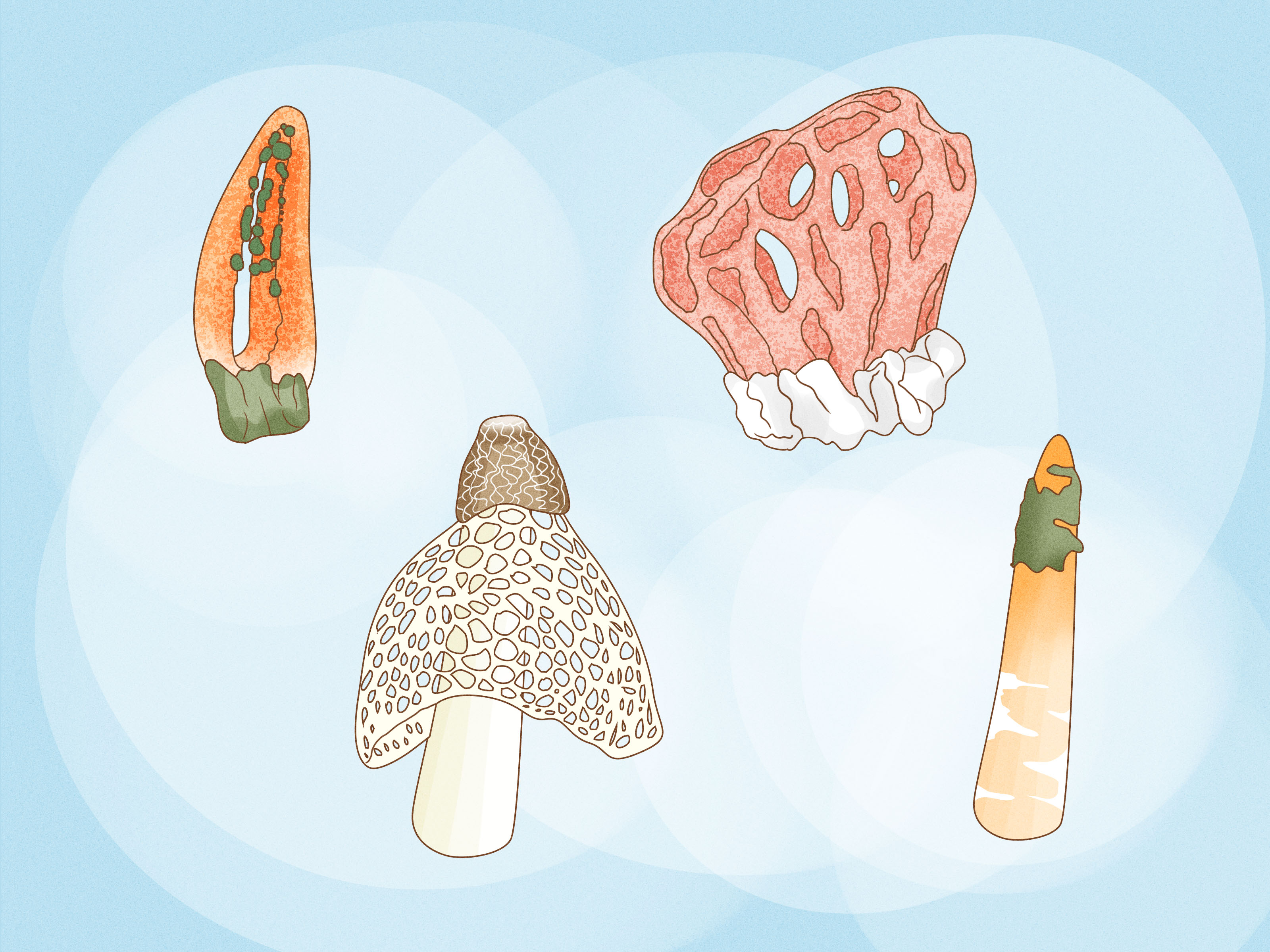
Stinkhorn fungus is a group of mushrooms known for two things: strange shapes and a powerful odor. Depending on the species, a stinkhorn may look like a horn, a finger, a cage, a column, an orange claw, or something you would rather not explain to visiting relatives. Common types include elegant stinkhorn, dog stinkhorn, Ravenel’s stinkhorn, columned stinkhorn, and red cage stinkhorn.
Most stinkhorns begin as small, round, egg-like structures in soil or mulch. These “eggs” may be white, beige, pinkish, or lilac. When conditions are rightusually moist weather, rich organic matter, and mild temperaturesthe egg ruptures and the mushroom grows quickly. In some cases, the mature stinkhorn seems to appear in a single morning.
The smell comes from a slimy spore mass, often olive green, brown, or dark-colored, on the tip or inner surfaces of the mushroom. Unlike many mushrooms that release spores into the wind, stinkhorns use odor as a marketing department. The smell attracts flies, ants, beetles, and other insects. These visitors crawl over the slime, pick up spores, and carry them elsewhere. It is gross, but biologically clever. Nature sometimes wears a lab coat and a clown nose.
Are Stinkhorns Harmful to Plants, Pets, or People?
In most landscapes, stinkhorns are more embarrassing than dangerous. They do not infect living plants the way a plant disease does. They do not kill turfgrass, shrubs, trees, or perennials. Their real “crime” is smelling awful, attracting flies, and ruining the peaceful garden vibe you were trying to create with your expensive mulch.
Still, caution is smart. Do not eat wild mushrooms unless they have been identified by a qualified expert. Some stinkhorns are described as non-toxic, and some cultures have used certain stinkhorn “eggs” as food, but look-alike mushrooms can be dangerous. If a child or pet eats an unknown fungus, contact poison control, a veterinarian, or a medical professional right away.
For normal yard cleanup, wear gloves, avoid touching your face, bag the fungus, and wash your hands afterward. The smell alone is usually enough motivation to follow proper hygiene.
Why Stinkhorn Fungus Keeps Coming Back
Many homeowners remove one stinkhorn and celebrate, only to find three more the next morning. That does not mean you failed. It means you removed the mushroom, not the whole fungus.
The visible stinkhorn is only the fruiting body, similar to an apple on a tree. The main fungal body lives in the mulch or soil as a web of microscopic threads called mycelium or hyphae. If that network still has moisture, decaying wood, and comfortable temperatures, it can produce more mushrooms.
Stinkhorn fungus commonly appears in:
- Fresh or aging hardwood mulch
- Wood chips and bark mulch
- Areas with buried roots or old stumps
- Damp flower beds with poor airflow
- Soil rich in compost or decaying plant matter
- Shady spots that stay wet after rain or irrigation
That is why the best control plan is not “spray and pray.” It is a combination of removal, sanitation, and habitat change.
Way 1: Remove and Bag Stinkhorns Early
The fastest way to kill a stinkhorn fungus above ground is to remove it physically. This is the best method when the smell is already noticeable or when the fungus is growing near a patio, front door, walkway, pet area, or children’s play space.
Why This Works
Removing stinkhorns stops the immediate odor and reduces the number of spores available for insects to spread. It will not destroy every fungal thread underground, but it can make the outbreak less dramatic. In other words, it is not a magic wand; it is a very effective trash bag mission.
What You Need
- Disposable or washable garden gloves
- A small shovel, trowel, or hand rake
- A sealable plastic bag
- Trash bin access
- Soap and water for cleanup
Step-by-Step Removal
First, inspect the area around the visible stinkhorn. Look for mature mushrooms and nearby egg-like structures. The eggs are especially important because removing them before they erupt prevents the stinkhorn from producing its full smelly display.
Next, use a trowel to dig under the mushroom or egg. Try to remove a small scoop of surrounding mulch or soil with it. Do not shake the fungus around like a maraca. That may spread spores and make the job smell worse.
Place the fungus directly into a sealable plastic bag. Close the bag tightly and put it in the trash. Do not toss stinkhorns into your compost pile unless your goal is to create a luxury resort for future stinkhorns.
After removal, lightly rake the area to expose damp mulch to air. Wash your tools and gloves, especially if the stinkhorn slime touched them. If the smell remains, remove a little more of the surrounding mulch and dispose of it too.
Pro Tip: Target the “Egg” Stage
The egg stage is your best chance to stop stinkhorns before they perform their grand opening ceremony. These eggs can be one to three inches wide and may sit partly buried in mulch. If you see several near a mature stinkhorn, remove them all. Think of it as pulling weeds before they go to seed, except the weeds smell like a haunted dumpster.
Way 2: Remove the Food Source in Mulch and Decaying Wood
If stinkhorn fungus keeps returning, the problem is probably not just the mushroom. It is the buffet. Stinkhorns feed on dead organic material, especially decaying wood. Hardwood mulch, buried roots, stump grindings, sawdust piles, and old wood chips can all encourage growth.
Why This Works
Stinkhorn fungus needs organic matter to survive and fruit. When you remove or reduce its food source, you make the area less inviting. This method is especially useful when stinkhorns appear repeatedly in the same mulch bed.
How to Clean Up the Area
Start by removing the visible stinkhorns and eggs. Then inspect the bed. If the mulch is thick, soggy, sour-smelling, or breaking down into dark, fine material, it may be holding too much moisture and feeding nuisance fungi.
Use a rake or shovel to remove the top layer of affected mulch. In severe cases, remove all mulch from the problem area and dispose of it. Pay special attention to spots near old tree roots, stump grinding debris, or buried chunks of wood. If you recently had a tree removed and the stump was ground down, leftover sawdust can be a stinkhorn paradise.
Once the old material is gone, replace it with a mulch that is less likely to encourage stinkhorns. Pine bark, pine needles, coarse bark nuggets, leaf compost, or well-composted mulch are often better choices than fresh, finely shredded hardwood mulch. Coarser materials dry out faster and allow better airflow.
Do Not Over-Mulch
More mulch is not always better. A deep, wet, compacted mulch layer can suffocate plant roots, hold moisture, and encourage fungal growth. For many landscape beds, two to three inches of mulch is enough. Around trees and shrubs, keep mulch several inches away from trunks and stems. The dreaded “mulch volcano” is bad for plants and excellent for weird fungal drama.
After replacing mulch, rake it occasionally to keep it loose. If a section stays wet for days after rain, thin it out. If irrigation hits that bed every morning, adjust the sprinkler. Stinkhorns love damp organic matter; do not send them a daily invitation.
Way 3: Dry, Disturb, and Improve the Growing Conditions
The third way to kill or control stinkhorn fungus is to make the environment less comfortable. Stinkhorns tend to appear during moist, cool, or humid periods. They prefer damp mulch, shade, and decaying organic matter. By drying and disturbing the habitat, you can reduce future fruiting.
Why This Works
The underground fungus may remain in the soil or mulch, but it is less likely to produce mushrooms when conditions are dry, airy, and less rich in decomposing wood. You are not poisoning the fungus; you are making the neighborhood less attractive.
Rake and Aerate Mulch
Use a rake or garden fork to loosen compacted mulch. This helps air reach the lower layers and allows moisture to evaporate. It also disturbs the fungal network in the mulch, which may reduce new fruiting bodies.
Do this after removing visible stinkhorns. If you rake before removal, you may smear the spore slime around, which is exactly as unpleasant as it sounds.
Reduce Excess Moisture
Check your watering schedule. Many fungus problems in yards are encouraged by frequent shallow irrigation. If the area is already damp from rain, skip extra watering. Water plants deeply but less often, and aim water at plant roots rather than constantly soaking mulch.
Also look for drainage issues. Downspouts, low spots, clogged gutters, and leaky irrigation lines can create damp pockets where stinkhorns thrive. Redirect water away from beds that stay soggy.
Increase Sunlight and Airflow
Shady, still, humid areas are cozy for fungi. If the stinkhorns are growing under dense shrubs, consider selective pruning to improve airflow. Do not scalp your landscape, but remove crowded, dead, or crossing branches where appropriate. More air movement helps mulch dry faster.
In some beds, switching from mulch to living groundcover can also help. Groundcovers reduce bare mulch area while still protecting soil. Choose plants suited to your region, light level, and soil conditions.
What Not to Use on Stinkhorn Fungus
When a fungus smells this bad, people become creative. Unfortunately, creative does not always mean wise. Many popular “quick fixes” can damage soil, plants, pets, and beneficial organisms without solving the stinkhorn problem.
Do Not Rely on Fungicides
Garden fungicides are designed for specific plant diseases, not for eradicating stinkhorns living in mulch. Many extension-based recommendations note that fungicides are ineffective or not practical for stinkhorn control. Spraying a product randomly may harm beneficial fungi and microbes while leaving the underground stinkhorn network untouched.
Avoid Bleach, Salt, and Harsh Chemicals
Bleach can injure plants and disrupt soil life. Salt can damage soil structure and make it harder for plants to absorb water. Strong household cleaners do not belong in garden beds. Pouring chemicals into soil is like burning down the kitchen because the toaster made a weird noise.
Be Careful with Vinegar
Vinegar may burn some visible mushroom tissue, but it can also damage nearby plants. It will not reliably destroy the underground fungal network. If you want a fast result, physical removal is cleaner, safer, and more effective.
How to Prevent Stinkhorn Fungus from Returning
Prevention is about making your yard less stinkhorn-friendly. You may not stop every future mushroom, especially after rainy weather, but you can reduce the odds.
- Use coarse, well-aged, or composted mulch instead of fresh fine hardwood mulch.
- Keep mulch layers around two to three inches deep in most beds.
- Rake mulch occasionally so it does not become compacted.
- Remove old roots, sawdust, and stump grinding debris when possible.
- Avoid overwatering landscape beds.
- Improve drainage where water collects.
- Prune dense plantings to improve airflow.
- Remove stinkhorn eggs as soon as you spot them.
Also, remember that stinkhorns are seasonal. Many outbreaks last only a short time, especially after wet weather. If the fungus appears in a remote corner of the yard where nobody smells it, the most eco-friendly option may be to leave it alone. It will usually collapse and disappear on its own.
When Should You Call a Professional?
Most stinkhorn fungus problems do not require a professional. A homeowner with gloves, a trowel, and a strong stomach can handle the average outbreak.
However, professional help may be useful if you have a large landscape bed with repeated fungus problems, drainage issues, irrigation malfunctions, or old stump debris buried under mulch. A landscaper can remove and replace mulch, correct grading, install better drainage, or recommend groundcovers. A local extension office or plant diagnostic clinic can help identify unusual fungi if you are unsure what you are dealing with.
Call a veterinarian or poison control immediately if a pet or child eats an unknown mushroom. Do not wait for symptoms, and take photos or samples if you can do so safely.
Quick Comparison: Which Method Should You Use?
| Problem | Best Method | Why It Helps |
|---|---|---|
| One or two smelly stinkhorns appeared overnight | Remove and bag them | Stops odor quickly and reduces spores |
| Stinkhorns keep returning in the same mulch bed | Remove affected mulch and decaying wood | Reduces the fungus food source |
| The bed stays wet and shaded | Rake, dry, prune, and improve airflow | Makes conditions less favorable for fruiting |
| Fungus appears far from people and pets | Leave it alone | Stinkhorns are short-lived and beneficial decomposers |
Real-World Experience: What It Is Like to Deal with Stinkhorn Fungus
The first time many homeowners meet a stinkhorn, they do not calmly say, “Ah yes, a saprophytic fungus performing nutrient cycling.” They say something more like, “What is that smell, and why is the mulch growing tentacles?” That reaction is completely understandable. Stinkhorns are theatrical. They do not gently introduce themselves. They burst out of the ground, wear bright colors, attract flies, and bring the odor of spoiled meat to an otherwise respectable flower bed.
One common experience is the “new mulch surprise.” A homeowner refreshes a front bed with fresh hardwood mulch in spring. It looks beautiful for a few weeks. Then rain arrives, the weather stays mild, and suddenly orange or pink stinkhorns appear near the walkway. The homeowner removes them, but more show up because the mulch still contains plenty of moist, decomposing wood. In this situation, the best lesson is that removal alone may not be enough. Raking the mulch, thinning thick areas, and replacing the worst sections with pine bark or pine needles can make a noticeable difference.
Another typical case happens after tree removal. A stump is ground down, the area is covered with soil and mulch, and the homeowner assumes the problem is gone. But underground sawdust and root pieces remain. To a stinkhorn, that buried wood is a buffet with valet parking. Months later, mushrooms appear in the same area. The fix is more work: dig out as much decaying wood and sawdust as practical, improve drainage, and avoid piling fresh mulch too deeply over the spot.
Pet owners often worry most. Dogs are curious, and a stinkhorn’s smell may attract them the way a mystery sandwich attracts a college student. The safest approach is quick removal. Walk the yard after rainy weather, especially around mulch beds. Pick stinkhorns in the egg stage if possible, seal them in a bag, and throw them away. Do not rely on sprays if your dog uses the area. Physical cleanup is safer and more predictable.
Gardeners also learn that timing matters. A stinkhorn may look fresh in the morning and collapse by evening or the next day. If it is far from doors, patios, pets, and play areas, leaving it alone may be reasonable. But if it is near a window or seating area, removal is worth the effort. Few people want to enjoy coffee beside a mushroom that smells like a crime scene.
The most useful mindset is control, not panic. Stinkhorns are not a sign of a ruined yard. They often indicate that organic material is breaking down, which is part of a healthy soil cycle. The problem is location and odor. By removing visible mushrooms, reducing old wood and soggy mulch, and improving airflow, you can turn a dramatic outbreak into a manageable garden nuisance.
Conclusion
Stinkhorn fungus may look alarming and smell even worse, but it is usually not dangerous to your landscape. It is a decomposer, not a plant killer. The challenge is that the visible mushroom is only part of the organism, so true eradication is difficult.
The best three ways to kill or control stinkhorn fungus are simple: remove and bag the mushrooms early, eliminate decaying organic material that feeds the fungus, and make the area drier and better aerated. Skip harsh chemicals, bleach, and random fungicides. They are not reliable solutions and can create bigger garden problems.
If stinkhorns appear after rain, act quickly, especially when they are near people, pets, or outdoor living spaces. If they appear in a quiet corner of the yard, you can also choose the ancient gardening technique known as “ignore it until nature handles it.” Either way, you now know what you are dealing withand your mulch bed no longer gets to run the show.












