
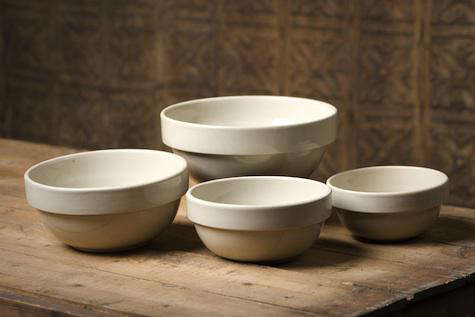
Americana General Stoneware has the kind of kitchen charm that makes a person suddenly want to bake biscuits, label pantry jars, and say things like “I found it at an estate sale” with mysterious authority. Warm, sturdy, rustic, and wonderfully unfussy, this style of pottery sits somewhere between practical tableware and collectible farmhouse décor. It is not flashy in the way fine china tries to be. It is more like the dependable friend who shows up with coffee, cornbread, and no judgment about your messy countertop.
For collectors, decorators, and everyday kitchen lovers, Americana General Stoneware is appealing because it captures a classic American utility look: earthy glazes, simple forms, mixing bowls, pitchers, mugs, crocks, small bowls, star marks, mustard tones, brown finishes, green accents, oyster whites, and a homespun personality that feels right at home beside cast iron, linen napkins, and a wooden cutting board. Many pieces seen on resale markets are described as vintage, USA-made, ovenware, stoneware, yellowware-inspired, or marked with the Americana General name and a star motif.
This guide explores what Americana General Stoneware is, why it has become popular among vintage-style collectors, how it compares with other ceramic dinnerware, how to identify useful pieces, and how to care for it without accidentally turning a charming bowl into a very sad archaeology project.
What Is Americana General Stoneware?
Americana General Stoneware refers to a line or style of rustic ceramic kitchenware and tableware commonly found in bowls, mugs, pitchers, batter bowls, crocks, nesting bowls, planters, and serving pieces. The available product references and vintage marketplace listings show a strong connection to American country kitchen design, especially the look of traditional yellowware and early utility pottery.
The term “stoneware” is important. In ceramics, stoneware is pottery fired at a high temperature until it becomes dense, hard, and typically nonporous. Compared with earthenware, stoneware is usually stronger and better suited for everyday kitchen use. Compared with porcelain, it tends to look thicker, heavier, warmer, and more casual. In other words, stoneware is the blue jeans of the dinnerware world: not delicate, not fussy, and usually ready for hard work.
Americana General pieces often lean into that hardworking personality. They are not usually about perfect symmetry or polished luxury. Their appeal comes from humble shapes, practical sizes, and glazes that feel handmade or old-fashioned. A small bowl might look like it belongs beside a pot of soup. A pitcher might seem ready for gravy, maple syrup, flowers, or lemonade. A batter bowl with a handle and spout looks like it was born to make pancakes on a Saturday morning.
The Design Style: Rustic, Simple, and Very American
The word “Americana” suggests a visual language rooted in early American homes, general stores, farm kitchens, and practical household goods. Americana General Stoneware fits that mood beautifully. Common colors associated with these pieces include mustard yellow, warm brown, black, green, beige, oyster white, and speckled finishes. These shades work especially well in farmhouse, cottage, primitive, colonial, and rustic-modern interiors.
Many pieces are modestly decorated. Some have stripes, star marks, spongeware-style speckles, arrow designs, or simple glazed interiors. Instead of complicated floral patterns or gold rims, the beauty is usually in the clay body, the glaze tone, and the shape. This is exactly why the pieces remain attractive even when a kitchen style changes. A plain brown mug can sit comfortably in a farmhouse kitchen, a cabin, a minimalist apartment, or a shelf full of vintage collectibles.
Common Americana General Stoneware Pieces
Collectors and sellers commonly describe Americana General Stoneware in several practical forms:
- Mixing bowls: Often the most recognizable and useful pieces, especially nesting bowls and yellowware-inspired forms.
- Batter bowls: Usually designed with a handle and pouring spout, ideal for pancake batter, cake mix, or sauces.
- Mugs: Heavy, rounded, and often finished in earthy brown or neutral glazes.
- Pitchers: Decorative and practical, suitable for serving liquids or holding flowers.
- Crocks and small bowls: Useful for condiments, dips, salt, snacks, or display.
- Planter-style bowls: Some pieces are used decoratively as small planters, though they may not have drainage holes.
- Plates and serving dishes: Less common than bowls but still found in collector listings.
Why Americana General Stoneware Appeals to Collectors
Americana General Stoneware has a collector-friendly combination of qualities: it is attractive, usable, nostalgic, and often affordable compared with rare antique ceramics. It gives people the look of old pantry pottery without always carrying the price tag of museum-level yellowware or early American stoneware.
Collectors enjoy the hunt. One week, you may find a small star-marked bowl. The next, a mustard batter bowl appears online looking like it has been waiting patiently since 1978 to help with cornbread. The variety keeps the category interesting. Because many pieces are sold individually through vintage shops, estate sales, online marketplaces, and antique booths, building a set can feel like assembling a puzzleexcept the puzzle can hold soup.
The star mark is another reason collectors pay attention. Some Americana General pieces are described as marked with a star in the center or with the Americana General name. Marks can help identify the piece, but buyers should still review photos carefully because vintage listings vary in accuracy. A mark, shape, glaze, and overall quality should all be considered together.
Americana General Stoneware and Yellowware Inspiration
One of the strongest design influences behind Americana General Stoneware is traditional yellowware. Yellowware is a type of earthenware known for its warm yellow or buff clay color. It became popular in American kitchens during the 19th and early 20th centuries because it was durable, affordable, and practical. Mixing bowls, pie plates, pitchers, and storage vessels were common household staples.
Americana General Stoneware borrows from that heritage visually. Mustard glazes, simple bands, rounded bowl shapes, and utilitarian forms all echo the yellowware tradition. However, not every Americana General piece is true antique yellowware. Many examples are better understood as vintage-inspired stoneware or ceramic pieces made in the spirit of old American kitchen pottery.
That distinction matters. Antique yellowware can raise safety concerns, especially when old glazes may contain lead. Newer stoneware pieces may be safer for regular use if they were manufactured for food contact, but buyers should still be cautious with any vintage or secondhand ceramic whose production date and glaze composition are unknown.
Stoneware vs. Earthenware vs. Porcelain
Understanding ceramic materials helps buyers make smarter decisions. Americana General pieces are commonly described as stoneware, but some listings may also use words such as pottery, earthenware, ovenware, or yellowware. These terms are not always used consistently by sellers, so it helps to know the basics.
Stoneware
Stoneware is fired at a high temperature, creating a dense and durable ceramic body. It is usually heavier than porcelain and less porous than earthenware. Good-quality stoneware is often suitable for everyday dishes, bowls, mugs, and bakeware, though specific care instructions depend on the maker and glaze.
Earthenware
Earthenware is fired at a lower temperature than stoneware. It can be beautiful and historically important, but it is generally more porous and may chip more easily. Antique yellowware is often classified as earthenware, which is why food safety and glaze condition deserve extra attention.
Porcelain
Porcelain is fired at high temperatures and is known for being strong, nonporous, and often thinner or more refined in appearance. It can look elegant and formal. Americana General Stoneware, by contrast, usually feels more rustic and grounded.
For everyday kitchens, stoneware hits a sweet spot: durable enough for regular use, attractive enough for open shelving, and warm enough that dinner does not feel like it was plated in a laboratory.
How to Identify Americana General Stoneware
Because Americana General Stoneware is most often encountered through resale platforms and vintage sellers, identification depends on careful observation. Here are the main details to check before buying.
1. Look for Markings
Some pieces are marked “Americana General,” sometimes with a star motif. The mark may appear on the bottom or center of the base. Clear photos of the mark are helpful. If the seller does not show the bottom, ask for an image before purchasing.
2. Study the Shape
Typical shapes include rounded bowls, nesting bowls, mugs, small crocks, batter bowls with spouts, and pitchers. The shapes tend to be sturdy and functional rather than delicate.
3. Check the Glaze
Common glazes include mustard yellow, brown, green, black, oyster, beige, and speckled finishes. Some pieces have stripes or spongeware-style decoration. Slight variations in glaze are part of the charm, but heavy crazing, flaking, or deep cracks should be treated cautiously.
4. Review Condition Carefully
Look for chips, cracks, staining, glaze pops, crazing, repairs, or rough rims. A tiny manufacturing imperfection may not matter for display, but a crack in a bowl used for food can trap moisture and bacteria. A repaired piece may be attractive on a shelf but should not be used for serving.
5. Compare Similar Listings
Since prices vary widely, compare several listings before buying. A common small bowl should not cost the same as a rare complete nesting set. Condition, size, color, mark, and rarity all influence value.
Is Americana General Stoneware Safe to Use?
The safest answer is: it depends on the specific piece. Many stoneware pieces are made for kitchen use, and some resale listings describe Americana General items as ovenproof, ovenware, or suitable for mixing and serving. However, because secondhand pieces may be older and manufacturer documentation is not always available, buyers should be practical and cautious.
If a piece is clearly marked for food use and is in excellent condition, it may be suitable for serving. If it is cracked, crazed, heavily worn, or has an unknown glaze, consider using it for display only. This is especially important for acidic foods such as tomato sauce, citrus, vinegar-based dressings, and pickled foods, which can interact more aggressively with certain glazes.
Vintage ceramicware can sometimes contain lead or cadmium in glazes, especially older, brightly colored, imported, handmade, or decorative pieces. The risk is not something to panic about, but it is something to respect. When in doubt, use questionable vintage ceramics for dry goods, wrapped foods, decorative storage, or display rather than long-term food storage.
Care Tips for Americana General Stoneware
Stoneware may be sturdy, but it is not invincible. Treat it well and it can last for years. Treat it badly and it may reward you with a dramatic crack right when guests arrive. Pottery has a flair for timing.
Wash Gently
Hand washing is the safest method, especially for older or collectible pieces. Use warm water, mild dish soap, and a soft sponge. Avoid steel wool or harsh abrasives, which can scratch the glaze.
Avoid Thermal Shock
Do not move stoneware directly from refrigerator to hot oven or from oven to cold countertop. Sudden temperature changes can cause cracking. Let pieces warm or cool gradually.
Use Dishwasher Caution
Modern stoneware is often dishwasher safe, but vintage pieces may be better washed by hand. Dishwashers can expose ceramics to high heat, strong detergents, and bumping against other dishes.
Be Careful in the Microwave
If a piece is not marked microwave safe, test carefully or avoid microwaving it. Some glazes or clay bodies may heat unevenly. If a mug becomes hotter than the liquid inside, that is your cue to retire it from microwave duty.
Store with Padding
When stacking bowls or plates, place a soft cloth, paper towel, or felt pad between pieces. This helps prevent scratches and rim chips.
Decorating with Americana General Stoneware
Americana General Stoneware is wonderfully easy to style. It does not demand a perfect room. In fact, it looks best when the room feels lived in. Try placing a mustard bowl on open shelving with ironstone plates, wooden spoons, and a linen runner. Use a brown pitcher for fresh herbs. Group small crocks on a kitchen windowsill. Stack green and oyster bowls beside cookbooks for a calm, country-inspired display.
For a modern farmhouse look, mix Americana General Stoneware with matte black hardware, butcher-block counters, woven baskets, and white walls. For a primitive or colonial style, pair it with pewter, checked textiles, beeswax candles, and dark wood. For cottage décor, add dried flowers, enamelware, and soft blue or cream accents.
The best part is that these pieces do not need to match perfectly. A collected-over-time look is part of the appeal. A small green bowl, a brown mug, and a mustard pitcher can look more interesting together than a factory-perfect set. Matching is nice. Character is better.
Buying Tips: What to Look for Before You Click “Add to Cart”
Buying Americana General Stoneware online can be rewarding, but photos matter. Always inspect images closely. Check the rim, base, handle, interior, and glaze. Read the description for measurements because small bowls can look larger in photos than they are. A “mixing bowl” that is four inches wide may be charming, but it will not help much with bread dough unless you are baking for a hamster.
Ask sellers whether the piece has chips, cracks, crazing, repairs, or odors. For pitchers and mugs, request photos of the inside. For bowls, ask about wobbling if the base looks uneven. If the piece is described as ovenproof or food safe, remember that this may be based on the seller’s interpretation rather than original manufacturer documentation.
For collectors, condition and markings are important. For decorators, color and shape may matter more. For cooks, safety and durability should come first. Decide your purpose before buying. A display piece can have a small flaw and still be lovely. A daily-use soup bowl should be cleaner, stronger, and more trustworthy.
Value and Collectibility
Americana General Stoneware is generally accessible compared with highly prized antique pottery, but prices vary by piece. Small bowls and mugs may be affordable, while complete sets, uncommon colors, large pitchers, or marked pieces in excellent condition can cost more. Resale prices are influenced by demand, rarity, shipping cost, and how well the seller presents the item.
Collectors often value pieces that are clearly marked, free of chips and cracks, and visually distinctive. Mustard yellow and brown pieces tend to appeal to yellowware and farmhouse collectors. Green, black, and oyster pieces may attract buyers looking for a more neutral or modern rustic palette. Sets are harder to assemble and may command higher prices than single pieces.
That said, the best reason to buy Americana General Stoneware is because you like it. Ceramic collecting is more enjoyable when it is guided by taste, not just speculation. Buy the bowl that makes your kitchen happier. If it also becomes more valuable later, congratulationsyou have achieved adulting with style.
Experience Section: Living with Americana General Stoneware
The real pleasure of Americana General Stoneware is not only in collecting it but in living with it. A good stoneware bowl changes the rhythm of a kitchen. It has weight. It has presence. It does not slide around the counter like a nervous plastic mixing bowl. When you whisk eggs in it, it stays put. When you fill it with apples, it looks intentional. When you leave it empty on a shelf, it still seems to be doing something useful.
One of the best experiences with Americana General-style pieces is using them in everyday routines. A small crock can hold flaky salt beside the stove. A mustard bowl can become the official home of lemons, garlic, or late-night popcorn. A brown mug can turn morning coffee into something that feels slightly more honest, as if the coffee was brewed in a cabin even when it came from a single-serve machine in a very ordinary kitchen.
These pieces also make entertaining feel warmer. Instead of serving dip in a shiny store-bought bowl that looks like it came from aisle seven in a hurry, a vintage-style stoneware bowl adds personality. Put whipped butter in a small crock, cornbread in a larger bowl lined with a napkin, and flowers in a pitcher. Suddenly the table feels relaxed, layered, and welcoming. Nobody needs to know that you were still vacuuming ten minutes before they arrived.
Americana General Stoneware is also satisfying for seasonal decorating. In autumn, mustard and brown pieces look beautiful with pumpkins, dried wheat, and copper accents. In winter, green and oyster bowls work well with pine branches, candles, and simple white dishes. In spring, a pitcher can hold tulips or herbs. In summer, a speckled bowl filled with peaches or tomatoes looks like a tiny tribute to farmers markets and good decisions.
For collectors, the experience often becomes a treasure hunt. You start with one bowl because it is cute. Then you notice a matching mug. Then a pitcher. Then you begin recognizing the shape before you even see the mark. This is the dangerous phase, known medically as “I can stop whenever I want.” The thrill is not only in owning the pieces but in discovering them: at antique malls, yard sales, online shops, flea markets, or tucked into a dusty corner where someone else saw “old bowl” and you saw “kitchen destiny.”
The practical side matters too. Because many pieces are sturdy, they can be incorporated into daily life rather than locked away. However, the smartest approach is to assign roles. Use excellent-condition, food-safe pieces for serving dry snacks, fruit, rolls, or wrapped treats. Reserve uncertain vintage pieces for decoration. A beautiful bowl holding pinecones, recipe cards, onions, or cloth napkins still earns its keep. Not everything has to hold soup to be useful.
Another enjoyable experience is mixing Americana General Stoneware with other tableware. It pairs well with plain white plates, old silverware, wooden boards, linen towels, ironstone, enamelware, and even modern matte dinnerware. The contrast makes the table feel collected rather than purchased all at once. That collected look is one of the secrets of good home styling. It tells a story. It says, “This kitchen has history,” even if the most dramatic historical event so far was burning toast last Tuesday.
Owning Americana General Stoneware also encourages slower appreciation. In a world of fast décor and disposable kitchen goods, stoneware feels grounded. It asks you to notice texture, weight, color, glaze, and form. It reminds you that useful objects can be beautiful without shouting. Whether you display one star-marked bowl or build a full shelf of pitchers, crocks, and mugs, the experience is the same: simple things can make a home feel richer.
Conclusion
Americana General Stoneware is a charming category of rustic kitchen pottery that blends practical stoneware durability with the warmth of American country design. Its appeal lies in simple forms, earthy colors, yellowware inspiration, star-marked details, and a style that works equally well for collecting, decorating, and careful everyday use. Whether you are hunting for a mustard batter bowl, a brown mug, a green serving bowl, or a tiny crock with farmhouse personality, these pieces offer character without trying too hard.
The key is to buy thoughtfully. Check marks, condition, glaze quality, measurements, and seller descriptions. Use caution with vintage ceramics when food safety is uncertain. Style the pieces freely, enjoy the hunt, and remember that the best stoneware does more than sit on a shelfit makes a kitchen feel lived in, loved, and just a little more delicious.
Note: This article is written from synthesized research on Americana General Stoneware listings, vintage pottery descriptions, stoneware material references, yellowware history, ceramic safety guidance, and practical dinnerware care recommendations.














