
Note: This article synthesizes practical backyard poultry guidance from U.S. extension, public health, and biosecurity resources while keeping source links out of the publishable HTML as requested.
A Golden Spiral Chicken Coop sounds like something a chicken might demand after watching too much HGTV: “I want natural light, predator protection, and a mathematically elegant run, preferably before breakfast.” But behind the fancy name is a genuinely useful idea. A golden spiral-inspired coop uses the visual logic of the golden ratiobalanced proportions, flowing curves, and efficient zonesto create a backyard chicken setup that is beautiful, practical, and easier to manage.
This does not mean your hens will suddenly appreciate Renaissance geometry. Chickens are charming, productive, and occasionally dramatic creatures, but they are not known for complimenting architectural symmetry. What they will appreciate is a coop that stays dry, breathes well, protects them from predators, gives them clean nesting areas, and lets them move naturally from sleep to food to dust bath to run without chaos. That is where the golden spiral concept becomes more than a pretty curve.
In this guide, we will explore what a Golden Spiral Chicken Coop is, how to design one, what materials to use, how to keep it safe and sanitary, and why thoughtful layout can make backyard chicken keeping feel less like barnyard wrestling and more like a peaceful little farm system.
What Is a Golden Spiral Chicken Coop?
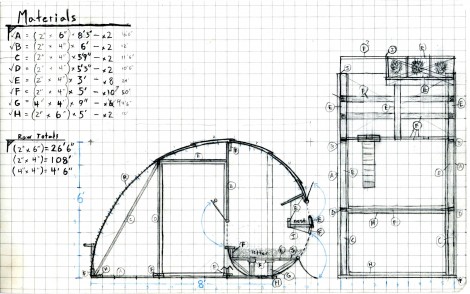
A Golden Spiral Chicken Coop is a chicken coop and run layout inspired by the golden spiral, a curve associated with the golden ratio. In design, the golden spiral is often used as a guide for arranging spaces in a way that feels natural and balanced. In a chicken coop, the idea is not to build a math museum for poultry. It is to use spiral planning to organize the coop into smart, connected zones.
Think of the layout like a gentle flow. At the center, you may place the secure sleeping coop. Around it, the design expands into nesting access, feeding space, a covered run, a dust bath corner, compost access, and perhaps a garden border. Instead of a plain rectangular box dropped into the yard like a wooden appliance, the golden spiral design creates movement and purpose.
The Basic Concept
The center of the spiral is the safest part of the design: the nighttime shelter. This is where hens roost, stay protected from weather, and avoid becoming a midnight snack for raccoons, foxes, skunks, dogs, or any other local villain with paws and ambition.
As the spiral expands outward, each section serves a function. The next area may include nesting boxes for easy egg collection. Then comes the feeding and watering zone. Beyond that, the run gives birds room to scratch, forage, flap, gossip, and hold very serious meetings about bugs. The outer edge may include herbs, a compost area, rain protection, or landscaping that helps the coop blend into the backyard.
Why Use a Golden Spiral Design for a Chicken Coop?
Most chicken coops are designed from the builder’s point of view: four walls, a roof, a door, done. A golden spiral-inspired coop looks at the space from three points of view: the chickens, the keeper, and the backyard itself.
It Improves Flow
Good coop design makes daily chores simple. You should be able to collect eggs, refill water, add feed, clean bedding, and check the birds without crawling through mud or performing yoga under a roost bar. A spiral layout can place the most frequently used features near the access path, while giving chickens a larger run that expands naturally around the coop.
It Makes Small Spaces Work Harder
Backyard chicken keepers often work with limited space. A golden spiral plan can help divide a compact yard into zones without making it feel cramped. Curved paths and angled panels soften the look, while still allowing practical construction with straight boards, hardware cloth, and modular sections.
It Looks Better in the Landscape
Let us be honest: some chicken coops look like a shipping crate had a disagreement with a shed. A Golden Spiral Chicken Coop can become a garden feature. With thoughtful planting, a curved run, attractive roofing, and natural materials, the coop can feel intentional rather than accidental.
Key Design Principles for a Golden Spiral Chicken Coop
The golden spiral gives the design its personality, but healthy poultry housing depends on proven basics. Beauty is wonderful, but a gorgeous coop with poor ventilation is just a boutique ammonia box. The best design combines form and function.
1. Start With Enough Space
A good rule for many backyard flocks is to provide generous indoor coop space and even more outdoor run space. Many keepers plan around at least 3 to 4 square feet of indoor coop space per standard-size hen and about 10 square feet or more per bird in the run. More space is usually better, especially if the birds will spend long periods enclosed.
For example, a flock of six hens would do well with a coop around 24 square feet or larger, such as a 4-by-6-foot structure, plus a run of at least 60 square feet. In a golden spiral layout, that run does not need to be a boring rectangle. It can curve around the coop, widen into a dust bath area, and narrow near the access gate for easier management.
2. Place the Coop at the Center of Safety
The center of the spiral should be the strongest and most secure part of the system. This is the nighttime shelter, so it needs solid framing, a dry roof, secure doors, predator-resistant mesh, and latches that cannot be opened by clever raccoons. Raccoons have tiny hands and suspicious hobbies. Do not underestimate them.
Use half-inch hardware cloth rather than lightweight chicken wire for predator protection. Chicken wire can keep chickens in, but it is often too weak to keep predators out. Hardware cloth should cover windows, vents, and run openings. Around the base, use a buried barrier or an outward-facing apron to discourage digging animals.
3. Design for Ventilation Without Drafts
Chickens need fresh air in every season. Ventilation removes moisture, ammonia, carbon dioxide, and heat. A sealed coop may feel cozy to humans, but to chickens it can become damp and unhealthy. The trick is to add ventilation high above roost level so stale air can escape without cold air blowing directly across sleeping birds.
In a Golden Spiral Chicken Coop, vents can be placed along the upper wall of the central coop and protected with hardware cloth. Roof overhangs help keep rain from entering vents. If the coop has windows, they should open for summer airflow and close securely during storms or cold snaps.
4. Keep Nesting Boxes Quiet and Accessible
Nesting boxes should be placed in a darker, calmer area away from the roosts. A common setup is one 12-by-12-inch nesting box for every three to four hens. Add a small lip to keep bedding inside, and use clean, dry nesting material to help keep eggs cleaner.
For the keeper, exterior egg access is a luxury that quickly becomes a necessity. In the golden spiral layout, place nest boxes on the side of the coop closest to your daily path. That way, egg collection is easy, even when the weather is doing its best impression of soup.
5. Put Roosts Where Chickens Actually Want to Sleep
Chickens naturally prefer to sleep off the ground. Provide sturdy roost bars with enough room for each bird. Keep roosts higher than the nesting boxes so hens are not tempted to sleep where they lay eggs. That one design decision can prevent dirty eggs and reduce cleaning headaches.
Place droppings boards or cleanable bedding below the roosting area. This makes maintenance faster because most nighttime manure lands in one predictable place. Chickens may be chaotic during the day, but at night they are surprisingly punctual manure machines.
How to Lay Out a Golden Spiral Chicken Coop
You do not need advanced geometry software to create a golden spiral-inspired coop. You can sketch it with graph paper, a tape measure, and a willingness to erase things. Start with a rectangle or square representing your available yard space. Then mark the coop as the center point and build zones outward.
Zone 1: The Secure Sleeping Coop
This is the core. It includes roosts, ventilation, bedding, and predator-proof doors. It should be raised slightly or built on a dry foundation to prevent moisture problems. A raised coop also creates shaded space underneath, which chickens often enjoy during hot weather.
Zone 2: Nesting and Keeper Access
The next section should support human convenience. Include exterior nest-box doors, feed storage nearby, and a clear path for cleaning. If you need to carry water in winter or bedding in summer, you will appreciate every inch of smart access.
Zone 3: Feeding and Watering Area
Place feeders and waterers where they stay dry and are easy to refill. Keep feed in rodent-resistant containers. Spilled feed attracts mice, rats, and other unwanted guests. In the spiral plan, this zone can sit just outside the coop door, covered by a roof extension.
Zone 4: The Covered Run
The run is where chickens scratch, stretch, dust bathe, and demonstrate that a leaf can be suspicious. A curved or segmented run can follow the golden spiral shape. Cover the top if hawks or climbing predators are a concern. Add shade, wind protection, and dry footing.
Zone 5: Garden Integration
The outer spiral can connect to compost bins, raised beds, or pollinator-friendly plantings. Herbs like rosemary, lavender, mint, and oregano can be planted outside the run where chickens cannot destroy them in seven enthusiastic minutes. The coop can become part of a backyard ecosystem rather than a standalone structure.
Best Materials for a Golden Spiral Chicken Coop
The best materials are durable, safe, easy to clean, and appropriate for your climate. A beautiful coop that rots in two rainy seasons is not a design triumph. It is a lesson with hinges.
Framing and Walls
Use rot-resistant lumber or properly sealed wood. Plywood walls should be protected with exterior paint or stain. Smooth interior surfaces are easier to clean than rough, splintery boards. Avoid materials treated with chemicals that may be unsafe for birds.
Roofing
A sloped roof sheds rain and snow better than a flat roof. Metal roofing is durable and works well with generous overhangs. Asphalt shingles can also work, especially if the coop is built like a small shed. In hot climates, consider shade, reflective roofing, and extra ventilation.
Wire and Fasteners
Use half-inch hardware cloth for vents, windows, and the run. Secure it with screws and washers rather than flimsy staples alone. Predators test weak points. Your coop should respond with the architectural equivalent of “absolutely not.”
Flooring and Bedding
Floors can be wood, concrete, packed earth, or wire depending on the design, but they must stay dry and cleanable. Many backyard keepers use pine shavings, straw, hemp bedding, sand, or deep litter systems. The right choice depends on climate, drainage, flock size, and your cleaning style.
Predator Protection: The Non-Negotiable Part
A Golden Spiral Chicken Coop can be charming, but it must also be a fortress. Common backyard predators include raccoons, foxes, coyotes, snakes, hawks, owls, skunks, opossums, rats, neighborhood dogs, and sometimes the family cat with delusions of grandeur.
Predator protection starts at the ground. Install a hardware cloth apron extending outward from the base of the coop and run, or bury wire fencing down into the soil. Secure doors with two-step latches or carabiners. Cover run openings. Check corners, gaps, rooflines, and vents. If a predator can fit its head through, reach through, dig under, or pry open a loose panel, it may try.
Do not rely on chicken wire for serious protection. It is useful for keeping chickens in a garden zone, but it is not strong enough for many predator situations. Hardware cloth costs more, but replacing a flock costs more than that emotionally and financially.
Health, Cleanliness, and Biosecurity
A smart coop design also protects people. Backyard poultry can carry germs even when birds look healthy. Wash hands after touching chickens, eggs, bedding, feeders, waterers, or anything in the coop area. Keep a handwashing station or sanitizer near the coop if possible. Do not kiss chickens, no matter how fluffy they look. This is not a romance novel. It is poultry management.
Clean the coop regularly, keep bedding dry, and remove wet or heavily soiled material. Dirty nesting boxes lead to dirty eggs. Damp bedding can increase odor and create unhealthy air. Feed should be stored securely to discourage rodents and wild birds.
Biosecurity matters even for small backyard flocks. Use dedicated coop shoes or boots, limit unnecessary visitors, quarantine new birds before adding them to the flock, and avoid sharing equipment with other poultry owners unless it has been cleaned and disinfected. These habits help reduce the risk of bringing disease into your flock.
Golden Spiral Chicken Coop Example for Six Hens
Here is a practical example. Imagine a backyard corner measuring about 14 by 18 feet. The central coop is 4 by 6 feet, raised 18 inches off the ground. The exterior nest boxes face the house path, so eggs can be collected quickly. A covered feeding area sits just outside the pop door. From there, the run curves outward in three segments, widening into a dust bath area and ending near a compost bin.
The run is framed with wood panels and covered in hardware cloth. The roof covers the first half of the run, while the outer half has shade cloth in summer and windbreak panels in winter. Around the outside, herbs and native flowers soften the structure. The result is not a perfect mathematical golden spiral, but it uses the same principle: the space grows outward in a balanced, useful pattern.
This design gives the hens protected sleep, clean nesting, dry feeding, outdoor activity, and shade. It gives the keeper easy access to eggs, water, bedding, and cleaning points. It gives the yard something that looks intentional instead of “we built this at midnight after buying chicks too soon.”
Common Mistakes to Avoid
Building Too Small
Chicks are tiny. Adult hens are not. Build for the full-grown flock, not the adorable fluffballs currently living in a brooder.
Ignoring Drainage
A coop placed in a low, wet area will become muddy, smelly, and difficult to manage. Choose high ground or improve drainage before building.
Forgetting Human Access
If you cannot stand, reach, rake, or open panels comfortably, cleaning becomes a dreaded chore. Design doors and access points for actual humans, not mythical flexible farmers.
Using Weak Latches
Simple hook latches may not stop raccoons. Use secure latches, locks, or carabiners on doors and nest boxes.
Skipping Local Rules
Before building, check local ordinances, homeowner association rules, setback requirements, flock limits, and rooster restrictions. Many areas allow hens but ban roosters. Your neighbors may forgive clucking. They may not forgive a 4:48 a.m. feathered trumpet solo.
Experience Section: Living With a Golden Spiral Chicken Coop
The real test of a Golden Spiral Chicken Coop is not how good it looks on day one. Fresh paint, clean bedding, and proud photos are easy. The real test comes three months later, when it rains for two days, the hens have rearranged the bedding like tiny interior designers, and you need to collect eggs while holding a coffee cup and wearing shoes you should not have worn outside.
In practice, the spiral layout shines because it respects routine. The best experience comes from placing daily chores along one natural path. You walk from the house to the nest-box side first, collect eggs, glance through a window to check the roost area, refill water under the covered section, and then step into the run only when necessary. That sounds simple, but simple is the secret sauce of good chicken keeping. If every chore requires opening three gates and ducking under wet wire, enthusiasm fades fast.
A spiral-inspired run also gives chickens more interesting space. Birds like edges, corners, shade patches, perches, loose soil, and places to investigate. A long empty rectangle works, but it can feel bare unless you add enrichment. A curved or segmented run naturally creates activity pockets. One section can hold a dust bath filled with dry soil and sand. Another can hold a stump or branch perch. A covered corner can protect feed from rain. The hens move through these spaces throughout the day, scratching and exploring instead of crowding one doorway like shoppers before a holiday sale.
The design can also make cleaning less unpleasant. When the coop core is compact and the access door is placed on the keeper’s side of the spiral, bedding changes are faster. A removable droppings board under the roost can be scraped regularly, which keeps odor down. Nest boxes near the access path are easier to refresh with clean shavings. The run can be managed in sections, adding mulch or wood chips where chickens scratch the most.
One lesson becomes clear quickly: chickens do not care how expensive the coop is, but they respond well to comfort. Dry footing matters. Shade matters. Clean water matters. Airflow matters. Predator security matters most of all. Decorative curves and golden-ratio proportions are only valuable when they support those basics.
The other experience is emotional. A well-designed coop changes how the backyard feels. Instead of hiding the chicken area behind the garage, the Golden Spiral Chicken Coop can become a small living feature. You notice the hens moving through the run in the morning light. You see the garden wrapping around the outer edge. You collect eggs without stepping into a mud pit. It feels less like managing livestock and more like participating in a small, productive rhythm. The chickens still make a mess, of course. They are chickens, not monks. But the right design turns that mess into something manageable, charming, and sometimes even relaxing.
Conclusion
A Golden Spiral Chicken Coop is more than a stylish backyard idea. It is a design approach that blends beauty, movement, poultry health, and daily convenience. By placing the secure coop at the center and expanding outward into nesting, feeding, run space, dust bathing, composting, and garden integration, you create a system that works for both chickens and humans.
The golden spiral does not replace the fundamentals. Your coop still needs ventilation, dry bedding, secure latches, predator-proof hardware cloth, enough space, clean nesting boxes, and smart sanitation. But when those basics are arranged with thoughtful flow, the result feels easier to use and better suited to the yard.
For backyard chicken keepers who want fresh eggs, healthier hens, and a coop that does not look like it was assembled during a thunderstorm with leftover fence boards, the Golden Spiral Chicken Coop offers a smart and memorable path. It is practical poultry housing with a little design poetry. The hens may never thank you, but they may reward you with eggs, soft clucks, and the occasional judgmental stare. In chicken language, that is basically a standing ovation.














