
Hiring a pet sitter sounds simple until you realize there are about twelve tiny decisions hiding behind the phrase “Can you feed Mr. Pickles while I’m gone?” How much should you pay? Do you tip? Should you pay before or after the visit? What if your dog needs medication, your cat needs emotional counseling, and your parrot screams “Who’s there?” at 3 a.m.?
The good news: paying a pet sitter does not have to feel like negotiating an international trade agreement. With a little planning, you can set a fair rate, avoid awkward money conversations, and make sure your pet sitter feels appreciated enough to come back next time. That last part matters. A great sitter is worth their weight in lint rollers.
This guide breaks down how to pay a pet sitter in 6 steps, including how to compare local pet sitting rates, calculate add-on fees, choose a payment method, handle deposits, tip fairly, and keep useful records. Whether you are booking a professional pet sitter, a neighbor, a family friend, or someone through a pet care app, these steps will help you pay confidently and kindly.
Step 1: Know What Kind of Pet Sitting You Need
Before you can decide how much to pay a pet sitter, define the job clearly. Pet sitting is not one-size-fits-all. A 20-minute cat drop-in is very different from a 10-hour overnight stay with two senior dogs, one anxious rescue pup, and a goldfish whose instructions are somehow three paragraphs long.
Common pet sitting services
Most pet sitting jobs fall into a few categories:
- Drop-in visits: The sitter stops by your home to feed pets, refresh water, scoop litter, give medication, or provide playtime.
- Dog walking: The sitter walks your dog for a set amount of time, often 20, 30, or 60 minutes.
- Daytime pet sitting: The sitter stays with your pet for several hours during the day.
- Overnight pet sitting: The sitter sleeps at your home or hosts your pet overnight.
- House sitting with pet care: The sitter cares for pets while also handling light home tasks like bringing in mail, watering plants, or taking trash bins out.
- Specialized care: This may include medication, injections, senior pet care, puppy care, post-surgery monitoring, or support for reactive pets.
The more responsibility involved, the higher the pay should be. A sitter who simply drops kibble into a bowl once a day will charge less than someone managing medications, leash reactivity, feeding schedules, security alarms, and a dog who believes thunder is a personal attack.
Create a simple care list
Write down exactly what you expect before discussing pay. Include the number of pets, visit length, feeding routine, walking needs, medication schedule, litter or yard cleanup, home tasks, emergency contacts, and whether the sitter must stay overnight. Clear expectations protect both sides. They also prevent the dreaded “Oh, I forgot to mention…” text after you are already at the airport.
Step 2: Research Local Pet Sitting Rates
Pet sitting rates vary widely across the United States. Location is one of the biggest factors. A pet sitter in New York City, Los Angeles, San Diego, Chicago, or Denver may charge more than a sitter in a smaller town because the cost of living, transportation, parking, and demand are higher.
As a general U.S. market guide, many pet sitters charge by visit, by hour, by day, or by night. Drop-in visits commonly range from about $20 to $40 per visit, depending on length and location. A short visit may cost less, while a 45- or 60-minute visit usually costs more. Dog walking is often priced similarly, especially when the walk includes feeding, water refills, and updates.
For overnight pet sitting, many sitters charge a flat nightly rate. Depending on the city, sitter experience, number of pets, and level of care, overnight rates may range from around $50 to $150 or more per night. Some platforms and professional services show even higher totals for exclusive overnight care, especially during holidays or high-demand travel seasons.
What affects the price?
Several factors can raise or lower the final cost:
- Number of pets: More pets usually mean more time, more cleanup, and more responsibility.
- Visit length: A 15-minute visit should not cost the same as a 60-minute visit.
- Special needs: Medication, mobility support, anxiety care, or puppy care may increase the rate.
- Travel distance: Sitters may charge extra if your home is far from their normal service area.
- Holiday bookings: Thanksgiving, Christmas, New Year’s, spring break, and summer weekends often cost more.
- Experience and credentials: Insured, bonded, certified, or highly reviewed sitters may charge premium rates.
- Platform fees: Booking through an app may include service fees or commissions that affect the total price.
Compare apples to apples
When comparing pet sitter rates, do not look at price alone. Compare what is included. One sitter may charge $25 for a 20-minute visit with no extras. Another may charge $35 for a 30-minute visit, photo updates, mail pickup, plant watering, and medication. The cheaper option is not always the better deal. Sometimes the better deal is the person who remembers that your cat only drinks from “the special cup,” because cats are tiny royalty in fur coats.
Step 3: Agree on the Total Before the Job Starts
The best time to talk about money is before the pet sitting begins. Not halfway through your trip. Not after the sitter has already cleaned up a surprise “gift” on the rug. Before.
Ask for a written estimate or invoice that includes the service dates, number of visits, visit length, overnight rate, extra pet fees, medication fees, holiday surcharges, travel charges, and any cancellation policy. If you are hiring a professional pet sitter, they may already have a standard contract or service agreement. If you are hiring a neighbor or friend, you can still write a simple agreement by text or email.
Example pet sitter payment calculation
Here is a simple example:
- Two cats
- One 30-minute visit per day
- Five days of care
- $28 per visit
- $5 extra per visit for medication
The total would be:
($28 + $5) x 5 visits = $165
If you want to tip 15%, you would add:
$165 x 0.15 = $24.75
Your total with tip would be about $190.
Ask about deposits
Some pet sitters require a deposit, especially for holidays, long trips, or first-time clients. A common arrangement is paying part of the total upfront and the rest before or after the final visit. Deposits help reserve the sitter’s time. This is reasonable, especially during busy seasons when sitters may turn down other clients to care for your pets.
Also ask about cancellation fees. If you cancel two weeks in advance, there may be no penalty. If you cancel the night before Thanksgiving travel, your sitter may charge a fee because they likely blocked off their schedule. Fairness goes both ways: your pet deserves reliable care, and your sitter deserves a reliable income.
Step 4: Choose a Safe and Convenient Payment Method
Once the total is clear, decide how to pay. The best payment method is one that is easy, traceable, and agreed upon by both you and the sitter.
Common ways to pay a pet sitter
- Pet care apps: Platforms may let you book and pay directly through the app. This can provide convenience, payment records, and customer support.
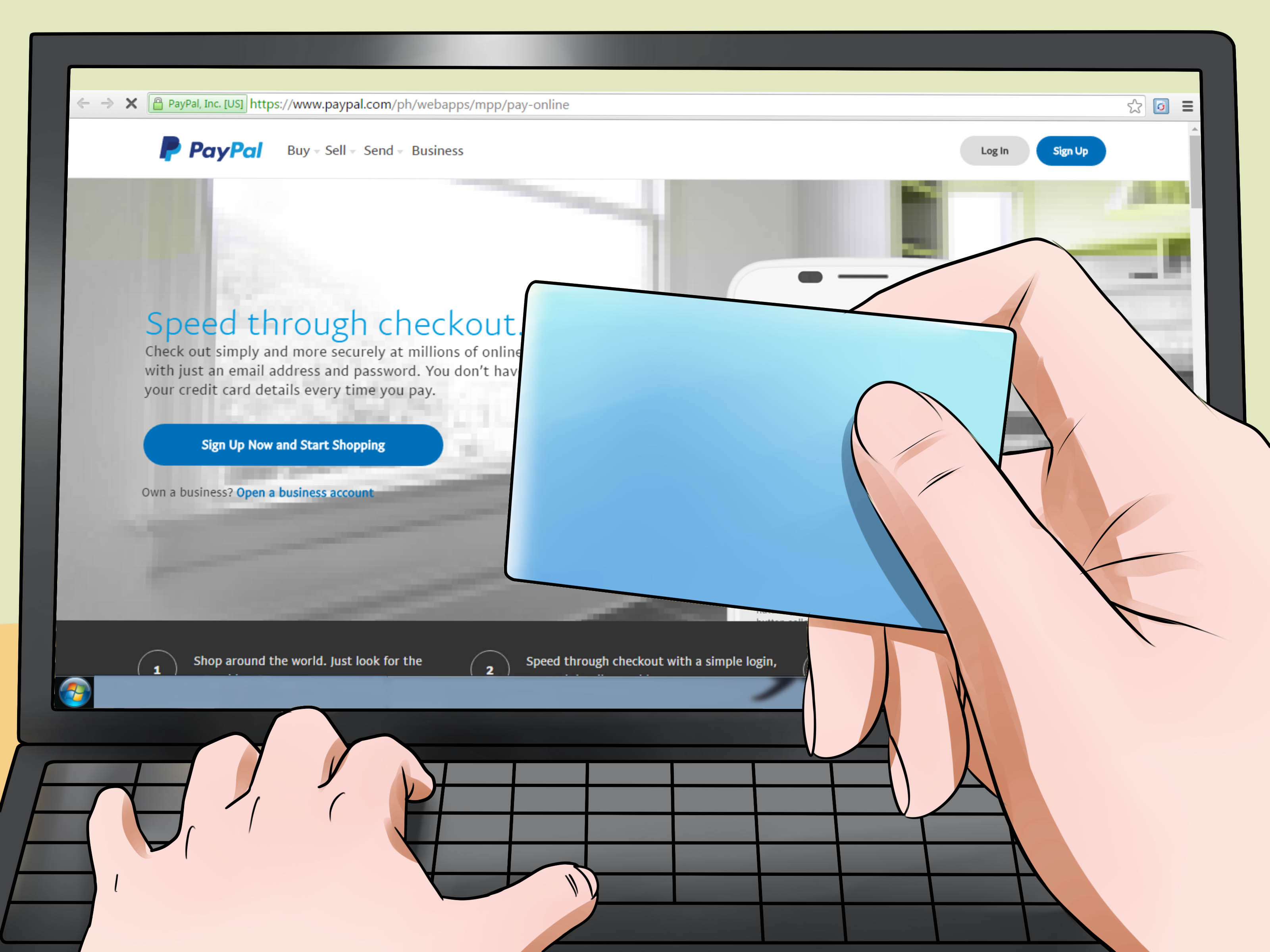
- Digital payment apps: Venmo, PayPal, Cash App, or Zelle may be used by independent sitters, depending on their preference.
- Credit or debit card: Professional pet sitting companies may accept card payments through invoices or booking software.
- Check: Some sitters still accept checks, especially for recurring clients.
- Cash: Cash is simple, but it is best to use a receipt or written confirmation so both sides have a record.
Digital payments are popular because they create a record and reduce the “Did I already pay you?” panic. If you pay cash, ask the sitter to confirm by text or provide a receipt. It does not need to be fancy. A simple “Received $180 for pet sitting from June 10-15” works.
When should you pay?
Payment timing depends on the arrangement. Many professional sitters require payment before the first visit. Others accept a deposit upfront and the balance at the end. For casual arrangements with friends or neighbors, paying at the end may be acceptable, but discuss it first.
For long trips, consider paying in stages. For example, you might pay 50% before leaving and 50% halfway through or after the final visit. This keeps things fair and avoids making the sitter wait too long for payment. Remember, they are not just “checking in.” They are keeping your pet safe, your home monitored, and your vacation from turning into a guilt parade.
Step 5: Add Tips, Bonuses, and Reimbursements When Appropriate
Tipping a pet sitter is not always required, but it is often appreciated. A good sitter does more than refill bowls. They notice changes in appetite, send updates, clean unexpected messes, comfort nervous pets, and sometimes perform Olympic-level leash untangling in the rain.
How much should you tip a pet sitter?
A common tipping range is 10% to 20% of the total fee. You might tip more for excellent care, last-minute availability, holiday service, complicated instructions, or a sitter who handled an unexpected problem calmly. For a long booking, a flat bonus may be easier than a percentage. For example, you might add $25, $50, or $100 depending on the length and difficulty of the job.
Tips are especially thoughtful when the sitter:
- Accepted a last-minute booking
- Cared for pets during a major holiday
- Handled medication or special needs
- Cleaned up accidents or messes
- Stayed longer than planned
- Sent detailed updates, photos, or videos
- Helped during bad weather or a travel delay
Reimburse extra expenses quickly
If your sitter buys pet food, litter, medication, cleaning supplies, or emergency items, reimburse them promptly. Ideally, leave supplies stocked before you go. But life happens. Dogs eat things they should not. Cats reject food they liked yesterday because apparently the moon is in the wrong emotional phase.
Set rules for emergency spending in advance. For example, authorize the sitter to spend up to $500 at your vet or emergency clinic if they cannot reach you. Leave your veterinarian’s contact information, your preferred emergency hospital, your pet insurance details if applicable, and a credit card authorization if your vet accepts one. Do not expect a sitter to cover large emergency bills out of pocket.
Step 6: Keep Records and Build a Long-Term Relationship
After the job is complete, confirm the final payment, send the tip if you plan to give one, and thank the sitter. Then keep a simple record of the booking. Save the invoice, payment confirmation, care notes, and any updates that may be useful later. If you use the same sitter again, this makes future bookings easier.
Why records matter
Payment records protect both you and the sitter. They help clarify what was paid, when it was paid, and what services were included. They may also matter for tax purposes, especially if you hire pet sitters regularly for business travel or if the sitter operates as an independent contractor.
Most pet owners hiring a sitter occasionally do not need to overcomplicate tax paperwork. However, if you hire someone directly and regularly, especially for household work, it is wise to understand the difference between an independent contractor and a household employee. Professional pet sitters generally operate as independent businesses, set their own rates, use their own tools, and serve multiple clients. A regular worker you control closely may raise different tax questions. When in doubt, ask a tax professional rather than trying to decode the IRS while packing sunscreen.
Reward reliability
If your sitter did a great job, leave a review, refer them to friends, and book early next time. Good pet sitters are busy because good pet sitters are rare. They know how to read animal behavior, respect your home, follow instructions, and stay calm when the dog discovers mud five minutes before bedtime.
Paying fairly is not only about money. It is about trust. When a sitter feels respected, they are more likely to prioritize your booking, remember your pet’s quirks, and provide consistent care. That is priceless when you are away from home and want your pet to feel safe, loved, and only mildly dramatic.
How Much Should You Pay a Pet Sitter? Quick Reference Guide
Use this chart as a starting point. Always adjust for your city, your pet’s needs, and the sitter’s experience.
| Service Type | Typical U.S. Range | Best For |
|---|---|---|
| 15-20 minute drop-in | $15-$30 per visit | Quick feeding, water refill, litter scoop |
| 30-minute drop-in | $20-$40 per visit | Cats, small pets, short dog potty break |
| 60-minute visit | $35-$60+ per visit | Walk, feeding, playtime, medication |
| Dog walking | $20-$40 per walk | Exercise, potty breaks, high-energy dogs |
| Overnight pet sitting | $50-$150+ per night | Pets needing companionship or supervision |
| Holiday care | Base rate plus 10%-50% or flat surcharge | Major travel dates and peak seasons |
| Special needs care | Base rate plus extra fee | Medication, injections, senior pets, puppies |
Common Mistakes to Avoid When Paying a Pet Sitter
Waiting until the last minute to discuss pay
Money conversations are easier before the job starts. If you wait until the sitter is already working, misunderstandings can happen quickly. Confirm the rate, total, payment date, and payment method in writing.
Assuming a friend should work for free
A friend may offer to help, but pet care still takes time and responsibility. Even if they refuse full payment, consider a gift card, dinner, gas money, or a thoughtful thank-you. Friendship is wonderful. Free labor disguised as friendship? Less cute.
Forgetting holiday surcharges
Holiday pet sitting is in high demand. Expect to pay more for Thanksgiving, Christmas, New Year’s, Memorial Day weekend, Fourth of July, and other peak travel times. Book early and budget accordingly.
Not paying for extra pets
One cat is not the same as four cats, even if three of them “mostly hide.” More pets usually mean more feeding, cleanup, monitoring, and time. Pay accordingly.
Skipping written instructions
Even the best sitter cannot read your mind. Leave written instructions for feeding, medication, routines, door locks, alarm codes, cleaning supplies, emergency contacts, and vet information. Your sitter should not need to become a detective to find the litter scoop.
Real-Life Experiences: What Paying a Pet Sitter Teaches You
One of the biggest lessons pet owners learn is that pet sitting is more personal than most services. You are not just paying someone to complete a task. You are inviting them into your home and trusting them with a living creature who may be furry, feathered, scaly, or convinced that the vacuum cleaner is a war criminal.
Many first-time pet owners start by asking, “What is the cheapest way to pay a pet sitter?” After a few trips, the question changes to, “Who can I trust to care for my pet properly?” That shift matters. A bargain sitter who misses medication, ignores instructions, or fails to communicate can create stress that ruins your time away. A reliable sitter who sends updates, notices unusual behavior, and keeps your pet comfortable is worth paying fairly.
For example, imagine two sitters. Sitter A charges $20 per visit and sends one text at the end of the week: “All good.” Sitter B charges $32 per visit and sends a short update with a photo each day: “Milo ate breakfast, took his pill in a treat, used the litter box, and spent 10 minutes playing with the feather wand.” Which one gives you more peace of mind? For many pet owners, the extra cost is worth it because communication is part of the service.
Another common experience is realizing how much details matter. A sitter may need to know that your dog refuses to walk past the neighbor’s inflatable holiday decorations, your cat only eats when the bowl is placed exactly two inches from the cabinet, or your rabbit needs greens rinsed and dried before serving. These quirks are funny, but they also take time. When a sitter handles them patiently, that effort deserves fair pay.
Pet owners also learn that tipping is not just about generosity; it is about recognizing invisible work. If your flight is delayed and your sitter adds an extra visit, pay for it. If your puppy has an accident and the sitter cleans it without complaint, tip. If your senior dog needs help standing, slow walks, and medication, do not price the job like a quick kibble refill. The more care your pet needs, the more thoughtful your compensation should be.
Professional sitters often carry business expenses that pet owners do not see. They may pay for insurance, bonding, background checks, booking software, mileage, training, taxes, and supplies. They also spend unpaid time answering messages, scheduling visits, attending meet-and-greets, and traveling between homes. A $30 visit is not always $30 in the sitter’s pocket. Once you understand that, fair rates make more sense.
There is also a relationship benefit. When you pay promptly, communicate clearly, and show appreciation, your sitter remembers. They may be more willing to accept your booking during busy seasons, help during emergencies, or fit in an extra visit when travel plans change. In a world where good pet care gets booked quickly, being a respectful client is a superpower.
The best experience comes from treating pet sitting as a partnership. You provide clear instructions, stocked supplies, emergency information, and fair payment. The sitter provides care, attention, updates, and calm problem-solving. Your pet gets stability. You get peace of mind. Everyone wins, including the cat, who will still pretend not to care when you return.
Conclusion
Paying a pet sitter fairly starts with understanding the job. Define the type of care, research local rates, agree on the total in writing, choose a reliable payment method, add tips or reimbursements when deserved, and keep records for future bookings. The process is simple, but it should never be careless.
A pet sitter is responsible for your pet’s safety, comfort, routine, and sometimes your home. That deserves respect. Pay on time, communicate well, and appreciate the person who keeps your pet happy while you are away. After all, your pet may not understand money, but they absolutely understand being cared for. And if they are a cat, they also understand judging everyone involved.
Note: Rates in this article are general U.S. examples and may vary by city, sitter experience, pet needs, travel distance, holidays, platform fees, and local tax or labor rules. Always confirm the final agreement directly with your sitter before booking.














