
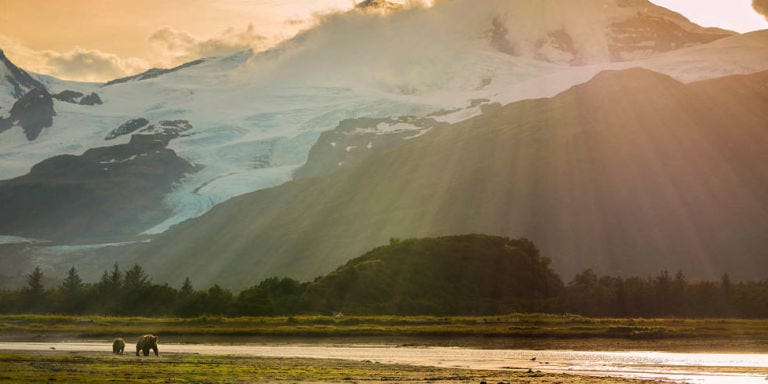
Some travelers collect passport stamps. Others collect fridge magnets, bug bites, and increasingly dramatic stories about “that one hike that looked shorter on the map.” If you are tired of fighting for elbow room at Yosemite overlooks or circling parking lots in Zion like a confused hawk, it may be time to look beyond the famous names. America’s lesser-known national parks offer glacier-blue lakes, ancient forests, desert peaks, wild islands, volcanic steam vents, giant dunes, and the rare joy of hearing wind instead of a tour bus reversing.
Unknown national parks are not second-place parks. They are often quieter because they are remote, seasonal, harder to reach, or simply overshadowed by celebrity neighbors. That makes them perfect for travelers who want deeper experiences, better photos, more wildlife, and fewer strangers accidentally photobombing their “peaceful wilderness” moment. This guide explores underrated U.S. national parks and practical national park travel ideas for building a trip that feels adventurous without requiring you to wrestle a bear or sell your house for hotel points.
Why Choose Unknown National Parks?
The biggest reason is simple: space. The National Park System still receives hundreds of millions of recreation visits each year, and the top parks attract a huge share of the crowds. Great Smoky Mountains, Zion, Yellowstone, Grand Canyon, Yosemite, Rocky Mountain, Acadia, Grand Teton, Olympic, and Glacier remain bucket-list giants for good reason, but popularity comes with traffic, timed-entry rules, limited lodging, and trail congestion. Lesser-known parks can offer the same national-park magic with a calmer rhythm.
These parks also encourage a different style of travel. Instead of checking off one famous viewpoint and buying a bison-shaped ornament on the way out, you slow down. You learn how a cave breathes, how cypress knees rise from a swamp, how desert stars look when city lights finally shut up, and how silence feels when it is not being interrupted by someone’s Bluetooth speaker named “TrailBeast 3000.”
Best Unknown National Parks for Your Next Trip
1. Great Basin National Park, Nevada
Great Basin National Park is the kind of place that makes you question why everyone is still standing in line somewhere else. Located in eastern Nevada near the Utah border, it packs an outrageous amount of variety into one underrated destination. You can hike near 13,063-foot Wheeler Peak, walk among ancient bristlecone pines, explore Lehman Caves on a ranger-guided tour, and look up at some of the darkest night skies in the country.
Travel idea: Plan a two-night stay near Baker, Nevada. Spend one day hiking the Bristlecone Pine Trail and another exploring the scenic drive and cave area. Bring layers even in summer because mountain weather has a personality, and that personality sometimes includes “surprise refrigerator.”
2. Congaree National Park, South Carolina
Congaree is not a swamp, though many visitors casually call it one and then get corrected by the forest itself. This South Carolina park protects the largest intact expanse of old-growth bottomland hardwood forest remaining in the southeastern United States. Its famous Boardwalk Loop Trail gives travelers an easy way to enter a cathedral of bald cypress, tupelo, loblolly pine, oak, maple, and champion trees.
Travel idea: Visit in late fall, winter, or early spring for cooler temperatures and fewer mosquitoes. Summer can be lush and beautiful, but the bugs may treat you like an all-you-can-eat buffet with hiking shoes. For a memorable day, walk the boardwalk in the morning and paddle Cedar Creek in the afternoon when water levels allow.
3. North Cascades National Park, Washington
Less than three hours from Seattle, North Cascades National Park looks like someone imported the Alps, added more evergreens, and forgot to install crowds at the main entrance. The park is known for jagged peaks, forested valleys, turquoise lakes, waterfalls, and more than 300 glaciers. It is one of the best national park travel ideas for hikers, photographers, and anyone who enjoys mountain scenery with dramatic hair.
Travel idea: Use State Route 20 as your scenic backbone. Stop at Diablo Lake Overlook, hike short trails near Newhalem, and consider longer routes if you are prepared for alpine conditions. For a quieter trip, visit in September after peak summer but before snow closes high-country access.
4. Isle Royale National Park, Michigan
Isle Royale is not a casual “drive in, grab a latte, take a selfie” park. This remote island wilderness sits in Lake Superior and is reached by ferry, seaplane, or private boat. That extra effort filters the crowd beautifully. The reward is a rugged landscape of forest, rocky shoreline, inland lakes, paddling routes, backpacking trails, moose habitat, and deep solitude.
Travel idea: First-time visitors can stay at Rock Harbor or Windigo and build day hikes or paddling excursions from there. Backpackers should plan carefully, pack light, and respect the island’s isolation. On Isle Royale, forgetting your rain jacket is less “oops” and more “character development.”
5. Voyageurs National Park, Minnesota
Voyageurs National Park is a water-based wonderland in northern Minnesota, covering lakes, forests, streams, islands, and historic travel routes once used by French-Canadian voyageurs. It is ideal for travelers who prefer boats to switchbacks and sunsets reflected in water to crowds gathered at one famous rock.
Travel idea: Rent a houseboat, book a guided boat tour, or reserve a boat-in campsite. In summer, days are long and lake life is glorious. In winter, conditions can allow snowshoeing, cross-country skiing, and frozen-lake adventures. Add northern lights viewing to the wish list, but remember that auroras are like cats: magical, unpredictable, and not impressed by your schedule.
6. Black Canyon of the Gunnison National Park, Colorado
Colorado has famous mountains everywhere, so Black Canyon of the Gunnison somehow remains oddly underrated. That is good news for travelers who like their scenery steep, moody, and dramatic. The Painted Wall, the tallest cliff in Colorado, rises 2,250 feet from river to rim, and the canyon’s narrow depth makes sunlight behave like a rare guest.
Travel idea: The South Rim is the easiest introduction, with scenic overlooks and short trails. Sunrise and sunset bring out the canyon’s shadows and colors. Expert climbers and experienced backcountry hikers can explore more demanding routes, but casual visitors can have a powerful experience with overlooks alone.
7. Pinnacles National Park, California
Pinnacles is California’s quiet rebel. While Yosemite and Joshua Tree take the spotlight, Pinnacles offers talus caves, volcanic rock formations, climbing routes, spring wildflowers, and the chance to spot California condors soaring above the cliffs. It is compact, accessible, and wonderfully weird in the best geological sense.
Travel idea: Visit in spring for wildflowers and milder temperatures. Enter from the east side for the campground and visitor center, or from the west side for quick access to dramatic rock formations. The two entrances do not connect by road through the park, so check your route before your GPS leads you into a philosophical crisis.
8. Guadalupe Mountains National Park, Texas
Guadalupe Mountains National Park protects the world’s most extensive Permian fossil reef and the four highest peaks in Texas. It is a hiker’s park, not a windshield-tour park, which may be why it stays quieter than many southwestern icons. The landscape includes desert, dunes, canyons, high peaks, night skies, and surprisingly rich biodiversity.
Travel idea: Fit hikers can aim for Guadalupe Peak, the highest point in Texas. For something gentler, explore McKittrick Canyon, especially in fall when foliage turns the canyon into Texas’s best-kept seasonal secret. Bring water, sun protection, and humility; the desert is very good at noticing overconfidence.
9. Lassen Volcanic National Park, California
Lassen Volcanic National Park is a geothermal sampler platter: steaming fumaroles, clear mountain lakes, wildflower meadows, volcanic peaks, and hydrothermal areas that smell like the earth is cooking eggs underground. It delivers some of Yellowstone’s volcanic personality without Yellowstone’s crowd intensity.
Travel idea: Drive the park highway when it is open, stop at Sulphur Works, hike Bumpass Hell if conditions allow, and cool off near Manzanita Lake. Snow can linger into summer, so check road and trail conditions before assuming your June trip will be sandal-friendly.
10. Capitol Reef National Park, Utah
Capitol Reef is not exactly unknown, but compared with Zion, Bryce Canyon, and Arches, it often plays the quiet cousin at Utah’s red-rock family reunion. The park protects the Waterpocket Fold, a nearly 100-mile geologic wrinkle filled with cliffs, canyons, domes, bridges, orchards, and scenic backroads.
Travel idea: Base yourself near Torrey, drive the Scenic Drive, hike Hickman Bridge, and save time for the Fruita Historic District. If pies are available from the local orchards or store, consider them part of the official landscape. Some geology is best appreciated with pastry.
11. Dry Tortugas National Park, Florida
Dry Tortugas sits almost 70 miles west of Key West and is accessible only by boat or seaplane. Most of the 100-square-mile park is open water, with seven small islands, Fort Jefferson, coral reefs, marine life, birding, snorkeling, and some of the bluest water in the national parks.
Travel idea: Book transportation early, because access is limited. Day trips by ferry offer a taste of the park, while camping on Garden Key gives you the rare chance to experience Fort Jefferson after the day visitors leave. Pack carefully; there is no “forgot sunscreen” convenience store waiting behind the fort.
12. Kobuk Valley National Park, Alaska
Kobuk Valley is for serious travelers who want true remoteness. This Arctic park features the Great Kobuk Sand Dunes, the Kobuk River, caribou migration routes, and Onion Portage, a culturally important place where people have harvested caribou for thousands of years. It is not a beginner-friendly road trip stop. There are no roads into the park, so visitors typically arrange air taxi access.
Travel idea: Treat Kobuk Valley as an expedition, not a casual vacation. Work with experienced local operators, prepare for weather changes, and understand that self-sufficiency is part of the experience. The reward is a national park that feels genuinely wild, where sand dunes rise out of tundra and silence has room to stretch.
How to Plan a Trip to Lesser-Known National Parks
Pick the Right Season
Unknown national parks often have stronger seasonal personalities than the famous parks. Isle Royale is generally a warm-season destination. North Cascades can hold snow late into the year. Congaree is more comfortable outside peak bug season. Guadalupe Mountains shines in spring and fall. Great Basin offers cool mountain relief in summer and excellent stargazing, but high elevations require preparation.
Check Access Before You Book
Some parks are remote because access is complicated. Dry Tortugas requires ferry or seaplane reservations. Isle Royale requires crossing Lake Superior. Kobuk Valley and Gates of the Arctic require flight logistics. Even drive-up parks can have seasonal road closures, cave tour limits, or campground changes. Always check official park conditions before finalizing your route.
Build Your Trip Around One Signature Experience
For a satisfying itinerary, choose one major experience per park. At Great Basin, make it Lehman Caves or Wheeler Peak. At Congaree, make it the Boardwalk Loop or Cedar Creek paddling. At Voyageurs, make it a boat-based overnight. At Pinnacles, make it condor watching or talus caves. This keeps the trip focused and prevents “vacation spreadsheet syndrome,” a serious condition in which travelers see everything except the place they came to enjoy.
Respect the Quiet
The best part of unknown national parks is also the easiest thing to ruin. Keep noise low, stay on trails, pack out trash, respect wildlife, and follow Leave No Trace principles. Smaller crowds do not mean fewer responsibilities. In fact, remote parks often have fewer staff and slower emergency response, so good judgment matters more.
Sample Unknown National Park Travel Ideas
The Desert, Caves, and Stars Route
Combine Great Basin National Park with Capitol Reef and Black Canyon of the Gunnison for a road trip through geology’s greatest hits. You will experience caves, dark skies, red-rock folds, deep canyons, mountain passes, and small towns with excellent pie potential. This route works best in late spring or early fall.
The Water and Wilderness Route
Pair Voyageurs National Park with Isle Royale for a northern lakes adventure. Start in Minnesota with boat tours or houseboat camping, then continue toward Lake Superior for ferry access to Isle Royale. This route is ideal for travelers who like paddling, fishing, quiet mornings, and wearing fleece in July without shame.
The California Without the Crowds Route
Skip the biggest-name parks and build a trip around Pinnacles and Lassen Volcanic. You get condors, caves, volcanic peaks, hydrothermal features, lakes, and wildflowers. Add nearby national forests or scenic byways for a flexible itinerary that feels adventurous without needing reservations a year in advance.
The Big Remote Dream Route
For experienced wilderness travelers, Alaska’s Kobuk Valley and Gates of the Arctic offer the ultimate unknown national park experience. These are not casual add-ons; they require planning, money, skill, and respect for remote conditions. But for those prepared, they offer a level of solitude and wildness that is increasingly rare.
What to Pack for Unknown National Parks
Packing depends on the destination, but several items belong on nearly every list: offline maps, extra water, layers, sun protection, rain gear, a first-aid kit, snacks, a headlamp, a portable charger, insect repellent, and sturdy footwear. For remote parks, add emergency communication, bear safety gear where appropriate, water treatment, and a realistic plan shared with someone at home.
Also pack patience. Unknown parks may have fewer restaurants, fewer gas stations, fewer ranger programs, and fewer backup plans. That is part of the charm. The reward is a trip that feels less packaged and more personal, like you found a secret room in a house everyone else thought they already knew.
Personal Travel Experiences and Reflections: Why Unknown Parks Stay With You
The beauty of lesser-known national parks is not just that they are quieter. It is that they ask more of you, and because of that, they give more back. A famous overlook can impress you in five minutes. An unknown park often works slower. It gets under your skin during the long drive in, the empty trailhead, the moment you realize your phone has no signal, and the evening when the sky turns colors you did not know had names.
Imagine arriving at Great Basin after hours of desert highway. At first, the landscape seems spare. Then Wheeler Peak appears, and suddenly the desert has a crown. By night, the sky opens so wide that you feel politely reminded of your actual size in the universe. It is humbling, but in a nice way, like being roasted by the Milky Way.
Congaree creates a completely different memory. The boardwalk leads you into a forest that feels ancient and alive. The trees are huge, the water moves quietly, and every sound seems amplified: a birdcall, a frog, the soft knock of your own footsteps. It is not dramatic in the cliff-and-waterfall sense. It is immersive. You do not conquer Congaree. You listen to it.
At Isle Royale, the journey itself becomes part of the experience. Crossing Lake Superior changes your mindset before you even arrive. You cannot simply leave whenever you want, and that limitation becomes a gift. The island slows you down. You start measuring the day by weather, trail miles, loon calls, and the location of your next meal. This is travel stripped of clutter. There are no neon distractions, only forest, water, rock, and the question of whether your socks will dry by morning.
Voyageurs offers another kind of freedom. A boat-based park changes how you understand distance. Islands become neighborhoods. Campsites become tiny kingdoms. Sunsets spread across the water like someone spilled gold paint and decided not to clean it up. In a place like Voyageurs, the best itinerary may be the one with enough empty space to drift, swim, fish, watch clouds, and admit that doing less can sometimes feel like seeing more.
Then there are the parks that surprise you because they do not match your expectations. Pinnacles looks small on the map, but its caves, cliffs, and condors create a sense of discovery. Black Canyon of the Gunnison is not as globally famous as the Grand Canyon, yet standing at its rim can make your knees file a formal complaint. Guadalupe Mountains may look harsh from a distance, but its canyons and high trails reveal texture, color, and life to anyone willing to walk slowly and carry enough water.
The most memorable unknown national park trips often include small imperfections: a wrong turn, a closed road, a sudden storm, a campground meal that tastes better than it has any right to, or a trail that turns out to be steeper than your optimistic morning self promised. These moments become part of the story. They remind you that travel is not just about collecting perfect conditions. It is about paying attention.
That is why unknown national parks are worth your time. They restore the feeling that exploration is still possible. You do not need to be the first person to stand somewhere to feel wonder. You only need to arrive with curiosity, humility, and maybe an extra pair of socks. The famous parks will always be there, glowing on postcards and social feeds. But the quieter parks are waiting too, offering something rarer than a bucket-list photo: the chance to feel like the trip belongs to you.
Conclusion
Unknown national parks prove that America’s best travel ideas are not limited to the most searched names. Great Basin, Congaree, North Cascades, Isle Royale, Voyageurs, Black Canyon of the Gunnison, Pinnacles, Guadalupe Mountains, Lassen Volcanic, Capitol Reef, Dry Tortugas, and Kobuk Valley each offer a different kind of adventure. Some are easy weekend escapes. Others require boats, ferries, planes, or serious wilderness planning. All of them reward travelers who are willing to look past the obvious.
If your next trip needs fresh air, fewer crowds, unforgettable landscapes, and stories better than “we waited 40 minutes for parking,” choose a lesser-known national park. Go prepared, travel responsibly, check current conditions, and leave room for surprise. The best hidden gems are not really hidden. They are simply waiting for travelers patient enough to notice them.
Note: Always check current park conditions, seasonal closures, permits, transportation schedules, and safety guidance before traveling, especially for remote parks that require ferry, boat, seaplane, or air taxi access.














