
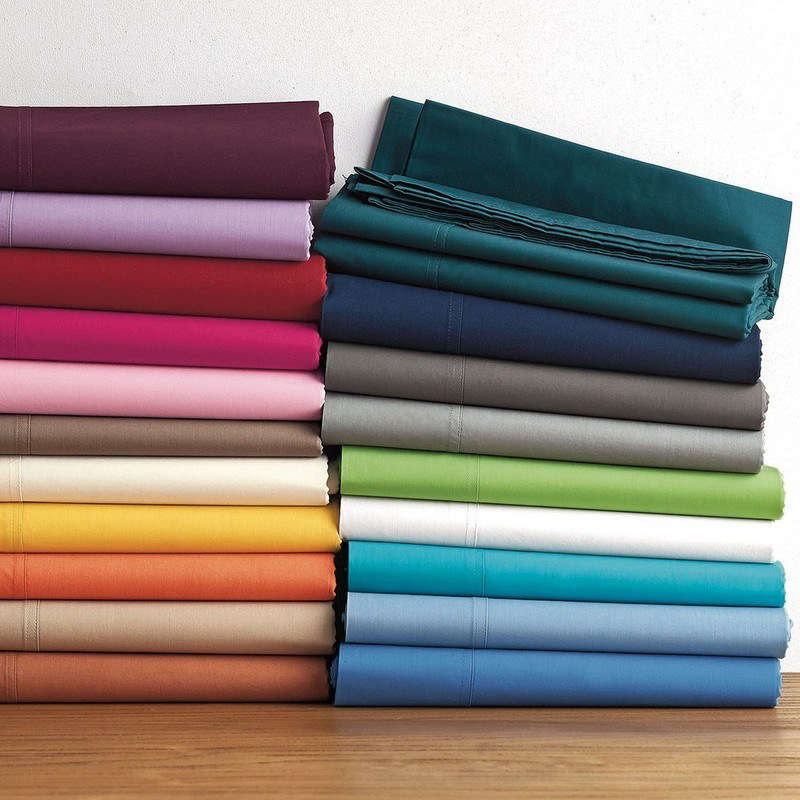
Some bedding tries to seduce you with silky shine. Some arrives with enough marketing drama to make a mattress blush. Then there is the Classic Percale Collection: crisp, cool, quietly confident, and ready to make your bed feel like the fresh side of a boutique hotel pillow. Percale does not need jazz hands. Its charm is in the clean snap of cotton, the airy feel against the skin, and the way it seems to whisper, “Yes, you may finally stop flipping the pillow every twelve minutes.”
For anyone shopping for breathable bedding, cotton percale sheets are often the sweet spot between everyday practicality and grown-up comfort. They are not slippery like sateen, not textured like linen, and not clingy like some synthetic blends. A good percale sheet set feels crisp at first, then softens over time without losing its fresh, structured personality. Think freshly ironed button-down shirt, but for your mattressand thankfully, no office meeting required.
This guide explores what makes a classic percale bedding collection special, how to choose the right pieces, what thread count really means, how to style percale sheets, and how to care for them so they keep getting better with every wash.
What Is a Classic Percale Collection?
A Classic Percale Collection usually refers to a coordinated bedding line made with percale-woven fabric. The collection may include fitted sheets, flat sheets, pillowcases, duvet covers, shams, coverlets, and sometimes decorative pieces designed to work together. The defining feature is not just the cotton itself, but the weave.
Percale is made with a simple one-over, one-under weave. That balanced structure creates a fabric that feels smooth, crisp, matte, and breathable. Unlike sateen, which uses a weave that exposes more surface yarns and produces a silkier sheen, percale stays light and cool. It has a clean finish that looks timeless rather than trendy.
Percale Is a Weave, Not a Fiber
One common bedding mistake is assuming percale automatically means cotton. Technically, percale describes the weave, not the raw material. However, the best-known percale sheets are usually made from cotton because cotton supports airflow, absorbs moisture, and becomes softer with regular use. Premium collections often use long-staple cotton, Pima cotton, Supima cotton, or organic cotton for added durability and smoother yarns.
The result is bedding that feels fresh, breathable, and sturdy enough for nightly use. It is a practical luxury: elegant enough for a guest room, comfortable enough for everyday sleeping, and forgiving enough for real homes where laundry baskets occasionally develop their own zip codes.
Why Percale Bedding Feels So Cool and Crisp
The signature appeal of percale is temperature comfort. The weave is tight enough to feel smooth but open enough to allow air to move through the fabric. That makes percale sheets especially appealing for hot sleepers, humid climates, summer bedrooms, and anyone who dislikes bedding that feels heavy or clingy.
A classic percale sheet has a dry, fresh hand feel. It does not drape as fluidly as sateen, and that is part of the point. Percale has structure. When you pull back the covers, the sheets feel awake. They do not flop around dramatically like a soap opera character fainting onto a chaise lounge.
The Hotel-Bed Effect
Many people associate percale bedding with hotels because it can deliver that crisp, tucked-in feeling. A white percale sheet set, a matching duvet cover, and two plump pillows can make a bedroom feel cleaner, calmer, and more intentional. You do not need a five-star housekeeping team. You just need fabric that naturally supports a neat, tailored look.
Percale is also matte, which gives it a relaxed sophistication. It does not flash shine under the light or compete with the rest of the room. In a minimalist bedroom, it looks serene. In a colorful room, it works as a quiet foundation. In a chaotic room, it politely refuses to comment.
Classic Percale vs. Sateen: Which One Is Better?
Neither percale nor sateen is universally “better.” They simply serve different sleep personalities. Percale is crisp, cool, lightweight, and matte. Sateen is smoother, silkier, slightly heavier, and often has a subtle sheen. If you love the feel of a freshly laundered dress shirt, percale is probably your lane. If you prefer a buttery, drapey finish, sateen may win your heart.
Choose Percale If You Want:
- Cool sheets for hot sleepers
- A crisp, clean, hotel-inspired feel
- Lightweight bedding for year-round use
- A matte finish rather than shine
- Sheets that soften with washing but keep their structure
Choose Sateen If You Want:
- A silky-smooth surface
- A slightly warmer and heavier feel
- More natural wrinkle resistance
- A subtle sheen for a dressier look
The best choice depends on climate, sleep style, and texture preference. In many American homes, a classic percale collection becomes the everyday favorite because it works across seasons. Add a quilt in winter, remove layers in summer, and the sheets remain comfortable without needing a full bedding personality transplant.
Thread Count: What Actually Matters
Thread count is one of the most misunderstood phrases in bedding. It sounds scientific, which makes it tempting to treat the biggest number as the best number. Unfortunately, sheet shopping is not an arcade game. Higher is not always better.
For cotton percale sheets, a thread count in the range of about 200 to 400 is often considered ideal. This range can provide a good balance of softness, breathability, and durability. If the thread count gets too high, the fabric may become denser and less breathable, which defeats one of the main reasons people buy percale in the first place.
Fiber Quality Beats Big Numbers
Instead of chasing the highest thread count, look for quality cotton and honest construction. Long-staple cotton produces smoother, stronger yarns because the fibers are longer and less prone to poking out of the fabric. That can help reduce pilling and improve durability. Organic cotton may appeal to shoppers who value farming practices and textile certifications. OEKO-TEX and GOTS certifications can also indicate that a product meets recognized safety or organic standards.
A 270-thread-count long-staple cotton percale sheet may feel better and last longer than a vague 800-thread-count sheet made with lower-quality yarns or creative counting methods. Bedding should not require a detective board with red string, but here we are.
What Pieces Belong in a Classic Percale Collection?
A strong Classic Percale Collection should feel cohesive, flexible, and easy to layer. Whether you are furnishing a primary bedroom, guest room, vacation rental, or first apartment, the right pieces can create a complete sleep system.
1. Percale Sheet Set
The sheet set is the foundation. A typical set includes a fitted sheet, flat sheet, and pillowcases. Look for a fitted sheet with enough pocket depth for your mattress, especially if you use a mattress topper. Strong elastic around the entire fitted sheet is a small detail that matters enormously at 2:00 a.m., when one corner decides to escape like it has a bus to catch.
2. Percale Duvet Cover
A percale duvet cover adds the same cool, crisp texture to the top of the bed. It is an excellent choice for people who want a breathable layer around a down or down-alternative insert. Interior corner ties and sturdy button or zipper closures are worth checking before buying.
3. Pillowcases and Shams
Extra pillowcases are practical because pillow covers usually need washing more often than sheets. Shams add polish and can turn plain bedding into a styled collection. For a classic look, choose matching percale shams. For a more collected look, mix percale sheets with linen, quilted cotton, or patterned pillows.
4. Lightweight Quilt or Coverlet
Although not always made from percale, a quilt or coverlet pairs beautifully with percale bedding. It adds texture without trapping too much heat. In warmer climates, a quilt over percale sheets may be enough for most of the year.
Best Colors for a Timeless Percale Bed
White is the undisputed classic. It looks clean, works with every decor style, and gives the bedroom that calm hotel feeling. But the modern Classic Percale Collection is not limited to white. Soft neutrals like ivory, cream, sand, cloud gray, pale blue, sage, and muted blush can add personality without making the bed feel busy.
If you want a bed that always looks fresh, start with white or ivory sheets and add seasonal color through pillow covers, throws, or a duvet. If you prefer a cozier mood, choose earth tones or gentle stripes. Percale’s matte surface keeps colors looking relaxed rather than flashy.
Pattern or Solid?
Solid percale bedding is the most versatile. It layers easily and rarely goes out of style. Striped percale, especially narrow hotel stripes or ticking stripes, adds visual interest while staying classic. Floral or printed percale can work beautifully in cottages, guest rooms, and traditional bedrooms, but it may feel less timeless if the print is overly trendy.
How to Style a Classic Percale Collection
Styling percale is refreshingly simple because the fabric already brings texture. It does not need much decoration to look finished. Start with a fitted sheet pulled snugly over the mattress. Add the flat sheet with a clean fold at the top. Place a percale duvet cover or lightweight quilt over the bed, then finish with sleeping pillows and two decorative shams.
For a luxury hotel effect, keep everything white and add one textured throw at the foot of the bed. For a coastal look, pair white percale with pale blue, sand, or striped accents. For a modern farmhouse bedroom, try ivory percale with a neutral quilt and wood-toned furniture. For a city apartment, charcoal or navy accents can make classic white percale feel sharp and contemporary.
The “Effortless but Not Actually Effortless” Trick
Remove percale bedding from the dryer while it is still slightly warm, then smooth it onto the bed right away. This reduces wrinkles without requiring an iron. If you want a more relaxed look, embrace the natural rumple. Percale wrinkles more than sateen, but those wrinkles are part of its charm. They say, “I sleep in natural cotton,” not “I lost a wrestling match with my laundry.”
How to Wash and Care for Percale Sheets
Good percale bedding can last for years if cared for properly. Always read the care label first, because different brands may have different instructions. In general, cotton percale sheets do well with cool or warm water, mild detergent, and a gentle or normal cycle. Avoid overloading the washer, because sheets need room to move and rinse thoroughly.
Skip the Fabric Softener
Fabric softener can leave residue on cotton fibers, reducing breathability and absorbency. Dryer sheets can do the same. If your goal is crisp, airy bedding, let the fabric soften naturally through washing. Percale often feels smoother after several laundry cycles, so patience is rewarded.
Dry on Low or Medium Heat
High heat can stress cotton fibers and may contribute to shrinkage. Use low or medium heat, remove sheets promptly, and fold or place them on the bed while warm. If you line-dry percale, you may get an even crisper finish. Congratulations: your sheets may develop main-character energy.
Who Should Buy a Classic Percale Collection?
A Classic Percale Collection is ideal for people who value breathable bedding, timeless design, and natural texture. It is especially good for hot sleepers, couples with different temperature preferences, guest bedrooms, and anyone who wants bedding that feels clean rather than heavy.
It is also a smart choice for people building a bedding wardrobe. Percale mixes well with linen, flannel, quilts, blankets, and decorative throws. You can use percale sheets all year, then change the layers above them depending on the season.
Who Might Not Love Percale?
If you want silky, glossy, wrinkle-resistant sheets, percale may not be your perfect match. It has a crisp personality. It may arrive feeling slightly firm compared with sateen or microfiber, though it usually softens with use. If wrinkles bother you deeply, either choose a more relaxed washed percale style or prepare to iron. Nobody said adulthood was fair.
How to Choose the Best Classic Percale Collection
When comparing percale bedding, focus on material, weave, fit, certifications, return policy, and care instructions. Product photos are helpful, but details matter more. Look for 100% cotton percale if you want the traditional crisp feel. Choose long-staple, Pima, Supima, or organic cotton if quality and durability are priorities.
Check Mattress Depth
Modern mattresses are often thicker than older ones, especially with pillow tops or foam toppers. Check the fitted sheet pocket depth before ordering. A sheet that is too shallow will pop off; a sheet that is too deep may bunch. Both situations are annoying enough to make a peaceful person mutter at laundry.
Look for Easy Replacement Pieces
A true collection should allow you to buy extra pillowcases, a replacement fitted sheet, or a matching duvet cover without starting from scratch. This is useful because fitted sheets and pillowcases often wear faster than flat sheets. A collection with open-stock options gives you more control and less waste.
Read Reviews Carefully
Customer reviews can reveal whether sheets sleep cool, shrink after washing, wrinkle heavily, or fit deep mattresses. Look for patterns in reviews instead of obsessing over one dramatic complaint. Bedding is personal, and some people review sheets as if the fabric personally betrayed their family. Still, repeated comments about pilling, roughness, or poor elastic are worth noting.
Experience Notes: Living With a Classic Percale Collection
The first night with a Classic Percale Collection can feel surprisingly different if you are used to microfiber or sateen. Percale does not slide across the bed with glossy drama. It settles in with a cool, dry touch that feels almost refreshing. The pillowcase has that clean, crisp sensation against your cheek, and the top sheet creates a light layer instead of a warm envelope. For hot sleepers, this can be the bedding equivalent of opening a window after someone burned toast.
One of the best experiences with percale is how it changes after washing. Brand-new percale may feel structured, even a little formal. After a few laundry cycles, it begins to relax. The fabric softens but does not lose its character. It becomes familiar in the best way, like a favorite white shirt that still looks sharp but no longer acts like it has something to prove.
In daily life, percale is easy to appreciate because it works with ordinary routines. Make the bed quickly, and it still looks neat. Pull the duvet up, fluff the pillows, and the room looks instantly calmer. If the sheets wrinkle, they wrinkle honestly. There is something charming about bedding that looks lived-in but clean, relaxed but not sloppy. It gives a bedroom texture without requiring complicated styling.
Percale also shines in shared beds. If one person sleeps warm and the other insists they are “always freezing” while somehow stealing every blanket, percale offers a neutral foundation. It does not add much heat on its own, so each person can adjust comfort with blankets, quilts, or throws. The sheets stay breathable underneath the layers, which helps prevent that trapped, stuffy feeling.
Another underrated pleasure is the sound. Percale has a faint rustle, especially when freshly washed. Some people love it because it feels clean and nostalgic, like laundry dried in the sun. Others need a few nights to get used to it. But over time, that gentle crispness becomes part of the bedtime ritual. You turn down the sheets, climb in, and the bed feels prepared rather than merely available.
For guest rooms, a Classic Percale Collection is a quiet power move. Guests may not know the thread count or cotton type, but they notice the cool touch and fresh appearance. White percale sheets with a simple duvet cover can make even a modest room feel thoughtful. Add a spare blanket, two extra pillows, and a small lamp, and suddenly your guest room is giving “boutique inn,” minus the tiny shampoo bottles.
The biggest lesson from living with percale is this: do not judge it only on the first touch. Percale is a long-game fabric. It rewards washing, rotating, and proper care. It may not deliver instant marshmallow softness, but it offers something better for many sleepersfreshness, breathability, durability, and a timeless look that does not beg for attention. In a world full of overhyped home products, that kind of quiet reliability feels luxurious.
Final Thoughts on the Classic Percale Collection
The Classic Percale Collection is a smart choice for anyone who wants bedding that feels crisp, cool, breathable, and timeless. Its strength comes from simplicity: a balanced weave, quality cotton, a matte finish, and a fresh hand feel that improves with use. It is not the flashiest bedding style, but it may be one of the most dependable.
Choose percale if you love a clean hotel-bed look, sleep warm, prefer natural cotton, or want sheets that can move through every season. Pay attention to fiber quality, realistic thread count, fitted sheet depth, and care instructions. Then wash, dry, layer, and enjoy the little nightly luxury of sliding into a bed that feels cool, crisp, and properly put together.
Note: This article is based on synthesized information from reputable U.S. bedding retailers, textile testing resources, sleep education sources, and home product experts. It has been fully rewritten as original web content for publication.












