
“`
Note: This article is written in standard American English for web publication and is based on real U.S. home improvement, architectural salvage, reclaimed wood, mattress sizing, and lead-safety best practices.
From Forgotten Door to Bedroom Showstopper
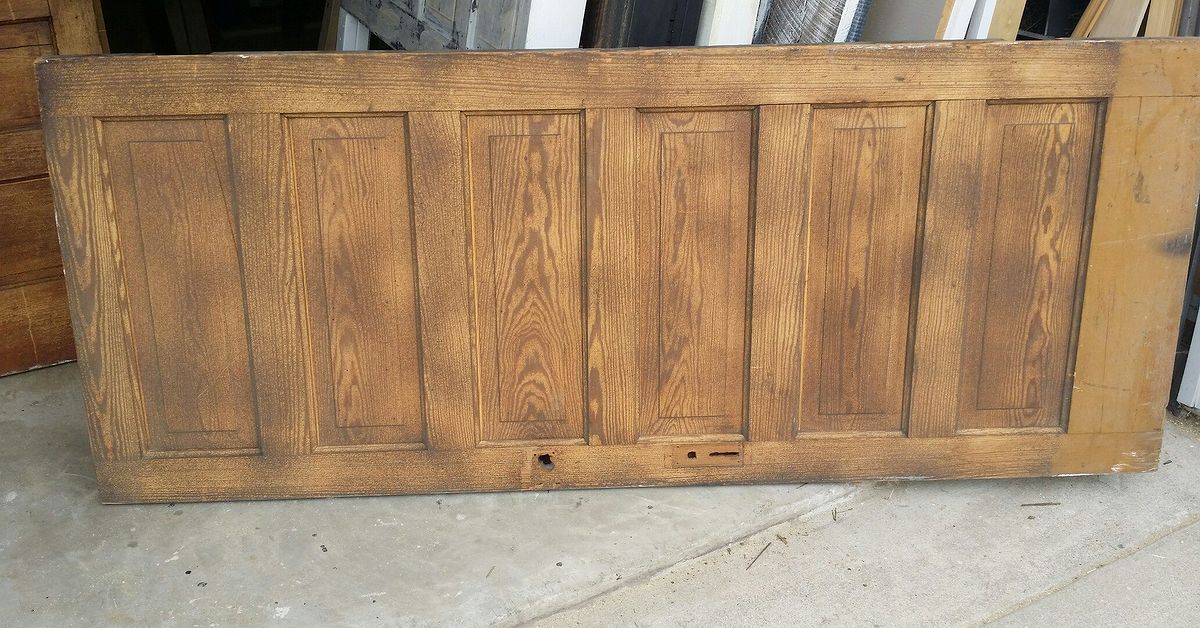
A rare 6 panel 100yr old vintage door converted into a king size headboard is not just a piece of furniture. It is a dramatic rescue mission with pillows. Instead of letting a century-old door sit in a dusty salvage corner, wobble in a garage, or become the world’s most overqualified garden gate, this project gives it a second life as the visual anchor of a bedroom.
Old doors have a way of bringing soul into a room. Their panels, rails, stiles, dents, paint layers, hardware marks, and slightly imperfect lines tell a story that a factory-made headboard simply cannot fake. A 100-year-old six-panel door may have once opened into a farmhouse bedroom, a craftsman hallway, a city apartment, or a front parlor where somebody’s great-grandmother absolutely judged the wallpaper. When turned sideways and mounted behind a king bed, it becomes architectural art with a purpose.
The beauty of an antique door headboard is that it balances rustic charm and tailored design. It can feel farmhouse, cottage, industrial, traditional, coastal, or even modern depending on how it is cleaned, finished, framed, and styled. The same door that looks weathered in a salvage shop can look magazine-worthy once paired with crisp bedding, warm lamps, and a sturdy mounting system.
Why a Vintage 6 Panel Door Works So Well as a King Headboard
A standard king mattress is about 76 inches wide, which makes an old interior door surprisingly useful. Many vintage doors are around 80 inches tall. When placed horizontally, that height becomes the headboard width, often creating a balanced overhang on each side of a king mattress. This is one reason old door headboards have become a favorite among DIYers, decorators, and architectural salvage fans.
The six-panel layout is especially appealing because it gives the headboard instant rhythm. The raised or recessed panels create depth, shadow, and symmetry. Instead of one flat slab behind the bed, you get built-in geometry. It is like wall paneling, a headboard, and a history lesson all decided to share rent.
The Charm of Real Age
A 100-year-old door carries authentic patina. Tiny nail holes, rubbed edges, old hinge mortises, and hand-worn paint are not flaws; they are receipts. They prove the piece had a life before it became bedroom decor. In a world full of “vintage-inspired” furniture, real vintage materials bring warmth and credibility.
The Scale Fits the Room
King beds need visual weight. A small headboard can look timid behind such a large mattress, like it accidentally walked into the wrong room. A full-size antique door, mounted horizontally, has the width and presence to hold its own. Add crown molding, a simple top cap, or side trim, and the door reads as a custom built-in feature rather than a weekend experiment.
Choosing the Right 100-Year-Old Door
Not every old door is ready for headboard glory. Some are warped, cracked beyond repair, overloaded with peeling paint, or so heavy they require the emotional support of three neighbors and a chiropractor. The best candidate is structurally sound, mostly flat, visually balanced, and wide enough when turned sideways for a king bed.
Look for a door with panels that appear symmetrical when horizontal. Some old doors have taller panels at the top and shorter panels at the bottom. That may look charming when vertical, but once turned sideways, the design can feel visually lopsided. For a king size headboard, a balanced six-panel design usually creates the cleanest look.
What to Check Before Buying
Inspect the door carefully before hauling it home. Check for active insect damage, soft spots, deep rot, severe cupping, loose joints, and brittle paint. A few scars are part of the personality. A door that flakes every time you blink is a different situation. Also measure the actual piece, not the seller’s optimistic guess. Bring a tape measure, because “about king size” is not a dimension.
If the door still has old hardware, consider whether you want to keep it. Antique knobs, escutcheons, hinges, and lock plates can add character. However, sharp hardware, protruding screws, or loose metal should be removed or secured. A headboard should not attack you when you reach for your phone at midnight.
Safety First: Lead Paint and Old Wood Concerns
Because this project involves a door that may be around 100 years old, lead paint safety matters. In the United States, homes and painted architectural pieces made before 1978 may contain lead-based paint. Sanding, scraping, cutting, or disturbing old painted surfaces can create hazardous dust. This is not the fun kind of dust, like powdered sugar on a doughnut. This is the serious kind.
Before working on an antique painted door, test the finish with an EPA-recognized lead test kit or consult a certified professional. If lead is present or suspected, avoid dry sanding and aggressive scraping. Many homeowners choose to seal stable old paint under a clear protective finish rather than strip it completely. If paint is peeling badly, professional help is the safest route, especially in homes with children, pregnant people, or pets.
Clean Without Erasing the Story
The goal is not to make a 100-year-old door look like it was born yesterday at a big-box store. Clean it gently with a soft brush, vacuum with a HEPA filter if appropriate, and wipe with a damp cloth. For bare or stained wood, use a mild wood-safe cleaner. For painted surfaces, test a small hidden area first. The finish should feel clean, sealed, and touchable while still preserving the nicks and worn edges that make the piece special.
Planning the King Size Headboard Conversion
Before you drill, cut, paint, or celebrate prematurely, make a plan. Decide whether the door will be mounted to the wall, attached to the bed frame, or built into a freestanding headboard with legs. Wall mounting is often the most stable option for a heavy vintage door, especially when using a French cleat or strong ledger system anchored into studs.
Measure the mattress, bed frame, nightstands, ceiling height, outlet placement, and the height of your pillows. A beautiful headboard is less useful if it covers every outlet or sits so low that your pillows hide the panels. A good visual rule is to let the headboard rise high enough above the pillows to show off the door’s design.
Common Tools and Materials
Typical materials include a tape measure, level, stud finder, drill, screws, wall anchors rated for the load, wood filler, clamps, trim boards, primer, paint or clear sealer, and a French cleat or heavy-duty mounting hardware. If the door needs trimming, use a circular saw with a straightedge guide, but only after addressing paint safety. For many king beds, a full-size door used horizontally may require little or no cutting.
Design Options: Keep It Chippy, Paint It, or Seal It?
The finish determines the mood of the entire project. A chippy white 6 panel door headboard feels romantic and farmhouse-inspired. A stripped natural wood door feels warmer and more organic. A black or charcoal painted door creates a dramatic boutique-hotel effect. A soft sage, warm cream, navy blue, or mushroom beige can make the piece feel custom without losing its vintage charm.
If the original paint is stable and attractive, sealing it with a clear matte or satin topcoat can preserve the aged look. Matte finishes tend to feel more authentic, while satin adds a slight glow and makes cleaning easier. High gloss can work in bold interiors, but it may make every ripple and brush mark more visible. Old wood is honest; glossy old wood is brutally honest.
Adding Trim for a Finished Look
Trim can turn a salvaged door into a polished king size headboard. A simple top cap creates a ledge-like silhouette. Side trim can hide rough edges. Crown molding can make the headboard feel built-in and traditional. For a cleaner modern look, frame the door with straight 1x boards and keep the profile simple.
If the knob hole is visible after turning the door sideways, fill it with a wood plug, decorative medallion, metal plate, or intentionally placed trim detail. Some DIYers leave the hardware hole as part of the story. Others prefer a seamless finish. Either choice works as long as it looks deliberate, not like the door still thinks it is late for hallway duty.
How to Mount a Vintage Door Headboard Securely
A 100-year-old solid wood door can be heavy. Mounting it safely is the difference between a charming bedroom upgrade and an alarming 2 a.m. physics demonstration. For wall installation, locate studs and attach the mounting system directly into them. A French cleat is a popular option because it spreads weight across the wall and allows the headboard to sit flush and secure.
Another option is attaching legs to the back of the door and fastening those legs to the bed frame. This can work well if the bed frame is sturdy and the door is not excessively heavy. However, wall mounting often reduces wobble and makes the finished piece feel more integrated.
Height and Placement Tips
Most headboards look best when their bottom edge sits slightly below the top of the mattress or just behind it, so the mattress hides the lower support. The top of the headboard should feel proportional to the wall. In rooms with tall ceilings, mounting the door a little higher or adding trim can give it more presence. In smaller rooms, a lower profile keeps the space from feeling crowded.
Styling the Bedroom Around an Antique Door Headboard
A vintage door headboard is naturally a focal point, so the rest of the room should support it rather than compete with it. Think layered bedding, simple nightstands, warm lighting, and textures that echo the door’s age. Linen, cotton, wool throws, woven baskets, old books, brass lamps, ceramic vases, and framed botanical prints all play nicely with reclaimed wood.
If the door is heavily distressed, keep the bedding calmer. White sheets, neutral quilts, and muted accent pillows allow the headboard to shine. If the door is painted a solid color, you can add patterned bedding or bolder art. Balance is the secret. You want “collected and cozy,” not “antique shop sneezed on my bedroom.”
Best Decor Styles for This Project
This type of headboard fits beautifully in modern farmhouse, cottagecore, rustic, French country, coastal, industrial, traditional, and eclectic bedrooms. In a minimalist space, it adds texture and history. In a vintage-heavy room, it becomes part of the layered story. In a new-build home, it can add the architectural character that plain drywall forgot to bring.
Why Repurposing Old Doors Is Sustainable
Converting an antique door into a king size headboard is more than a design move. It is also a form of reuse. Architectural salvage keeps usable materials out of landfills and reduces demand for newly manufactured furniture. A solid old door may contain better wood and craftsmanship than many mass-produced pieces. By repurposing it, you preserve material, history, and character all at once.
There is also emotional sustainability here. People tend to keep pieces that feel meaningful. A headboard made from a rare 6 panel 100yr old vintage door is not disposable decor. It is a conversation starter, a design anchor, and a reminder that old things can still be useful, beautiful, and occasionally better dressed than new ones.
Cost Expectations and Value
The cost of a vintage door headboard varies widely. Some DIYers find old doors at Habitat ReStores, salvage yards, flea markets, estate sales, demolition sales, or online marketplaces for very little money. Rare doors, especially those with unusual proportions, original hardware, high-quality wood, or historic provenance, can cost much more.
Even with supplies such as mounting hardware, trim, sealer, primer, and paint, this project can be more affordable than a custom king size headboard. The value is not only financial. A century-old door brings a level of uniqueness that cannot be ordered from a catalog with two-day shipping and a tiny Allen wrench.
Common Mistakes to Avoid
Skipping the Safety Check
Do not sand old paint before checking for lead. This is the number one rule. If the finish is suspicious, test it, seal it, or get professional advice.
Ignoring Weight
Old solid wood doors can be heavier than they look. Use proper mounting hardware and anchor into studs. Drywall alone is not a life coach; it cannot support everything.
Choosing the Wrong Door
A badly warped door may never sit right against the wall. A door with an asymmetrical panel layout may look awkward horizontally. A door with active rot is better suited for restoration practice than bedroom furniture.
Over-Restoring the Finish
One of the biggest design mistakes is removing every sign of age. The scratches, softened corners, and old brush marks are part of the appeal. Clean and stabilize the surface, but do not erase the personality.
Maintenance Tips for a Vintage Door Headboard
Once installed, maintenance is simple. Dust regularly with a soft cloth. Avoid harsh cleaners that can damage old finishes. If the headboard has a sealed painted surface, wipe gently with a barely damp cloth as needed. Check mounting hardware once or twice a year, especially if the bed is moved or if the headboard is bumped during cleaning.
In humid climates, keep indoor humidity reasonably stable to reduce wood movement. Old wood can expand and contract as conditions change. Small seasonal shifts are normal, but major moisture swings may cause cracks, loose joints, or finish problems.
of Real-World Experience: Lessons from Converting a Rare Vintage Door
The most memorable part of converting a rare 6 panel 100yr old vintage door into a king size headboard is realizing that the door has opinions. New lumber behaves. Old doors negotiate. One corner may be slightly proud. One rail may have a tiny bow. The paint may be thin in one area and stubborn in another. This is not a flaw in the project; it is the personality you signed up for when you invited a century-old architectural piece into your bedroom.
A practical lesson is to spend more time planning than you think you need. Dry-fit the door behind the bed before committing to holes in the wall. Use painter’s tape to mark the mattress width, nightstand height, and ideal headboard placement. Step back. Squint. Take a photo. Then move it half an inch because somehow half an inch becomes very important when six old panels are staring at you.
Another experience-based tip is to decide early whether the headboard should feel rustic or refined. If you want rustic, preserve the old surface and focus on cleaning, sealing, and safe mounting. If you want refined, add trim, fill obvious holes, and use a carefully chosen paint color. Trying to do both at once can lead to a confused finish: half farmhouse, half formal dining room, fully uncertain.
Transport is another overlooked adventure. A full-size vintage door may fit in a truck or van, but it should be padded and supported so it does not twist. Bring blankets, straps, gloves, and a friend who can lift without narrating the entire struggle. Once home, let the door acclimate indoors before final finishing. Old wood deserves a moment to adjust to its new climate and its new job as bedroom royalty.
During installation, a second pair of hands is not optional unless you are secretly three people. A king size door headboard is awkward to lift, align, and level. Mark the studs, predrill holes, and use a level repeatedly. The goal is to make the headboard look effortless, which usually requires a suspicious amount of effort.
Styling is where the project becomes magic. Once the bed is made, the headboard changes the entire room. Plain bedding suddenly looks intentional. Nightstands feel more anchored. Lamps look warmer. The wall no longer feels empty. Guests may ask where you bought it, which is your chance to casually say, “Oh, it’s a 100-year-old door,” as if that is a normal sentence people say before coffee.
The biggest lesson is this: do not rush the character out of the piece. The dents, old hinge marks, filled knob hole, and uneven finish are what make the headboard worth noticing. A rare six-panel vintage door converted into a king size headboard is not about perfection. It is about preservation, creativity, and giving an old architectural treasure a comfortable place to retire.
Conclusion
A rare 6 panel 100yr old vintage door converted into a king size headboard is the kind of DIY project that proves great design does not always begin in a showroom. Sometimes it begins in a salvage yard, under a layer of dust, leaning between a cracked window sash and a pile of mysterious trim.
With careful selection, lead-safe preparation, secure mounting, and thoughtful styling, an antique door can become a bedroom centerpiece with history, scale, and charm. It is sustainable, customizable, and deeply personal. Best of all, it gives an old door a new purpose without asking it to squeak every time someone walks through it.
Whether you keep the chippy patina, paint it a moody modern color, or frame it with trim for a built-in look, this project turns reclaimed wood into something both functional and unforgettable. A king size bed deserves a headboard with presence. A 100-year-old six-panel door delivers exactly that, plus a century of stories and just enough drama to make the pillows behave.














