
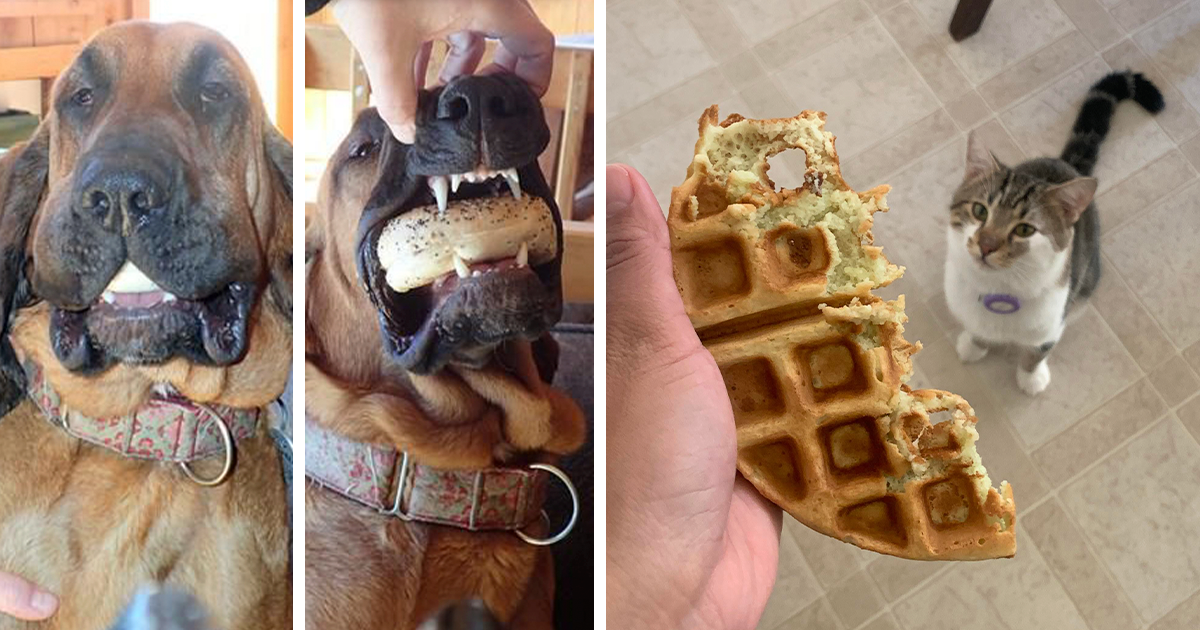
Every pet owner eventually learns a humbling truth: you may pay the mortgage, buy the groceries, and understand how refrigerator doors work, but your pet considers all food in the house part of a shared family economy. The dog does not see “your sandwich.” The cat does not recognize “your grilled salmon.” The parrot has never respected “personal space,” and the ferret believes a pizza crust is legally finders-keepers once it touches the couch.
Welcome to the gloriously chaotic world of food-stealing pets: the furry, feathered, and occasionally whiskered masterminds who treat the kitchen like a casino heist movie. Some are bold. Some are sneaky. Some are so terrible at crime that they walk away with ranch dressing on their forehead and still look shocked when questioned. Yet somehow, against all odds, they somewhat succeed.
This article celebrates 50 outlandish pet food thefts while also slipping in practical pet safety advice. Because while a pug sprinting away with a taco is funny, many human foods can be risky for animals. Chocolate, grapes, raisins, onions, garlic, alcohol, xylitol, excessive fat, cooked bones, caffeine, and certain nuts can cause serious health problems in pets. So laugh at the tiny criminals, but keep the toxic buffet locked down like Fort Knox with cabinet latches.
Why Pets Steal Food: It Is Not Always “Bad Behavior”
Food theft usually begins with instinct. Dogs are opportunistic scavengers, cats are curious hunters, and many small pets explore the world with their mouths first and their decision-making skills approximately never. A pet that steals food may be hungry, bored, under-exercised, under-trained, or simply smart enough to notice that humans keep leaving roast chicken unattended.
There is also a powerful training accident at work. If a dog jumps on the counter once and finds a slice of pizza, the lesson is immediate: counters are magical cliffs where cheese appears. If a cat knocks open a bread bag and discovers soft carbohydrates, congratulations, you have created a bakery goblin. Pets repeat what pays, and food theft pays in meat, butter, crumbs, and the thrill of being chased around the dining table.
The 50 Outlandish Food-Stealing Escapades
1. The Golden Retriever Who Stole an Entire Birthday Cake
The cake was cooling. The humans were decorating. The dog made eye contact, placed both front paws on the table, and dragged the cake away like a victorious Viking returning from battle. The frosting beard gave him away.
2. The Cat Who Licked Only the Butter Off Toast
No bite marks. No crumbs. Just four suspicious toast triangles stripped of butter with surgical accuracy. The cat sat nearby, grooming with the smug confidence of a tiny French chef.
3. The Beagle Who Opened the Pantry
Beagles have noses that operate like federal investigations. This one nosed open the pantry, selected a bag of tortilla chips, and carried it to the living room like he had paid taxes on it.
4. The Parrot Who Screamed “No!” While Stealing Pasta
A parrot grabbed a noodle from a plate and yelled “No!” at the owner before flying to the curtain rod. That is not theft. That is theater.
5. The Dachshund Who Disappeared Into a Grocery Bag
Short legs, long body, enormous confidence. The dachshund climbed halfway into a grocery bag and emerged with a hot dog bun stuck around his neck like formalwear.
6. The Cat Who Fished Shrimp From the Sink
Seafood preparation turned into a wildlife documentary. One paw, one hook, one stolen shrimp. The cat looked less like a pet and more like a tiny dockworker.
7. The Labrador Who Ate the Thanksgiving Roll Basket
Not the rolls from the basket. The roll basket. Bread, napkin, wicker enthusiasm. Fortunately, the basket survived mostly as evidence.
8. The Hamster Who Stuffed Noodles in Its Cheeks
One minute, a noodle was on the table. The next, a hamster looked like it was preparing for winter in a spaghetti factory.
9. The Husky Who Stole Pizza and Argued About It
Huskies do not simply steal. They present legal arguments. This one grabbed a slice, ran under the table, and gave a dramatic speech that sounded like, “I object!”
10. The Kitten Who Fell Into a Bowl of Mashed Potatoes
The theft failed in form but succeeded in spirit. The kitten wanted a taste and instead became a potato-powered snowball.
11. The Corgi Who Used a Toddler as a Food Dispenser
The toddler dropped peas. The corgi cleaned up. The toddler laughed. The corgi realized children are unreliable but generous vending machines.
12. The Cat Who Opened a Pizza Box
Some cats can open doors. This one opened a cardboard pizza box, stepped inside, and sat on the remaining slice like a dragon guarding treasure.
13. The Dog Who Stole a Sandwich During a Video Call
The owner reached for notes. The dog reached for lunch. The coworkers saw everything. HR did not intervene.
14. The Rabbit Who Nibbled the Salad Centerpiece
Guests admired the dinner salad. The rabbit admired it more personally, removing one lettuce leaf at a time from below the table.
15. The Cat Who Dragged a Bagel Under the Bed
The bagel was larger than the cat’s head. This did not matter. Ambition is not measured in inches.
16. The Bulldog Who Fell Asleep With a Burrito
He stole it, carried it to his bed, and became too tired to eat it. The burrito remained tucked against his chest like an emotional support snack.
17. The Parakeet Who Stole Rice One Grain at a Time
A slow crime is still a crime. The parakeet made 37 trips and looked very busy, like an accountant during tax season.
18. The Maine Coon Who Stood on the Fridge
The leftover chicken was supposedly safe. Unfortunately, nobody consulted the household’s 18-pound mountain lion in pajamas.
19. The Chihuahua Who Hid a French Fry in a Blanket
The fry was not eaten immediately. It was stored, guarded, and possibly worshipped.
20. The Dog Who Stole Only the Cheese From a Burger
The bun remained. The patty remained. The cheese vanished. Somewhere nearby, a dog wore the expression of a dairy sommelier.
21. The Cat Who Sat in the Cereal Box
The cereal box tipped over. The cat crawled in. Breakfast became a hostage situation.
22. The Ferret Who Stashed Crackers in Shoes
Ferrets do not steal for hunger alone. They steal for interior design. Nothing says “home” like saltines in a sneaker.
23. The Poodle Who Stole a Croissant From a Purse
Technically, the croissant was in a purse. Morally, the poodle argued, it was in public airspace.
24. The Cat Who Dabbed a Paw Into Soup
She did not drink the soup. She sampled it with one paw, shook it in disgust, and left orange dots across the floor.
25. The Great Dane Who Took a Steak Without Standing Up
Large dogs do not counter surf. Counters happen at face level. The steak simply entered the natural grazing zone.
26. The Terrier Who Stole a Taco Shell and Regretted Nothing
Crunchy evidence scattered everywhere. The terrier smiled like a celebrity leaving court.
27. The Cat Who Bit the Corner Off Every Pancake
Not one pancake. Every pancake. She was not hungry. She was quality control.
28. The Dog Who Pulled a Chair to the Counter
This was no accident. This was engineering. Somewhere, a treat-based physics curriculum was born.
29. The Cockatoo Who Dunked Cereal in Water
The stolen cereal was placed in the bird’s water dish, creating breakfast soup. Innovation is not always pretty.
30. The Cat Who Stole a Meatball From Spaghetti Night
It rolled. She chased. The owner watched dinner become a sports event.
31. The Puppy Who Found the Peanut Butter Spoon
Peanut butter was on the spoon. Then the spoon was in the puppy’s mouth. Then the puppy’s tongue attempted 11 impossible directions.
32. The Senior Dog Who Pretended Not to Hear “Leave It”
Selective hearing is a time-honored art. He heard the refrigerator open from three rooms away but could not hear “drop the muffin.” Fascinating.
33. The Cat Who Stole Popcorn During Movie Night
A single paw rose from the couch gap, captured popcorn, and vanished. It was less pet behavior and more haunted furniture.
34. The Border Collie Who Herded Guests Away From Snacks
The dog moved people away from the coffee table with professional precision, then helped himself to crackers. Strategy matters.
35. The Rabbit Who Ate the Garnish
The meal looked less fancy after the parsley disappeared. The rabbit looked more pleased than any restaurant critic.
36. The Cat Who Dragged Bread Through the House
Bread theft is common among cats who believe carbs are prey. This loaf left a crumb trail from kitchen to hallway, then behind the couch.
37. The Dog Who Learned the Sound of Cheese Wrappers
Some dogs know their name. Others know the exact frequency of plastic peeling off string cheese.
38. The Kitten Who Climbed a Human Leg for Chicken
Claws were used. Progress was made. The chicken was relocated. The human learned to wear jeans during dinner prep.
39. The Cat Who Stole Sushi Rice, Not Fish
Plot twist: the fish was ignored. The rice was attacked. Cats contain multitudes and questionable culinary opinions.
40. The Boxer Who Snatched a Hot Dog at a Cookout
One second, a guest held a hot dog. The next, only a bun remained. The boxer’s sprint suggested Olympic potential.
41. The Parrot Who Shared Stolen Toast With the Dog
Cross-species conspiracy is rare but powerful. The parrot dropped toast. The dog handled disposal. Nobody testified.
42. The Cat Who Licked Frosting From Cupcakes
The cupcakes still looked presentable from a distance. Up close, they had tiny tongue trenches.
43. The Dog Who Raided the Picnic Basket
The family admired the lake. The dog admired the sandwiches. Nature is healing, especially when wrapped in deli paper.
44. The Goat Who Ate the Party Snacks
Not every food thief lives indoors. A backyard goat discovered a snack table and became the most memorable guest.
45. The Cat Who Stole a Whole Tortilla
She dragged it like a cape, then sat on it. Some crimes are less about eating and more about ownership.
46. The Dog Who Opened the Trash Can Like a Puzzle Box
Pet-proof trash cans are tested daily by unpaid canine engineers. This dog defeated the lid, extracted leftovers, and left the wrapper trail of shame.
47. The Cat Who Bit a Donut and Walked Away
One bite. No commitment. A classic cat move: create chaos, reject the prize, leave the human to explain the teeth marks.
48. The Puppy Who Stole Baby Carrots and Looked Betrayed
The puppy expected meat. The carrot delivered carrot. His face suggested a lawsuit.
49. The Dog Who Hid Under the Table With a Biscuit
Only the tail was visible, wagging beneath the tablecloth. Subtle? No. Adorable? Unfortunately, yes.
50. The Cat Who Tried to Steal Coffee Foam
The cat dipped a paw into a latte and instantly regretted the lifestyle. Caffeine is unsafe for pets, so the cup was moved, and the cat was demoted from barista to spectator.
The Funny Part: Pets Are Terrible Criminals
The greatest charm of food-stealing pets is that they rarely understand evidence. A dog may deny touching the lasagna while wearing ricotta on both ears. A cat may flee the table with a tortilla, then stop in the hallway because the tortilla is awkward and physics has opinions. Birds announce their own crimes. Ferrets stash snacks in places humans eventually discover by smell, surprise, or stepping into a shoe full of crackers.
This is why pet food theft goes viral so easily. It combines comedy, timing, personality, and the universal truth that animals are clever in exactly the wrong ways. We see ourselves in them: the impulse to grab one more fry, the confidence to make poor choices, the panic when consequences arrive.
The Serious Part: Some Human Foods Are Dangerous
Even when the story is funny, prevention matters. Chocolate can be toxic to dogs and cats. Grapes and raisins may trigger serious kidney problems in dogs. Xylitol, often found in sugar-free gum, candies, baked goods, and some peanut butter, is especially dangerous to dogs. Onions, garlic, chives, and related ingredients can harm red blood cells. Alcohol, caffeine, macadamia nuts, cooked bones, rich fatty foods, and raw dough can also create emergencies.
Not all risks are obvious. A plain cooked bite of chicken may be fine for many pets, but chicken skin covered in seasoning, gravy, onion powder, garlic powder, or heavy fat is different. A small piece of apple without seeds can be a safe treat for many dogs, while a raisin cookie is not. The difference between “cute snack” and “call the vet now” can be tiny, which is why pet owners should treat the counter like a safety zone, not a snack museum.
How to Stop the Kitchen Heists Without Becoming a Full-Time Guard
Remove the Reward
The fastest way to reduce stealing is to make stealing boring. Clear counters immediately. Push plates away from edges. Use lidded trash cans. Keep bread, chips, and sweets in cabinets. If a pet never finds treasure, the treasure map loses value.
Train an Alternative Behavior
Teach dogs a reliable “place,” “leave it,” or “go to bed” cue during meal prep. Reward them for staying on a mat instead of patrolling the counter. For cats, provide a perch away from food preparation so they can supervise without joining the cooking staff.
Feed Before Big Meals
A pet that has already eaten a proper meal is not guaranteed to behave, but at least you are negotiating with a full stomach. During holidays or parties, feed pets before guests arrive and give them a safe chew, puzzle toy, or treat-stuffed feeder in another room.
Manage Guests
Guests are often the weak link in household security. They say, “Just one little bite,” while handing over a mystery casserole containing onions, butter, and regret. Politely tell guests not to feed pets from the table. Blame the vet if needed. Vets are used to being the strict adult in the room.
Know When to Call for Help
If your pet eats a potentially toxic food, do not wait for dramatic symptoms. Call your veterinarian, an emergency clinic, or a pet poison hotline and be ready to share what was eaten, how much, and when. Fast action can make a major difference.
Pet-Safe Treat Ideas for Tiny Food Critics
Pets do not need human food to feel loved, but safe treats can be part of bonding when used carefully. Many dogs can enjoy small portions of plain cooked chicken, plain cooked turkey, carrots, green beans, cucumber, apple slices without seeds, blueberries, or a tiny dab of pet-safe peanut butter without xylitol. Some cats may enjoy small pieces of plain cooked meat or commercial cat treats. The key word is “small.” Treats should not take over a pet’s balanced diet, and animals with allergies, pancreatitis, kidney disease, diabetes, obesity, or other health conditions need guidance from a veterinarian.
Food stealing also becomes less attractive when pets receive appropriate enrichment. A bored pet is a creative pet, and a creative pet will invent sandwich crimes. Puzzle feeders, scent games, training sessions, scratching posts, chew toys, climbing shelves, and regular play can all reduce the temptation to turn your kitchen into a reality show called America’s Next Top Snack Burglar.
Extra Experience Notes: What Living With Food-Thief Pets Teaches Us
Anyone who has lived with pets long enough has at least one food-stealing story that becomes family folklore. In many homes, the story is retold every holiday: the dog who ate the dinner rolls, the cat who stole bacon from a paper towel, the puppy who trotted through the house with a slice of bread like it had won a parade. These moments are funny because they reveal personality. A shy rescue dog may suddenly become a brave explorer when a chicken nugget appears. A dignified senior cat may transform into a parkour athlete for a spoonful of tuna. Food has a way of exposing the inner comedian inside every animal.
The best lesson from these escapades is that prevention works better than outrage. Pets are not plotting to ruin dinner because they hate manners. They are responding to opportunity. A sandwich left on the coffee table is not a sandwich to a dog; it is an unattended miracle. A stick of butter softening on the counter is not an ingredient to a cat; it is a mysterious golden object that must be investigated immediately. Once we understand that animals do what makes sense to them, we stop taking the theft personally and start managing the environment more intelligently.
Food-thief pets also teach patience. There is a special kind of humility in chasing a terrier who has stolen a pancake while your family laughs too hard to help. There is a special kind of negotiation in trying to trade a cat for the bread roll she has dragged under the couch. And there is a special kind of wisdom in realizing that yelling rarely teaches as much as planning. A calm trade, a better storage habit, a trained cue, and a safer routine usually solve more than dramatic speeches delivered to an animal wearing gravy.
Another experience many owners share is learning to read the “pre-crime” signals. The dog suddenly becomes quiet. The cat’s tail starts twitching near the cutting board. The parrot leans too far toward the toast. The rabbit appears under the salad table with the confidence of someone who owns property. These tiny clues become part of the household language. Over time, owners develop a sixth sense for danger: silence in the kitchen, a chair scraping near the counter, or the crinkle of a snack bag followed by suspicious paws.
Finally, these stories remind us why pets are so beloved. Yes, they steal food. Yes, they create messes. Yes, they occasionally force us to Google whether a dog can eat half a blueberry muffin at 10:47 p.m. But they also fill ordinary life with ridiculous, memorable, laugh-out-loud moments. The goal is not to remove all comedy from pet ownership. The goal is to keep the comedy safe. Put the chocolate away. Lock up the trash. Teach the dog a place cue. Give the cat a perch. Then enjoy the show from a safe distance, because somewhere in the house, a small furry opportunist is already planning the next snack-related masterpiece.
Conclusion: Hide the Snacks, Love the Culprit
Food-stealing pets are part chaos, part comedy, and part reminder that animals are brilliant when motivated by snacks. The 50 escapades above prove that pets can be bold, sneaky, dramatic, and wildly impractical. They may not understand ownership, but they understand opportunity, and they will absolutely seize it with both paws.
The trick is to laugh without being careless. Keep dangerous foods out of reach, train better habits, manage the kitchen environment, and offer safe enrichment so your pet has something better to do than audition for a cereal-box burglary. In the end, a stolen fry may become a funny memory, but a pet-safe home turns those memories into stories instead of emergencies.
Note: This article is written for entertainment and general pet-safety awareness. If a pet eats a potentially toxic food or shows unusual symptoms, contact a veterinarian or pet poison professional immediately.













