
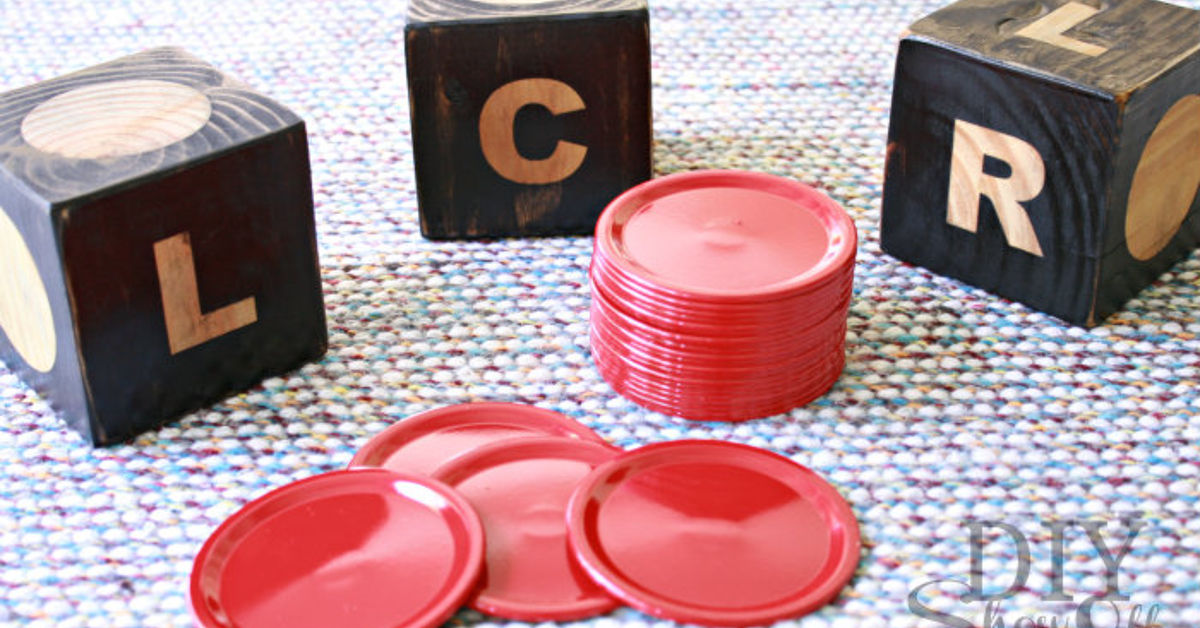
Some party games require a rulebook, a referee, three phone chargers, and at least one person saying, “Wait, whose turn is it?” DIY LCR is not that game. A homemade Left-Center-Right-style dice set is fast, funny, portable, and charmingly low-pressure. It works at a backyard barbecue, a family reunion, a holiday gift exchange, a game night, or the kind of dinner party where everyone says they are “just stopping by” and then somehow stays until dessert number two.
The basic idea is beautifully simple: players start with tokens, roll three marked dice, and pass chips left, right, or into the center pot depending on what they roll. The last player with chips wins. That is it. No complicated strategy, no dramatic board setup, no tiny plastic pieces that vanish into the couch like they have entered witness protection. Even better, you can make your own DIY LCR gift set with a few dice, a handful of tokens, a cute pouch or tin, and a small instruction card.
This guide walks through how to make a DIY LCR game, how to package it as a great hostess gift, and how to turn a simple dice game into the surprise star of the party. It is practical, inexpensive, and a little dangerous if your family takes bragging rights too seriously.
What Is LCR?
LCR stands for Left, Center, Right. It is a quick dice game built around passing tokens. Each player begins with the same number of chips, usually three. On a turn, the player rolls up to three dice. A roll marked “L” means the player passes one chip to the person on the left. “R” means one chip goes to the person on the right. “C” means one chip goes into the center pot. Dots, numbers, or blank sides mean the player keeps that chip.
The magic is that players who lose all their chips are not always emotionally finished. They may be out of chips for the moment, but a neighbor can roll an “L” or “R” and send them right back into the game. This comeback factor is why LCR works so well at parties. Nobody has to sit out for twenty minutes while Uncle Gary explains his “strategy,” which is suspicious because the game is mostly luck.
Why DIY LCR Makes Such a Great Hostess Gift
A good hostess gift should feel thoughtful without creating work for the host. That is the secret. Flowers are lovely, but if they arrive untrimmed and unvased, the host suddenly has to pause the party and perform emergency floral surgery. A DIY LCR set, on the other hand, is self-contained. It says, “Thank you for hosting,” and also, “Here is something fun for tonight or later.”
DIY LCR is especially giftable because it checks several boxes at once. It is compact, useful, inexpensive, personal, and easy to customize. You can match it to the host’s style with a linen pouch, a polished metal tin, a rustic wooden box, or a playful mason jar. Add colorful chips, wrapped candies, mini chocolate coins, buttons, or themed tokens, and the gift suddenly feels more special than something grabbed from the checkout aisle while pretending not to panic.
DIY LCR Supplies You Will Need
You do not need a workshop worthy of a home renovation show. For a small tabletop version, gather three blank dice or wooden cubes, a fine-tip paint pen or permanent marker, 24 to 36 tokens, a small bag or container, and a printed instruction card. If you want a polished gift, add ribbon, a gift tag, and a tiny note that explains why you chose it.
Simple Tabletop Version
The easiest DIY LCR set starts with three blank wooden dice. Mark one side of each die with “L,” one side with “C,” one side with “R,” and leave the remaining three sides as dots, stars, hearts, numbers, or small decorative marks. The three neutral sides are important because they give players a chance to keep their chips. Without them, the game becomes less “party fun” and more “token evacuation drill.”
For tokens, use poker chips, wooden discs, glass gems, buttons, mini erasers, wrapped candies, or coins. If children will play, avoid tiny choking hazards and use larger tokens. If adults are playing at a holiday party, chocolate coins can be hilarious because the center pot becomes both victory and dessert.
Backyard Giant Dice Version
For outdoor gatherings, make a giant yard version with wood blocks cut into cubes. A common 4-by-4 post can be cut into cube-shaped pieces, sanded smooth, and marked with letters and dots. Use outdoor paint or a wood-safe finish if the dice will live on a patio or be tossed in grass. Giant dice turn a small table game into a full-body event, especially when players begin cheering for a cube like it is a tiny wooden athlete.
For a backyard gift set, include a drawstring canvas bag, oversized tokens, and a laminated rule card. This version is excellent for hosts who love cookouts, tailgates, camping weekends, beach houses, or neighborhood block parties.
How to Make DIY LCR Dice
Start with three blank dice or wooden cubes. Sand any rough edges so they feel comfortable in the hand. If you are using wood, wipe away dust before decorating. Decide on your design style before you start marking. Classic black letters are easiest to read, but you can also use metallic paint pens, seasonal colors, or tiny stencils.
Each die should have these six sides:
- One side marked “L” for left
- One side marked “C” for center
- One side marked “R” for right
- Three neutral sides marked with dots, stars, hearts, numbers, or simple icons
Let the ink or paint dry completely. If the dice will be handled often, seal them with a clear finish suitable for the material. For a gift set, test-roll the dice before packaging. This is partly quality control and partly because rolling fresh handmade dice is oddly satisfying. Call it research.
How to Play DIY LCR
Place players in a circle. Give each person three tokens. Put a small bowl, coaster, or open space in the middle for the center pot. Choose a starting player. The first player rolls three dice if they have three or more tokens. If they have two tokens, they roll two dice. If they have one token, they roll one die. If they have no tokens, they do not roll, but they stay in the game because chips may come back to them.
After each roll, the player follows the dice results. For every “L,” they pass one token to the player on the left. For every “R,” they pass one token to the player on the right. For every “C,” they place one token in the center pot. For every neutral side, they keep one token. Play moves around the circle until only one player has any tokens left. That player wins the center pot or simply wins the round, depending on what you are using as tokens.
Example Round
Imagine Mia has three chips and rolls “L,” “C,” and a dot. She passes one chip to her left, puts one chip in the center, and keeps one chip. Next, Jordan has two chips, so Jordan rolls only two dice. He rolls “R” and “R,” sending both chips to the player on his right. Jordan has no chips, but he is not out forever. If a neighbor sends him a chip later, he is back in business. This tiny possibility is what keeps everyone leaning forward instead of checking their phones.
Creative DIY LCR Themes
The best part of a homemade set is customization. A birthday version can use confetti colors and cupcake-shaped tokens. A Christmas version can use red, green, and gold markers with chocolate coins. A beach-house version can use a small drawstring bag, shell-shaped tokens, and blue-and-white dice. A bridal shower version can use pearl-like beads, but make sure they are large enough to handle comfortably.
For a wine-night version, use corks sliced into tokens or faux cork discs. For a book club, use mini bookmark charms or paper tokens printed with tiny book icons. For a family reunion, add a label that says “Official Family Luck Tester.” If your relatives are competitive, add a second label that says “No appeals. The dice have spoken.”
Packaging Ideas for a Hostess Gift
Presentation matters. A DIY LCR set can look boutique with very little effort. Place the dice and tokens in a small tin, a clear jar, a velvet pouch, a cotton drawstring bag, or a wooden box. Add a folded instruction card and tie the package with ribbon or twine. A handwritten tag instantly makes it feel warmer.
Try this gift tag wording:
“Thanks for hosting! Here is a tiny game for big laughs. Roll, pass, cheer, repeat.”
If you are bringing the game to a dinner party, do not insist that everyone play immediately. A great hostess gift should not become a surprise assignment. Say, “I made this for you to enjoy tonight or another time.” If the host wants to break it out after dessert, wonderful. If not, you have still given something thoughtful and fun.
Smart Tips Before You Gift It
Keep the rules short. A one-card instruction sheet is better than a folded booklet. Include enough tokens for at least eight players, even if the game can be played with fewer. Use readable markings on the dice; cute is good, but confusing is not. Nobody wants to stop a game to ask whether that symbol is a star, a jellyfish, or a very anxious letter C.
If money will be used, make that optional and keep the stakes low. Many groups play with chips, candies, or buttons because the fun is in the passing and suspense, not the prize. For family-friendly gatherings, use non-cash tokens. For adult parties, a small candy pot or silly prize keeps things light.
DIY LCR Variations for Different Parties
Holiday Gift Exchange LCR
Instead of chips, players can pass wrapped mini gifts or numbered tags. When the game ends, players keep the item in front of them. This works best with small, similar-value gifts so nobody ends up emotionally attached to a mug and glaring at the dice.
Kids’ Party LCR
Use large foam dice and oversized tokens. Replace the center pot with a colorful bowl. Keep rounds short and prizes simple, such as stickers or temporary tattoos. Children love the movement of passing tokens, and adults love that the rules do not require a committee meeting.
Backyard Cookout LCR
Use giant wooden dice and big tokens like beanbags, painted wood slices, or sturdy plastic chips. Put players in lawn chairs and use a basket as the center pot. This version is loud, silly, and excellent after burgers but before everyone gets sleepy.
Real-Life Experience: What Happens When DIY LCR Hits the Table
The first time a homemade LCR set appears at a party, people usually underestimate it. Someone says, “Oh, that looks cute,” in the same tone people use for decorative napkins. Then the first roll happens, chips start moving, and suddenly the room has developed weather patterns. A quiet guest becomes a professional commentator. A grandmother who claimed she was “only watching” is now protecting two chips like a casino vault. The host, who was just trying to clear plates, pauses mid-kitchen trip because someone rolled three center symbols and the table erupted.
That is the real charm of DIY LCR. It lowers the social temperature. Guests do not need to be clever, athletic, artistic, or familiar with complicated rules. They only need to roll dice and react. This makes it especially helpful at mixed gatherings where not everyone knows each other. A game that creates quick laughter gives people an easy reason to talk. “You stole my chip” is not Shakespeare, but it is a perfectly good icebreaker.
As a hostess gift, the homemade element gets noticed. A store-bought game is nice, but a DIY version says you spent a little time thinking about the person who invited you over. The host can see the colors you chose, the container you picked, the instruction card you tucked inside, and the small note that turns the gift from object into gesture. It does not have to be perfect. In fact, a slightly imperfect handmade die has more personality than a flawless factory cube. If one letter is a little crooked, simply call it “artisan.” That word has saved many crafts.
One practical lesson: include more tokens than you think you need. People invite extra people. Kids join. Neighbors wander over. Someone decides the dog should be represented, which is not official gameplay but often very popular. Extra tokens prevent the host from searching junk drawers for substitutes while everyone waits.
Another lesson: use a container that is easy to reopen. Tiny knots, fussy clasps, and decorative packaging can look beautiful but become annoying when guests are ready to play. A drawstring pouch, slide-lid tin, or small wooden box works better. The faster the game can get from gift bag to table, the more likely it becomes part of the evening.
Finally, DIY LCR has excellent replay value because it is not tied to one occasion. The same set can live in a kitchen drawer, camper, beach tote, guest room, picnic basket, or holiday bin. It is the kind of small thing people reach for when conversation needs a spark. And when the host uses it again later, your gift gets a second life. That is the sweet spot: useful, memorable, inexpensive, and fun enough to make adults shout at wooden cubes.
Conclusion
DIY LCR is proof that a great party game does not need flashing lights, batteries, or a 40-minute setup video. With three marked dice, a handful of tokens, and a little packaging charm, you can create a fast, funny, crowd-friendly game that doubles as a thoughtful hostess gift. It is easy to make, easy to teach, and easy to personalize for holidays, birthdays, cookouts, family reunions, and game nights.
The best version is the one your host will actually use. Keep it compact, readable, complete, and ready to play. Add a short note. Choose tokens that match the occasion. Package everything neatly. Then hand it over with zero pressure and maximum good cheer. A DIY LCR set is small enough to fit in a gift bag but lively enough to take over a table. Honestly, that is more than we can say for most scented candles.












