
Editor’s note: This article discusses family conflict, cancer-treatment support, medical costs, caregiving, and online fundraising in an editorial context. It is not medical, legal, or financial advice.
When Cancer Treatment Meets Family Drama
A cancer diagnosis already arrives with enough emotional baggage to fill an airport carousel. There are appointments, scans, treatment plans, side effects, insurance calls, childcare worries, lost income, and the deeply unfair task of trying to stay calm while everyone keeps saying, “Stay positive!” as if positivity can pay for gas.
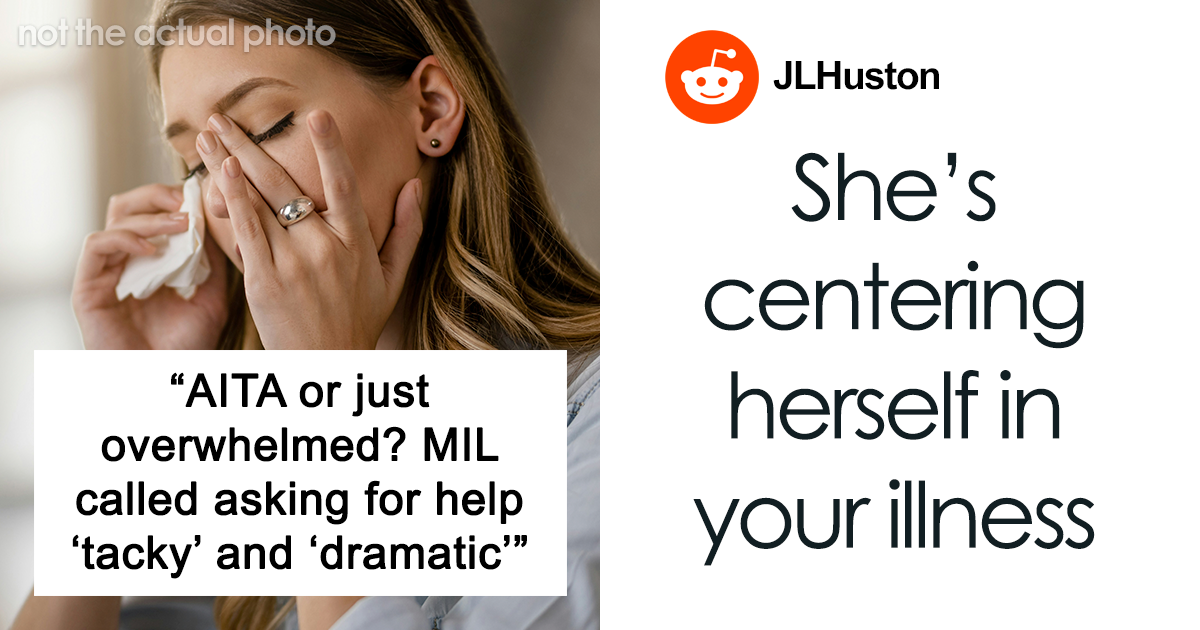
In one widely discussed family conflict, a woman dealing with cancer allowed a friend to post online asking for practical help. The request was not for a luxury vacation, designer handbag, or gold-plated emotional support llama. It was for real-life support: help with children, food cards, gas cards, and assistance connected to treatment trips. But instead of compassion, her mother-in-law reportedly called the post “tacky” and “dramatic,” saying, “This is not the family way.”
The internet, as it often does, immediately put on its robe, grabbed the gavel, and marched into the courtroom of public opinion. Most commenters sided with the patient, arguing that asking for help during cancer treatment is not shameful. In fact, it is often necessary. The situation raises a bigger question: when someone is sick, who gets to decide what dignity looks like?
The Main Issue: Asking For Help Is Not the Same as Creating Drama
The heart of this story is not really about one post. It is about control, vulnerability, pride, and the uncomfortable truth that illness exposes every crack in a family system. Some families respond to hardship by organizing meal trains, sharing rides, and showing up with casseroles that may or may not be edible. Other families respond by worrying about appearances.
Calling a cancer patient “dramatic” for needing support misses the point so badly it needs GPS. Cancer treatment can disrupt nearly every part of daily life. People may need transportation to appointments, lodging near treatment centers, help with meals, childcare, household chores, and emotional support. Even insured patients can face co-pays, deductibles, out-of-network surprises, medication costs, travel expenses, and income loss from missed work.
That is why many patients and caregivers turn to community support. Sometimes that support comes from relatives. Sometimes it comes from friends. Sometimes it comes from neighbors, coworkers, church groups, online communities, or crowdfunding platforms. The modern “village” is not always sitting around a family dining table. Sometimes it is a Facebook post, a meal sign-up sheet, a Venmo note, or a friend quietly dropping off groceries.
Why Cancer Treatment Often Creates Financial Pressure
The phrase “financial toxicity” is commonly used in cancer care to describe the economic stress caused by diagnosis and treatment. It sounds like something cooked up in a villain’s laboratory, but it is painfully real. Financial toxicity can include medical bills, travel costs, reduced income, unpaid leave, medication expenses, childcare needs, home care, lodging, and long-term debt.
Even when treatment itself is covered, the surrounding costs can pile up like laundry during tax season. A patient may need to drive several hours for chemotherapy, radiation, surgery, specialty care, or second opinions. Gas, parking, hotel stays, meals on the road, and time away from work can quickly become a second illness: one that attacks the bank account.
For parents, the pressure is even heavier. Cancer does not pause school pickups, lunchboxes, bedtime routines, laundry, tantrums, science projects, or the mysterious disappearance of every matching sock in the house. A parent in treatment may be physically exhausted, immunocompromised, nauseated, recovering from surgery, or emotionally drained. Asking for childcare help is not “tacky.” It is logistics. It is survival with a calendar.
Why People Feel Embarrassed Asking For Help
Many patients hesitate before asking for support because illness already makes them feel exposed. They may worry about looking needy, burdening others, or being judged. Add family criticism into the mix, and the shame can become crushing.
This is why the mother-in-law’s reaction hit such a nerve. The patient was already dealing with cancer. Instead of receiving reassurance, she received a social etiquette lecture. That is like handing someone a fire-safety pamphlet while their kitchen is actively on fire.
There is also a cultural layer here. Some families believe private struggles should stay private. They may see public requests for help as embarrassing or improper. But privacy is a personal choice, not a family brand-management campaign. If the person actually living through the illness gives permission for a post, that should carry more weight than someone else’s fear of how it “looks.”
The “Family Way” Should Mean Support, Not Silence
“This is not the family way” is a powerful phrase because it sounds traditional, serious, and morally loaded. But what does it actually mean?
If “the family way” means protecting appearances while a sick person struggles quietly, then maybe the family way needs a software update. If “the family way” means one relative gets to control how help is requested, who offers it, and what counts as respectable suffering, then it is not support. It is public relations with mashed potatoes.
A healthier family way might sound more like this: “You are not alone.” “Tell us what you need.” “We may not be able to do everything, but we can do something.” “Let’s make this easier, not harder.”
Support does not always require grand gestures. It can be a gas card, a freezer meal, a school pickup, a ride to treatment, a clean load of towels, or a text that does not demand a reply. When someone is in treatment, practical help often speaks louder than inspirational quotes slapped over sunset photos.
Was the Post “Tacky”?
In normal circumstances, asking acquaintances for money can feel awkward. But cancer treatment is not normal circumstances. Serious illness changes the etiquette map. What might seem too personal during an ordinary week can become entirely reasonable during a medical crisis.
A respectful help post usually works best when it is specific, transparent, and written with consent. For example, it may explain that a patient needs gas cards for treatment travel, meal support during recovery, childcare coverage during appointments, or help replacing income during unpaid leave. That kind of post gives people a clear way to help instead of forcing them to guess.
Many friends and extended relatives want to support someone with cancer but do not know how. They may be afraid of saying the wrong thing. They may not want to intrude. A simple post can turn vague concern into useful action. In other words, the post may not be dramatic at all. It may be a practical project-management tool wearing a hoodie.
What the Mother-in-Law May Have Been Feeling
To be fair, family conflicts are rarely one-dimensional. The mother-in-law may have felt embarrassed, protective, worried, or even hurt that others were being asked for support after she had already helped financially. She may have interpreted the post as a public announcement that the family was not doing enough.
But feelings do not automatically make someone right. A person can feel uncomfortable and still respond poorly. A relative can be generous financially and still be emotionally controlling. Two things can be true at once: the mother-in-law may have provided real help, and her reaction may still have been hurtful.
Financial support does not buy veto power over a patient’s voice. Helping someone through cancer should not come with invisible strings attached, especially strings that tighten whenever the patient seeks help from someone else.
Online Crowdfunding and Cancer: A Sign of Community and a Symptom of a Bigger Problem
Medical crowdfunding has become common in the United States because many families face costs that insurance, savings, and official assistance programs do not fully cover. Platforms such as GoFundMe are often used for treatment-related expenses, travel, rent, groceries, and recovery support.
But crowdfunding is not a perfect solution. It often depends on social networks, storytelling ability, online reach, and the comfort level of sharing private pain publicly. That means some families receive generous support while others struggle to get attention. The need for crowdfunding also points to a deeper issue: patients should not have to become marketing managers for their own medical survival.
Still, when a family is in crisis, using available tools is not shameful. It is practical. A person in treatment should not be expected to preserve everyone else’s comfort while their own life is being rearranged by illness.
How Friends Can Help Without Making Things Weird
Many people freeze when someone they love has cancer. They want to help, but they worry they will say the wrong thing. The result is often silence, which can feel worse than an awkward text. Fortunately, support does not have to be perfect. It just has to be useful.
Offer Specific Help
Instead of saying, “Let me know if you need anything,” try offering something concrete: “I can drive you Tuesday,” “I can take the kids Saturday morning,” “I can send dinner this week,” or “I can pick up prescriptions.” Specific help is easier to accept because it removes the burden of planning from the patient.
Respect the Patient’s Privacy
Do not share diagnosis details, treatment updates, photos, or fundraising links without permission. In this story, the friend reportedly had permission, which matters. Consent is the difference between support and becoming the town crier with Wi-Fi.
Do Not Keep Score
Illness support is not a competitive sport. A gas card from one person does not cancel out childcare from another. A family member who gave money does not get to shame friends who give meals. The goal is not to win the Helping Olympics. The goal is to reduce suffering.
How Patients Can Ask For Help Without Feeling Like a Burden
Asking for help is hard, especially for people used to being independent. But cancer treatment can demand more than one person, one spouse, or one immediate family can handle. A clear request is not a failure. It is a care strategy.
Patients may find it easier to let a trusted friend manage updates, organize meal trains, coordinate rides, or collect gift cards. This gives the patient breathing room and protects them from answering the same questions repeatedly. It also lets supporters feel useful without overwhelming the patient’s phone like a group chat that refuses to die.
A good help request can include what is needed, why it is needed, and how people can contribute. It should also give non-financial options, because not everyone can donate money. Some people can drive. Some can babysit. Some can mow the lawn. Some can send a meme so bad it loops back around to emotional support.
Boundaries Matter During Treatment
One of the most important lessons from this story is that illness does not eliminate boundaries. In fact, boundaries become more important. A patient has limited energy, and that energy should go toward healing, parenting, resting, and making medical decisions, not managing a relative’s reputation anxiety.
If a family member reacts with criticism, the patient and spouse may need to decide who handles communication. Often, the spouse should address conflict with their own parent rather than leaving the patient to absorb it. A simple boundary might be: “We appreciate your help, but we are not discussing whether we are allowed to accept support from others.”
Another boundary might involve privacy settings. If a relative cannot respond supportively, they do not need access to every update. Blocking, muting, limiting visibility, or asking a friend to manage posts can be less about punishment and more about peace.
What This Story Teaches About Compassion
Compassion is not just feeling bad for someone. Compassion is making the hard thing slightly less hard. It is noticing that a person is overwhelmed and choosing not to become another problem on the spreadsheet.
The mother-in-law’s reaction became controversial because it centered the wrong person. The patient’s cancer journey was not about preserving family pride. It was about getting through treatment, caring for children, and accepting help from people who wanted to give it.
When someone has cancer, the most helpful people are usually not the ones with the strongest opinions about appearances. They are the ones who show up, listen, respect boundaries, and understand that dignity can look like saying, “Yes, we need help.”
Experiences Related to Asking For Help During Cancer Treatment
Anyone who has supported a loved one through cancer knows that the crisis rarely arrives neatly. It does not knock politely, remove its shoes, and wait until the calendar is clear. It crashes through the door while someone still has work deadlines, kids with soccer practice, aging parents, car repairs, and a refrigerator containing one lemon, expired yogurt, and a suspicious container nobody wants to identify.
One common experience among cancer families is the sudden realization that “help” is not one thing. It is many tiny things. A neighbor bringing soup can matter as much as a relative writing a check. A friend driving someone to an appointment may provide emotional relief that no invoice can measure. A cousin watching the kids for two hours can give a patient the rare luxury of sleeping without one ear open.
People often assume the hardest part is the treatment itself, and treatment is indeed brutal for many patients. But the surrounding logistics can be just as exhausting. A patient may have an appointment at 8 a.m., labs at 10, imaging at 1, and a medication pickup afterward. If the treatment center is far away, the day becomes a full expedition. Someone has to drive, park, wait, take notes, remember instructions, and make sure the patient eats something more substantial than crackers from the bottom of a purse.
Another familiar experience is the emotional weirdness of accepting help. Many patients feel grateful and guilty at the same time. They may cry over a grocery delivery, not because the bananas are particularly moving, but because someone saw a need and met it without turning it into a debate. Support can make people feel loved, but it can also remind them how much their life has changed.
Caregivers face their own complicated reality. A spouse or adult child may become scheduler, driver, advocate, medication tracker, insurance caller, household manager, emotional shock absorber, and part-time detective trying to decode hospital bills. Caregivers may smile in public and then sit in the car for five minutes just to breathe. They need support too, but they are often too busy supporting someone else to ask for it.
This is why public requests for help can be so valuable. They turn private chaos into a shared plan. Instead of one exhausted person coordinating everything in whispers, a post can say, “Here is what we need.” That clarity helps friends act quickly. It also prevents the classic casserole avalanche, where everyone brings lasagna but nobody helps with transportation. Lasagna is lovely, but it cannot drive to oncology.
Families also learn that not everyone will respond well. Some people disappear because illness scares them. Some offer advice nobody requested. Some make the situation about themselves. And occasionally, someone criticizes the way help is requested, as in this MIL story. Those reactions hurt, but they also reveal who is safe to lean on and who should be placed gently outside the emotional blast radius.
The best support experiences usually share a few qualities: consent, specificity, humility, and consistency. The supporter asks before sharing personal details. They offer clear help. They do not demand praise. They keep showing up after the first wave of attention fades. Cancer support is not just the dramatic first announcement; it is week four, month three, scan day, recovery week, and the ordinary Tuesday when everyone else has gone back to normal but the patient has not.
In the end, asking for help during cancer treatment is not tacky. It is human. The truly tacky thing is seeing someone in crisis and choosing judgment as your contribution. If there is a “family way” worth protecting, it should be the way of compassion, flexibility, and practical love. Because when cancer enters the room, pride should not get the best chair.
Conclusion
The story of a mother-in-law criticizing a cancer patient’s help request struck a nerve because it reflects a real tension many families face: the clash between appearances and actual need. Cancer treatment can create emotional, physical, and financial pressure that no single person should be expected to carry alone. Asking for help with treatment travel, childcare, food, or household support is not dramatic. It is reasonable, practical, and often necessary.
The bigger lesson is simple: support should not come with shame attached. If friends and community members want to help, and the patient is comfortable accepting that help, then the most compassionate response is gratitude, not judgment. The family way should not mean silence. It should mean showing up.














