
Note: This article is for educational purposes only and should not replace medical advice from an orthopedic specialist, sports medicine physician, or physical therapist. Osteochondritis dissecans can involve damaged bone and cartilage, and some cases need imaging, bracing, or surgery. Natural treatment options work best when guided by a clinician who knows whether the lesion is stable, healing, or at risk of becoming a loose fragment.
What Is Osteochondritis Dissecans?
Osteochondritis dissecans, often shortened to OCD, is a joint condition in which a small area of bone beneath the cartilage loses healthy support. Over time, the overlying cartilage may soften, crack, or separate. If that piece becomes loose inside the joint, the joint can hurt, swell, lock, catch, or feel as if it is giving way. In other words, the joint starts acting like a door with a pebble stuck in the hingenot ideal, especially if that “door” is your knee, ankle, or elbow.
Osteochondritis dissecans most often affects children, teens, and young athletes, although adults can develop it too. The knee is the most common location, but OCD can also appear in the elbow, ankle, and other joints. Doctors do not always know the exact cause. Repetitive stress, sports overuse, reduced blood flow to a small area of bone, genetics, growth factors, and low vitamin D have all been discussed as possible contributors.
The good news is that not every case requires surgery. Stable lesions in growing children and adolescents may improve with conservative care. The less-good news: “natural” does not mean “do whatever feels fine and hope the cartilage writes an apology letter.” Proper rest, activity modification, physical therapy, bracing, nutrition, and careful return-to-sport planning are the backbone of non-surgical osteochondritis dissecans treatment.
Can Osteochondritis Dissecans Heal Naturally?
Sometimes, yesespecially when the patient is still growing, the lesion is stable, and treatment begins early. Natural treatment for osteochondritis dissecans usually means non-surgical, evidence-informed care that supports the body’s healing process. It does not mean ignoring symptoms or trying random internet remedies with a smoothie in one hand and a heating pad in the other.
Healing depends on several factors: age, lesion size, lesion stability, joint location, symptoms, and how long the problem has been present. Children and teens with open growth plates generally have better healing potential than adults. Adults with unstable fragments are more likely to need surgical treatment. That is why imagingoften X-rays and sometimes MRIis important. A doctor needs to know whether the cartilage and bone fragment are still attached.
Warning Signs You Should Not Ignore
Before diving into the five natural treatment options, let’s make one thing clear: osteochondritis dissecans is not a “walk it off” injury. Get medical evaluation if you have ongoing joint pain, swelling after activity, locking, catching, popping, weakness, loss of motion, or trouble bearing weight. These symptoms can suggest that the lesion is irritated or unstable.
Seek prompt care if the joint suddenly locks, becomes very swollen, feels unstable, or pain gets worse despite rest. The earlier OCD is diagnosed, the better the chance of protecting the joint surface and reducing the risk of long-term cartilage problems.
1. Activity Modification: The Most Underrated Natural Treatment
If osteochondritis dissecans had a least favorite word, it would be “push through.” Activity modification is often the first and most important natural treatment option. It means reducing or temporarily stopping activities that load, twist, pound, or repeatedly stress the injured joint.
What Activity Modification Looks Like
For knee OCD, this may mean avoiding running, jumping, cutting, squatting, stairs, and high-impact sports for a period of time. For elbow OCD, especially in throwers or gymnasts, it may mean stopping throwing, tumbling, weight-bearing on the arms, or repetitive overhead motions. For ankle OCD, it often means limiting running, jumping, and quick directional changes.
This is not laziness. This is strategy. Bone and cartilage need a calmer environment to heal. Continuing the same activity that irritated the joint is like trying to dry your shoes while standing in a puddle.
How Long Does Rest Take?
The timeline varies. Many conservative treatment plans involve several weeks to several months of reduced activity. Some children begin to feel better after a few months of rest and non-surgical care, but symptoms improving does not always mean the lesion is fully healed. A doctor may repeat imaging before clearing a full return to sports.
During this period, the goal is not to become inactive forever. It is to avoid the specific movements that overload the lesion while maintaining general fitness in safe ways. Depending on the joint involved, a clinician may allow swimming, upper-body conditioning, stationary cycling, or other low-impact activities. The key phrase is “clinician-approved,” not “I saw someone do it on TikTok.”
2. Bracing, Crutches, or Immobilization to Reduce Joint Stress
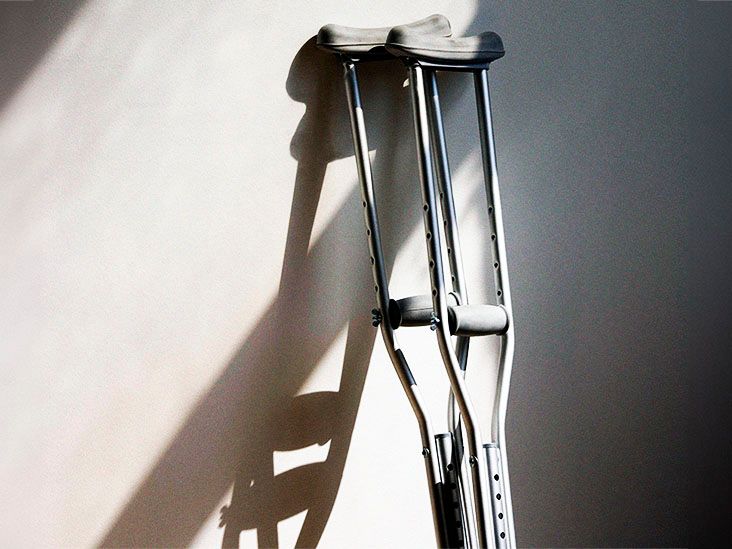
Another natural treatment option for osteochondritis dissecans is mechanical unloading. This means using tools such as crutches, a brace, a cast, or a splint to reduce pressure on the affected area while the bone tries to heal.
Why Unloading Helps
Every step, jump, throw, or landing creates force through a joint. When a small area of bone and cartilage is injured, repeated force can delay healing. A brace or crutches can reduce that load. In knee OCD, a brace may help control motion or shift pressure away from the lesion. In elbow OCD, a period of rest or immobilization may calm irritation. In ankle OCD, a walking boot or crutches may be used depending on symptoms and lesion severity.
Think of unloading as giving the injured joint a temporary “quiet room.” It is not glamorous, and it will not win fashion week, but it can be extremely useful.
Do Not DIY Your Brace Plan
Bracing should be individualized. The wrong brace, the wrong fit, or too much immobilization can cause stiffness, weakness, or poor movement habits. A healthcare professional can decide whether you need full rest, partial weight-bearing, protected weight-bearing, or a specific brace. The plan may change as pain, swelling, range of motion, strength, and imaging improve.
3. Physical Therapy: Rebuild the Support Team Around the Joint
Physical therapy is one of the most important non-surgical treatments for osteochondritis dissecans. But it must be done at the right time and with the right exercises. The goal is not to attack the joint with “beast mode” workouts. The goal is to restore motion, strength, alignment, balance, and control without irritating the lesion.
What Physical Therapy May Include
A physical therapist may focus on gentle range-of-motion exercises, stretching, strengthening, balance training, gait retraining, and sport-specific mechanics. For knee OCD, therapy often emphasizes hip, glute, quadriceps, hamstring, and calf strength. Strong hips and thighs help control knee position during walking, landing, and cutting. For elbow OCD, therapy may focus on shoulder mobility, scapular control, forearm strength, and throwing mechanics. For ankle OCD, therapy may include calf strength, foot control, balance, and gradual loading.
Physical therapy also helps identify movement patterns that may have contributed to overload. Maybe the knee collapses inward during landing. Maybe a pitcher’s shoulder is stiff, forcing the elbow to take extra stress. Maybe the ankle lacks mobility, so every landing looks like a negotiation with gravity. PT helps clean up those patterns.
What to Avoid During Rehab
Exercises that cause swelling, sharp pain, catching, locking, or next-day flare-ups should be adjusted. Pain is information, not a motivational speaker. Mild muscle fatigue is normal; joint pain that feels deep, sharp, or unstable is not something to celebrate.
A good rehab plan usually progresses in stages. First comes calming symptoms and protecting the joint. Then comes restoring comfortable movement. Next comes strength and control. Finally, the athlete returns to sport-specific drills, then practice, then competition. Skipping stages may feel efficient, but joints are not impressed by shortcuts.
4. R.I.C.E. and Smart Symptom Control
R.I.C.E.rest, ice, compression, and elevationis a classic natural approach for managing pain and swelling from overuse injuries. It will not magically reattach cartilage, but it can help calm irritated tissues and make daily life more comfortable while the main treatment plan does its job.
Rest
Rest means avoiding the painful activity, not necessarily becoming a couch ornament. The best rest is targeted. For example, a runner with knee OCD may need to stop running but still do safe upper-body strengthening or gentle mobility work. A baseball player with elbow OCD may need to stop throwing while maintaining safe lower-body and core conditioning.
Ice
Cold therapy may help reduce swelling and soreness after activity or therapy. A common approach is icing for 15 to 20 minutes at a time with a cloth barrier to protect the skin. Ice should not be used directly on bare skin, and it should not cause numbness, burning, or skin changes.
Compression and Elevation
Compression sleeves or wraps may help mild swelling, especially around the knee or ankle. They should feel snug, not like the joint is being gift-wrapped by an angry elf. Elevation can also help swelling, especially when the joint is raised above heart level.
Heat: Sometimes Helpful, Sometimes Not
Heat may help warm up muscles before gentle movement, but it is not always ideal for swollen joints. If the joint is puffy or inflamed after activity, ice is usually the better first choice. When in doubt, ask a clinician or physical therapist what is appropriate for your symptoms.
5. Bone-Supportive Nutrition, Sleep, and Recovery Habits
Nutrition will not “cure” osteochondritis dissecans by itself. No food can glue a loose cartilage fragment back into place. However, bone and cartilage healing require energy, protein, vitamins, minerals, and recovery time. If the body is underfed, underslept, or running on energy drinks and vibes, healing may not go as well as it could.
Prioritize Protein
Protein supports tissue repair and muscle maintenance during reduced activity. Good options include eggs, fish, poultry, lean meats, Greek yogurt, beans, lentils, tofu, tempeh, and nuts. Athletes who suddenly reduce training sometimes eat too little because they fear gaining weight. That can backfire. The body still needs fuel to heal.
Get Enough Calcium and Vitamin D
Calcium is a major building block of bone, and vitamin D helps the body absorb calcium. Food sources of calcium include dairy products, fortified plant milks, fortified orange juice, tofu made with calcium, canned salmon or sardines with bones, leafy greens, and almonds. Vitamin D can come from sunlight exposure, fortified foods, fatty fish, egg yolks, and supplements if recommended by a healthcare provider.
Because low vitamin D has been linked with bone health problems and is sometimes discussed in relation to osteochondritis dissecans, it is reasonable to ask a clinician whether vitamin D testing is appropriate. Do not mega-dose supplements without medical guidance. More is not always better; sometimes more is just more expensive urine with potential side effects.
Eat Anti-Inflammatory Foods
An anti-inflammatory eating pattern can support overall recovery. Focus on colorful fruits, vegetables, whole grains, beans, olive oil, nuts, seeds, and omega-3-rich foods such as salmon, sardines, trout, chia seeds, and walnuts. Limit ultra-processed foods, excessive added sugar, and frequent fried foods. This does not mean one cookie ruins your cartilage. It means your usual pattern matters.
Sleep Like Healing Is Your Job
Sleep is when the body performs a lot of repair work. Teens often need more sleep than they get, and injured athletes may need to treat sleep as part of rehab. Consistent bedtimes, limited late-night screens, and a cool, dark room can help. Yes, this is the boring advice. It is also the advice that works.
What About Supplements, Herbs, or “Cartilage Repair” Products?
Many products claim to rebuild cartilage, reduce inflammation, or heal joints naturally. Be cautious. Supplements such as glucosamine, chondroitin, collagen, turmeric, and omega-3s are often marketed for joint health, but evidence for osteochondritis dissecans specifically is limited. Some may interact with medications or be inappropriate for certain people.
If you are considering supplements, discuss them with a healthcare provider, especially if the patient is a child or teen. A balanced diet, adequate vitamin D and calcium status, and a structured rehab plan are more important than chasing miracle capsules with dramatic labels.
How to Return to Sports Safely
Returning to sports after osteochondritis dissecans should be gradual. The athlete should generally have no swelling, no locking, no catching, full or near-full range of motion, good strength, and the ability to perform sport-specific movements without pain. Imaging may be needed to confirm healing before full clearance.
A return-to-play plan may begin with low-impact conditioning, then controlled drills, then partial practice, then full practice, and finally competition. The exact steps depend on the joint, sport, lesion, and medical plan. A gymnast, soccer player, pitcher, dancer, and basketball player all load their joints differently. The rehab plan should respect those differences.
Common Mistakes That Slow Healing
Mistake 1: Resting Only Until Pain Improves
Pain may fade before the lesion fully heals. Returning too soon can restart symptoms or worsen the injury. Follow-up appointments matter.
Mistake 2: Skipping Physical Therapy
Rest may calm the joint, but it does not automatically fix weakness, stiffness, poor balance, or faulty mechanics. PT helps rebuild the foundation.
Mistake 3: Playing Through Swelling
Swelling is not just “extra joint juice.” It is a sign that the joint is irritated. Repeated swelling after activity should be discussed with a clinician.
Mistake 4: Treating Natural Care as No Care
Natural treatment is still treatment. It needs structure, consistency, and follow-up. Random rest days and inspirational quotes are not a medical plan.
When Surgery May Be Needed
Natural treatment options are most appropriate for stable lesions, especially in younger patients. Surgery may be considered if the fragment is loose, the lesion is unstable, symptoms persist despite conservative care, or the patient is older and less likely to heal with rest alone. Surgical options vary and may include drilling to encourage healing, fixation of the fragment, removal of loose bodies, or cartilage restoration procedures.
Needing surgery does not mean anyone failed. It simply means the joint needs a different tool. The goal is the same: reduce pain, preserve cartilage, restore function, and help the patient return safely to daily life and activity.
Experience Section: What Recovery From Osteochondritis Dissecans Can Feel Like
In real life, osteochondritis dissecans recovery is often less dramatic than people expectbut also more emotionally challenging. The hardest part is usually not the brace, the crutches, or the physical therapy exercises. It is the waiting. An athlete who is used to measuring progress by points scored, miles run, routines landed, or pitches thrown suddenly has to measure progress by swelling that does not appear, pain that stays quiet, and a doctor saying, “Let’s give it more time.” That can feel like watching paint dry while everyone else is at practice.
A common experience begins with vague discomfort. Maybe the knee aches after basketball. Maybe the elbow hurts after throwing. Maybe the ankle feels sore after running. At first, the pain seems ordinary, the kind of thing athletes often brush off. Then it keeps returning. The joint may swell after activity. It may feel stiff the next morning. A parent, coach, or trainer finally says, “This has gone on too long,” and medical evaluation begins.
The diagnosis can be confusing because osteochondritis dissecans sounds like a spell from a fantasy novel. Once the doctor explains that a small area of bone and cartilage is injured, the treatment plan starts to make sense. Rest is not punishment; it is protection. Crutches are not a step backward; they are a way to reduce load. Physical therapy is not busywork; it is the process of teaching the body to move better when the joint is ready.
Many patients find that recovery improves when they stay involved in their sport in modified ways. A soccer player may attend practice, help track drills, or work on upper-body strength. A baseball player may study mechanics, support teammates, or build lower-body mobility. A dancer may focus on approved core work, flexibility, and musicality. Staying connected can reduce frustration and remind the athlete that temporary rest does not erase identity.
Families also learn patience. Progress may come in quiet milestones: less swelling, smoother walking, better range of motion, stronger hips, improved balance, or a pain-free set of rehab exercises. These wins may not look exciting on social media, but they matter. Recovery is built from small, repeatable choices.
The best mindset is cautious optimism. Many young patients with stable lesions do well with conservative care, but the joint gets the final vote. If symptoms return, the plan may need adjusting. If imaging shows incomplete healing, sports may need to wait. If surgery becomes necessary, it is not the end of the storyit is another path toward the same goal.
Osteochondritis dissecans teaches a lesson most athletes do not love at first: rest is not weakness. Smart recovery is a skill. Listening to the body, following medical guidance, eating well, sleeping enough, and rebuilding strength gradually can protect the joint not just for the next season, but for years of movement ahead.
Conclusion
Osteochondritis dissecans is a serious joint condition, but a diagnosis does not automatically mean surgery. For stable lesions, especially in children and teens, natural treatment options may support healing. The five most useful approaches are activity modification, bracing or protected weight-bearing, physical therapy, R.I.C.E.-based symptom control, and bone-supportive nutrition with strong recovery habits.
The most important message is simple: do not guess. Get evaluated, understand whether the lesion is stable, follow the treatment plan, and return to activity gradually. Joints are loyal, hardworking structures. Treat them well, and they are far more likely to return the favor.














