
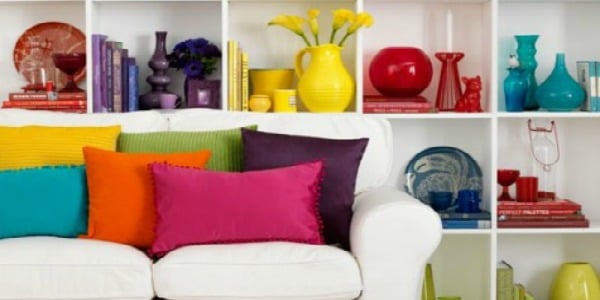
Some rooms whisper. Some rooms politely clear their throat. And then there are rainbow roomsspaces that walk in wearing a sequined jacket, carrying a tray of cupcakes, and somehow still feel perfectly at home. A rainbow room, also known as a full color spectrum room, is not just a space where every color has been invited to the party. It is a thoughtfully designed interior that uses the full emotional range of colorred, orange, yellow, green, blue, indigo, violet, and all their stylish cousinsto create joy, movement, balance, and personality.
Done well, rainbow rooms are not chaotic. They are layered, intentional, and surprisingly livable. They can be bold enough for a creative studio, soft enough for a nursery, polished enough for a living room, and playful enough for a kid’s bedroom where stuffed animals apparently need real estate. The secret is not using every color everywhere. The secret is learning how color behaves, how rooms absorb light, and how to give the eye a place to rest before it files a formal complaint.
In this guide, we will explore how to design full color spectrum rooms that feel vibrant, modern, and comfortable. You will learn practical rainbow room ideas, color theory basics, room-by-room examples, decorating mistakes to avoid, and ways to bring the look into your home without making it feel like a paint store sneezed.
What Are Rainbow Rooms?
Rainbow rooms are interiors that use multiple colors from across the color spectrum as a major design feature. This can mean a literal rainbow mural, a colorful rug, painted arches, color-blocked walls, multicolor furniture, layered textiles, or a curated palette that moves through warm and cool tones. The look can be maximalist and dramatic, or soft and pastel. It can be modern, vintage, bohemian, eclectic, or even surprisingly minimalist.
The phrase full color spectrum rooms sounds fancy, like something a designer would say while holding a tiny espresso, but the idea is simple: instead of relying on one or two colors, the room uses a wide color range to create energy and depth. A spectrum room may include primary colors, secondary colors, jewel tones, pastels, earthy shades, or neon accents. The key is harmony.
Why Rainbow Rooms Are Having a Moment
After years of white walls, gray sofas, beige rugs, and homes that looked like they were waiting for a real estate photographer to leave, people are craving interiors with more personality. Colorful interiors feel expressive. They tell visitors, “Someone interesting lives here,” or at least, “Someone owns throw pillows with confidence.”
Rainbow rooms also connect with the rise of dopamine decor, color drenching, playful maximalism, and highly personalized home design. Homeowners are no longer asking only, “Will this look good?” They are also asking, “Will this make me feel good?” That shift matters. A colorful room can energize a work area, soften a bedroom, brighten a hallway, or turn a plain mudroom into the most cheerful traffic jam in the house.
The Color Theory Behind Full Color Spectrum Rooms
Before decorating with every color under the sun, it helps to understand the color wheel. The classic color wheel includes primary colors, secondary colors, and tertiary colors. Designers often use it to build palettes that feel balanced instead of random.
Analogous Colors
Analogous colors sit next to each other on the color wheel, such as yellow, yellow-orange, and orange, or blue, blue-green, and green. This approach works beautifully in rainbow rooms because it creates flow. A bedroom with blush, coral, peach, and soft yellow feels colorful but gentle. A bathroom with teal, aqua, blue, and lavender feels fresh and calm.
Complementary Colors
Complementary colors sit opposite each other on the color wheel, such as blue and orange, red and green, or purple and yellow. These combinations create contrast and energy. A rainbow living room might use a cobalt sofa with tangerine pillows or a green bookshelf with pink art. The trick is balance. One color should lead; the other should sparkle in the background like a supporting actor who knows exactly when to wink.
Triadic Color Schemes
A triadic palette uses three colors evenly spaced around the wheel. Think red, yellow, and blue, or purple, green, and orange. Triadic schemes are excellent for full spectrum rooms because they offer variety without total chaos. Use one shade as the main color, one as the secondary color, and the third as the accent.
The Golden Rule: Give Color a Job
The biggest mistake in rainbow room design is treating color like confetti. Confetti is fun for six seconds and then someone has to vacuum. Instead, every color should have a job. One color may define the walls. Another may appear in furniture. A third may repeat through artwork, books, curtains, or lamps. Repetition makes a colorful room feel intentional.
A helpful design strategy is the 60-30-10 rule. Use one dominant color for about 60 percent of the room, a secondary color for about 30 percent, and one or more accents for the remaining 10 percent. In a rainbow room, this rule can be adapted. For example, the room might have warm white walls, a green sofa, a blue rug, yellow lamps, pink pillows, and red art. The space still reads as colorful, but it does not feel like seven colors are fighting over the remote.
Rainbow Room Ideas for Every Space
Rainbow Living Room
A rainbow living room should feel lively but still comfortable. Start with a grounding element, such as a neutral wall color, a wood floor, a large solid-color sofa, or a natural fiber rug. Then layer in color through art, textiles, accent chairs, painted furniture, and decorative objects.
For a polished look, choose a palette of five to seven colors and repeat them throughout the room. A full color spectrum living room might include a navy sofa, emerald chair, mustard ottoman, coral pillows, lavender artwork, and a multicolor rug. Add black or warm wood accents to keep the room from floating away into candy-land territory.
Rainbow Bedroom
A bedroom should support rest, so rainbow color needs a softer hand. Instead of painting every wall in high-energy shades, try pastel rainbow stripes, a watercolor mural, colorful bedding, a painted headboard wall, or a spectrum-inspired gallery wall. Cool tones like blue, green, and lavender work especially well in sleep spaces, while warm tones can appear in small doses through pillows, lamps, or art.
For kids’ rooms, rainbow designs can be magical without being overwhelming. A soft arch mural behind the bed, a multicolor bookshelf, or a rug with cheerful stripes adds personality while leaving enough calm space for bedtime. Because, apparently, children are expected to sleep even when their room looks like happiness learned carpentry.
Rainbow Kitchen
Kitchens are excellent places for controlled bursts of color. Try colorful bar stools, painted cabinets, open shelves with bright dishes, a tile backsplash in multiple tones, or a pantry door in a surprising shade. If you love bold design, use one major color for cabinets and add smaller spectrum accents through hardware, lighting, and accessories.
A full color spectrum kitchen does not need to look childish. Deep teal cabinets, terracotta tile, brass lighting, red art, and green plants can create a sophisticated rainbow effect. The colors are rich, grown-up, and cheerfulthe design equivalent of eating cake with a salad fork and calling it balance.
Rainbow Bathroom
Bathrooms are ideal for color experiments because they are smaller and easier to update. A powder room can handle dramatic wallpaper, rainbow tile, color-blocked paint, or a saturated ceiling. If the bathroom is tiny, use lighter colors and reflective finishes to keep the room feeling open.
For a playful but chic rainbow bathroom, consider white walls with a multicolor tile stripe, a bright vanity, colorful towels, and framed art. This gives the space personality without making guests feel trapped inside a box of crayons.
Rainbow Home Office
A home office can benefit from color because color can shape focus, creativity, and mood. A full color spectrum office might use a calm base color with energizing accents. Try blue-green walls for focus, yellow accessories for optimism, red or orange art for energy, and a colorful rug to pull everything together.
If your work involves creative thinking, a rainbow office can be especially inspiring. If your work involves spreadsheets, it may at least help the spreadsheets feel less like tiny prisons with formulas.
How to Make Rainbow Rooms Look Sophisticated
Rainbow rooms can easily become too busy if every surface competes for attention. The goal is not to remove color, but to edit it. Sophisticated colorful interiors usually have structure. They use consistent undertones, repeated shades, quality materials, and a mix of solids and patterns.
Choose a Consistent Undertone
Colors have undertones. Some feel warm, some feel cool, and some are muted or earthy. A room with dusty rose, sage green, ochre, clay, and muted blue feels cohesive because the colors share a softened quality. A room with neon green, burgundy, pastel pink, icy gray, and pumpkin orange may be harder to manage unless you are decorating a very confident arcade.
Use Neutrals as Breathing Room
White, cream, beige, gray, black, wood, and natural textures help colorful rooms feel grounded. Neutrals give the eye a break. They also make bright accents stand out. In rainbow room design, neutrals are not boring; they are the responsible friend making sure everyone drinks water.
Repeat Colors Around the Room
If you use yellow on one side of the room, repeat it somewhere else. The same goes for pink, blue, green, or orange. Repetition creates rhythm. A pink lampshade, pink book spine, and pink detail in a painting will feel connected. A single random pink chair with no friends may look like it wandered in from another apartment.
Mix Pattern Carefully
Pattern is welcome in rainbow rooms, but scale matters. Combine one large-scale pattern, one medium pattern, and one small pattern. For example, use a bold striped rug, floral pillows, and a tiny geometric lampshade. Keep at least one major element solid to prevent visual overload.
Best Decor Pieces for Full Color Spectrum Rooms
If you are not ready to paint walls, start with decor. A multicolor rug is one of the easiest ways to introduce a rainbow palette because it can connect many shades at once. Artwork is another low-commitment option. Large abstract paintings, framed prints, woven wall hangings, or colorful photography can establish the room’s palette.
Other useful pieces include colorful throw pillows, painted side tables, ceramic lamps, books arranged by color, patterned curtains, rainbow glassware, bright storage bins, and statement chairs. Plants also help. Greenery works with nearly every color and adds a natural pause between bright elements.
Paint Ideas for Rainbow Rooms
Painted Arches
Painted arches are friendly, modern, and easier than wallpaper. Use one large arch behind a bed, desk, or reading nook. For a rainbow effect, layer several arches in soft bands, moving from coral to peach to yellow to green to blue.
Color-Blocked Walls
Color blocking uses geometric sections of paint to define areas. Try a half-wall in teal, a ceiling border in lavender, or a corner painted in two complementary colors. This approach works well in playrooms, offices, and creative studios.
Rainbow Trim
If you want a subtle spectrum room, paint the trim in different colors while keeping the walls neutral. Doors, window frames, baseboards, and built-ins can carry color in a refined way. It is playful, but still architectural.
Color-Drenched Corners
Color drenching means painting walls, trim, and sometimes ceilings in the same color. For a rainbow-inspired twist, color-drench one small spacelike a reading nook, pantry, powder room, or closetin a bold shade, then connect it to other colors in the home through decor.
Common Rainbow Room Mistakes to Avoid
Using Too Many Equal-Strength Colors
If every color is equally bright, the room can feel noisy. Choose one or two bold shades and support them with softer colors. A room needs a lead singer, not seven lead singers performing different songs at the same time.
Ignoring Natural Light
Paint colors change throughout the day. Sunlight, shade, artificial lighting, and room direction all affect how colors appear. Always test paint samples on the actual wall before committing. A cheerful yellow in the store may become “aggressive banana” at noon.
Forgetting Function
A rainbow room still needs to work. A colorful dining room should support conversation. A bedroom should feel restful. A home office should encourage focus. Match the energy of the palette to the purpose of the space.
Skipping Texture
Color alone can look flat. Add texture with velvet, linen, wool, rattan, wood, ceramic, glass, metal, and plants. Texture makes full color spectrum rooms feel layered instead of loud.
Full Color Spectrum Rooms for Renters
Renters can absolutely enjoy rainbow rooms without risking a dramatic conversation with the landlord. Use peel-and-stick wallpaper, removable decals, colorful curtains, rugs, lamps, bedding, art, and furniture. A rainbow bookshelf or painted thrift-store dresser can transform a room without touching the walls.
Another renter-friendly trick is to create a color story with textiles. Choose a multicolor rug, then pull shades from it for pillows, throws, curtains, and art. The room will feel designed, even if the walls remain the same official rental shade of “landlord oatmeal.”
Budget-Friendly Rainbow Room Ideas
You do not need a luxury budget to create a rainbow room. Start by shopping your own home. Gather colorful books, bowls, blankets, art, baskets, and frames. Group items by color to create instant visual impact. Rearranging what you already own can make a room feel new.
Thrift stores are also treasure chests for colorful design. Look for lamps, frames, side tables, mirrors, ceramics, and vintage textiles. A little paint can transform mismatched furniture into a coordinated rainbow palette. Choose three or four paint colors and repeat them across small pieces for a custom look.
Real-Life Experience: Living With Rainbow Rooms
The first thing people notice about a rainbow room is the color. The second thing they notice is how it makes them feel. A well-designed full color spectrum room has a way of changing the energy of the day. Walk into a gray room and you may think about your inbox. Walk into a rainbow room and suddenly you remember that you own music, snacks, and possibly a personality.
One of the most enjoyable experiences with rainbow rooms is how personal they become. Unlike a plain neutral room, a colorful room tends to collect stories. The yellow chair may come from a flea market. The blue vase may be from a vacation. The pink print may be something you bought because it made you laugh. Over time, the space becomes less like a showroom and more like a visual diary.
Rainbow rooms are also surprisingly flexible. Many people assume a colorful room will be hard to update, but the opposite can be true if the foundation is thoughtful. If the room uses a multicolor rug, neutral walls, and repeated accent shades, you can change the mood by swapping pillows, artwork, or lampshades. In spring, the room may lean pastel with mint, peach, and sky blue. In fall, it can shift toward rust, plum, mustard, and olive. The rainbow remains, but the flavor changes.
Another lesson from living with full color spectrum rooms is that color affects routines. A cheerful breakfast nook can make mornings feel less like a negotiation with gravity. A colorful entryway can make coming home feel welcoming. A playful laundry room may not make folding towels thrilling, but it can make the task slightly less tragic. Color does not solve everything, but it can improve the emotional background of everyday life.
The best rainbow rooms also invite creativity. Children may use the space for drawing, reading, and imaginative play. Adults may find themselves more willing to host friends, rearrange shelves, or try new decor combinations. A colorful room gives permission to experiment. It says the house is not a museum. It is a living place, and living places are allowed to have orange lamps.
Of course, there are practical lessons too. Test paint before using it. Buy the rug before choosing every accent color. Leave blank space. Use dimmable lighting. Do not underestimate the power of a plain white lampshade. And when in doubt, repeat a color three times. Repetition is the magic trick that makes colorful design look intentional.
The most rewarding part of a rainbow room is the reaction it creates. Guests often smile before they say anything. Kids gravitate toward the color. Adults ask where pieces came from. The room becomes a conversation starter, but not in a forced way. It simply feels alive. And in a world where so many interiors are designed to be safe, a rainbow room feels refreshingly brave.
Conclusion
Rainbow rooms and full color spectrum rooms are not about throwing every color at the wall and hoping for applause. They are about designing with joy, rhythm, proportion, and personality. Whether you choose a soft pastel rainbow bedroom, a dramatic jewel-tone living room, a colorful kitchen, or a playful powder room, the best results come from balance.
Start with a clear palette. Use the color wheel as a guide. Repeat key shades. Add neutrals and texture. Test colors in your real lighting. Most importantly, choose colors that feel like you. A beautiful rainbow room does not need to impress everyone. It needs to make the people who live there feel more at home.
So go ahead. Add the coral pillow. Paint the bookshelf green. Hang the wild abstract art. Let the blue chair meet the yellow lamp. A full color spectrum room is proof that home design can be practical, personal, and joyful all at once. And if anyone says it is too colorful, offer them a beige throw blanket and wish them well on their minimalist journey.













