
A stroke can arrive like an uninvited guest who not only barges through the door but also rearranges the furniture, hides the car keys, and changes the Wi-Fi password. In medical terms, a stroke happens when blood flow to part of the brain is blocked or when a blood vessel in the brain bursts. In human terms, life before and after may feel dramatically different.
The long-term effects of stroke vary widely. One person may struggle mainly with weakness on one side of the body. Another may speak clearly but feel exhausted after a short conversation. Someone else may look “fine” on the outside while silently wrestling with memory problems, depression, anxiety, or personality changes. Stroke recovery is not a straight hallway; it is more like a house with many rooms, a few locked doors, and occasionally a sock on the ceiling fan.
This guide explains the physical, emotional, cognitive, communication, social, and lifestyle effects that may continue months or years after a stroke. It also explores rehabilitation, caregiving, prevention of another stroke, and realistic ways survivors can rebuild independence and quality of life.
What are the long-term effects of stroke?
The long-term effects of stroke are ongoing changes that remain after the first emergency phase has passed. These effects may involve movement, speech, swallowing, memory, mood, behavior, vision, sensation, bladder control, pain, fatigue, and daily independence. Some effects improve quickly. Others require months or years of rehabilitation. A few may become permanent but still manageable with the right tools, therapy, and support.
Stroke is a leading cause of serious long-term disability in the United States. That sounds heavy because it is. But disability does not mean life stops. It means life may need new strategies, new routines, and sometimes a very patient relationship with elastic-waist pants and appointment calendars.
Physical effects after stroke
Physical changes are often the most visible long-term effects of stroke. Because different parts of the brain control different body functions, the symptoms depend on where the stroke occurred and how much brain tissue was affected.
Weakness or paralysis
Many stroke survivors experience weakness, partial paralysis, or complete paralysis on one side of the body. This may affect the face, arm, hand, leg, or foot. A survivor may drag one foot, have trouble lifting an arm, or find that buttoning a shirt has become an Olympic-level event.
Physical therapy helps rebuild strength, balance, coordination, and walking ability. Occupational therapy focuses on practical daily skills such as dressing, bathing, cooking, writing, and using adaptive equipment. Recovery often improves most rapidly in the first few months, but progress can continue long after that with consistent practice.
Spasticity and muscle stiffness
Spasticity is a common post-stroke condition in which muscles become stiff, tight, or difficult to control. It may affect the elbow, wrist, fingers, ankle, or toes. The hand may curl inward, the arm may resist movement, or the foot may point downward while walking.
Untreated spasticity can lead to pain, poor posture, joint problems, and difficulty with hygiene or dressing. Treatment may include stretching, splints, physical therapy, occupational therapy, medications, nerve blocks, or botulinum toxin injections. The goal is not to turn anyone into a yoga influencer overnight; it is to reduce discomfort and improve function.
Balance, coordination, and walking problems
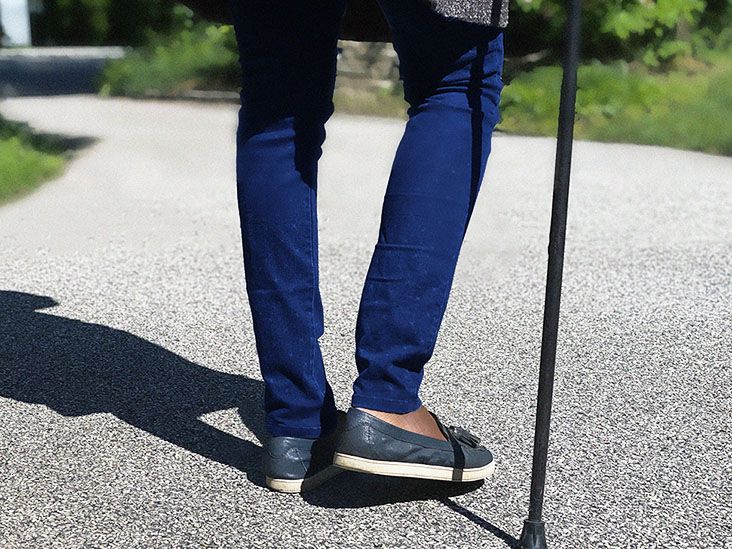
Stroke can disrupt balance and spatial awareness. A person may feel unsteady, dizzy, or unsure where their body is in space. Walking may become slower, less symmetrical, or more tiring. Some survivors use a cane, walker, brace, wheelchair, or ankle-foot orthosis for safety and mobility.
Gait training, strength exercises, balance practice, and home modifications can reduce fall risk. Removing loose rugs, improving lighting, installing grab bars, and organizing furniture can make the home less like an obstacle course designed by a mischievous raccoon.
Pain, numbness, and sensory changes
Some survivors develop numbness, tingling, burning pain, shoulder pain, headaches, or unusual sensitivity to touch. Central post-stroke pain can occur when the brain’s pain-processing pathways are affected. This pain may feel burning, aching, freezing, or electric.
Post-stroke pain deserves medical attention. It is not “just part of recovery” and should not be dismissed. Treatment may involve physical therapy, positioning, medications for nerve pain, injections, or pain-management strategies.
Fatigue that does not match the activity
Post-stroke fatigue is one of the most frustrating long-term effects because it can appear even after mild activity. A survivor may wake up tired, need naps after routine tasks, or feel mentally drained from conversations, errands, or therapy sessions.
This fatigue is not laziness. The brain is working harder to perform tasks that used to happen automatically. Energy conservation, scheduled rest, sleep evaluation, gradual exercise, nutrition, and treating depression or pain can help. The survivor’s new motto may be: “I am not quitting; I am strategically recharging.”
Communication and swallowing effects
Stroke can affect how a person speaks, understands language, reads, writes, and swallows. These changes can be deeply emotional because communication is tied to identity, relationships, work, humor, and ordering tacos correctly.
Aphasia
Aphasia is a language disorder that often occurs after a stroke affecting language areas of the brain. It may cause trouble speaking, understanding speech, reading, writing, or finding the right words. Importantly, aphasia does not mean a person has lost intelligence. The thoughts may be clear, but the words are stuck in traffic.
Speech-language therapy can help survivors rebuild language skills and develop communication strategies. Family members can support communication by speaking slowly, asking yes-or-no questions, allowing extra time, using gestures, and not finishing every sentence unless invited.
Dysarthria and voice changes
Dysarthria happens when stroke affects the muscles used for speech. Speech may sound slurred, soft, slow, strained, or unclear. Unlike aphasia, dysarthria is a motor speech problem rather than a language problem. Therapy may focus on breath support, articulation, pacing, and strengthening speech muscles.
Swallowing problems
Dysphagia, or difficulty swallowing, can increase the risk of choking, poor nutrition, dehydration, and aspiration pneumonia. Survivors may cough while eating, avoid certain textures, or feel food sticking in the throat.
A speech-language pathologist may recommend swallowing exercises, diet texture changes, posture adjustments, or safer eating techniques. It may not sound glamorous, but safe swallowing can be a major victory in stroke recovery.
Cognitive effects after stroke
Cognitive changes are common after stroke and may affect memory, attention, planning, problem-solving, decision-making, processing speed, and awareness. These symptoms can be invisible to others, which sometimes makes them even harder to explain.
Memory and attention problems
A survivor may forget appointments, lose track of conversations, repeat questions, or become overwhelmed by too much information at once. Multitasking may feel impossible. Before stroke, making dinner while answering a text and listening to the news might have been normal. After stroke, even choosing between soup and salad can feel like negotiating a peace treaty.
Helpful tools include calendars, phone reminders, pill organizers, written routines, labels, notebooks, and quiet environments. Cognitive rehabilitation can also help survivors practice attention, memory, and problem-solving skills.
Executive function challenges
Executive function is the brain’s management system. It helps people plan, organize, start tasks, control impulses, and adjust when plans change. After stroke, a person may struggle to pay bills, follow recipes, manage medications, return to work, or make safe decisions.
Support does not always mean taking over. Often, it means creating structure: checklists, simplified steps, automatic payments, medication schedules, and consistent routines. A good routine can become the brain’s backup assistant.
Neglect and reduced awareness
Some survivors experience spatial neglect, meaning they may ignore or fail to notice one side of the body or environment. For example, they may eat food from only one side of the plate, bump into doorframes, or forget to dress one side of the body.
Therapy may use visual scanning exercises, mirrors, cues, and environmental changes. Loved ones should understand that neglect is not stubbornness. The brain is not receiving or processing information normally.
Emotional and behavioral effects
Stroke affects the brain, and the brain manages emotions, behavior, motivation, and personality. Emotional changes after stroke are not a character flaw. They are part of the injury, the adjustment, or both.
Depression and anxiety
Depression after stroke is common and treatable. It may appear as sadness, hopelessness, irritability, loss of interest, sleep changes, appetite changes, low energy, guilt, or thoughts of self-harm. Anxiety may show up as fear of another stroke, panic, worry about falling, fear of leaving home, or constant nervousness about symptoms.
Because depression can reduce motivation and participation in rehabilitation, screening and treatment matter. Counseling, medication, support groups, exercise, sleep treatment, and social connection may all play a role. If a survivor talks about wanting to die or feeling unsafe, seek emergency help immediately.
Anger, frustration, and grief
Many survivors grieve the loss of independence, work roles, hobbies, privacy, speed, or confidence. Anger may appear when simple tasks become difficult. A shoelace that refuses to cooperate can suddenly become the villain of the week.
It helps to name grief instead of pretending everything is fine. Emotional recovery is not about forced positivity. It is about making room for sadness while still building a future.
Pseudobulbar affect
Some survivors laugh or cry suddenly and uncontrollably, even when they do not feel especially amused or sad. This may be pseudobulbar affect, a neurological condition that can happen after stroke. It can be embarrassing, but it is not intentional. Medical treatment and education can reduce distress.
Vision, bladder, bowel, and sexual health effects
Stroke can affect parts of life that people may feel awkward discussing. Unfortunately, embarrassment is not a treatment plan. These issues are common enough that healthcare teams hear about them all the time.
Vision changes
Stroke may cause double vision, loss of part of the visual field, trouble tracking movement, light sensitivity, or difficulty judging distance. Vision rehabilitation, prisms, scanning strategies, and home safety changes may help.
Bladder and bowel changes
Some survivors experience incontinence, urgency, constipation, or difficulty getting to the bathroom in time. Causes may include mobility limits, nerve changes, medications, diet, hydration, or communication problems. A continence plan may include scheduled bathroom visits, pelvic floor therapy, medication review, fiber, fluids, and adaptive clothing.
Sex and intimacy after stroke
Stroke can affect desire, confidence, body image, movement, sensation, and emotional closeness. Fear of another stroke during sex is common, but many survivors can safely resume intimacy after medical clearance. Couples may need open conversation, new positions, timing around fatigue, and professional guidance. Romance after stroke may require creativity, patience, and fewer assumptions.
Social, work, and family effects
The long-term effects of stroke reach beyond the body. They can change relationships, finances, work, transportation, caregiving roles, and identity.
Returning to work
Some survivors return to the same job. Others need reduced hours, modified duties, assistive technology, retraining, or a different role. Cognitive fatigue, speech changes, mobility limits, and emotional stress can all affect work readiness. A gradual return-to-work plan may be safer than jumping back in full speed and discovering that the office printer is now your sworn enemy.
Driving and transportation
Stroke may affect reaction time, vision, judgment, strength, and coordination. A driving evaluation may be needed before returning to the road. Transportation alternatives, ride services, family support, and community programs can help maintain independence.
Caregiver stress
Caregivers often become medication managers, appointment coordinators, safety inspectors, cheerleaders, cooks, drivers, and emotional shock absorbers. That is a lot of hats, and none of them come with magical extra sleep.
Caregivers need support too. Respite care, counseling, support groups, family meetings, and honest conversations about limits can protect both caregiver health and survivor recovery.
Stroke rehabilitation: what long-term recovery may include
Stroke rehabilitation is a coordinated plan to help a survivor regain function, adapt to changes, and prevent complications. The rehabilitation team may include physicians, nurses, physical therapists, occupational therapists, speech-language pathologists, psychologists, social workers, dietitians, and rehabilitation specialists.
Physical therapy
Physical therapy focuses on movement, walking, balance, strength, range of motion, and endurance. It may include treadmill training, gait practice, stretching, strengthening, balance exercises, and mobility aids.
Occupational therapy
Occupational therapy helps survivors perform everyday activities such as bathing, dressing, cooking, writing, using the bathroom, and returning to hobbies or work tasks. It may also involve home safety planning and adaptive devices.
Speech-language therapy
Speech-language therapy supports communication, cognition, voice, speech clarity, and swallowing. For someone with aphasia, therapy may include word retrieval, comprehension practice, reading, writing, conversation strategies, and family training.
Mental health care
Psychological support can help survivors process grief, anxiety, depression, trauma, identity changes, and family stress. Mental health care is not extra. It is part of recovery.
Preventing another stroke
People who have had one stroke have a higher risk of another. Prevention is therefore a major part of long-term stroke care. A prevention plan may include blood pressure control, cholesterol management, diabetes care, smoking cessation, healthy eating, physical activity, weight management, limiting alcohol, and taking prescribed medications correctly.
Medication may include blood thinners, antiplatelet drugs, cholesterol-lowering medicine, blood pressure medicine, or other treatments depending on the cause of the stroke. Follow-up appointments matter because stroke prevention is not a one-time pep talk. It is an ongoing maintenance plan for the brain’s plumbing and electrical system.
Practical tips for living with long-term effects of stroke
Recovery is easier when the environment works with the survivor instead of against them. Simple changes can make daily life safer and less exhausting.
- Create predictable routines: Keep medications, meals, therapy, rest, and sleep on a consistent schedule.
- Use reminders: Phone alarms, wall calendars, checklists, and labeled drawers reduce memory pressure.
- Make the home safer: Add grab bars, improve lighting, remove tripping hazards, and keep walking paths clear.
- Respect fatigue: Plan demanding tasks during the survivor’s best energy window.
- Practice communication patience: Give extra time. Silence is not failure; it may be processing.
- Celebrate small gains: A finger movement, a clearer word, or a safer transfer is real progress.
Experiences related to long-term stroke effects
Ask stroke survivors what recovery feels like, and many will describe two recoveries happening at the same time. The first is the visible recovery: learning to walk, reach, speak, swallow, dress, cook, or climb stairs again. The second is the private recovery: learning how to trust the body, manage fear, accept help, and live with a brain that sometimes behaves like it updated overnight without permission.
One common experience is surprise. A survivor may expect weakness but not the crushing fatigue that arrives after a shower. They may expect therapy to be hard but not the emotional punch of needing help to open a jar. Families may expect gratitude but instead meet anger, silence, or tears. None of this means recovery is failing. It means everyone is adjusting to a major neurological event that affects body, mood, identity, and daily rhythm.
Another frequent experience is the gap between appearance and reality. A person may look healthy at a family gathering, yet struggle to follow a fast conversation, remember names, manage noise, or stay awake through dessert. This is why stroke survivors often hear, “But you look great!” The compliment is kind, but it can feel lonely when the invisible symptoms are doing push-ups in the background.
Caregivers also describe a learning curve that is both practical and emotional. They learn medication names, therapy exercises, insurance language, transfer techniques, and how to spot warning signs. They also learn when to encourage and when to back off. Too much help can feel smothering; too little can feel unsafe. The sweet spot changes daily, which is convenient for absolutely no one.
Many survivors find that progress comes in small, stubborn victories. The first independent step. The first full sentence after weeks of searching for words. The first meal eaten safely. The first trip outside without panic. These milestones may not look dramatic to outsiders, but inside a recovery journey, they are fireworks.
Long-term recovery also teaches patience in a way nobody ordered from the life menu. Improvement can slow, plateau, restart, and shift direction. A survivor may regain walking before hand function, speech before reading, or confidence before endurance. Comparing one recovery to another is rarely helpful because every stroke affects a different brain, body, and life situation.
The most encouraging experience shared by many survivors is that life can become meaningful again, even when it does not return exactly to the old version. People adapt. They use canes with style, label kitchen cabinets, communicate with gestures, return to hobbies in modified ways, join support groups, laugh at therapy mishaps, and build new routines. Stroke may change the map, but it does not erase the traveler.
Conclusion
The long-term effects of stroke can be physical, emotional, cognitive, social, and deeply personal. Weakness, spasticity, pain, fatigue, aphasia, memory problems, depression, anxiety, swallowing issues, and changes in independence may continue long after the hospital stay ends. Yet recovery is not limited to a single window of time. With rehabilitation, medical follow-up, emotional support, practical tools, and prevention strategies, many survivors continue to improve and adapt for months or years.
The key is to treat stroke recovery as whole-person recovery. The arm matters. The walking matters. The words matter. So do mood, memory, sleep, relationships, sexuality, work, and dignity. A survivor is not a checklist of symptoms. A survivor is a person rebuilding life, one practical step and one brave Tuesday at a time.












