
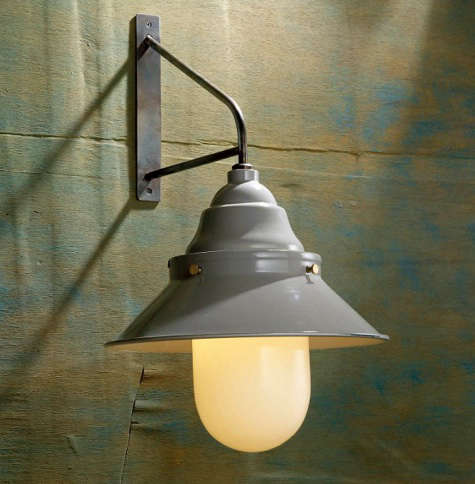
Outdoor lighting has one job, technically: help people see after dark. But good outdoor lighting has a much better résumé. It welcomes guests, flatters brick and clapboard, keeps steps from becoming surprise ankle traps, and makes a porch feel less like a waiting room for raccoons. That is why the phrase Circa Antiques outdoor lighting still has such design appeal. It suggests something more thoughtful than a builder-grade porch fixture and more grounded than a trendy light that looks exciting for six months before aging like milk in July.
Circa Antiques, once noted by design lovers for distinctive outdoor fixtures such as the Captain light with bracket, represents a style category that never really disappears: antique-inspired exterior lighting with durable materials, honest shapes, and a hint of maritime, industrial, or European character. Think zinc-plated metal, painted enameled steel, copper, clear glass, opal glass, and forms that look as if they belong beside a weathered garden gate, a Connecticut porch, or a brick townhouse entry.
This guide explores what makes Circa Antiques-style outdoor lighting so attractive, how to choose antique outdoor lights wisely, and how to create an exterior lighting plan that feels warm, safe, and timeless without turning your garden into a small regional airport.
Why Circa Antiques Outdoor Lighting Still Feels Fresh
The charm of antique outdoor lighting is not simply that it looks old. Plenty of old things are charming until they leak, rust, flicker, or require a ladder and three apologies. The real appeal is proportion, material, and restraint. Circa Antiques-style fixtures tend to look as if they were designed for actual buildings rather than showroom drama. They sit close to the architecture, use familiar shapes, and let the finish do the storytelling.
A well-chosen antique-style outdoor light can make a front door look more established. A copper lantern can soften a new renovation. A black enameled bracket light can give a garden wall a practical, slightly European feel. A white or opal glass shade can make a side entry glow without exposing the bulb like a tiny interrogation lamp.
The Beauty of Utility
One reason classic exterior lights endure is that they are not trying too hard. The best outdoor lighting often begins with utility: a bracket, a shade, a weather-resistant body, and a beam of light directed where people need it. The result is quietly stylish. It does not scream, “I have been curated.” It whispers, “Someone here owns a nice broom and probably remembers to water the boxwoods.”
The Captain-style fixture associated with Circa Antiques is a good example of this design language. Its appeal comes from a simple industrial silhouette, practical wall bracket, and finish options that can suit different exteriors. Zinc-plated metal feels utilitarian and coastal. Black or gray enameled steel reads crisp and architectural. Copper brings warmth and develops character over time. Clear glass gives brighter visibility, while opal glass diffuses the light for a softer glow.
What Defines Antique Outdoor Lighting?
Antique outdoor lighting is not one single look. It includes maritime lanterns, barn lights, carriage lights, gas-lantern-inspired sconces, Victorian-style wall brackets, Arts and Crafts forms, French courtyard lanterns, and industrial utility lights. What connects them is a sense of permanence. They look attached to the building’s story rather than pasted on after a late-night online shopping spiral.
Common features include metal construction, glass shades, classic silhouettes, visible brackets, warm finishes, and simple geometry. These lights may be true antiques restored for safe use, vintage pieces adapted for modern electrical standards, or new fixtures inspired by historic designs. For most homes, antique-inspired outdoor fixtures are the sweet spot: the romance of age, minus the exciting possibility of questionable wiring.
Popular Materials: Copper, Brass, Steel, and Zinc
Copper is a favorite for antique exterior lighting because it changes beautifully. New copper glows warmly, then gradually develops a darker patina. In some climates, it can shift toward greenish tones. That natural aging is not a flaw; it is the point. Copper works especially well on brick, stone, cedar shingles, white siding, and garden structures.
Brass is another strong choice, especially for traditional homes. Solid brass resists corrosion better than many cheaper metals and can be finished in polished, aged, antique, or darkened tones. It pairs nicely with colonial, Georgian, Tudor, and Mediterranean architecture.
Enameled steel offers a crisp, practical look. Black, gray, and white enamel finishes feel clean and slightly industrial. They are excellent for farmhouse entries, garden doors, carriage houses, garages, and porches where the goal is stylish function rather than decorative fuss.
Zinc-plated finishes bring a utilitarian, workshop-like quality. They look especially good on coastal cottages, modern rustic homes, and exteriors with galvanized gutters, metal roofs, or weathered wood.
How to Choose the Right Outdoor Fixture
Choosing outdoor lighting is partly about style, partly about safety, and partly about not buying a fixture so small that it looks like a decorative earring on your house. Scale matters. Placement matters. Weather rating matters. The bulb matters. Even the color of the light matters.
Start With the Architecture
The best exterior lights look connected to the building. A petite copper lantern might be perfect on a cottage but disappear beside a tall double garage. A large carriage lantern may look handsome on a brick colonial but comically theatrical on a small modern bungalow. Before choosing a fixture, look at the home’s lines, materials, roof pitch, trim color, and door hardware.
For traditional homes, lanterns, bracket lights, and brass or copper sconces often work beautifully. For farmhouse or cottage exteriors, enamel shade lights and simple wall-mounted fixtures feel natural. For modern homes, antique-inspired lighting can still work if the shape is clean and the finish is restrained. A black metal wall light with opal glass, for example, can bridge old and new without starting an argument with the architecture.
Choose the Right Size
A common rule for front-door sconces is to choose a fixture roughly one-quarter to one-third the height of the door when using a single light, or slightly smaller when using a pair. This is not a law; no lighting police will knock. But it is a useful starting point.
For garage doors, fixtures should be large enough to hold their own from the curb. For garden gates, smaller bracket lights can feel charming. For porches with high ceilings, hanging lanterns or flush-mount outdoor fixtures may be more balanced than wall lights alone.
Wet-Rated vs. Damp-Rated: The Unromantic Detail That Matters
Outdoor lighting must be rated for the location where it will be installed. This is where design fantasy meets weather reality. A fixture under a fully covered porch may only need a damp rating, while a light exposed to rain, snow, sprinklers, or salty air should be wet-rated. In simple terms, damp-rated lights can handle moisture and humidity; wet-rated lights are built for direct exposure to water.
This distinction is especially important when shopping for antique or vintage fixtures. A true antique light may need professional restoration before outdoor use. Even then, it should be inspected by a qualified electrician. A beautiful old lantern is wonderful. A beautiful old lantern with unsafe wiring is just a haunted object with a bulb.
Use Modern Safety With Old-Soul Style
The good news is that many modern manufacturers now make outdoor lighting with antique character and proper safety ratings. You can find copper wall lanterns, brass sconces, enamel barn lights, and opal-glass fixtures designed for exterior use. This gives homeowners the Circa Antiques look while meeting modern expectations for durability, weather resistance, and electrical safety.
Warm Light Is the Secret Ingredient
Color temperature can make or break outdoor lighting. Warm light, usually around 2700K to 3000K, tends to feel welcoming and natural around homes. Cooler blue-white light may seem bright, but it can look harsh, flatten architectural details, and make a lovely porch feel like a convenience store parking lot. Nobody wants their hydrangeas lit like evidence.
Warm LED bulbs are usually the best choice for antique outdoor lighting. They save energy, last longer than incandescent bulbs, and can mimic the inviting glow associated with older fixtures. For opal glass shades, warm bulbs create a soft, even diffusion. For clear glass lanterns, consider bulbs with attractive shapes, such as filament-style LEDs, so the bulb looks intentional rather than accidentally visible.
Layered Outdoor Lighting: Beyond the Porch Light
One lonely porch light cannot do everything. It can welcome guests, yes, but it cannot safely illuminate a path, highlight a tree, define a patio, and make the trash bins look less tragic. A good exterior plan uses layers: ambient lighting, task lighting, and accent lighting.
Ambient Lighting
Ambient outdoor lighting provides general glow. This may include porch fixtures, wall sconces, hanging lanterns, post lights, or soft patio lighting. Circa Antiques-style wall lights are excellent for this purpose because they add character while creating a comfortable level of brightness near doors and outdoor seating areas.
Task Lighting
Task lighting helps people move safely and perform specific activities. Steps, gates, outdoor kitchens, driveways, and side entries need practical illumination. This does not mean blasting everything with floodlights. It means placing light where feet, hands, and keys actually go.
Accent Lighting
Accent lighting highlights the best features of the property: a stone wall, mature tree, water feature, garden sculpture, or beautiful façade. Used carefully, accent lighting adds depth and drama. Used carelessly, it makes the yard look like it is auditioning for a theme park.
Where Circa Antiques-Style Fixtures Work Best
Antique-style outdoor lights are versatile because they can lean formal, rustic, coastal, or industrial depending on finish and placement. Here are some of the best places to use them.
Front Entry
The front entry is the classic location for statement exterior lighting. A pair of antique brass or copper lanterns can frame a door beautifully. A single bracket light with a strong silhouette can suit a smaller entry or side-hall door. The goal is to create a warm welcome without overwhelming the architecture.
Garden Gate
A garden gate practically begs for a charming wall light. A zinc, black enamel, or copper fixture can make a gate feel intentional and inviting. It also helps guests find the latch, which is useful unless your design goal is “mystery garden with mild frustration.”
Back Porch and Patio
For a back porch, antique outdoor lighting can soften the transition between house and garden. Use wall sconces near doors, then add lower-level path lights or lanterns around seating. If the porch ceiling is covered, a damp-rated hanging lantern or flush fixture may add the right amount of atmosphere.
Garage and Carriage House
Garage lighting is often overlooked, yet it has a huge impact on curb appeal. Large antique-style sconces or barn-inspired lights can make garage doors feel integrated with the home. Black enamel, bronze, and copper finishes are especially effective here.
How to Avoid Common Outdoor Lighting Mistakes
The first mistake is overlighting. More brightness does not automatically mean more safety. In fact, glare can make it harder to see. The best outdoor lighting is targeted, shielded, and warm. It helps the eye move naturally through the space.
The second mistake is using mismatched color temperatures. If one fixture glows warm amber and another shines icy blue, the exterior can look chaotic. Keep bulbs consistent across the main outdoor areas.
The third mistake is ignoring neighbors and wildlife. Aim lights downward when possible, use shields, and avoid leaving bright lights on all night. Timers, dimmers, motion sensors, and smart controls can reduce wasted energy and light pollution.
The fourth mistake is choosing fixtures only for daytime appearance. Outdoor lights must look good at noon and at midnight. A clear glass lantern may look crisp during the day but produce glare at night if the bulb is too bright. An opal glass shade may look modest by day but create a beautiful evening glow.
Maintenance Tips for Antique Outdoor Lighting
Outdoor lights live a difficult life. They face rain, wind, pollen, bugs, humidity, heat, cold, and the occasional spider that believes the fixture is a luxury condo. Regular maintenance keeps them attractive and functional.
Clean glass shades a few times a year with mild soap and water. Avoid harsh abrasives, especially on antique finishes. Check screws, brackets, and seals. Replace bulbs with the correct wattage and type recommended by the fixture manufacturer. For copper and brass, decide whether you want to preserve the original shine or allow a natural patina. Both choices can be beautiful, but they require different maintenance approaches.
Design Analysis: Why This Look Works So Well
Circa Antiques outdoor lighting works because it balances nostalgia with usefulness. The forms feel familiar, but they do not have to be fussy. The materials age well, but they are not fragile. The fixtures add personality, but they rarely dominate the whole exterior.
There is also an emotional quality to antique lighting. A warm lantern near a door suggests arrival. A bracket light by a garden path suggests care. A copper sconce on a weathered wall suggests that the home has history, even if the house was built after smartphones learned to recognize faces.
That emotional signal matters. People respond to homes that feel tended. Outdoor lighting is one of the fastest ways to create that feeling. Paint may take days. Landscaping may take seasons. A good exterior light can change the mood the first evening it is installed.
of Experience: Living With Circa Antiques-Style Outdoor Lighting
The best experience with antique-style outdoor lighting begins before the fixture is even installed. It starts with standing outside at dusk and watching how the house changes as the natural light fades. Many homeowners choose outdoor lights in bright daylight, staring at product photos and finish samples. That helps, but dusk tells the truth. You notice the dark corner near the side gate, the porch step that disappears into shadow, the garage wall that looks flat, and the garden path that suddenly feels like a polite invitation to trip.
In my experience, Circa Antiques-style lighting works best when it is treated as part of the architecture, not as decoration sprinkled at the end. A copper bracket light beside a back door can become the visual anchor for an entire service area. A black enamel fixture above a potting bench can make a practical corner look charming enough to photograph. A pair of opal glass sconces at the front entry can soften a plain façade so dramatically that people assume you changed more than the lights.
One useful lesson is to test brightness modestly. Many people buy bulbs that are too powerful because they want the fixture to “do something.” It will. It may do too much. With antique outdoor lighting, the magic is often in the glow, not the blast. A warm LED bulb with moderate lumens can make glass, metal, stone, and siding look richer. A too-bright bulb can turn the same fixture into a tiny lighthouse with social anxiety.
Another practical experience: finishes behave differently in real life than they do online. Copper and brass change. That is part of their beauty. If you want a finish to stay exactly the same forever, choose a stable painted or powder-coated option. If you enjoy patina, copper is wonderful. It records weather, seasons, and time. On a garden wall or covered porch, that aging can look deeply elegant.
Placement also matters more than most people expect. A wall light mounted too high can feel disconnected from the door. One mounted too low may glare into people’s eyes. Around entries, the fixture should illuminate faces, locks, and steps comfortably. Around patios, lighting should support conversation. Nobody looks relaxed when lit from below like they are telling ghost stories at summer camp.
The most satisfying outdoor lighting plans use a little restraint. Start with the main doors. Add safe lighting for paths and steps. Then highlight one or two landscape features. Leave some darkness. Shadows are not the enemy; they are what make the light feel special. A garden without shadow looks flat. A garden with careful antique-style lighting feels layered, calm, and quietly expensiveeven if the patio chairs were purchased during a sale and assembled with emotional damage.
Ultimately, Circa Antiques outdoor lighting is less about copying one fixture and more about adopting a design philosophy: choose durable materials, honor the architecture, use warm light, avoid glare, and let the exterior feel collected over time. That is how a house begins to glow instead of merely shine.
Conclusion
Lighting: Circa Antiques Outdoor Lighting is a reminder that exterior lights do more than brighten a doorway. They shape mood, guide movement, improve curb appeal, and give a home a sense of history. Whether you choose copper, brass, zinc, or enameled steel, the best antique outdoor lighting combines beauty with practical performance.
Look for proper wet or damp ratings, choose warm bulbs, scale fixtures to the architecture, and use layers rather than relying on one lonely porch light to carry the entire property. The result is an exterior that feels welcoming, safe, and timeless. In other words, your house gets to look charming after darkand your guests get to find the front door without performing interpretive dance in the shrubbery.
Note: This article synthesizes current outdoor lighting design principles, safety guidance, antique fixture characteristics, and real information about Circa Antiques-style exterior lighting into original, publication-ready content.













