
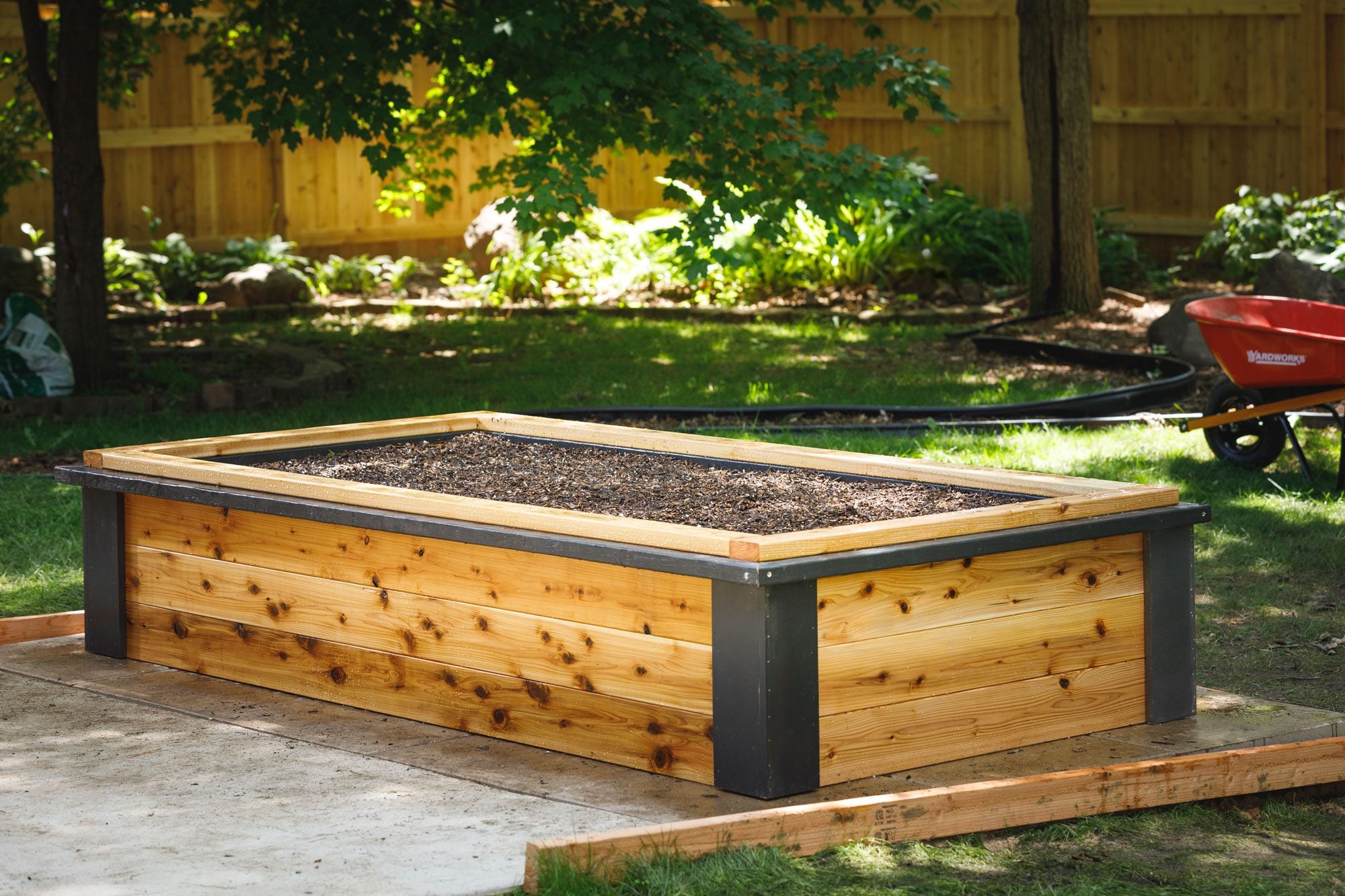
Filling a raised garden bed sounds simple until you stand in front of an empty wooden rectangle and realize it has the appetite of a small rhinoceros. Soil bags vanish. Compost disappears. Your wallet quietly asks if you are growing tomatoes or funding a moon mission.
The good news is that learning how to fill raised garden beds is not about buying the most expensive “premium magic garden blend” on the shelf. It is about building a root-friendly environment with the right balance of mineral soil, compost, drainage, moisture retention, and long-term soil life. Plants do not need luxury bedding. They need structure, air, water, nutrients, and a place where roots can stretch without running into a compacted brick of regret.
This guide explains the best way to fill raised beds for vegetables, herbs, flowers, and mixed edible gardens. You will learn what to put at the bottom, what soil mix works best, how deep the bed should be, what mistakes to avoid, and how to keep the bed productive year after year.
Why Raised Bed Soil Matters So Much
A raised bed gives you control. Instead of fighting compacted clay, sandy soil, poor drainage, tree roots, or mystery dirt from the previous homeowner’s “experimental phase,” you can create a better growing space from the beginning.
Healthy raised bed soil should do five things well:
- Hold enough moisture so plants do not dry out every afternoon.
- Drain well enough so roots are not sitting in soggy soil.
- Contain organic matter to feed soil microbes.
- Provide mineral structure so the bed does not collapse into fluffy compost soup.
- Support roots with enough depth for the crops you want to grow.
The best raised bed soil mix is not pure compost, pure potting soil, or random yard dirt tossed in with heroic optimism. It is usually a balanced blend of good-quality topsoil or garden soil plus finished compost, with optional amendments depending on drainage, crop needs, and local conditions.
Step 1: Choose the Right Raised Bed Depth
Before filling the bed, think about depth. A shallow bed is cheaper to fill, but it limits root growth and dries out faster. A deeper bed gives plants more room and can be easier on your back, but it requires more material and stronger sidewalls.
Best Depth for Common Crops
For leafy greens, herbs, radishes, bush beans, and many annual flowers, 8 to 12 inches of growing medium can work well, especially when the bed is open to healthy native soil underneath. For tomatoes, peppers, eggplants, carrots, cucumbers, squash, and deeper-rooted plants, 12 to 18 inches is better. If the bed sits on concrete, compacted ground, or contaminated soil, aim for deeper soil because roots cannot safely or easily move below the bed.
For most home gardeners, a 12-inch-deep raised bed is the practical sweet spot. It provides enough root zone for many crops without requiring a dump truck, a second mortgage, or a dramatic speech to your spouse about “investing in the future of salad.”
Step 2: Prepare the Ground Under the Bed
If your raised bed is placed directly on lawn or soil, do not skip ground preparation. What happens underneath the bed affects drainage, weeds, earthworms, and long-term root health.
Remove or Smother Grass
You can remove sod with a shovel, but there is an easier method: lay plain cardboard over the grass before filling the bed. Cardboard blocks light, suppresses weeds, and slowly decomposes. Use plain brown cardboard without glossy coatings, heavy ink, tape, or plastic labels. Overlap the edges by several inches so grass does not perform a tiny green escape act between the seams.
After laying cardboard, wet it thoroughly. This helps it settle and encourages decomposition. Then add your soil mix on top. In most cases, cardboard is better than landscape fabric because it breaks down and lets roots, water, and soil organisms move naturally.
Loosen Compacted Soil
If the native soil underneath is compacted, loosen the top few inches with a garden fork before setting the bed in place. You do not need to pulverize the earth into cake flour. Just create channels for roots, water, and soil life. This is especially helpful for open-bottom beds where deeper crops may root below the raised bed mix.
Step 3: Calculate How Much Soil You Need
Guessing soil volume is how gardeners end up with either half-filled beds or a mountain of extra soil in the driveway. Use this simple formula:
Length × Width × Depth = Cubic Feet
Make sure all measurements are in feet. For example, a raised bed that is 4 feet wide, 8 feet long, and 1 foot deep needs:
4 × 8 × 1 = 32 cubic feet
Since one cubic yard equals 27 cubic feet, that bed needs about 1.2 cubic yards of material. If you buy bagged soil, check the bag size. Many bags contain 1 to 2 cubic feet. Suddenly, those cute little bags look less cute, don’t they?
For multiple beds, bulk soil is usually more affordable than bagged material. Ask local garden centers, landscape suppliers, or municipal compost programs about screened topsoil, compost, and raised bed mixes. Always ask what is in the mix before buying. “Garden blend” can mean wonderful, or it can mean “we swept the back lot and added hope.”
Step 4: Use the Best Soil Mix for Raised Garden Beds
The ideal raised bed soil mix depends on your climate, crop, local soil, and whether the bed is open-bottom or sitting on a hard surface. Still, a reliable starting point for many edible gardens is:
- 60% to 70% quality topsoil or garden soil
- 30% to 40% finished compost
This blend gives the bed mineral structure from soil and biological richness from compost. The soil portion helps with weight, nutrient-holding capacity, and long-term stability. The compost improves texture, moisture retention, microbial activity, and nutrient availability.
Can You Use a 50/50 Soil and Compost Mix?
Yes, in some cases. A 1:1 mix of compost and topsoil is commonly used by many gardeners, especially when filling a new raised bed with good-quality materials. However, compost quality matters. Finished compost should smell earthy, not sour, rotten, ammonia-like, or swampy. If it smells like a dumpster wearing perfume, do not put it around your vegetables.
Too much compost can create problems over time, especially if the compost is manure-heavy or high in salts, phosphorus, or pH. More compost is not always better. A raised bed is not a lasagna contest where the tallest pile wins. Plants need balance.
Can You Fill a Raised Bed With Only Compost?
It is better not to fill an entire raised bed with pure compost. Compost continues to decompose, which means the bed may settle quickly. It may also hold too much moisture, drain unevenly, or create excessive nutrient levels. Use compost as a major ingredient, not the entire recipe.
Can You Use Potting Mix?
Potting mix works well in containers because it is lightweight and drains quickly. But filling a large raised bed entirely with potting mix is expensive and often unnecessary. Potting mix can also dry out faster than a soil-compost blend. If your raised bed sits on concrete, a patio, or another hard surface, a blend of compost and soilless growing media may be useful, but open-bottom garden beds usually benefit from real mineral soil in the mix.
Step 5: Layer the Bottom of Tall Raised Beds Wisely
If your bed is 18 inches or deeper, filling the entire thing with premium soil can be costly. You can reduce cost by using bulky organic material in the lower portion, but do it carefully.
Good Bottom Fill Materials
For deep raised beds, the lower layer can include coarse organic materials such as small branches, twigs, dry leaves, untreated wood chips, straw, or partially decomposed plant matter. These materials break down slowly and help fill space. This method is related to hügelkultur, a gardening approach that uses woody debris under soil to build organic matter over time.
However, keep at least 8 to 12 inches of high-quality soil mix on top. That upper root zone is where young plants do most of their growing. If you plant lettuce into a bed with two inches of soil over a pile of logs, the lettuce will not admire your rustic creativity.
Materials to Avoid
Do not fill raised beds with treated lumber scraps, painted wood, glossy paper, plastic, trash, diseased plant material, fresh manure, meat, dairy, oily food waste, or weeds loaded with seeds. Also avoid black walnut wood or leaves because they may contain compounds that inhibit plant growth.
Fresh wood chips mixed into the top growing layer can temporarily tie up nitrogen as they decompose. They are better used in the lower layer of deep beds or as mulch on pathways, not as a large percentage of the main root zone.
Step 6: Add Amendments Only When Needed
Gardeners love amendments. Perlite, vermiculite, peat moss, coconut coir, worm castings, rock dust, bone meal, blood meal, kelp mealthe garden aisle can feel like a buffet for people who enjoy lifting bags.
But raised bed soil does not need every amendment on the shelf. Start with good soil and compost, then adjust based on actual needs.
Useful Amendments for Raised Beds
- Worm castings: Add a small amount for microbial activity and gentle nutrients.
- Perlite: Helps improve drainage in heavy mixes, especially for beds on hard surfaces.
- Leaf mold: Improves moisture retention and soil structure.
- Aged manure: Can add nutrients, but use sparingly and only when fully composted.
- Organic fertilizer: Useful when soil tests or crop needs show nutrient gaps.
Why Soil Testing Is Smart
A soil test is one of the best investments you can make for a raised bed. It can show pH, phosphorus, potassium, calcium, magnesium, and other nutrient levels. Without testing, adding fertilizer is guesswork. Sometimes the problem is not “not enough nutrients.” Sometimes it is too much of one nutrient blocking another. Soil chemistry has drama, and your tomatoes do not want to star in it.
Test your raised bed mix before planting if possible, especially if you use bulk materials. Then test every few years to monitor pH and nutrient buildup.
Step 7: Fill the Bed Without Overcompacting It
Once you have your materials, mix them thoroughly. You can combine soil and compost on a tarp, in a wheelbarrow, or directly in the bed. Break up large clumps and remove rocks, plastic, roots, and surprise objects from the “what even is this?” category.
Fill the bed in stages. Add several inches, water lightly, let it settle, then add more. Do not stomp on the soil. Raised beds work best when the soil stays loose and airy. If you need to level the surface, use a rake or your hands.
Fill the bed nearly to the top, leaving about one inch of space below the rim. This keeps soil and mulch from washing out during watering. After a few weeks, the soil may settle. That is normal. Top it off with more soil-compost blend as needed.
Step 8: Water the Soil Before Planting
Dry soil mix can repel water at first, especially if it contains peat or very dry compost. Before planting, water the bed deeply and evenly. Wait a few hours, then check moisture several inches down. If only the surface is wet, keep watering slowly.
A well-filled raised bed should feel moist but not muddy. When squeezed in your hand, the soil should hold together slightly and then crumble. If it forms a sticky clay ball, it may need more organic matter or drainage improvement. If it falls apart like beach sand, it may need more compost or moisture-holding material.
Step 9: Mulch After Planting
Mulch is the quiet hero of raised bed gardening. It reduces evaporation, buffers soil temperature, suppresses weeds, and keeps rain from splashing soil onto leaves. That splash matters because soil-borne disease organisms can move onto plants during watering or storms.
Good raised bed mulches include straw, shredded leaves, compost, untreated grass clippings in thin layers, pine straw, or fine wood chips around established plants. Keep mulch slightly away from plant stems to prevent rot. For seeds, wait until seedlings are a few inches tall before mulching heavily.
Common Mistakes When Filling Raised Garden Beds
Mistake 1: Using Cheap Fill Dirt
Fill dirt is often subsoil, not topsoil. It may be low in organic matter, compacted, rocky, or poor in nutrients. It is fine for leveling a construction site, not for growing basil that deserves a better life.
Mistake 2: Adding Too Much Compost
Compost is excellent, but excessive compost can cause nutrient imbalances and high salts. Use it as part of the mix and continue feeding the soil gradually each year.
Mistake 3: Forgetting That Beds Settle
Raised bed soil settles as organic matter breaks down and air pockets collapse. Expect to add material each season. A bed that sinks a few inches is not failing; it is simply digesting dinner.
Mistake 4: Ignoring Drainage
Raised beds usually drain better than in-ground beds, but they can still become waterlogged if filled with heavy clay soil or placed on a poorly drained surface. If the bed sits on concrete or compacted ground, make sure excess water can escape.
Mistake 5: Walking in the Bed
One of the biggest benefits of raised beds is reduced compaction. Do not step inside the bed unless absolutely necessary. Keep beds narrow enough that you can reach the center from the paths. Four feet wide is a common maximum for beds accessible from both sides.
How to Refresh Raised Bed Soil Every Year
Filling a raised garden bed is not a one-time event. Soil is alive, and living systems need maintenance. Each year, remove dead plants, weeds, stakes, and old roots. Leave small healthy roots if they are not diseased; they decompose and feed soil organisms.
Add one to three inches of finished compost or a compost-topsoil blend to the surface. Mix lightly into the top few inches if needed, or simply topdress for a no-till approach. No-till maintenance protects soil structure and encourages earthworms, fungi, bacteria, and other helpful organisms to do the underground work.
Rotate crops when possible. Avoid planting tomatoes, peppers, eggplants, and potatoes in the same bed every year. Crop rotation helps reduce disease pressure and nutrient depletion. In small gardens, perfect rotation is hard, but even imperfect rotation is better than declaring one bed “the tomato kingdom” forever.
Best Raised Bed Soil Mix Examples
Basic Vegetable Bed Mix
Use 70% screened topsoil and 30% finished compost. This is a dependable blend for tomatoes, peppers, beans, lettuce, herbs, and many common vegetables. Add organic fertilizer based on soil test results.
Moisture-Holding Mix for Hot Climates
Use 60% topsoil, 30% compost, and 10% leaf mold or coconut coir. This helps beds hold moisture during hot summers while still draining reasonably well.
Fast-Draining Mix for Wet Areas
Use 60% topsoil, 25% compost, and 15% coarse material such as pine bark fines or perlite. This can help where heavy rain or poor drainage causes soggy soil.
Deep Bed Budget Fill
For beds deeper than 18 inches, use untreated branches, twigs, leaves, and coarse organic matter in the bottom third. Fill the top 12 inches with a quality soil-compost blend. This reduces cost while keeping the main root zone productive.
Raised Bed Filling Checklist
- Place the bed in a sunny, level area with access to water.
- Use cardboard to smother grass and weeds if building over lawn.
- Loosen compacted soil underneath open-bottom beds.
- Calculate soil volume before buying materials.
- Use a balanced topsoil and compost mix.
- Avoid pure compost, fill dirt, fresh manure, and contaminated materials.
- Water the bed before planting to settle the mix.
- Mulch after planting to conserve moisture.
- Topdress with compost each year.
- Test soil every few years to prevent nutrient problems.
Extra Experience: What Gardeners Learn After Filling a Few Raised Beds
The first raised bed often teaches the most expensive lesson: soil volume is bigger than it looks. A 4-by-8 bed that seems modest in the backyard suddenly becomes a beast when you start filling it one bag at a time. Many beginners buy six bags, pour them in, and discover they have covered roughly the corner where one parsley plant might live. The practical lesson is simple: calculate volume first, then compare bulk delivery prices before buying bagged soil.
Another real-world lesson is that “compost” is not one universal product. Some compost is dark, crumbly, mature, and smells like a forest floor. Some is chunky, salty, unfinished, or full of mystery debris. Good compost improves raised bed soil beautifully. Poor compost can introduce weeds, odors, nutrient imbalances, or drainage problems. When buying bulk compost, ask whether it is screened, what feedstocks were used, and whether a compost analysis is available. If the seller cannot answer basic questions, your plants may become the test subjects.
Gardeners also learn that raised beds dry out faster than expected. The excellent drainage that saves roots in spring can become a challenge in July. After filling a bed, watering deeply matters more than sprinkling the surface. Drip irrigation, soaker hoses, and mulch can make the difference between steady growth and plants that look personally offended every afternoon.
Settling is another normal surprise. A bed filled to the top in March may sit two or three inches lower by midsummer. This does not mean you failed. Organic matter decomposes, air pockets collapse, and the soil finds its level. Keep extra compost or soil blend on hand for topping off. Think of it as fluffing the pillow, except the pillow grows cucumbers.
One of the best experiences comes from observing how plants respond to different mixes. Leafy greens often thrive in compost-rich beds with consistent moisture. Root crops prefer loose soil without rocks, clumps, or heavy fresh organic chunks that cause twisted carrots. Tomatoes appreciate deep soil, steady moisture, and balanced fertility. Herbs such as rosemary, thyme, and oregano may prefer leaner, sharper-draining soil than lettuce or basil. A single raised bed mix can grow many crops, but small adjustments make a big difference.
Experienced gardeners also become cautious about adding fertilizer without testing. When plants look weak, the instinct is to feed them. Sometimes that works. Other times the problem is overwatering, poor drainage, cold soil, root damage, pH imbalance, or too much of a nutrient already present. A soil test removes guesswork and saves money. It may not be glamorous, but neither is watching yellow tomato leaves while whispering, “But I gave you everything.”
Finally, raised bed success improves when gardeners stop treating soil as a disposable growing medium. The goal is not to empty and refill the bed every year. The goal is to build soil over time. Add compost modestly. Mulch. Avoid compaction. Keep roots in the soil when possible. Rotate crops. Protect the bed during winter with leaves, straw, cover crops, or compost. A raised bed gets better when managed like a living system, not like a seasonal container full of dirt.
Conclusion
Learning how to fill raised garden beds for thriving plants starts with one important truth: roots want balance. They need soil that holds moisture but drains well, compost that feeds biology without overwhelming the mix, enough depth to grow freely, and yearly care to stay productive.
For most home vegetable gardens, a blend of quality topsoil and finished compost is the best starting point. Prepare the ground, use cardboard if needed, avoid questionable filler materials, water the bed thoroughly, and mulch after planting. Then keep improving the soil each season with modest compost topdressing and smart maintenance.
Do that, and your raised bed will become more than a box of dirt. It will become a small, productive ecosystem where tomatoes climb, lettuce behaves, herbs smell amazing, and you can proudly say, “Yes, I built this,” while holding a zucchini large enough to concern the neighbors.













