
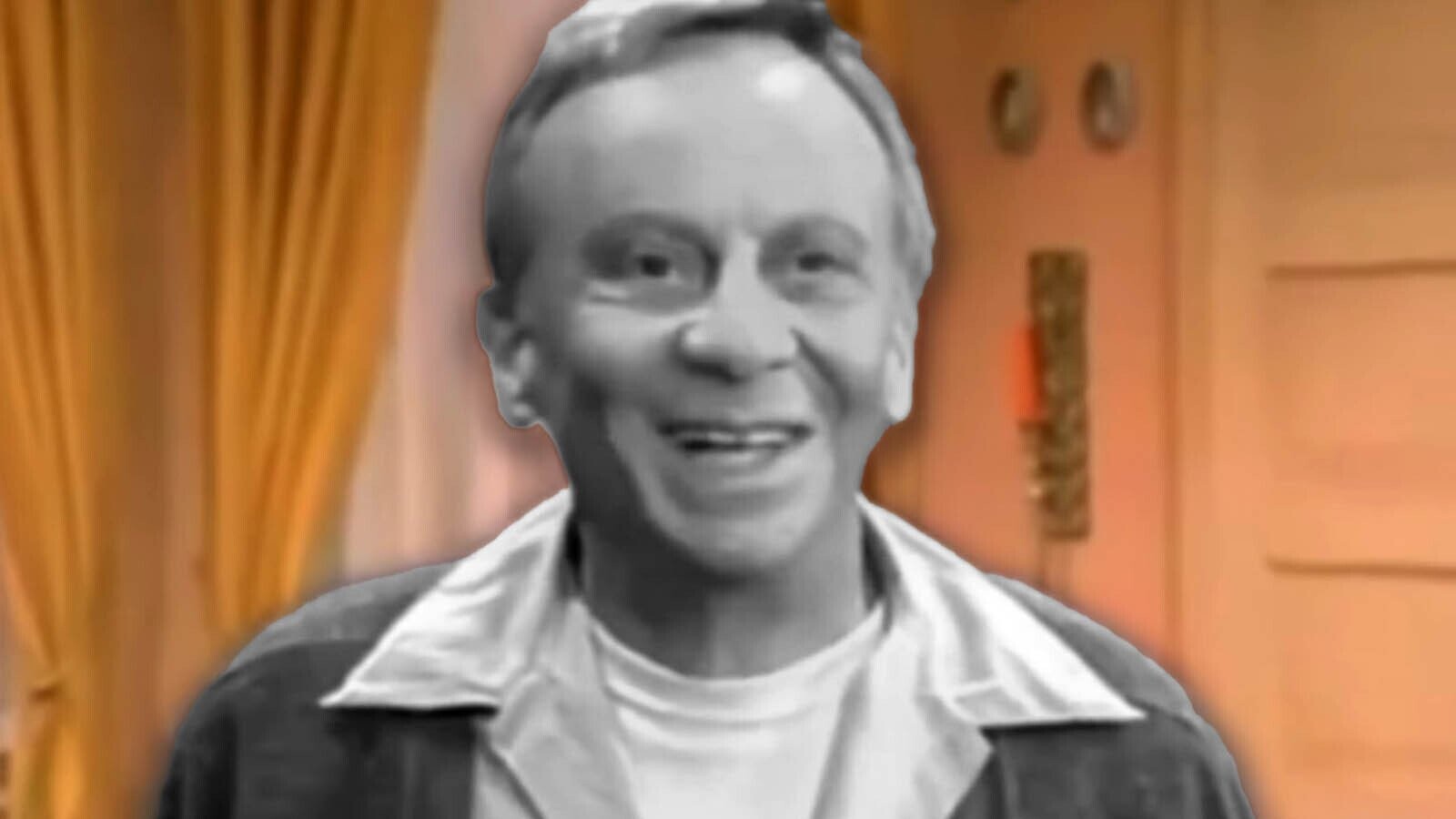
Television history is packed with actors who left a hit show for a “bigger opportunity” and ended up learning the cruelest lesson in Hollywood: bigger billing does not always mean better luck. Norman Fell, beloved as Stanley Roper on Three’s Company, is one of the clearest examples. On paper, the spin-off The Ropers looked like a promotion. Fell and Audra Lindley were no longer just the nosy landlords popping in to ruin Jack Tripper’s day. They were now the stars.
But as fans have argued for decades, Norman Fell got the short end of the sitcom stick. He left one of ABC’s biggest comedy hits, trusted a safety clause that seemed to protect him, and watched the whole thing collapse just late enough to keep him from returning comfortably to the show that made Mr. Roper a household name. If television had a landlord deposit system, Fell definitely did not get his back.
Who Was Norman Fell Before Three’s Company?
Norman Fell was not some lucky guy who wandered into a sitcom set and accidentally became famous. Born Norman Noah Feld in Philadelphia in 1924, he built a long career as a character actor before becoming America’s favorite suspicious landlord. He appeared in films such as Ocean’s 11, The Graduate, Bullitt, Catch-22, and It’s a Mad, Mad, Mad, Mad World. He was the kind of performer who could walk into a scene, squint at everyone like he knew where the bodies were buried, and instantly make the room funnier.
Before Three’s Company, Fell also proved he could do more than sitcom grumbling. His dramatic work in the miniseries Rich Man, Poor Man earned him a 1976 Emmy nomination. That matters because the later story often reduces him to “Mr. Roper,” but Fell was a real actor with range, timing, and decades of professional mileage. He had already survived the Hollywood obstacle course before the Ropers ever sold their apartment building.
Why Mr. Roper Worked So Well
Stanley Roper was not a warm sitcom dad. He was cheap, cranky, nosy, jealous, and often one suspicious eyebrow away from a full neighborhood investigation. Yet Norman Fell made him oddly lovable. The genius of Mr. Roper was that he was never quite as powerful as he imagined himself to be. He owned the building, but he was constantly outsmarted by Jack, Janet, Chrissy, and especially his wife Helen.
Fell’s famous deadpan looks into the camera gave the character a private joke with the audience. Mr. Roper might be the villain of the lease agreement, but he was also the clown trapped inside his own grumpiness. Audra Lindley’s Helen Roper made the pairing even sharper. Helen was flirtier, freer, and more emotionally awake than Stanley, which turned their marriage into one long comic tug-of-war. Together, Fell and Lindley became so popular that a spin-off began to look inevitable.
The Spin-off That Looked Like a Promotion
The Ropers premiered on ABC in March 1979. The idea was simple: Stanley and Helen sell their apartment building and move into the more upscale neighborhood of Cheviot Hills. Instead of clashing with Jack and the roommates, they now clash with pretentious neighbors, especially Jeffrey P. Brookes III, played by Jeffrey Tambor. The concept was loosely connected to the British sitcom lineage that had also inspired Three’s Company.
From a network point of view, this made sense. Three’s Company was a hit, the Ropers were recognizable, and spin-offs were a familiar way to turn one successful property into two. From Fell’s point of view, however, the move was risky. He was already on a proven show. A spin-off might give him top billing, but it could also remove him from the safest job in the building. In Hollywood terms, that is like trading a rent-controlled apartment for a “luxury opportunity” with suspicious plumbing.
Norman Fell’s Reported Concern Was Completely Reasonable
Fell reportedly did not want to leave Three’s Company without protection. His fear was practical: what if The Ropers failed? He understood that hit sitcom chemistry is fragile. A character who works beautifully in five-minute bursts may not automatically work as the center of an entire series. Mr. Roper was hilarious barging into the apartment, accusing everyone of nonsense, then exiting with a smug grin. But could Stanley and Helen carry a whole new world without Jack, Janet, and Chrissy bouncing off them?
That concern turned out to be the whole ballgame. Producers reportedly gave Fell a contractual assurance: if The Ropers was canceled within a year, he could return to Three’s Company. That sounds fair. It also sounds like the kind of clause that makes an actor sleep at night. Unfortunately, in television, “fair” and “technically fair” can live in completely different zip codes.
How the Timing Became the Trap
The central controversy is not simply that The Ropers failed. Plenty of spin-offs fail. The issue is that it lasted just long enough to complicate Fell’s return. The show initially performed well, helped by the momentum of Three’s Company and its placement in a strong ABC lineup. But when it moved to a weaker Saturday-night slot, the ratings suffered. By the time cancellation arrived in 1980, the one-year return window had reportedly passed.
That is why fans often say Norman Fell got screwed. The promise was not exactly broken in a simple, cartoon-villain way. It was honored in the narrowest possible technical sense. The show was not canceled within the protected period, so the original series did not have to bring him back. But emotionally, professionally, and comedically, the result felt brutal. Fell left a hit, starred in a short-lived spin-off, and then found the door back to his old building already locked.
Enter Don Knotts: The Replacement Who Worked Too Well
While Fell and Lindley were trying to make The Ropers work, Three’s Company still needed a landlord. The solution was Don Knotts as Ralph Furley. On paper, replacing Norman Fell with Don Knotts was not exactly a desperate move. Knotts was a comedy legend, best known for Barney Fife on The Andy Griffith Show. He brought nervous energy, wild facial expressions, and a completely different flavor of foolish authority.
That created a second problem for Fell. Mr. Furley worked. The audience accepted him. The show kept going. Once Don Knotts became part of the machine, bringing Stanley and Helen Roper back would have meant changing the formula again, paying more regulars, and admitting that the spin-off strategy had gone sideways. Networks are not famous for saying, “Oops, our bad, come home.” They are more famous for saying, “Please enjoy this new character and pretend this was the plan all along.”
Was The Ropers Really That Bad?
The Ropers has developed a reputation as a failed spin-off, but that does not mean every episode was a disaster. Fell and Lindley still had chemistry. Helen’s caftans still deserved their own fashion museum. Stanley still looked like he considered smiling a taxable event. Jeffrey Tambor added comic friction as the snooty neighbor, and the class-clash setup had potential.
The problem was that the spin-off removed the Ropers from their best comic ecosystem. On Three’s Company, Stanley and Helen were seasoning. They interrupted the main story, added pressure, misunderstood something obvious, and left before the joke wore thin. On The Ropers, they had to be the meal. Some side characters can absolutely become leads, but the writing has to deepen them without sanding off what made them funny. The Ropers never fully solved that puzzle.
The Business Lesson Behind the Laugh Track
The Norman Fell story is a classic reminder that Hollywood promotions can be dangerous. Actors are often told that a spin-off means prestige, control, and a bigger paycheck. Sometimes it does. Other times, it means being removed from a hit and placed in a riskier vehicle built from corporate optimism and leftover set pieces.
For Fell, the move was especially painful because he had already won major recognition for playing Mr. Roper. He won the 1979 Golden Globe for supporting actor in a television series for Three’s Company. That means he left the parent show at the exact moment his character had maximum value. In sports terms, it was like trading your best player right after he wins the trophy, then acting surprised when the new team struggles.
Why Fans Still Defend Norman Fell
Fans defend Fell because his skepticism aged well. He reportedly worried that leaving Three’s Company could cost him a good job if the spin-off failed. That is exactly what happened. Viewers also know that Mr. Roper was not a disposable character. He was part of the original rhythm of the show. His gruffness contrasted with Jack Ritter’s physical comedy, Suzanne Somers’ bubbly confusion, Joyce DeWitt’s grounded reactions, and Audra Lindley’s sly warmth.
When the Ropers disappeared, Three’s Company did not collapse, but it did change. Don Knotts was wonderful in his own way, but Mr. Furley was not Mr. Roper. Fell’s character had a particular dry bitterness that made the early seasons feel sharper. He was not just a landlord; he was the human embodiment of a security deposit dispute.
Did Norman Fell Ever Return?
Yes, but only briefly. Fell and Lindley returned for a guest appearance in the 1981 episode “Night of the Ropers.” For fans, it was a bittersweet moment. The characters came back, the audience remembered how good they were, and then they were gone again. It felt less like a homecoming and more like a visit from relatives who still had unresolved legal questions with the family business.
Afterward, Fell continued working in television and film. He appeared in projects such as Teachers Only, Magnum, P.I., Matlock, The Fresh Prince of Bel-Air, and Ellen. Still, Mr. Roper remained his defining role. That is both a compliment and a trap. To be remembered forever is a gift; to be remembered so strongly that casting directors cannot see anything else is the annoying bow on top.
Why the Story Feels Unfair Even If the Contract Was Followed
The reason this story still bothers people is that “legal” and “right” are not always the same. If the reported one-year clause was technically satisfied, then the producers may have fulfilled the letter of the agreement. But the spirit of the arrangement was clear: Fell did not want to lose his place on Three’s Company because of a spin-off gamble. The final outcome gave him exactly the risk he had tried to avoid.
This is why the phrase “Norman Fell got screwed” keeps resurfacing in pop-culture conversations. It captures the emotional truth of the situation. He was not an unknown actor asking for special treatment. He was a key part of a hit show, taking a risk for the network’s expansion plan. When that plan stopped being useful, the system moved on.
The Lasting Legacy of Mr. Roper
Decades later, Norman Fell’s legacy is more secure than the spin-off that complicated his career. Mr. Roper remains one of the most recognizable sitcom landlords of the 1970s. His camera glances, cheapness, suspicion, and weirdly triumphant grin are still part of television memory. Audra Lindley’s Helen Roper has also become a cult fashion icon, inspiring caftan-filled fan events and affectionate tributes.
That is the funny thing about television justice. The business may have treated Fell coldly, but the audience did not forget him. Viewers still talk about him, still compare him to Don Knotts, and still debate whether Three’s Company lost something when Stanley and Helen moved out. A canceled spin-off could not erase what Fell built. It only made the story behind it more fascinating.
Experience Section: What Norman Fell’s Spin-off Story Teaches Viewers, Writers, and Working Creatives
The Norman Fell situation feels personal to many people because it mirrors a familiar real-life experience: being offered an opportunity that sounds like advancement but quietly removes your safety net. Maybe it is a job promotion with a fancier title but no real support. Maybe it is a transfer to a new department that looks impressive until you realize the old team has replaced you. Maybe it is a creative project where someone says, “Trust us, this will be great,” and then suddenly everyone who said “trust us” is unavailable by phone.
That is why this story connects beyond classic TV fans. Fell’s choice was not foolish. It was cautious, negotiated, and understandable. He knew the parent show was valuable, so he reportedly asked for a way back. Many workers and artists can relate to that instinct. When you leave something stable for something uncertain, you want a bridge behind you. The pain comes when that bridge exists only on paper, and by the time you need it, someone has built a gift shop on the other side.
For writers, the lesson is about character function. A supporting character may be beloved because of where they sit in the story. Mr. Roper worked because he created pressure. He was the suspicious outsider who threatened to expose Jack’s secret and disrupt the apartment’s chaos. Moving him into a lead role changed the comic math. Suddenly, the show had to generate stories from Stanley and Helen’s marriage, neighborhood conflicts, and social climbing. That was possible, but it required more reinvention than the spin-off seemed prepared to deliver.
For actors, the lesson is about timing and leverage. Fell had leverage when Mr. Roper was hot. He had less leverage after The Ropers struggled and Three’s Company found a replacement. This happens constantly in entertainment. Your value is not only your talent; it is also your position inside a successful machine. Once the machine proves it can run without you, even unfairly, getting back in becomes much harder.
For viewers, the experience is bittersweet. Watching early Three’s Company episodes now, you can feel how important the Ropers were to the original flavor. Helen’s amused tolerance and Stanley’s grumpy paranoia gave the show a slightly adult edge. They were not young, glamorous, or trendy, but they were hilarious because they acted like every minor inconvenience was a constitutional crisis. The spin-off did not ruin them; it simply separated them from the environment where they shined brightest.
In the end, Norman Fell’s story is not just about a canceled sitcom. It is about the gap between opportunity and security, between being valued and being replaceable, between getting top billing and getting protected. Fell gave television one of its most memorable landlords, and the industry rewarded him with a spin-off that became a career detour. That is show business: sometimes the door is open, sometimes it is locked, and sometimes Mr. Roper is on the other side, glaring directly into the camera because he knows exactly what happened.
Conclusion
Norman Fell’s departure from Three’s Company remains one of television’s most frustrating spin-off stories because it was not a simple failure. It was a business gamble wrapped in a promotion, protected by a clause that did not ultimately protect him. The Ropers gave Fell and Audra Lindley the spotlight, but it also removed them from a hit sitcom where their characters were already working beautifully.
Whether one calls it bad luck, bad scheduling, or a cold network calculation, the result is hard to ignore: Norman Fell left a classic show, the spin-off faded, and Three’s Company moved on without him. Yet the audience never fully did. Mr. Roper remains funny, memorable, and oddly sympathetic. For a man famous for playing a landlord, Fell’s place in sitcom history is permanently occupied.














