
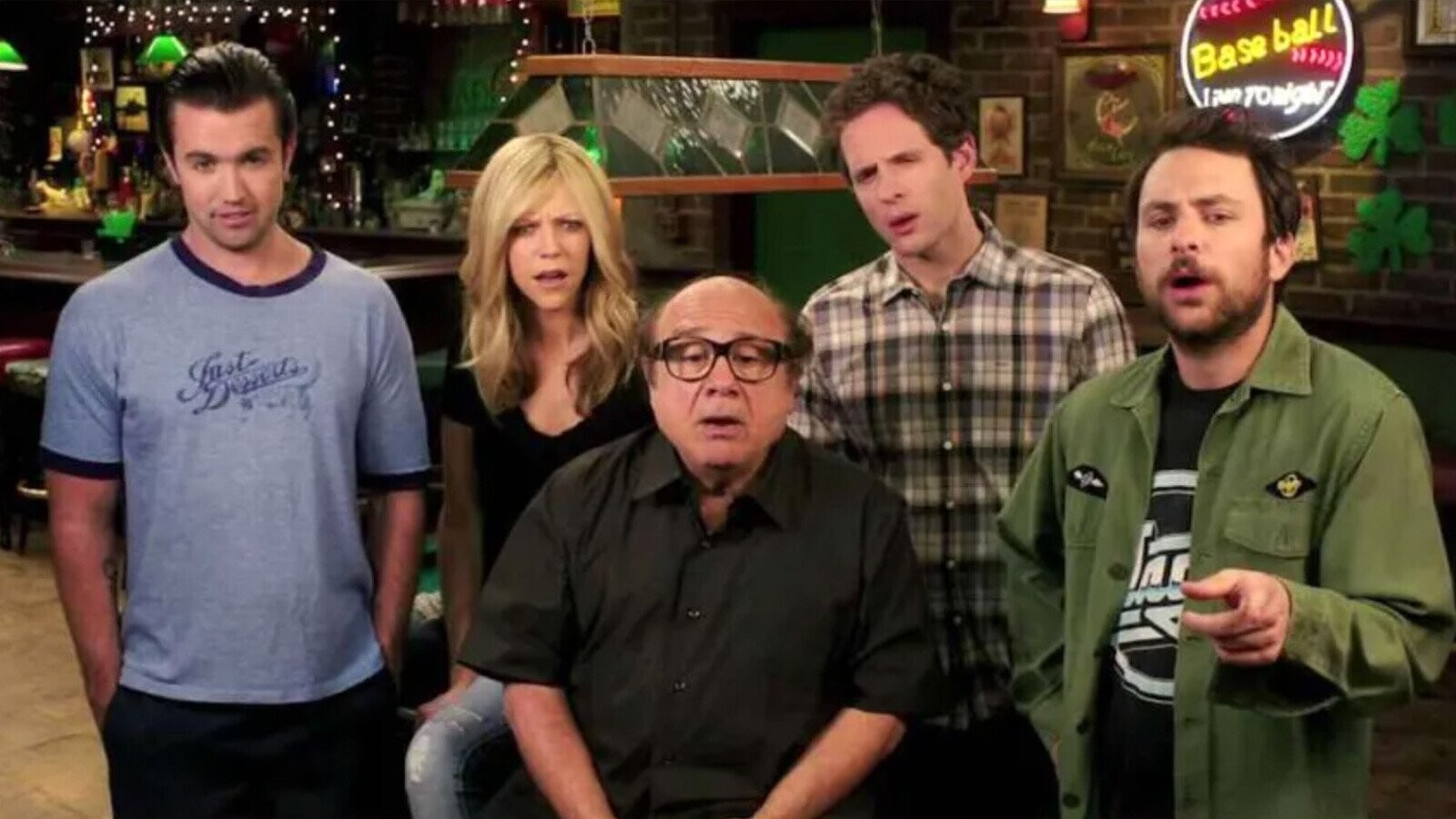
If you told an ASMR fan that five chronically-overcaffeinated bar owners from Philly would become their new “put-this-on-and-melt-into-the-mattress”
comfort listen, they’d probably blink twice… and then ask what kind of microphone you used.
Because here’s the twist: The Gangfamous for loud arguments, questionable plans, and volume-control issuesaccidentally stumbled into a lane
usually dominated by soft whispers, gentle tapping, and people folding towels like it’s a sacred ritual. And somehow, it worked.
The result is one of the internet’s most delightful contradictions: It’s Always Sunny in Philadelphia ASMR, where the tingles come from
hushed scheming, stage-whispered insults, and the oddly soothing sound of chaos being planned at a responsible indoor volume.
Accidental ASMR 101: The “tingles” aren’t the point… until they are
What ASMR actually is (in normal human language)
ASMRshort for autonomous sensory meridian responseis a real (and very subjective) sensory experience some people get from specific
sights and sounds. For many, it’s that scalp-and-neck “tingly calm” that shows up when someone speaks softly, taps lightly, repeats a simple motion,
or offers focused, gentle attention.
Not everyone feels it. Some people get instant relaxation; others feel nothing; and a few react like the sound of whispering is a personal attack.
That range matters, because the Sunny-to-ASMR pipeline is less “this is designed to soothe you” and more “why is this argument weirdly relaxing?”
Why unintentional ASMR hits differently
Intentional ASMR content is built to trigger comfort: quiet pacing, controlled sound, predictable rhythms. Unintentional ASMR happens when a
show, interview, podcast, or random clip includes the same ingredients by accidentsoft voices, crisp little noises, and a sense of “leaning in.”
Comedy is especially good at this because it loves contrast. It goes loud, then suddenly quiet. It slows down for a secret plan. It zooms in on tiny details.
And in that quiet space, your brain sometimes decides: “Ah yes, this is the audio equivalent of a weighted blanket.”
The moment Sunny fans realized: “Wait… they whisper a LOT.”
The accidental-ASMR buzz didn’t appear out of nowhere. It got supercharged when fans began sharing “unintentional ASMR” supercuts tied to
Season 17the season that quietly (pun fully intended) delivered a surprising number of scenes where The Gang lowers their voices, plots,
and murmurs like they’re trying not to wake a sleeping dragon.
After the Season 17 finale aired, fan compilations spread that stitched together the show’s softest momentswhispered explanations, murmured arguments,
and under-the-breath scheming. The vibe was basically: “These people are unhinged… but they’re also kind of… soothing?”
Season 17 helpedbecause secrecy is basically whisper fuel
Season 17 leaned into storylines where the characters want something badlystatus, access, attention, moneyand they often pursue it through plans that require
secrecy (or at least the performance of secrecy). That means more “huddle and whisper,” more “don’t let anyone hear us,” and more muttered
side-comments that land like soft-spoken punchlines.
Even if you’ve watched Sunny for years, you might notice this more now because of how people watch TV: headphones, late-night streaming, and sound mixes that
make dialogue cleaner. Under those conditions, the show’s quiet moments aren’t just audiblethey’re highlighted.
Why The Gang’s chaos can sound… comforting?
This is where the “accidental ASMR stars” label starts making sense. Not because the show suddenly became gentleSunny is still Sunnybut because
it reliably produces several classic ASMR triggers without trying.
Trigger #1: Whisper-scheming (a.k.a. “crime, but make it cozy”)
A lot of Sunny scenes revolve around a simple mechanic: someone proposes a plan, someone interrupts, and someone else tries to steer the conversation back
while speaking just quietly enough to feel conspiratorial. Whispering and soft-spoken speech are among the most common ASMR triggers, and Sunny has them
baked into its DNA anytime a scheme requires stealthor the illusion of competence.
The best part is that Sunny whispers aren’t calm in a spa way. They’re urgent, petty, and emotionally overcommitted. That intensity can keep your attention
while the volume stays lowexactly the kind of combination that makes “accidental ASMR” work for people who don’t want their audio to be too sleepy.
Trigger #2: The sound of props doing comedy work
ASMR doesn’t require whispering. It can be tapping, paper sounds, careful handling of objects, repetitive motionsanything with a crisp, controlled rhythm.
Sunny is a prop-comedy goldmine: plans involve notes, charts, costume pieces, folders, bar items, and miscellaneous “tools” that inevitably get handled
in close conversational scenes.
In other words: sometimes the joke is the object, and the audio of that object becomes part of the experience. A marker squeaks. A paper unfolds.
A finger taps a surface while someone explains something that absolutely should not be explained with that much confidence.
Trigger #3: The quiet-to-loud contrast that makes your brain lean in
ASMR is partly about attention. When a scene goes quiet, your brain leans forward. Sunny uses quiet moments like a runway before takeoff:
a low-voiced plan, a hushed warning, a whispered insultand then, of course, a hard pivot into chaos.
For some viewers, that contrast is weirdly satisfying. The calm doesn’t last long, but it happens often enough that “Sunny ASMR” becomes a recognizable pattern:
tiny islands of quiet inside an ocean of nonsense.
Character-by-character: who brings what to the accidental ASMR buffet
Charlie: gentle muttering with maximum sincerity
Charlie’s delivery often lives in a space that feels intimatehalf explanation, half confession, half “I am definitely making this up as I go.”
When he speaks softly, it can land like classic unintentional ASMR: close-mic energy, earnest pacing, and a rhythm that feels like someone
narrating their own strange thought process in real time.
Dennis: controlled intensity and careful enunciation
Dennis is the king of the low-voiced, tightly controlled monologue. Even when he’s being ridiculous, he can sound measuredlike he’s hosting a
high-stakes documentary about his own emotions. That careful diction and steady cadence is prime ASMR material for people who like “calm voice,
intense meaning.”
Mac: motivational whispering and earnest persuasion
Mac’s soft voice often shows up when he’s trying to sell a plan, pitch an identity, or convince someone (including himself) that this is all going to work out.
The “earnest whisper” is a sleeper ASMR trigger: it’s personal, focused, and slightly too closelike a friend giving you advice at a party you regret attending.
Dee: stage whispers and performative hush
Dee’s quiet moments can feel theatricallike she’s whispering for effect, not just volume. That performance can create a strong “you’re in on it”
feeling, which is a big part of why some ASMR works: it simulates closeness, attention, and the sense of being included in something secret.
Frank: gravelly murmurs and chaotic comfort
Frank shouldn’t be soothing. On paper, he is the opposite of soothing. And yetwhen he drops into a low murmur, it can become oddly rhythmic.
Some ASMR fans like rougher textures: scratchy voices, low tones, and unpredictable delivery. Frank is basically that, but with the energy of a man
who definitely shouldn’t be trusted with your Amazon password.
From “this is funny” to “this is my sleep audio”: how the internet made Sunny ASMR a thing
The internet loves reframing. A show becomes a meme. A meme becomes a trend. A trend becomes a micro-genre with its own inside jokes.
Sunny’s accidental ASMR didn’t need an official releasefans did what fans do best: they edited the evidence.
Short-form platforms reward bite-sized sensory moments: a five-second whisper, a crisp little tap, a quiet argument that makes you laugh without waking up
everyone else in the house. Once people realized Sunny had a consistent supply of those moments, compilation culture took it from there.
Why comedy clips work as ASMR (for some people)
Traditional ASMR aims for calm. Comedy aims for surprise. But both can share the same tools: controlled pacing, attention to small details,
and a soundscape that pulls you closer. For some viewers, the laughter isn’t a distractionit’s part of the relaxation.
Think of it like comfort rewatching, but for your ears. You already know the characters, so your brain doesn’t have to work hard. The stakes are low.
And when the audio dips into whisper territory, your nervous system gets a little “safe signal” without the content turning boring.
Is it “real ASMR” if you’re laughing?
Yep. Or at least: it can be real enough to matter. Research suggests ASMR is often a blend of relaxation and gentle arousal (not in a romantic sensemore like
“your attention is engaged”). Some studies have found physiological changes like reduced heart rate alongside signs of activation, which fits the experience many
people describe: calm, but alert.
Sunny accidentally matches that pattern. Whispered plans keep your attention. Quiet arguments feel intimate. Small prop sounds scratch the sensory itch.
And the humor keeps your mind from wandering into “thinking about tomorrow” mode.
The important caveat: if certain sounds annoy you, don’t force it
ASMR and sound sensitivity aren’t universal. Some people experience the opposite of soothingirritation, discomfort, or “please make it stop.”
If you’re in that camp, Sunny ASMR is not a moral obligation. It’s just a funny corner of internet culture you can admire from a safe distance.
How to enjoy Sunny’s accidental ASMR without overthinking it
Try the “headphones + low volume” approach
If you want to hear what everyone’s talking about, headphones help. Keep the volume low. The point isn’t to blast dialogueit’s to notice the small,
quiet textures: whispers, soft pacing, and those tiny prop sounds that suddenly feel like premium audio design.
Pick moments, not marathon sessions
The show is still a comedy built on chaos. If you’re using it to wind down, compilations or quieter scenes may work better than a full binge.
Accidental ASMR is best in concentrated formlike a “highlight reel” of softness inside a loud show.
Conclusion: the loudest people in Philly discovered the power of a whisper
The funniest part of Sunny’s accidental ASMR era is that it’s completely on brand. The Gang didn’t become soothing by growing up or finding inner peace.
They became soothing because their schemes require secrecy, their arguments sometimes happen at conspiratorial volume, and modern viewers watch with headphones
like they’re auditing the sound mix.
So yes: the same characters who can’t run a bar without causing a problem can, in the right compilation, become the internet’s weirdest relaxation soundtrack.
It’s absurd. It’s hilarious. And for a surprising number of people, it’s also… kind of calming.
Extra: of “Accidental ASMR” Experiences (Sunny Edition)
If you’ve ever fallen asleep to a show you weren’t actually watching, you already understand the core experience behind Sunny’s accidental ASMR moment:
sometimes it’s not the plot that relaxes youit’s the texture. The familiar voices. The pacing. The little sounds that make your brain stop scanning
the room for threats and start treating the world like it’s on “do not disturb.”
A lot of fans describe stumbling into Sunny ASMR the same way they discover any niche internet comfort thing: accidentally, late at night, with headphones on.
Maybe you’re scrolling and see a clip labeled “unintentional ASMR.” You click out of curiosity, expecting a joke. And then you notice your shoulders drop
because the audio is oddly gentlesomeone whispering a plan, explaining a connection, or quietly arguing like they’re in a library that sells beer.
You laugh, but you also feel your brain unclench. It’s the comedic version of finding a cozy song you didn’t know you needed.
There’s also a shared “community experience” to it. ASMR fans tend to compare triggers the way people compare favorite snacks:
“This whisper scene works for me.” “That one doesn’t.” “The paper sounds are the best part.” When Sunny clips entered that conversation,
they didn’t replace classic ASMRthey added a new flavor. The show became a sensory scavenger hunt: people started noticing quiet moments they’d never focused on
before because the jokes always took center stage. Suddenly, the details mattered: the hush before a plan, the soft emphasis on a word, the tiny pause
that makes a punchline land without shouting.
Another common experience is using these clips as a “bridge” between being awake and being asleep. Traditional ASMR can be too slow for some people,
especially if they’re anxious or restless. Sunny’s accidental version provides a middle ground: it’s soothing enough to reduce stress, but funny
enough to keep you company. You’re not stuck alone with your thoughts; you’re listening to something familiar that doesn’t demand much from you.
That combinationcomfort plus low effortcan be powerful at the end of a long day.
And then there’s the most relatable experience of all: realizing that your “sleep audio” is, objectively, ridiculous. You might catch yourself thinking,
“I can’t believe I’m relaxing to a whispered argument from a show about five disaster people.” But that’s kind of the charm. It’s proof that comfort is personal.
Sometimes the thing that calms you down isn’t a meditation appit’s familiar characters doing familiar nonsense at a softer volume than usual.
If it helps you unwind, congratulations: you’ve discovered your brain’s extremely specific taste in relaxation.














