
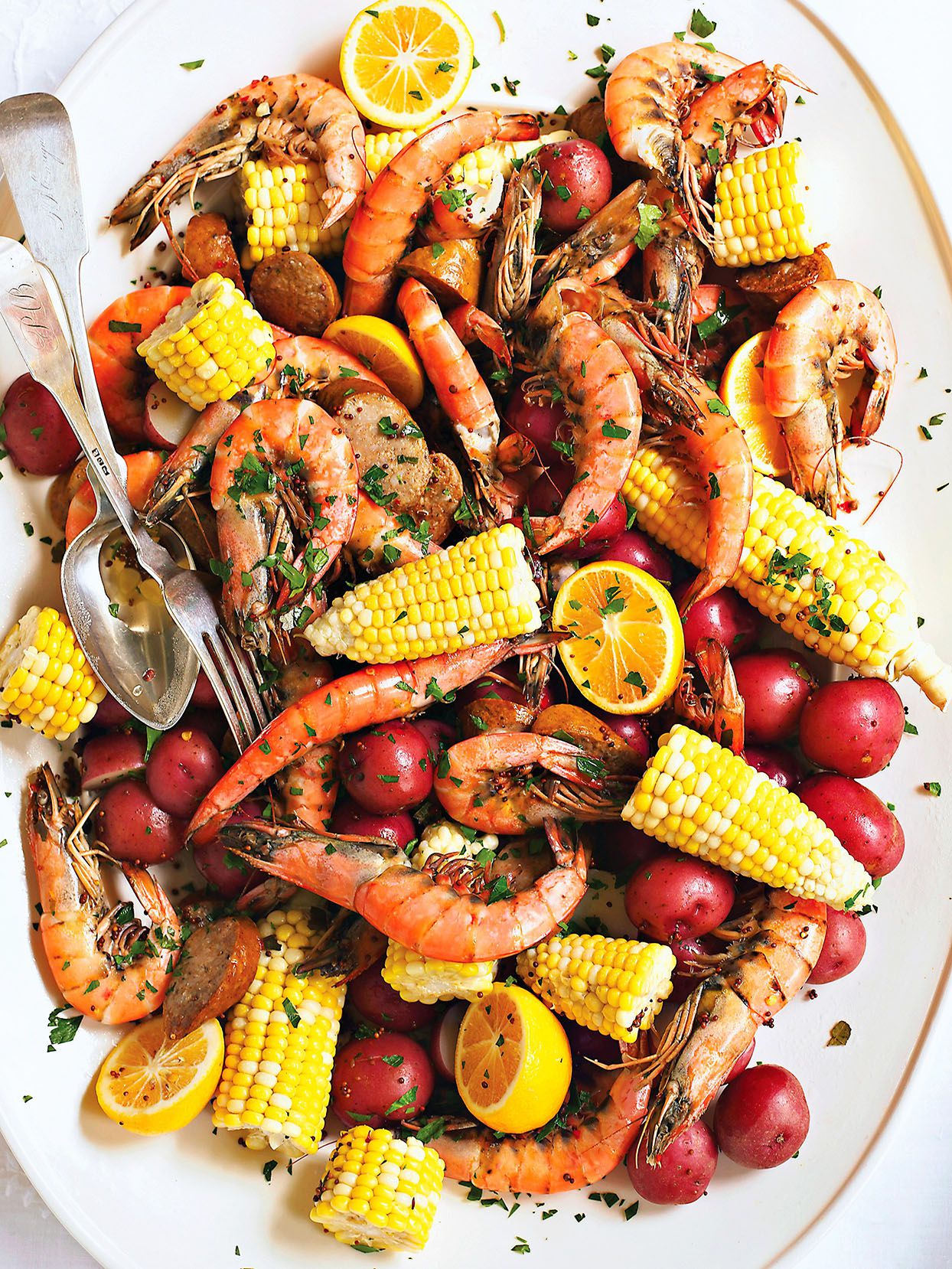
A shrimp and sausage boil is the dinner-party equivalent of wearing flip-flops to a fancy event: it’s relaxed, a little messy, and somehow everybody has a better time because of it. You dump a mountain of shrimp, smoky sausage, sweet corn, and buttery potatoes onto the table, hand out napkins like you’re running a tiny paper-company franchise, and watch conversation magically improve as people start eating with their hands.
This guide gives you a classic one-pot shrimp and sausage boil (aka a seafood boil or Low Country boil) with smart timing, big flavor, and a garlic-butter finish that makes everyone hover near the pot “just to help.”
Why This Shrimp and Sausage Boil Works
A boil is simple, but the best boils are strategic. Think of it like a band: potatoes are the drummer (steady, takes time), corn is rhythm guitar (quick, sweet), sausage is bass (smoky, loud), and shrimp is the lead singer (shows up late, steals the spotlight, and absolutely cannot be overcooked).
- Layered timing keeps every ingredient perfectly cooked, not “somehow both mushy and underdone.”
- Seasoned broth builds flavor fast with aromatics and classic seafood-boil spices.
- Garlic butter finish coats everything so the flavor sticks to the food, not just the cooking water.
Ingredients
The Seafood
- Shrimp (2–3 lb): Large or jumbo is easiest. Shell-on gives the best flavor and a little “wow” factor, but peeled works when you want less work at the table.
The Sausage + Veg (The Crowd-Pleasers)
- Andouille sausage (12–16 oz) or smoked sausage, sliced into thick coins
- Baby potatoes (1½–2 lb) (red or Yukon gold), halved if large
- Corn on the cob (4–6 ears), shucked and cut into halves or thirds
- Onion (1), quartered (optional but highly recommended)
- Garlic (6–8 cloves), smashed
- Lemons (2), halved (one for the pot, one for serving)
Seasoning Options (Pick Your Personality)
You can go in a few directions here. The goal is a broth that tastes boldly seasonedsalty, citrusy, and aromatic.
- Old Bay-style: classic East Coast vibe (bright, celery-salty, slightly sweet-spicy)
- Cajun/Creole boil: warmer heat, peppery, a little more “party in Louisiana”
- Boil-in-a-bag seasoning: easy mode (still legit)
For the Broth
- Water (about 4 quarts) (enough to cover ingredients with room to boil)
- Beer (optional, 12 oz) for a malty backbone (you can also drink itvery traditional)
- Seafood boil seasoning (about ½ cup or per package directions)
- Kosher salt (start with 1–2 Tbsp; adjust carefully depending on how salty your seasoning is)
- Bay leaves (2) (optional)
- Optional extras: celery stalks, black peppercorns, a pinch of cayenne, or a splash of hot sauce
Garlic Butter Finish (Highly Recommended)
- Butter (6 Tbsp)
- Garlic (3–4 cloves), minced
- Paprika (1 tsp)
- Old Bay or Cajun seasoning (1–2 tsp)
- Lemon zest + a squeeze of lemon
- Optional: a drizzle of hot sauce or a pinch of brown sugar for balance
Equipment & Setup (So You Don’t Panic Mid-Boil)
- Large stockpot (10–12 quart for a family batch; bigger if you’re feeding a crowd)
- Spider strainer or slotted spoon (or a colander in the sink)
- Large sheet pan or serving platter (or the classic newspaper/liner-on-table move)
- Lots of napkins (this is not the time to be brave)
Shrimp and Sausage Boil Recipe (Step-by-Step)
1) Prep Like You Mean It
Cut corn, slice sausage, halve potatoes, smash garlic, and halve lemons before you turn on the heat. Shrimp cook fast, so you want a clear runway when it’s shrimp o’clock.
If your shrimp are shell-on: rinse quickly and check for any stray grit. If they’re peeled: pat dry so they don’t waterlog the flavor later.
2) Build a Flavorful Boil Broth
Fill your pot with water (and beer if using). Add seafood boil seasoning, salt (start modestly), smashed garlic, onion quarters, and the juice from one lemon. Drop the squeezed lemon halves into the pot toofree flavor. Bring to a rolling boil.
Taste the broth once it’s boiling (carefully). It should taste a little too seasoned to sip like soupbecause it’s going to season a whole pile of food.
3) Cook in the Right Order (Timing = Happiness)
- Potatoes first: Add potatoes and boil until they’re almost fork-tender (about 10–15 minutes depending on size).
- Corn next: Add corn and cook 5–7 minutes.
- Sausage joins the party: Add sliced sausage and cook 3–5 minutes.
- Shrimp last: Add shrimp and cook just until pink and opaque (typically 2–4 minutes). Turn off the heat as soon as they’re done.
4) Optional “Soak” for Extra Flavor
Want deeper seasoning without overcooking shrimp? Turn off the heat when shrimp are just cooked, then let everything sit in the broth for 5 minutes. This is the cheat code for “tastes like it came from a beach house with three screened porches.”
5) Drain, Dump, and Dress
Drain the pot (or scoop everything onto a sheet pan). Remove onion and lemon halves if you want a cleaner lookor leave them for the rustic vibe.
6) Make the Garlic Butter Finish
In a small saucepan, melt butter. Add minced garlic and cook 30–45 seconds (just until fragrant). Stir in paprika and a pinch of your seafood seasoning. Add lemon zest and a squeeze of lemon. Optional: a dash of hot sauce.
Drizzle the garlic butter over the boil and toss gently. This step turns “tasty” into “why are we standing around the tray like raccoons at midnight.”
Quick Timing Guide
Cooking times vary by pot size, how hard your boil is, and whether your potatoes are the size of golf balls or small planets. Use this as a baseline:
| Ingredient | When to Add | Typical Cook Time |
|---|---|---|
| Potatoes | First | 10–15 minutes |
| Corn | After potatoes | 5–7 minutes |
| Sausage | After corn | 3–5 minutes |
| Shrimp | Last | 2–4 minutes |
Serving Ideas (Make It a Whole Event)
A shrimp and sausage boil is already a full meal, but the right sides turn it into a feast.
- Crusty bread for butter-dunking (mandatory, spiritually)
- Coleslaw for crunch and cool contrast
- Simple green salad with a sharp vinaigrette
- Cocktail sauce or remoulade (spicy, tangy, addictive)
- Lemon wedges + hot sauce on the table so everyone can customize
Flavor Variations (Same Boil, Different Mood)
Cajun Shrimp and Sausage Boil
Swap in Cajun seasoning, add extra garlic, and finish with butter plus a hit of hot sauce. If your family likes heat, add sliced jalapeños to the broth. If your family says they like heat but acts betrayed by black pepper, keep cayenne on the side.
Sheet Pan Shrimp Boil (No Giant Pot Needed)
Boil potatoes briefly until just tender, then toss everything with melted butter, seasoning, lemon, and garlic. Roast on a sheet pan until shrimp are cooked. Great for weeknights and even better for people who hate washing stockpots the size of a toddler.
Slow Cooker Shrimp Boil (Hands-Off)
Cook potatoes/corn/sausage in seasoned broth until tender, then add shrimp at the very end so they don’t turn rubbery. This is “set it and forget it” energyuntil the shrimp arrive, and then it’s “watch it like a hawk” energy.
Common Mistakes (And How to Avoid Them)
Overcooking the Shrimp
Shrimp are done when they turn pink and opaque and curl into a gentle “C.” If they curl into a tight “O,” they’re overcooked. Still edible, but they’ll be less juicyand your shrimp will feel emotionally distant.
Underseasoning the Broth
The broth should taste bolder than you think. Potatoes and corn absorb seasoning like they’re studying for finals. Taste early, adjust carefully, and remember: many boil seasonings already contain salt.
Cutting Potatoes Too Big
If your potatoes are large, halve or quarter them. Otherwise, everyone will be eating shrimp while the potatoes are still doing their “warm but crunchy” routine.
Storage & Leftovers
Store leftovers in an airtight container in the fridge and eat within 2 days for best quality. Reheat gently:
- Best: a quick steam or a covered skillet with a splash of water and a little butter
- Okay: microwave in short bursts (shrimp can overcook fast)
Leftover boil is fantastic tossed into pasta with extra garlic butter, or chopped into a quick skillet hash with a fried egg on top. Yes, a fried egg. Trust the process.
FAQ
Can I use frozen shrimp?
Yesthaw first for even cooking. A quick method: place shrimp in a colander and run cold water over them for a few minutes, then pat dry.
What’s the best sausage for a seafood boil?
Andouille is the classic for a Cajun-style boil, but any good smoked sausage works. You want something that can stand up to bold seasoning and won’t disappear behind the shrimp.
Do I have to use beer?
Nope. Beer adds depth, but water plus aromatics and seasoning still delivers a great boil.
How do I scale this for a crowd?
Multiply ingredients, but don’t overcrowd the pot. If you’re feeding a big group, do two batches or use two pots. A boil is a partynobody wants “batch one is perfect, batch two is shrimp jerky.”
Conclusion
A great shrimp and sausage boil is less about a strict recipe and more about a solid system: season the broth, cook in the right order, treat shrimp gently, then finish everything with garlic butter like you’re trying to win “Most Beloved Person at the Table.” Whether you keep it classic, go Cajun, or roast it on a sheet pan, the magic is the samebig flavor, minimal fuss, maximum togetherness.
Real-Life Boil Experiences (The 500-Word “What I Learned the Hard Way” Section)
The first time I made a shrimp and sausage boil for friends, I thought I was being clever by “saving time” and throwing everything into the pot at once. Potatoes the size of billiard balls, corn, sausage, shrimplike a culinary group project where nobody agrees on the deadline. The shrimp came out overcooked, the corn was fine (corn is always fine, smug little sunshine sticks), and the potatoes were doing that awkward thing where the outside is soft but the center is still trying to remember what a fork is. Everyone ate it anyway, because boils are forgiving and friends are kind. But I learned the single most important boil truth: timing is flavor’s best friend.
The second lesson came from seasoning. I used a conservative amount of seafood seasoning because I was afraid of making it too salty. The result was a boil that tasted… polite. Like it was about to ask permission before being delicious. Now I treat the broth like it’s auditioning: I build layers with lemon, onion, garlic, and seasoning, then I taste it once it’s boiling. If it tastes bold, it will taste right on the food. If it tastes like warm water having an identity crisis, the potatoes and corn will absorb that sadness and reflect it back at you.
Then there’s the great shrimp debate: shell-on versus peeled. I used to default to peeled because it felt “easier.” But shell-on shrimp (even if you devein them) hold onto juiciness better and add extra flavor to the pot. Plus, peeling shrimp at the table slows people down in a good wayit’s part of the experience. It turns dinner into an activity, like an edible campfire. If you’re serving kids or you want a cleaner, faster meal, peeled shrimp are totally finejust watch the cook time like a hawk with a stopwatch.
One more hard-earned tip: the garlic butter finish changes everything. A boil without a finishing sauce can be delicious, but a boil with a buttery, garlicky coating becomes memorable. The sauce also solves a sneaky problem: when you drain the pot, a lot of flavor drains away with the liquid. Butter brings the flavor back and helps seasoning cling to every potato edge and sausage coin. The first time I drizzled garlic butter over the whole tray, someone said, “This tastes like a vacation,” and that was the exact level of emotional feedback I was hoping for.
Finally, the best “experience” advice isn’t even about cookingit’s about hosting. Put out a big bowl for shells, keep wet wipes nearby, and don’t fight the mess. A shrimp and sausage boil is supposed to be a little chaotic. Lean into it. Cover the table, crank up music, and serve everything family-style. When people stand around the pile of food, grabbing corn and laughing because someone got Old Bay on their elbow, that’s the point. The boil isn’t just dinnerit’s the vibe.













