
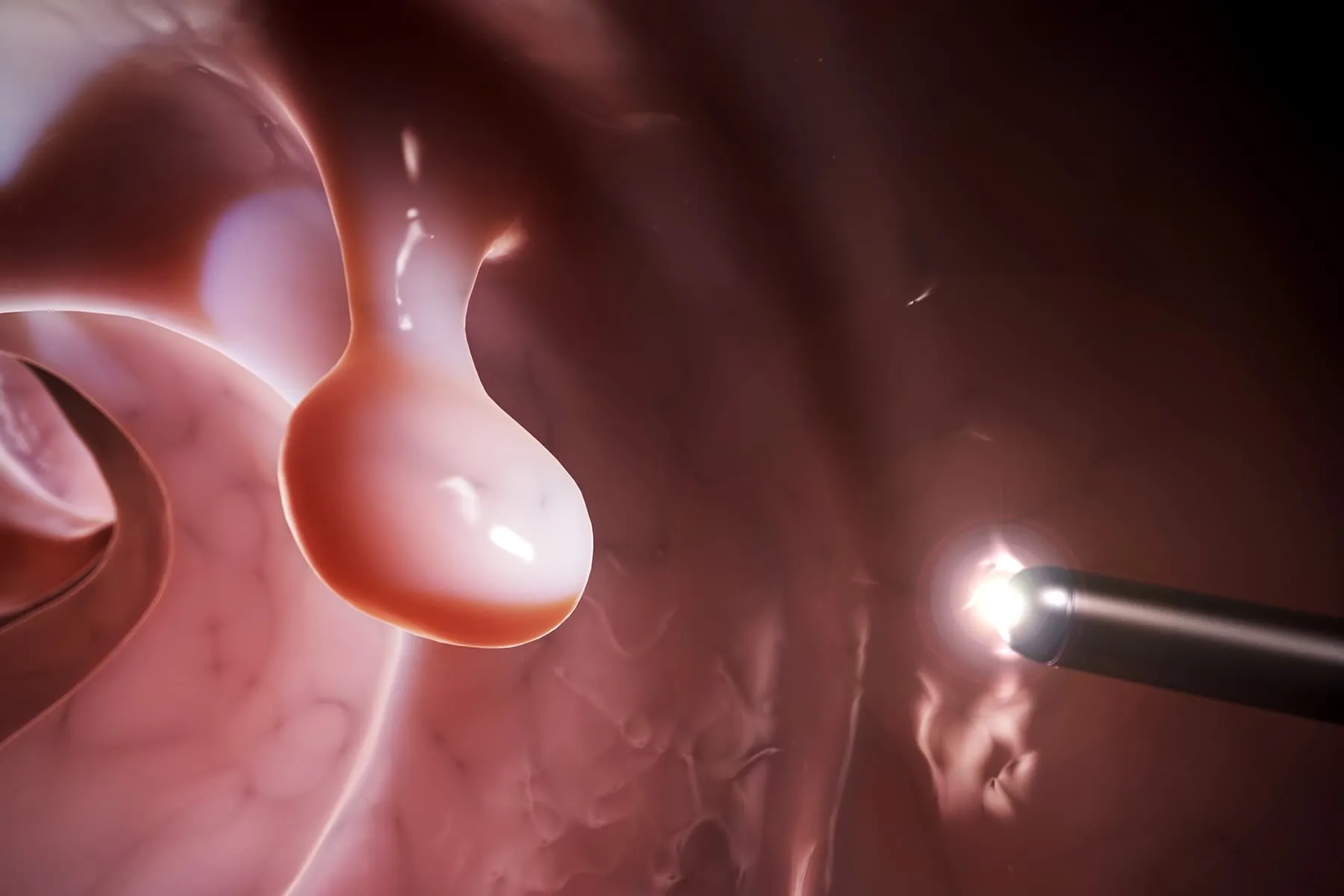
Hearing the words “tubular adenoma” after a colonoscopy can make your brain sprint directly to the scariest possible conclusion. Take a breath. A tubular adenoma is not cancer. It is a common type of adenomatous colon polyp that doctors remove because it has the potential to become cancerous over time if left in place.
Think of it as an unwanted houseguest in the lining of the colon: not an emergency by default, but definitely not someone you want settling in permanently. The reassuring part is that tubular adenomas can usually be removed during a colonoscopy, often before they ever cause symptoms or develop into something more serious.
This guide explains tubular adenoma symptoms, possible causes and risk factors, diagnosis, treatment, pathology report terms, follow-up colonoscopy schedules, and what the experience often feels like in real life.
What Is a Tubular Adenoma?
A tubular adenoma is a type of adenomatous polyp, meaning an abnormal growth that develops in the lining of the colon or rectum. “Tubular” refers to the way the cells are arranged when a pathologist studies the removed polyp under a microscope. It does not mean your colon has grown a tiny drinking straw, although that would make the name much easier to remember.
Tubular adenomas are the most common type of adenoma. Other adenoma types include villous adenomas and tubulovillous adenomas. These labels matter because the polyp’s size, microscopic features, number, and degree of dysplasia help clinicians estimate future colorectal cancer risk and choose a follow-up schedule.
Adenomas are considered precancerous, not because every adenoma becomes cancer, but because some can gradually acquire more abnormal changes over years. Removing them interrupts that process. In other words, colonoscopy is unusual in a very good way: it can detect a possible future problem and often remove it during the same visit.
Tubular Adenoma Symptoms: Why Many People Feel Completely Fine
Most tubular adenomas cause no symptoms at all. That is one reason colorectal cancer screening matters: a person can feel healthy, exercise regularly, eat salads with heroic determination, and still have a polyp quietly hanging out in the colon.
When symptoms occur, they may be related to bleeding, irritation, or a larger polyp. Possible signs include:
- Blood on toilet paper, in the toilet bowl, or mixed with stool
- Dark or black stools
- A lasting change in bowel habits, such as constipation or diarrhea
- New narrow stools or a feeling that bowel movements are incomplete
- Abdominal cramping, bloating, or discomfort
- Fatigue, weakness, or iron-deficiency anemia caused by slow blood loss
- Unexplained weight loss
These symptoms do not automatically mean someone has a tubular adenoma or colorectal cancer. Hemorrhoids, infections, inflammatory bowel disease, diverticular disease, medications, and many other conditions can cause similar changes. Still, blood in the stool and persistent bowel changes deserve a real medical evaluation rather than a late-night internet search spiral.
What Causes Tubular Adenomas?
There is usually no single, dramatic cause of a tubular adenoma. Most arise through a combination of aging, genetic changes in colon-lining cells, family history, medical history, and lifestyle-related risk factors. It is not a personal failure, and it is not proof that someone “ate wrong” one Tuesday in 2009.
Risk Factors That May Increase the Chance of Adenomatous Polyps
Factors associated with a higher likelihood of colon polyps or colorectal cancer include:
- Older age
- A personal history of adenomas or colorectal cancer
- A family history of colorectal cancer or certain types of polyps
- Inherited conditions such as familial adenomatous polyposis or MUTYH-associated polyposis
- Inflammatory bowel disease, including ulcerative colitis or Crohn’s colitis
- Smoking cigarettes
- Heavy alcohol use
- Obesity and low physical activity
- Diets high in processed meat or red meat
- A history of radiation to the abdomen or pelvis for some cancers
Having one or more risk factors does not guarantee that a person will develop a tubular adenoma. Likewise, someone with no obvious risk factors can still have one. Risk factors are clues for prevention and screening decisions, not a scorecard of blame.
How Is a Tubular Adenoma Diagnosed?
A tubular adenoma is most often found during a screening colonoscopy. A colonoscope is a flexible tube with a camera that allows a clinician to examine the colon and rectum. During the procedure, the doctor can often remove suspicious polyps immediately.
A stool-based colorectal cancer screening test may detect hidden blood or abnormal DNA changes that lead to a colonoscopy. These tests can be valuable screening tools, but they cannot diagnose a tubular adenoma or remove a polyp. A positive stool test generally needs follow-up colonoscopy.
What Happens During Colonoscopy?
Before the procedure, patients follow a bowel-preparation plan so the colon is clean enough for the doctor to see the lining clearly. This part is not glamorous. Nobody has ever framed a bowel prep as a relaxing spa getaway. However, an excellent prep improves the chance of finding small polyps that could otherwise hide behind leftover stool.
During colonoscopy, sedation is commonly used. If the doctor sees a polyp, they may remove it using forceps, a wire snare, or another endoscopic technique. The tissue is then sent to a pathology laboratory, where a pathologist identifies the polyp type and looks for dysplasia or cancer cells.
Understanding the Pathology Report
A pathology report may include several terms that sound intimidating but are useful for follow-up planning:
- Tubular adenoma: The most common adenoma type, based on microscopic growth pattern.
- Low-grade dysplasia: Early precancerous cellular changes.
- High-grade dysplasia: More advanced precancerous changes that generally require closer surveillance.
- Size: Larger adenomas generally affect follow-up timing more than tiny adenomas.
- Number of adenomas: Finding several polyps can lead to earlier surveillance.
- Complete removal: A polyp removed in pieces or not fully removed may require earlier follow-up.
- Villous features: Villous or tubulovillous architecture can increase concern compared with a small tubular adenoma.
High-grade dysplasia is not automatically the same as invasive colorectal cancer. It does mean the cells looked more abnormal under the microscope, so follow-up recommendations may be more cautious.
Tubular Adenoma Treatment: Removal Is Usually the Main Event
The standard treatment for a tubular adenoma is polypectomy, meaning removal of the polyp. In most cases, this happens during colonoscopy. Once a noncancerous tubular adenoma has been completely removed, there is usually no need for chemotherapy, radiation, or a special medication designed to “melt” the polyp away. The polyp is gone, which is the whole point.
Common Removal Methods
- Cold forceps removal: Often used for very small polyps.
- Cold snare polypectomy: A wire loop removes many small or medium polyps.
- Hot snare polypectomy: Uses electrical current in selected cases to cut and control bleeding.
- Endoscopic mucosal resection: May be used for larger or flatter polyps.
- Surgery: Considered when a polyp is very large, difficult to remove endoscopically, contains cancer, or cannot be safely treated through the scope.
After removal, mild cramping, gas, or bloating may occur because air or carbon dioxide is used to expand the colon during the procedure. Most people go home the same day, but they usually need someone else to drive because of sedation.
Contact a clinician urgently after polyp removal for severe abdominal pain, fever, heavy rectal bleeding, bleeding that does not improve, dizziness, fainting, or worsening weakness. These problems are uncommon, but they should not be ignored.
When Is the Next Colonoscopy Needed?
There is no one-size-fits-all answer. Follow-up, often called surveillance colonoscopy, depends on the quality of the original colonoscopy, bowel prep, number of adenomas, size, pathology findings, whether the adenomas were completely removed, family history, and personal medical history.
For adults whose colonoscopy was high quality and whose polyps were completely removed, commonly used U.S. recommendations include:
- One to two tubular adenomas smaller than 10 mm: Repeat colonoscopy in about 7 to 10 years.
- Three to four small tubular adenomas: Repeat colonoscopy in about 3 to 5 years.
- Five to 10 small adenomas: Repeat colonoscopy in about 3 years.
- An adenoma 10 mm or larger: Repeat colonoscopy in about 3 years.
- Villous features or high-grade dysplasia: Repeat colonoscopy in about 3 years.
- More than 10 adenomas: Repeat colonoscopy in about 1 year, with possible genetic evaluation.
- Large adenoma removed piecemeal: Earlier follow-up may be recommended, sometimes around 6 months.
These intervals are general guidance, not a calendar invitation written in stone. A gastroenterologist should tailor the plan to the individual. Keep a copy of the colonoscopy and pathology reports; future clinicians will appreciate not having to play detective with a ten-year-old memory of “they found something small-ish.”
Can You Prevent Another Tubular Adenoma?
No strategy guarantees that another polyp will never appear. However, healthy habits can support colorectal health and may reduce the chance of polyps and colorectal cancer over time.
Helpful Lifestyle Steps
- Stay physically active most days of the week.
- Maintain a weight that supports overall health.
- Eat more fiber-rich foods such as vegetables, fruits, beans, whole grains, and nuts when medically appropriate.
- Limit processed meats and reduce frequent large portions of red meat.
- Avoid smoking and seek support to quit if needed.
- Limit alcohol or avoid it altogether.
- Keep recommended colorectal cancer screening and surveillance appointments.
Do not start daily aspirin solely to prevent polyps without speaking with a clinician. Aspirin may help some people in specific situations, but it can also increase the risk of gastrointestinal bleeding and is not right for everyone.
When Should You Call a Doctor?
Schedule a medical appointment if you have rectal bleeding, blood in stool, black stools, a bowel-habit change lasting more than a couple of weeks, persistent abdominal pain, unexplained iron-deficiency anemia, unintentional weight loss, or a strong family history of colorectal cancer or polyps.
Adults at average risk are commonly advised to begin colorectal cancer screening at age 45, while people with family history, inflammatory bowel disease, inherited syndromes, or previous adenomas may need earlier or more frequent screening. The best time to ask about screening is before symptoms appear, not after your colon sends a strongly worded memo.
Real-World Experience: What Tubular Adenoma Care Often Feels Like
The following examples are illustrative composite experiences, not individual patient stories or medical advice.
For many people, the first surprise is how ordinary the day begins. Someone may schedule a colonoscopy because they turned 45, had a parent with colon cancer, or finally decided to stop postponing screening. They may expect a routine “everything looks fine” result and wake up hearing that a few polyps were removed. The word precancerous can land with the emotional force of a dropped frying pan. Yet the more accurate interpretation is often encouraging: the screening test did its job. A potential problem was found early and removed before it had the opportunity to grow into something more dangerous.
The waiting period for pathology results is commonly the hardest part. People may replay every meal, every skipped workout, and every family health story. In reality, tubular adenomas are common, and risk is shaped by many factors that cannot be reduced to one habit or one “bad” choice. When the pathology report says “tubular adenoma with low-grade dysplasia,” patients often feel relieved but confused. The important next step is to ask practical questions: How many were removed? How large were they? Were they removed completely? When should the next colonoscopy happen? Writing these questions down before the follow-up call can make the conversation far less overwhelming.
The bowel prep also earns plenty of dramatic reviews. It is inconvenient, occasionally exhausting, and rarely anyone’s idea of a fun Friday night. But patients often say the procedure itself was easier than expected. Sedation means many remember little or nothing about the colonoscopy, and some wake up surprised that it is already finished. The prep is the long trailer; the procedure is often the short movie.
After polyp removal, people may become more aware of their habits. Some use the result as a reason to eat more vegetables, walk regularly, stop smoking, or cut back on alcohol. These changes are helpful, but they do not need to be perfect to matter. A sustainable plan beats a grand two-week health makeover followed by a reunion with drive-through burgers and regret. The most powerful preventive action remains simple: complete the recommended surveillance colonoscopy when it is due.
Family conversations can become important, too. A person with adenomas may tell siblings, adult children, or close relatives that polyps were found, especially when there is a family history of colon cancer or multiple polyps. This does not mean everyone is destined for the same diagnosis. It gives relatives useful information to share with their own clinicians when discussing screening age and frequency.
Finally, many people describe a shift from fear to perspective. A tubular adenoma is a reminder that prevention is often quiet and unglamorous. It may involve a calendar reminder, a bowel-prep kit, a day off work, and a procedure that nobody plans to brag about at brunch. Still, finding and removing a precancerous colon polyp is one of the clearest examples of preventive medicine working exactly as intended.
Conclusion
A tubular adenoma is a common precancerous colon polyp, not colorectal cancer. Most cause no symptoms and are found during screening colonoscopy. The usual treatment is removal during colonoscopy, followed by surveillance based on the number, size, pathology features, and completeness of removal. The best next step after diagnosis is not panic; it is understanding the pathology report, following the recommended surveillance plan, and keeping long-term colorectal health on the calendar.














