
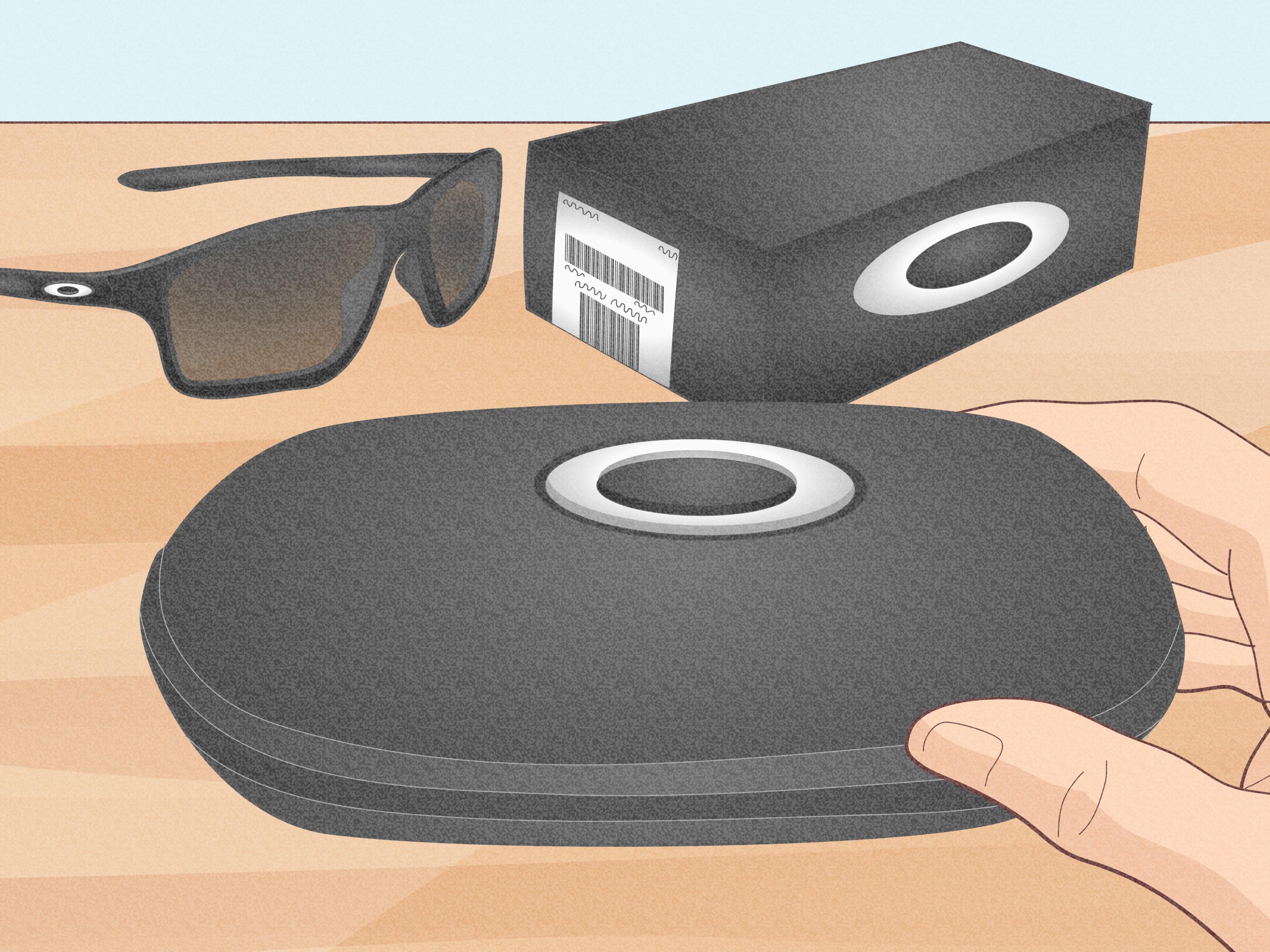
Oakley sunglasses have a loyal following for a reason: they are sporty, durable, engineered with serious lens tech, and recognizable from across a parking lot. That popularity is also exactly why counterfeiters love them. Fake Oakleys show up on marketplaces, sketchy “discount” websites, social media ads, flea markets, and the occasional mysterious online seller whose idea of customer service is disappearing faster than your weekend plans.
If you are trying to figure out whether a pair is legit, here is the good news: you do not need a lab coat, a jeweler’s loupe, or a dramatic detective soundtrack. In most cases, you can spot fake Oakley sunglasses by checking three things: where they came from, how the frame is marked and built, and whether the lenses and packaging make sense. Those three checks will catch a huge percentage of counterfeits.
This guide breaks the process down in plain English, with practical examples and zero fluff. The goal is simple: help you avoid buying a bad fake, identify a suspicious pair before money changes hands, and know what to do if you already bought sunglasses that seem a little too shady in every sense of the word.
Why Fake Oakleys Fool So Many People
Counterfeits are better than they used to be. Years ago, fake Oakleys practically announced themselves with crooked logos, toy-store plastic, and enough misspellings to make your spellcheck cry. Today, some replicas look convincing in listing photos. That is why a quick glance is not enough anymore.
The smartest approach is to stop asking, “Do these look kind of like Oakleys?” and start asking, “Do these match how authentic Oakleys are actually sold, marked, and finished?” That shift matters. A fake can copy the vibe. It usually struggles to copy the details.
1. Check the Seller, the Price, and the Purchase Trail
Start With Where the Sunglasses Came From
The easiest way to avoid fake Oakley sunglasses is almost boring in its simplicity: buy from Oakley directly, an Oakley store, or an authorized Oakley dealer. Boring, yes. Effective, absolutely. When a pair comes from a known source, you do not have to play amateur counterfeit detective after checkout.
If you are shopping online, treat the seller as part of the product. A legitimate pair sold through a questionable website is still a questionable purchase. Oakley’s own guidance points to classic website red flags: a blank or suspicious contact page, lots of typographical errors, unprofessional product photos, reviews that feel fake, or signs that the order ships from overseas when the site is pretending to be a polished U.S. retailer. A sketchy website is basically the digital version of a van with “Totally Real Sunglasses, Trust Us” painted on the side.
Be Suspicious of the “Too Good to Be True” Discount
Everyone loves a deal. Nobody loves discovering that their “premium performance eyewear” is actually bargain-bin plastic wearing a fake mustache. One of the oldest and still most reliable signs of counterfeit Oakleys is an unrealistic price. If the seller is offering a supposedly new, high-demand Oakley model at a dramatic discount with no credible explanation, that is a warning sign.
That does not mean every sale is fake. Authorized retailers run promotions. Clearance happens. Last-season colors get marked down. But there is a big difference between a normal discount and a price so low it feels like the sunglasses fell off the back of the internet.
Look for Proof of Purchase and Warranty Logic
Authentic Oakley warranty support is tied to proof of purchase from an authorized dealer. That matters because counterfeit sellers often avoid giving clean receipts, model details, or purchase documentation. If a seller cannot provide a proper invoice, cannot explain where the pair came from, or gets weirdly evasive when you ask simple questions, step back.
Here is another clue many buyers miss: legitimate Oakley products exist inside a support system. There is a store finder, customer care, warranty language, and established retail channels. Fakes usually come with chaos, vague promises, and a return policy that feels like it was written by a smoke bomb.
2. Inspect the Frame Like a Very Stylish Detective
Read the Markings on the Inside of the Temple
One of the best ways to spot fake Oakley sunglasses is to inspect the text and numbers printed or engraved inside the arms, also called the temples. Authentic eyewear commonly includes a model code and sizing information. Retail size guides from major authorized sellers explain that the numbers on the inside temple typically indicate the model, lens width, bridge width, and temple length, with lens height sometimes included too.
That sounds technical, but it is useful in real life. For example, if a seller claims a pair is an Oakley Holbrook, the inside markings should line up with an actual Holbrook configuration. If the code, frame size, color, and product photos do not match a legitimate retail listing, that is a problem. A common example of authentic Oakley coding is the “OO” format in model numbers. If you see something sloppy, mismatched, or obviously off-brand, do not shrug it off.
Counterfeit pairs sometimes use numbers that look right at a glance, but do not match the model being sold. That is a huge tell. A pair claiming to be one style while carrying markings for another is not a quirky manufacturing surprise. It is a red flag with hinges.
Examine the Logo, Finish, and Overall Build Quality
Oakley frames are known for being sturdy and well finished. Fake pairs often fall apart under the kind of inspection a real pair should survive without breaking a sweat. Check the temple logos closely. On authentic Oakleys, the iconic “O” should look crisp, correctly shaped, and properly mounted. It should not look painted on, crooked, uneven, or glued in like a last-minute craft project.
Pay attention to the frame material too. A genuine pair should feel solid, balanced, and intentional. Cheap counterfeits often feel flimsy, look overly glossy or oddly dull, and may show sloppy seams, paint issues, glue residue, or loose hardware. If the finish chips suspiciously easily or the color looks sprayed on rather than integrated into the material, that is another strike against it.
The hinges matter as well. Open and close the arms. The movement should feel smooth and secure, not crunchy, loose, or squeaky like a haunted screen door. The nose area, temple tips, and edges should all look clean and consistent. Real Oakleys are engineered products. Fakes often feel like they were manufactured with the quality standards of a gas station keychain.
Do Not Use “Made in USA” as Your Only Authenticity Test
This one trips people up all the time. Some shoppers assume that real Oakleys must say “Made in USA” and anything else is fake. That is not a reliable test. Oakley designs and engineers its eyewear in California, but authentic products can be manufactured in different countries. In other words, a lack of a USA stamp does not automatically mean counterfeit.
So yes, country of origin can be one detail to note, but it should never be your only deciding factor. Use it as one clue, not the whole case file.
3. Check the Lenses and Packaging for Details Fakes Usually Miss
Know What Should Be Etched, and What Should Not
Lenses are where a lot of buyers get fooled. Some people assume that any Oakley “O” visible on the lens must prove authenticity. Not so fast. On non-prescription Oakley sunglasses, the Oakley “O” logo should generally not appear on the lens itself. If you see a big printed Oakley logo sitting on the lens of standard sunglasses, that is suspicious.
There is an important exception: authentic Oakley prescription lenses are sold with a laser-etched Oakley logo as part of their authenticity and branding. Authorized U.S. sellers also describe branded prescription lenses as etched with the brand logo. So the key question is not just “Is there a logo?” but rather “Is this a prescription lens product that is supposed to have one?”
Another detail worth knowing: polarized Oakley lenses may include a removable static-cling “P” marker. That should not behave like a cheap adhesive sticker slapped on as decoration. If the lens has random stickers, painted symbols, or messy branding that looks more promotional than precise, be skeptical.
Judge Optical Quality, Not Just Appearance
Authentic Oakley lenses are known for clarity, sport-driven performance, and well-controlled finishes. You do not need a lab test to notice when a fake pair feels off. Look through the lenses and move the sunglasses slightly. The image should stay clear and stable, not wavy, cloudy, or distorted. The tint should look intentional and even. A brand-new pair with obvious haze, poor polarization, uneven color, or visual distortion is not exactly screaming premium engineering.
Oakley’s legitimate lens ecosystem also includes recognizable technology names like Prizm, polarized options, UV protection, and branded lens treatments through authorized sellers. Counterfeits love borrowing those words. That does not mean they deliver the performance behind them. If a seller throws around every fancy lens term known to humankind but cannot provide matching model information, consider that a marketing costume, not evidence.
Packaging Should Look Professional, Not Improv Theater
Counterfeit sunglasses often reveal themselves once you stop staring at the front of the frame and start looking at everything around it. Check the box label, barcode, style name, color description, leaflet, dust bag, and case. The fonts and branding should be consistent, crisp, and professionally printed. Authentic packaging should feel like it belongs to the same product family as the sunglasses.
Many real Oakley purchases come with protective accessories such as a microfiber bag or case. The bag should not feel flimsy, cheap, or weirdly fuzzy, and the logo stitching should look neat and uniform. Missing accessories do not automatically prove a pair is fake, especially on resale platforms, but poor-quality packaging combined with other warning signs should absolutely put you on alert.
A Quick Fake Oakley Checklist
- Seller: Is it Oakley, a known retailer, or an authorized dealer?
- Price: Is the discount believable, or suspiciously wild?
- Website: Are there typos, fake-looking reviews, bad contact info, or low-quality images?
- Temple markings: Do the model code and size numbers match an actual Oakley listing?
- Build quality: Do the frame, hinges, and logo look precise and sturdy?
- Lenses: Is the branding appropriate for the lens type, and is the optics quality clear?
- Packaging: Do the box, barcode, inserts, bag, and branding all look consistent?
What to Do if You Think You Bought a Fake
Do not panic, and definitely do not convince yourself that “maybe the crooked logo gives it character.” Start by comparing the pair against official retail listings and authorized dealer product pages. Check the model code, measurements, frame color, and lens naming. If the details do not line up, contact Oakley customer care with clear photos and purchase information. Oakley says it can help determine whether a pair is real or counterfeit.
If you bought from an online marketplace or shady seller, save screenshots, order confirmations, and messages. Then dispute the charge through your payment provider if needed. Oakley also provides a way to report fake products and counterfeit sellers. The faster you document everything, the better.
Buyer Experiences: What Spotting Fake Oakleys Often Looks Like in Real Life
One of the most useful ways to understand counterfeit sunglasses is to look at the experience buyers tend to have. Not the glamorous part where they click “Buy Now,” but the moment a tiny doubt starts whispering, “Why does this feel weird?” That moment is usually where fake Oakleys begin to unravel.
A very common experience starts with a bargain. Someone finds a pair advertised as brand-new Oakleys at a price far below what major retailers charge. The listing looks decent, the photos are sharp enough, and the seller sprinkles in words like “authentic,” “Prizm,” and “polarized” like seasoning. The sunglasses arrive, and at first glance they seem close enough. Then the buyer notices the box print looks a little off, the microfiber bag feels cheap, and the hinges do not move cleanly. The deal that felt thrilling at checkout suddenly feels like a lesson with shipping fees.
Another typical experience happens with resale listings. A buyer may see a used pair that looks legitimate because the seller includes close-up photos and a believable story: gift item, barely worn, cleaning out the closet, you know the script. But once the buyer checks the inside temple, the model number does not match the frame style being sold. Maybe the pair is marketed as a Holbrook, but the numbers point somewhere else. That kind of mismatch is one of the fastest ways for confidence to evaporate.
There is also the website trap. This is the experience where everything seems fine until you slow down. Maybe the homepage looks polished, but the product descriptions are clumsy. The contact page is vague. The return policy reads like it was translated three times and then abandoned halfway through. The photos look slightly off, as if they were copied from somewhere else. Buyers who trust their instincts and leave the site usually save themselves money. Buyers who ignore the warning signs often end up learning that the sunglasses business has its own version of catfishing.
Then there are the buyers who only realize the truth after comparing the sunglasses to a known authentic pair in person. This can be surprisingly revealing. The fake pair may look acceptable alone, but next to a real Oakley, the differences become obvious: the logo shape is wrong, the frame feels lighter and cheaper, the lens clarity is not as crisp, and the finish lacks the clean, deliberate feel of the real thing. It is the eyewear equivalent of hearing a tribute band right after the original artist walks on stage.
The best experiences, of course, are the boring ones. Someone buys from Oakley or a trusted authorized retailer, receives a clean receipt, gets packaging that makes sense, and never has to wonder whether the sunglasses are fake. It is not a thrilling story, but it is the one most people would happily choose. When authenticity matters, boring is beautiful.
Final Thoughts
If you remember only one thing from this guide, make it this: the best way to spot fake Oakley sunglasses is to check the source, inspect the frame details, and verify the lens and packaging. Most counterfeits fail in at least one of those areas. Many fail in all three.
Real Oakleys are not just about a logo. They come with a full pattern of evidence: credible seller, accurate model markings, sturdy construction, appropriate lens branding, and professional packaging. Fakes usually try to imitate the look while cutting corners everywhere else. So take an extra minute, ask a few more questions, and trust your skepticism when something feels off. Your eyes, your wallet, and your future self will all appreciate the effort.














