
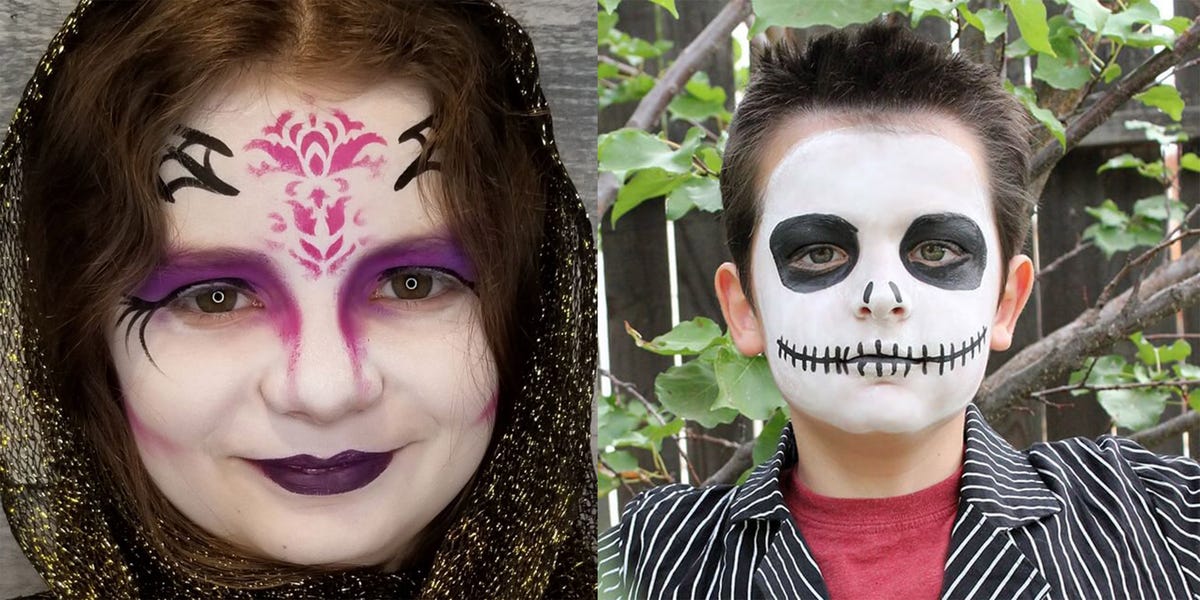
Editorial note: This article synthesizes real safety guidance and kid-friendly Halloween makeup inspiration from reputable U.S. sources, including the FDA, HealthyChildren.org from the American Academy of Pediatrics, Mayo Clinic Health System, Consumer Reports, Nationwide Children’s Hospital, Children’s National, University of Miami Health, and Good Housekeeping.
Halloween face paint is the tiny superhero cape of the costume world. With a few colorful strokes, a child can become a tiger, fairy, robot, pumpkin, superhero, unicorn, pirate, or mysterious woodland creature who insists on collecting candy “for research.” Better yet, easy Halloween face paint can be more comfortable than a full mask, especially for kids who want to see clearly, breathe normally, and avoid shouting, “I can’t see my Snickers!” every three steps.
This guide brings together 30 easy Halloween face paint ideas and practical Halloween makeup ideas for kids that are simple enough for busy parents, babysitters, teachers, and party hosts. The focus is on looks that do not require professional makeup skills, a suitcase full of brushes, or the patience of a saint. Most designs can be created with a small face paint palette, cosmetic sponges, a thin brush, wipes, and a mirror large enough for the child to admire their spooky masterpiece every 14 seconds.
Before we jump into the fun, here is the grown-up goblin rule: use only skin-safe, cosmetic-grade face paint; avoid paint too close to the eyes; do a small patch test before Halloween night; and remove makeup before bedtime. The FDA notes that color additives approved for one use may not be approved for another area, such as near the eyes, while pediatric and health organizations often recommend non-toxic makeup as a safer alternative to masks that can block vision. In other words, face paint is fun, but labels matter. So does soap.
Why Face Paint Is a Smart Halloween Choice for Kids
Costume masks look dramatic in the package, but on a child they can become foggy, itchy, slippery, and oddly determined to cover exactly one eye. Face paint gives kids more freedom to see sidewalks, steps, decorations, pets, pumpkins, and the one neighbor who hands out full-size candy bars like a local legend.
Easy Halloween makeup can also stretch a simple outfit into a complete costume. A black shirt becomes a cat. A hoodie becomes a fox. A striped top becomes a pirate. A glittery dress becomes a fairy. Face paint is budget-friendly, creative, and much easier to store than a giant plastic dinosaur head that somehow survives in the closet until graduation.
Halloween Face Paint Safety Tips Parents Should Know
Choose cosmetic-grade face paint
Never use acrylic paint, craft paint, markers, or anything from the school art bin on a child’s face. “Non-toxic” on a craft product does not automatically mean “safe for skin.” Look for products made specifically for face and body painting, with clear ingredient labels and usage instructions.
Patch test before the big night
Apply a small amount of the makeup to your child’s arm or another small area a day or two before Halloween. If redness, itching, swelling, or irritation appears, skip that product. This step is especially important for children with sensitive skin, eczema, allergies, or a dramatic relationship with scratchy clothing tags.
Be careful around eyes and lips
Keep paint away from the lash line, waterline, and inside the lips. For younger children, avoid complicated designs around the mouth because they may lick, smear, or snack their way through the artwork. A cute fox nose is adorable; orange face paint on a lollipop is less magical.
Remove makeup before bedtime
No child should sleep in Halloween makeup, no matter how committed they are to “staying a vampire until breakfast.” Use gentle cleanser, lukewarm water, and a soft cloth. Avoid harsh scrubbing. If glitter is involved, accept that one sparkle may remain until Thanksgiving.
30 Easy Halloween Face Paint Ideas for Kids
1. Classic Cat Face Paint
A cat is one of the easiest Halloween face paint ideas because it needs only a black nose, whiskers, and a few soft lines around the eyes. Add a headband with ears, a black shirt, and suddenly your child is ready to prowl for candy like a tiny house panther.
2. Friendly Tiger
Use orange as a base, then add black stripes on the cheeks and forehead. A white muzzle makes the look pop. Keep the lines soft for younger kids so the tiger looks more “adorable jungle explorer” than “escaped from a documentary.”
3. Sweet Puppy
Paint one eye patch, a small black nose, and a few dots around the mouth. This design works beautifully with floppy ears or a brown hoodie. Bonus: it is forgiving. If one spot is uneven, congratulationsyou have invented a rare artistic breed.
4. Cute Bunny
A pink nose, white cheeks, and thin whiskers create a quick bunny look. Pair it with pastel clothing or homemade paper ears. This is a great option for toddlers because it uses minimal paint and still looks instantly recognizable.
5. Magical Unicorn
Use pastel swirls across the forehead and cheek, then add stars, dots, and a small painted horn shape. Keep the design on one side of the face for a lighter, faster version. Glitter can be fun, but choose cosmetic-grade glitter only.
6. Rainbow Butterfly
Butterfly face paint looks fancy but can be simple. Sponge bright colors across the cheeks and temples, outline wings with black or purple, and add small dots. The result is cheerful, colorful, and perfect for kids who believe Halloween should include sparkle diplomacy.
7. Mini Spider Web
Paint a small web near one eye or on one cheek. Add a tiny spider if your brush skills are feeling brave. This is a fast Halloween makeup idea for kids who want something spooky but not full-face.
8. Little Vampire
Skip the heavy horror and keep it playful. Pale foundation is optional; a widow’s peak, dark brows, and two small fangs at the corners of the mouth are enough. Add a cape and the child becomes Count Snackula, ruler of the candy bowl.
9. Friendly Ghost
Paint a small white ghost on the cheek with black eyes and a surprised mouth. This works well for children who do not want paint covering their whole face. It is also quick for school parties, trunk-or-treat events, or last-minute costume emergencies.
10. Pumpkin Face
Use orange on the cheeks or across the face, then add triangle eyes or curved jack-o’-lantern lines. For a softer look, paint a small pumpkin on one cheek. Add green vines or leaves for extra charm.
11. Skeleton Smile
A skeleton can be simple with black lines around the mouth and cheekbones. Avoid making it too intense for young kids. A half-face skeleton is easier, faster, and less likely to be smeared by pizza before trick-or-treating begins.
12. Pirate
Paint a curly mustache, a small scar line, or a simple eye patch shape. Add a bandana and striped shirt. For safety, skip sharp toy swords and choose soft accessories instead. The treasure, obviously, is chocolate.
13. Superhero Mask
Paint a bold mask around the eyes using red, blue, black, or green. This is one of the best alternatives to a plastic mask because it keeps vision clear. Add lightning bolts, stars, or initials for a custom hero identity.
14. Wonder Star
Paint a bright star around one eye or on the cheek. Add smaller dots and swirls around it. This look is great for kids who want something festive but not scary, and it pairs with almost any costume already hiding in the laundry basket.
15. Robot Face
Use silver or gray face paint to create panels, bolts, and lines. If metallic paint is unavailable, use light gray and black outlines. Keep it simple with one cheek panel and a few “buttons.” Beep-boop, candy acquired.
16. Witchy Green Spark
Instead of painting the entire face green, use green accents around the eyes, a small beauty mark, and dark lips if age-appropriate. Pair with a hat and black clothing. This keeps the look cute, quick, and less likely to stain everything in a five-foot radius.
17. Dragon Scales
Create scale shapes on the forehead or cheek using green, blue, or purple. A stencil or fishnet fabric can help create a scale pattern. Add a few white highlights and your child becomes a tiny dragon with excellent snack negotiation skills.
18. Dinosaur
Paint green patches, a few triangular spikes along the forehead, and dark nostril dots. This idea is perfect for kids who already own a dinosaur hoodie or tail. Roaring is optional but, realistically, inevitable.
19. Fox Face
Use orange on the cheeks, white near the mouth, and black for the nose and whisker dots. A fox face is cute, woodland-themed, and easy to match with brown or orange clothing.
20. Deer or Fawn
Paint a small black nose, white dots on the cheeks and forehead, and soft brown contouring. This gentle design is beautiful for kids who prefer sweet costumes over spooky ones. Add antlers for the full forest-friend effect.
21. Mermaid Scales
Use teal, purple, or pink scales on one cheek and add a few pearl-like dots. Cosmetic shimmer can add ocean magic. Keep the paint away from the eyes and choose skin-safe products, especially when using glitter or metallic shades.
22. Fairy Dust
Paint soft swirls, stars, flowers, and dots around the temples and cheeks. This design is light, pretty, and fast. It also works well when a child changes costume plans seven minutes before leaving the house.
23. Clown, But Make It Cute
Use a red nose, rosy cheeks, and colorful eyebrows. Avoid overly creepy details for young children unless they specifically want a spooky clown. A cheerful clown design is simple, bright, and easy to wash off.
24. Scarecrow
Paint a small triangle nose, rosy cheeks, and stitched lines near the mouth. Pair with a plaid shirt and straw hat. This is one of the easiest Halloween makeup ideas for kids because imperfect lines actually make it better.
25. Ladybug
Paint a red half-mask or cheek design with black dots. Add small antennae above the brows or use a headband. The look is sweet, simple, and perfect for little ones who like bugs as long as they are not actually touching them.
26. Bat Wings
Paint small bat wings around the eyes or one cheek. Use black or dark purple, then add a tiny moon for extra Halloween drama. This is a good choice for kids who want spooky style without a full vampire transformation.
27. Candy Corn Cheek Art
Paint small triangles in yellow, orange, and white on the cheek. This is festive, low-effort, and adorable. It is also a conversation starter for the annual debate: candy corn, delightful treat or tiny wax triangle? Choose peace.
28. Monster Spots
Paint colorful spots, one silly eyebrow, and maybe a single tooth near the mouth. The best part of a monster design is that there are no mistakes. A crooked line becomes “monster texture.” Parenting win.
29. Princess Crown
Paint a small crown on the forehead with jewels, dots, and swirls. This works well for princesses, queens, fairies, and children who already believe they rule the household. Which, let’s be honest, they may.
30. Jack-O’-Lantern Mask
Create a half-mask in orange, then outline pumpkin ridges and a cheerful carved smile. Keep the mouth area light if your child will be eating soon. The look says Halloween instantly without requiring a full costume production.
Best Supplies for Easy Kids Halloween Makeup
You do not need a professional kit to create fun Halloween face paint designs. A beginner-friendly setup includes cosmetic-grade water-based face paints, a few small brushes, a makeup sponge, cotton swabs, gentle wipes, and a clean towel. Water-based paints are usually easier to apply and remove than heavy grease paints, which can feel sticky or clog pores if left on too long.
For sharper lines, use a thin brush. For larger areas like tiger cheeks or butterfly wings, use a damp sponge. Keep one brush for light colors and another for dark colors so every design does not slowly become mysterious swamp gray. Also, keep the child’s hair clipped back. Nothing ruins a perfect unicorn like bangs dragging through wet purple paint.
How to Make Face Paint Last Through Halloween Night
Start with clean, dry skin. Avoid heavy lotions right before painting because they can make colors slide around. Apply thin layers and let each layer dry before adding details. If your child will wear a hood, hat, or scarf, test whether it rubs against the painted areas. Face paint may be powerful, but it is no match for a fuzzy dinosaur hood during a sugar-fueled sprint.
Pack a small touch-up kit with wipes, a cotton swab, and maybe one small paint pot for quick fixes. However, do not stress over perfection. Halloween makeup is supposed to look fun, not like it is being judged by a panel of extremely serious pumpkins.
How to Remove Halloween Face Paint Gently
Removal matters as much as application. Use lukewarm water and a gentle cleanser. Massage lightly, rinse, and repeat if needed. For stubborn colors, a small amount of child-safe cleansing balm or oil-based makeup remover may help, but avoid getting product in the eyes. After washing, apply a mild moisturizer if your child’s skin feels dry.
Throw away old makeup that smells strange, has changed texture, or has been sitting open since the ancient Halloween of years past. Old makeup can collect bacteria, and nobody wants a spooky rash as the sequel.
Common Mistakes to Avoid
The first mistake is waiting until five minutes before leaving to attempt a full dragon-skeleton-princess-robot hybrid. Choose the design early and practice once if possible. The second mistake is using craft paint or glitter not made for skin. The third is painting too close to the eyes, especially on younger children who rub their faces often.
Another common mistake is forgetting comfort. If a child hates the feeling of face paint, try cheek art instead of a full-face design. A small spider web, pumpkin, star, or ghost can still feel festive without turning Halloween into a negotiation summit in the bathroom.
Extra Experience: What Parents Learn After Painting 30 Tiny Halloween Faces
After helping with enough kids’ Halloween makeup, you learn that face painting is not just artit is a live sporting event with snacks. The child wiggles. The dog investigates. Someone asks where the candy bucket is. A sibling suddenly wants “the exact same tiger but also a unicorn and maybe a zombie.” The secret is to keep the process simple, cheerful, and flexible.
One helpful experience is to create a small “menu” of designs before the party or trick-or-treat night. Draw or print simple examples: cat, tiger, pumpkin, butterfly, superhero, ghost, pirate, and fairy. Kids love choices, but too many choices can turn into a 40-minute board meeting. A short menu keeps the line moving and prevents you from accidentally agreeing to paint a realistic fire-breathing dragon on a child who has soccer practice in the morning.
Another lesson is that cheek designs are the unsung heroes of Halloween. Full-face paint looks amazing in photos, but cheek art is faster, easier to remove, and more comfortable for children who are sensitive to textures. A pumpkin on one cheek or a spider web near the temple can feel just as exciting as a full mask. It also survives better through snacks, drinks, and the mysterious face-rubbing that children do exactly three seconds after you say, “Try not to touch it.”
Lighting also matters. If you are painting faces in the evening, set up near a bright lamp or window. Soft bathroom lighting can make orange and red look similar, which is how a pumpkin accidentally becomes a tomato with ambition. Good lighting helps with symmetry, color blending, and seeing whether the paint is too close to the eyes.
Keep wipes nearby, but do not panic over little mistakes. A smudged whisker can become a thicker whisker. A crooked star can become a shooting star. A messy monster spot is still a monster spot. Kids usually care less about perfection and more about whether the design feels fun. Adults notice uneven lines; children notice whether they look awesome in the mirror.
For group events, write each child’s name and chosen design on a sticky note. This sounds overly organized until the fifth child arrives and everyone is shouting “butterfly!” at once. Work from light colors to dark colors, and clean brushes between kids. Hygiene is not glamorous, but neither is explaining why every child went home with the same accidental green smudge.
Finally, plan the removal before the application. Tell kids that the makeup comes off before bed, no exceptions. Make removal part of the adventure: “The tiger is going back to the jungle,” or “The fairy dust is clocking out.” A calm removal routine saves pillows, pajamas, and parental sanity.
The best Halloween face paint ideas are not the most complicated ones. They are the designs that make kids grin, let them move safely, and wash off without a family drama in three acts. Whether you choose a cat, fox, butterfly, vampire, pumpkin, superhero mask, or tiny cheek ghost, the goal is simple: happy kids, safe skin, clear vision, and enough candy enthusiasm to power a small haunted village.
Conclusion
Easy Halloween face paint is one of the simplest ways to turn a basic costume into something memorable. With skin-safe products, a quick patch test, gentle application, and a practical removal plan, parents can create fun Halloween makeup ideas for kids without stress. From classic cats and tigers to unicorns, pumpkins, pirates, fairies, and superhero masks, these 30 ideas offer plenty of inspiration for every personalitysweet, spooky, silly, sparkly, or somewhere in between.
The real magic is not perfect brushwork. It is the moment a child looks in the mirror and gasps, “That’s me!” Then immediately asks for candy. Naturally.













